When travelers ask, “What do people eat in Samoa?” the answer runs through one word more than any other: fa’a Samoa, the Samoan way. Food here is inseparable from the social structure that organizes it. The extended family (aiga), the church, and the village council all shape who cooks, who eats first, and what gets served.
The food itself rests on three pillars familiar across Polynesia, taro and breadfruit, coconut, and fish and pork, but the way it’s served and shared is distinctly Samoan, and nowhere is that clearer than at the Sunday to’ona’i.
What do people eat in Samoa? The three pillars
The to’ona’i tradition, part of the Pacific family gathering customs documented by the Smithsonian Institution, shapes what people eat in Samoa every Sunday.
1. Taro and breadfruit: the starch base
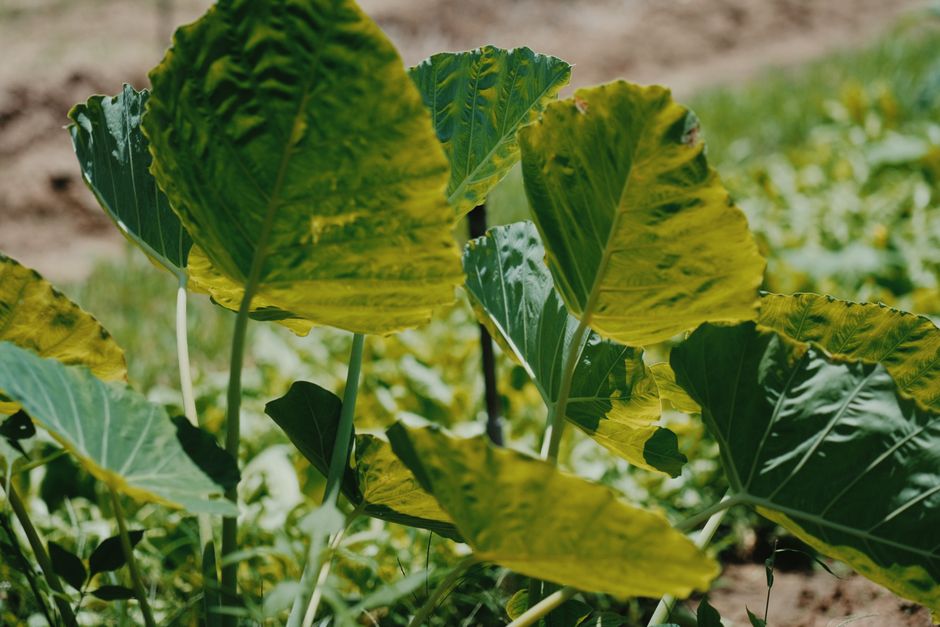
- Taro (talo). The primary staple, boiled, baked in the umu, or wrapped in leaves
- Breadfruit (ulu), roasted whole or sliced, seasonal but abundant
- Banana (fa’i), eaten both ripe and cooked green as a starch
- Green banana and taro chips, increasingly common as snack food
Samoa’s volcanic soil is fertile enough that root crop farming is genuinely productive, unlike the coral atolls elsewhere in this series. That agricultural advantage is part of why Samoan food culture developed such an elaborate feast tradition, there was reliably enough to share.
2. Coconut: cream, milk, and everything between
Coconut cream (pe’epe’e) is squeezed by hand from grated coconut flesh and used as the defining cooking liquid for palusami, oka, and dozens of other dishes. Coconut also supplies drinking water, oil, and the leaves used for umu wrapping.
3. Fish and pork: the proteins that matter
- Reef and pelagic fish, raw or grilled
- Pork. Central to feasts, historically a marker of wealth and status
- Chicken (moa), everyday protein
- Corned beef and tinned fish, imported, now deeply embedded in home cooking
Pork carries particular weight. A whole roasted pig at a feast signals the importance of the occasion, and pig ownership has historically been a measure of a family’s standing within the village.
Palusami: the national dish
Palusami is young taro leaves filled with coconut cream, onion, and sometimes corned beef or tinned meat, wrapped into parcels, and baked in the umu until the leaves soften and the filling turns rich and custard-like.
It’s Samoa’s most identifiable dish and appears at essentially every significant gathering. Church events, family celebrations, and the weekly to’ona’i. The taro leaves must be young and carefully selected; older leaves turn bitter and don’t soften properly, which is why palusami quality varies noticeably between cooks.
Oka i’a: Samoa’s raw fish dish
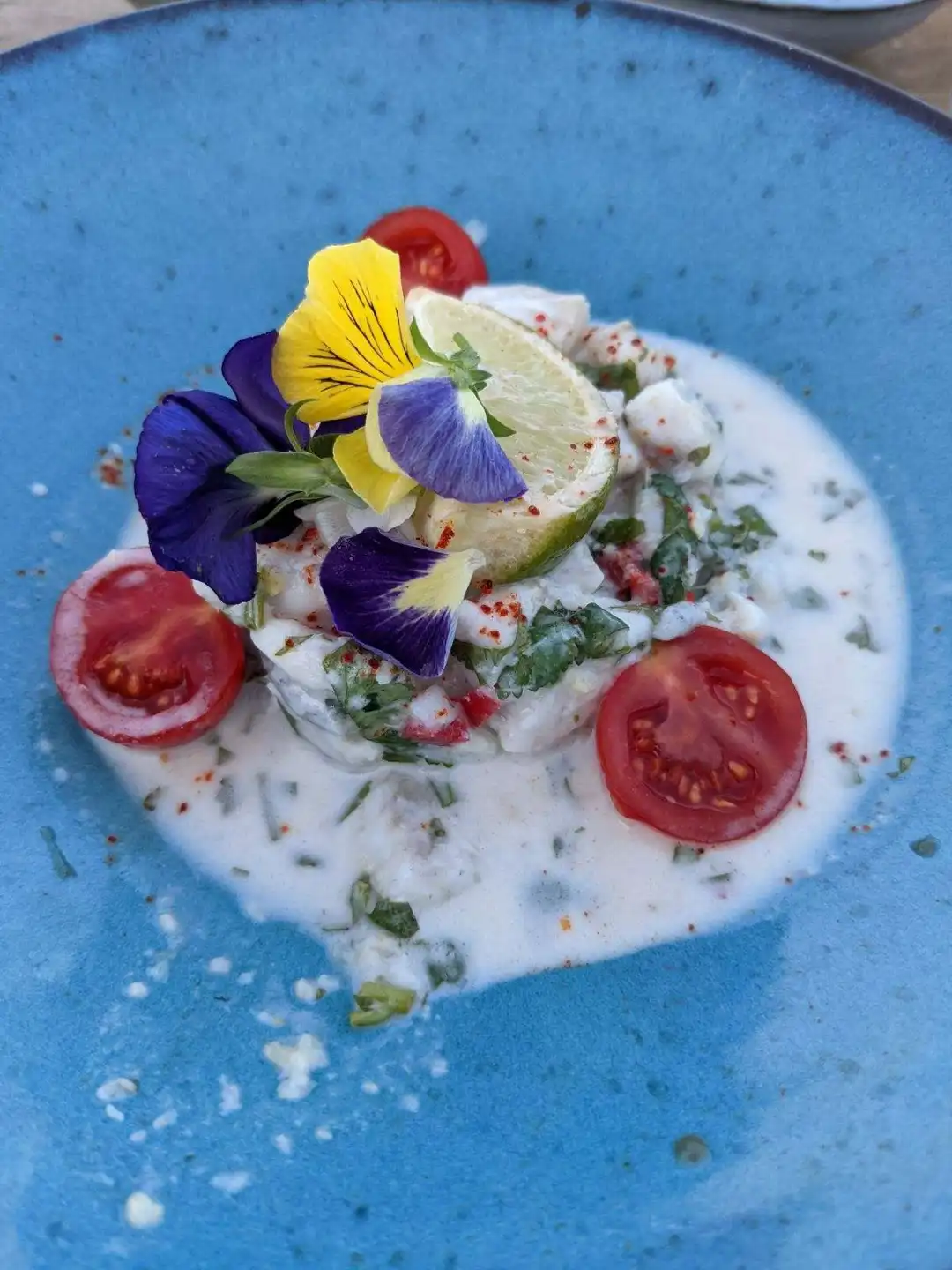
Oka i’a is Samoa’s version of the Pacific raw fish salad: cubed raw tuna cured in lemon or lime juice, then mixed with coconut cream, diced onion, and sometimes chilli or cucumber.
It’s lighter than palusami and served as a starter or alongside heavier umu dishes. Nearly every Pacific nation in this series has its own version, ika mata in the Cook Islands, ota ika in Tonga, kokoda in Fiji, and Samoan oka sits firmly within that shared Polynesian raw-fish tradition while remaining distinctly its own.
Palolo: the delicacy the calendar has to be checked for
Once or twice a year, on a date that can be predicted but not chosen, the reefs around Samoa release palolo, the spawning segments of a marine worm, and the entire country goes out at night with nets and torches to scoop them out of the water.
The timing is the remarkable part. Palolo rises about seven days after the full moon, at the third-quarter moon, typically in October and sometimes again in November. It happens before dawn and lasts a matter of hours. Samoa’s Meteorology Division publishes the predicted dates in advance, because enough people plan around them that it counts as public information.
What comes up is a mass of blue-green and brown strands. It is eaten raw and salted straight from the net, fried with butter and onion, spread on toast, or cooked into an omelette. The flavor is strong, briny and oceanic. People who grew up with it describe it the way others describe caviar, and the comparison is fair in terms of price as well as taste. When palolo is scarce it sells for more per kilo than almost any other food in Samoa.
For a visitor this is close to impossible to plan a trip around, but if you happen to be in Samoa in October, ask. It’s the one food event of the Samoan year that everybody participates in.
Traditional dishes at a glance
| Dish | What it is | When it’s eaten |
|---|---|---|
| Palusami | Taro leaves and coconut cream baked in umu | To’ona’i, feasts, everyday |
| Oka i’a | Raw fish cured in citrus and coconut cream | Everyday, gatherings |
| Umu pork | Whole pig roasted in the earth oven | Major feasts |
| Sapasui | Samoan chop suey, noodles with meat and vegetables | Everyday, family meals |
| Panipopo | Sweet coconut rolls | Church events, dessert |
| Fa’ausi | Grated taro or tapioca with coconut caramel sauce | Dessert, celebrations |
| Koko Samoa | Traditional cocoa drink, thick and unsweetened at its base | Breakfast, everyday |
| Taro chips / banana chips | Fried root crop snacks | Everyday snack |
Sapasui: the dish that shows Samoa’s Chinese connection
Sapasui, Samoan chop suey, is now considered thoroughly Samoan comfort food, despite its Chinese origin via early plantation-era immigration. Noodles are cooked with meat, cabbage, carrot, and soy sauce, producing something distinct from Chinese chop suey but clearly descended from it. It’s a genuinely common weeknight meal, not a special-occasion dish.
Koko Samoa: cocoa as a breakfast staple
Samoa grows its own cocoa, and koko Samoa, a thick, traditionally unsweetened cocoa drink made from locally roasted and ground beans, is a common breakfast item, often accompanied by taro or bread for dipping.
To’ona’i: the Sunday meal that structures the week
To’ona’i is the large family meal eaten after church on Sunday, and it remains one of the most consistently observed food traditions in the Pacific.
Extended family gathers, the umu is lit, and the meal typically includes palusami, roast pork or chicken, taro, breadfruit, and often oka i’a, laid out for everyone to share at once rather than served in courses. The meal can run for hours, folding into an afternoon of rest, conversation, and family business.
Understanding to’ona’i is close to essential for understanding what people eat in Samoa, because it’s the one meal where the full traditional spread reliably appears, week after week, regardless of how much rice or tinned food fills the rest of the week’s plates.
How is food cooked in Samoa?
The umu. Volcanic stones heated until scorching, food wrapped in banana or taro leaves, laid on the stones, and covered to steam-bake for several hours. This is the centerpiece method for to’ona’i and any major feast.
Coconut cream preparation. Central to palusami, oka, and many everyday dishes. Either as a raw dressing (oka) or a cooking liquid (palusami).
Frying. Used for sapasui, taro chips, and increasingly for everyday cooking as imported oil became widely available.
Boiling. The simplest method for taro and breadfruit on an ordinary weekday, when lighting a full umu isn’t practical.
What do people eat in Samoa daily?
Weekday meals
- Breakfast: koko Samoa with bread or taro, sometimes pancakes
- Lunch: leftovers, sapasui, or rice with tinned fish
- Dinner: fish or chicken with taro or rice, simpler than the Sunday spread
Sunday: to’ona’i
- The full traditional meal: umu-cooked pork or chicken, palusami, taro, breadfruit, often oka i’a
- Extended family gathers, and the meal can stretch across the afternoon
Urban Apia versus villages
Apia has supermarkets, imported goods, fast food, and restaurants serving everything from Chinese food to pizza. Village life outside the capital stays closer to the umu-and-taro rhythm, though imports reach everywhere via the same shipping routes.
Why does Samoa have such high rates of diabetes and obesity?
Samoa has among the highest obesity rates in the world, and the reasons are directly tied to what has changed in what people eat in Samoa over the past two generations.
Imported corned beef, turkey tails (a genuinely significant import historically, now restricted), instant noodles, and sugary drinks have displaced some of the traditional plant-heavy, fish-based diet in everyday eating, even as the traditional food remains central to Sunday and ceremonial meals.
Samoa banned the import of turkey tails, a fatty cut with little market elsewhere, for a period specifically over health concerns, one of the more striking public health interventions attempted in the Pacific around food policy. The ban was later lifted, and the underlying tension between cheap imported fat and the traditional diet remains unresolved.
How travelers can experience what people eat in Samoa
Fish markets and Apia’s food scene
Apia’s market and the fish market near the harbour are good starting points for fresh oka i’a and produce. Apia also has a wider restaurant scene than most Pacific capitals in this series, reflecting its role as a regional hub.
Fia Fia nights
Resorts across Samoa run Fia Fia cultural evenings featuring umu-cooked food and traditional dance. These are aimed at visitors but generally use proper umu cooking rather than a shortcut version.
Attending a to’ona’i
If you have any local connection or are staying with a family, being invited to Sunday to’ona’i is the single best way to experience what people eat in Samoa as it’s actually practiced.
Etiquette worth knowing
- Remove shoes before entering a fale (traditional open house)
- Sit cross-legged or with legs to the side; pointing feet at people is impolite
- Wait to be served or shown where to sit; seating often reflects rank
- Accept food when offered
- Sunday is genuinely observed; expect closures and quiet
What is the national dish of Samoa?
Palusami is often called Samoa’s national dish: young taro leaves filled with thick coconut cream, wrapped and baked in the umu until soft and rich. Oka i’a, raw fish in lime juice and coconut cream, is just as popular and is served at almost every celebration.
Frequently asked questions: what do people eat in Samoa?
What is the national dish of Samoa?
Palusami, young taro leaves filled with coconut cream and baked in the umu, is widely regarded as Samoa’s national dish and appears at nearly every significant meal.
What is to’ona’i?
To’ona’i is the large family meal eaten after church on Sunday, typically featuring umu-cooked pork or chicken, palusami, taro, and often oka i’a, shared across the extended family.
What is palolo and when does it appear?
Palolo is the spawning segment of a reef worm, harvested at night in Samoa and considered a delicacy. It rises roughly seven days after the full moon, at the third quarter, usually in October and sometimes again in November. Samoa’s Meteorology Division publishes the predicted dates each year.
Is Samoan food spicy?
No. Samoan cooking is generally mild, relying on coconut cream, citrus, and the smoky flavor of the umu rather than chilli.
What is oka i’a?
Oka i’a is Samoa’s raw fish salad. Cubed tuna cured in lime or lemon juice and mixed with coconut cream, onion, and sometimes chilli. It’s Samoa’s answer to the raw-fish dishes found across the Pacific.
Why is sapasui considered Samoan food if it’s originally Chinese?
Sapasui arrived through Chinese immigration during the plantation era and has been thoroughly adapted into Samoan home cooking over more than a century, to the point that most Samoans consider it entirely local comfort food.
What do people drink in Samoa?
Koko Samoa (traditional cocoa), coconut water, imported soft drinks, and beer. Kava is present through wider Polynesian influence but is less central to daily Samoan life than in Tonga or Fiji.
Conclusion: what do people eat in Samoa? It’s inseparable from who they eat it with
To ask what people eat in Samoa is really to ask about fa’a Samoa. The aiga, the church, and the village structure that decides when the umu gets lit and who gets served first. Palusami and oka i’a are the dishes, but Sunday to’ona’i is the institution, and it has proven more durable than almost any other weekly food tradition in the modern Pacific.
For a comparison with a smaller, less agriculturally rich Pacific nation, see our guide to what people eat in Kiribati, or explore our South Korea with kids guide for a very different family food tradition.