I never expected to cry in a Seoul subway station. But there I was—jet-lagged, struggling through a crowded station with a stroller—when a stranger gently tapped my shoulder and pointed to an elevator I’d missed. No English. Just a nod and a warm smile.
That’s when it hit me: South Korea doesn’t just tolerate kids. It sees them.
That’s when it hit me: South Korea doesn’t just tolerate kids. It sees them. Traveling South Korea with kids isn’t just possible — it’s deeply rewarding.
Why South Korea is surprisingly kid-friendly
South Korea with kids is easier than most parents expect. From stroller-friendly sidewalks in Seoul to genuinely helpful locals and food that actually works for little palates, Korea stands out as one of the most family-friendly destinations in Asia. Whether you’re exploring Busan with kids, hiking near Seoul, or wandering temple grounds, you’ll feel a quiet kind of care woven into everyday life.
Everyone talks about K-pop, tech, and neon lights. But who tells you that Korean sidewalks are smooth enough for a wobbly toddler? Or that bus drivers wait if they see you rushing with a stroller?
I’ve traveled across Asia with my kids, and nowhere else have I felt this… cared for. Not as tourists. As people.
South Korea wasn’t built for Instagram—it was built for life. And life includes children. From elevators in modern subway stations to baby-changing tables in mountain trail restrooms, the infrastructure quietly supports families.
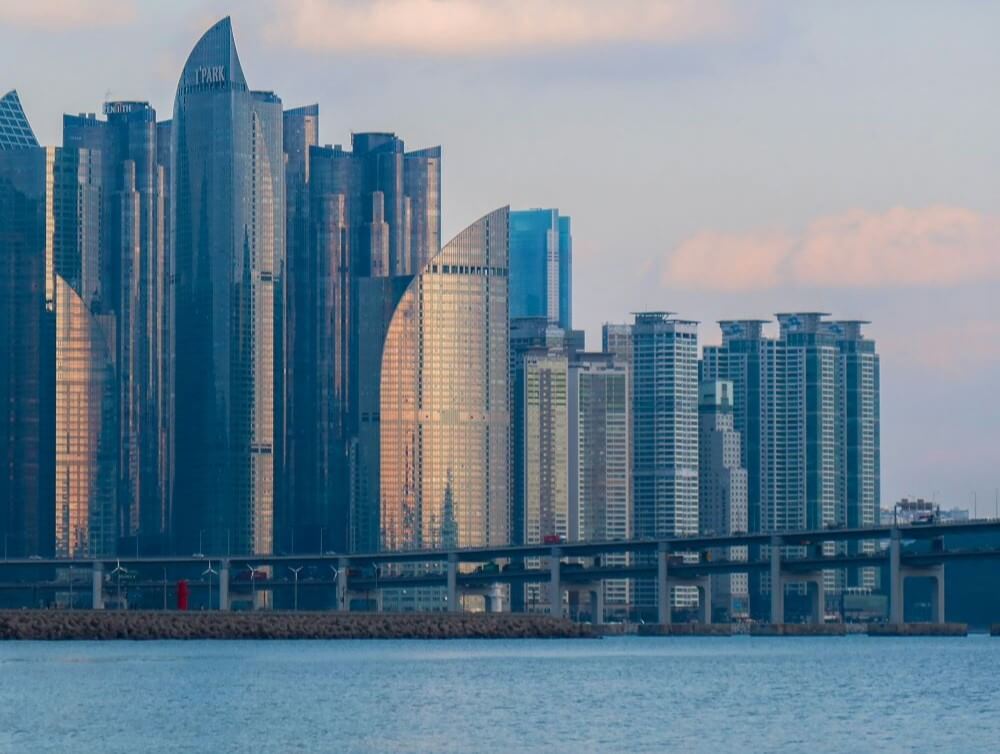
This isn’t ‘family-friendly’ as a marketing gimmick. It’s everyday design with heart. Planning South Korea with kids means discovering this care at every turn.
Getting around Korea with a stroller
Yes, you can absolutely navigate Seoul with a stroller—and not just in Gangnam. Most buses “kneel” to sidewalk level, making it easy to roll on without lifting. Subway stations in central districts like Hongdae, Myeongdong, and Dongdaemun have elevators clearly marked with wheelchair symbols.
Even high-speed trains like the KTX offer enough space for families traveling with kids.
That said, not everything is perfect. Narrow alleys in Insadong can get crowded, especially during festivals. Older neighborhoods like Bukchon may still require carrying your stroller up stairs.
But here’s what makes the difference: Koreans notice. If you’re struggling, someone will help. Not for a tip. Not for attention. Just because.
Food in South Korea with kids (Yes, it’s not all spicy)
And the food? Oh, the food. Forget the myth that everything in Korea is spicy.
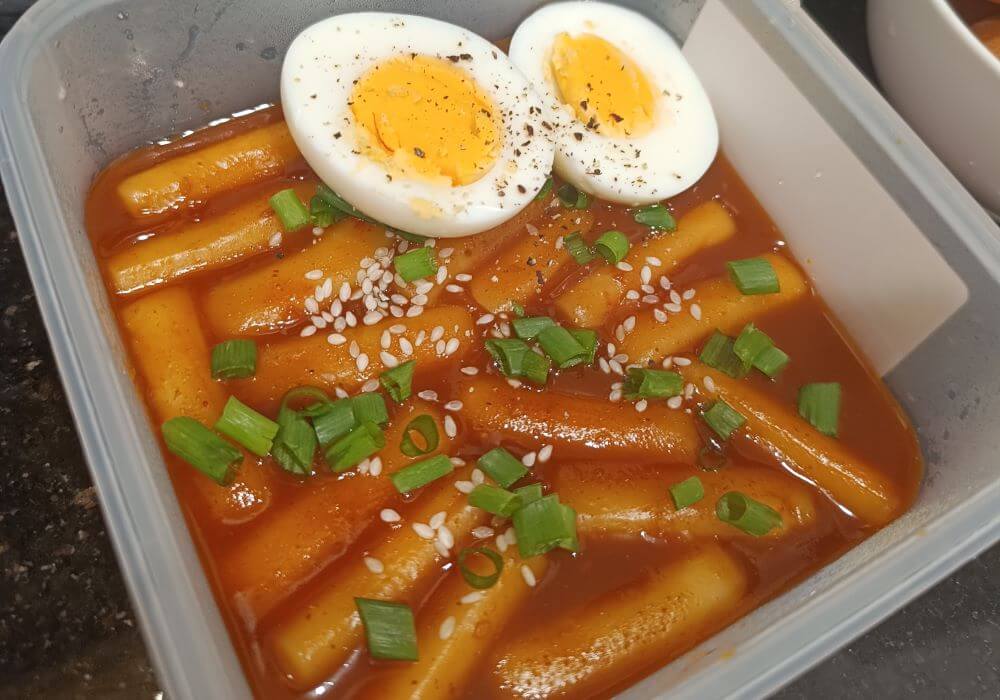
Near schools and parks, street vendors often prepare “kids’ versions” of popular dishes—milder, sweeter, and just as delicious. I’d ask for “agi-ege?” (“for the child?”), and they’d hand my son a bowl of tteokbokki without a trace of chili, soft rice cakes wrapped in banana leaves, or hotteok pancakes oozing brown sugar like liquid gold.
Sometimes it was bungeoppang—those fish-shaped pastries filled with red bean or chocolate—warm from the griddle and perfect for small hands.
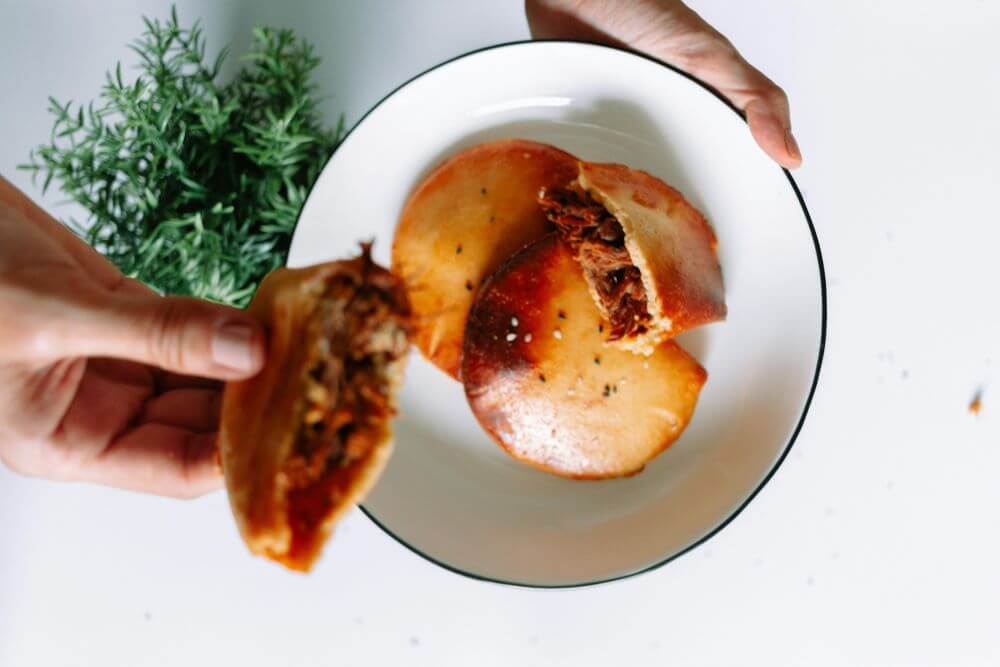
Other days, it was steamed egg custard, silky and comforting, or japchae noodles glistening with sesame oil, sweet but never overwhelming.
Even in restaurants—yes, even fancy ones—staff would quietly suggest mild options when I mentioned my child’s age.
One rainy afternoon in Busan, we ducked into a tiny stall near Jagalchi Market. The owner, a woman with silver hair and ink-stained fingers, served us barley tea and soft rice cakes. No menu. No English. Just warmth.
My daughter fell asleep on her lap. And the woman simply rocked her gently, humming a soft tune I still can’t name.
That’s the thing about Korea—it doesn’t perform hospitality. It lives it.
Best experiences in Korea with kids
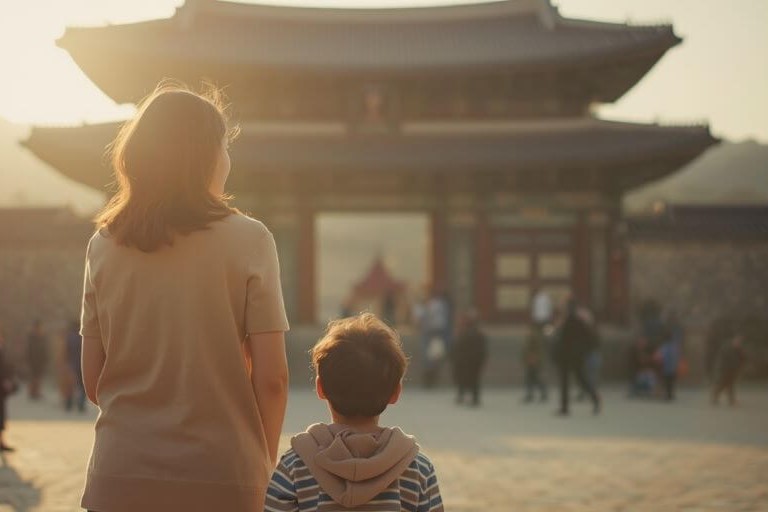
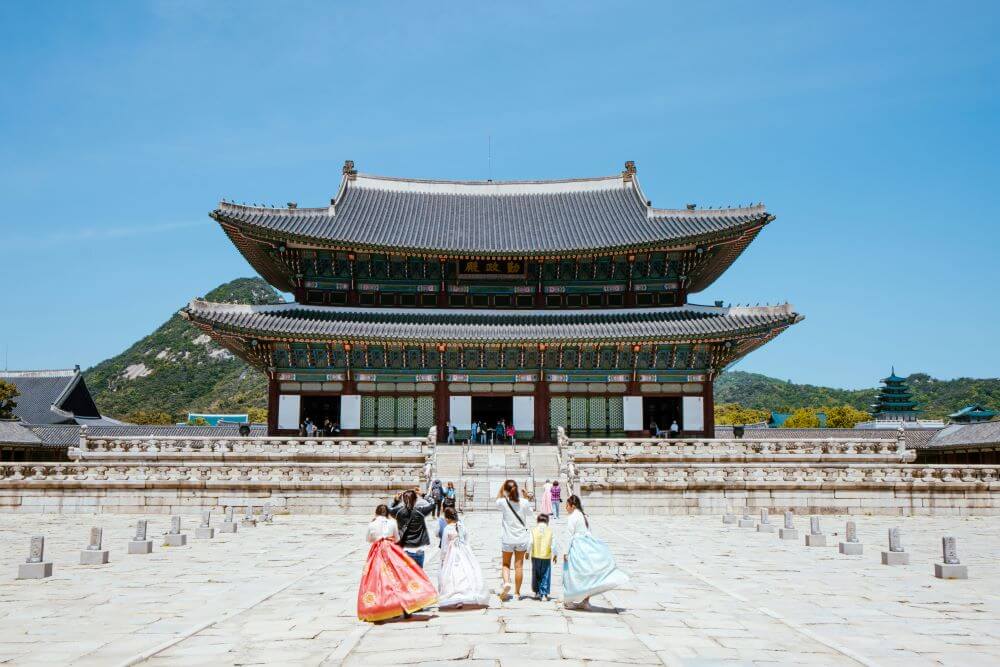
Take palaces. Yes, Gyeongbokgung is stunning—but what surprised me was how alive it felt.
My son ran ahead (because of course he did), chasing pigeons past stone dragons, while guards watched with amusement, not annoyance.
When we rented hanbok—the traditional Korean clothing—for less than $10, the staff didn’t treat us like tourists posing for photos. They showed my daughter how to tie her sash properly, laughing when it came undone twice.
Wearing hanbok even gave us free entry to the palace—a small detail that felt incredibly generous.
We also hiked Bukhansan National Park on a whim, expecting chaos. Instead, we found shaded trails, frequent benches, clean restrooms with changing tables, and even a designated “family path.”
At the top, a monk offered my son a persimmon from his garden. “For strong legs,” he said in gentle, broken English.
My child still talks about that moment.
Challenges of traveling Korea with kids
Is it perfect? Of course not.
Some temples have steep stairs. Older subway lines—like parts of Line 1—still lack elevators in certain stations. Festivals can get crowded very quickly. And yes, some dishes are spicy by default.
But here’s what matters: Koreans notice when you’re struggling—and they act.
Not for tips. Not for reviews. Just because helping is part of the culture.
South Korea with kids stays with you long after you leave
Yes, you’ll find K-pop billboards and futuristic cafés.
But the real magic? It’s quieter.
It’s in the grandmother who slips your child an extra rice cake. The teenager who gives up their subway seat without hesitation. The quiet belief that raising good humans starts with how you treat someone else’s child.
As one ajumma once told me while fixing my daughter’s hanbok sash:
“Children are the first guests of the heart.”
I didn’t understand it then.
But I do now.
Explore more family travel guides in Asia with kids for journeys that leave footprints on the soul, not just the passport.
And I have answers, if parents will ask me
“Can I really manage South Korea with kids and a stroller?”
Honestly? Yes — way better than most cities in Europe or the U.S. Buses kneel like they’re bowing to you, subway elevators are everywhere (look for the wheelchair symbol), and sidewalks won’t jolt your baby awake. Just… maybe skip Insadong during cherry blossom week unless you enjoy human pinball.
“What if my kid gags at the sight of chili?”
Say “agi-ege?” (“for the child?”) — that’s your magic phrase. Vendors will hand you tteokbokki so mild it tastes like sweet rice clouds. Restaurants? They’ll bring steamed egg or plain japchae before you even finish asking. Koreans get it: little tongues need time.
“Are restrooms actually baby-friendly?”
Shockingly yes. Even in mountain parks! Malls, subway stations, bus terminals — almost all have changing tables. Once, I changed a diaper in a restroom near Bukhansan trailhead… next to a monk who politely looked away and offered me a tissue. That’s Korea.
“Is it safe to travel alone with kids here?”
I’ve never felt safer. Lost my wallet in Hongdae — got it back with extra cash inside (“for coffee,” the note said). My son wandered off in a market once… came back holding a banana and a stranger’s hand. People don’t just like kids here — they protect them like their own.
“Do locals really smile at strangers’ children?”
All the time. An ajumma on the subway once patted my daughter’s cheek and said “yeppeo!” (“so pretty!”), then handed her a strawberry candy. No English. No agenda. Just joy. In Korea, your child isn’t “someone else’s problem” — they’re everyone’s little blessing.