Walk down almost any street in a Turkish city, and within a few minutes a cat will cross your path, stretch out on a warm wall, or climb onto the chair next to yours at a cafe. When travelers ask why there are so many cats in Turkey, the answer is not simply “there are a lot of strays.” It is a mix of three things: a religious tradition that honors cats, laws that protect street animals, and a neighborhood culture where feeding the local cats is simply what people do.
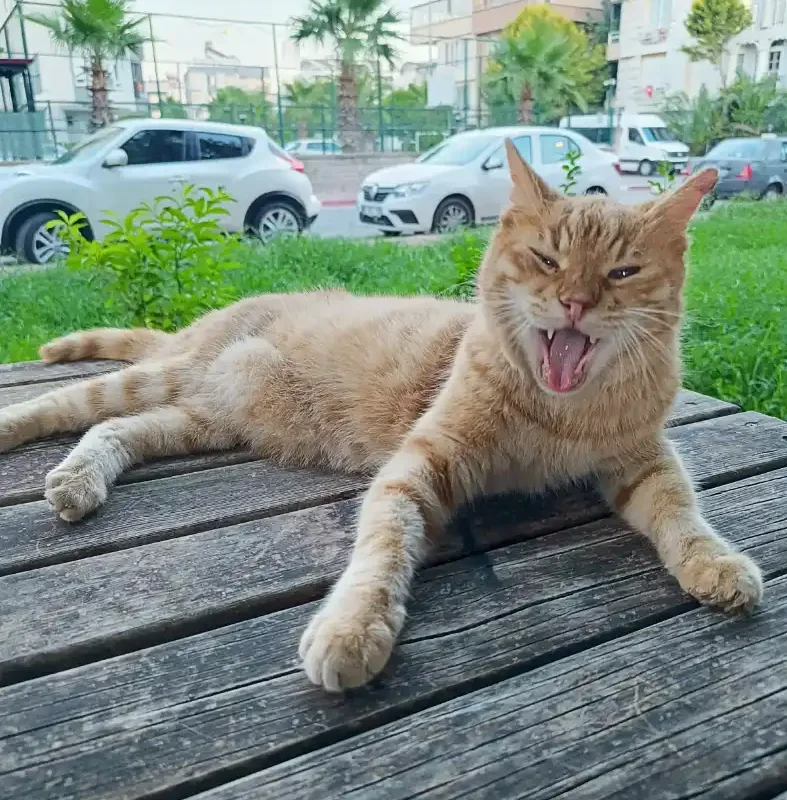
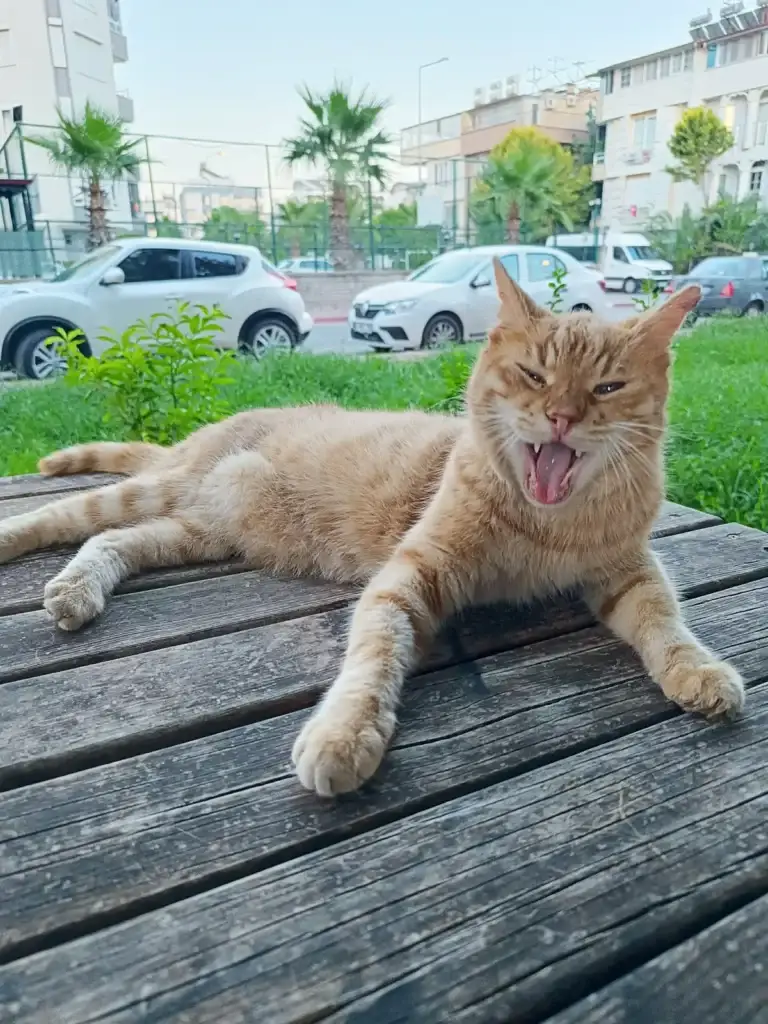
I have spent a lot of time in Turkey, and the cats became part of my daily routine: the ginger tomcat who yawned on the same picnic table every evening, the fluffy tortoiseshell who guarded a garden gate, the cafe cat who slept on a leather chair as if she owned the place. Every photo in this guide is my own.
Why are there so many cats in Istanbul?
Istanbul has so many cats for the same reasons as the rest of Turkey, with history added on top. For centuries it has been a port city, where cats were welcome on ships and in markets because they kept rats away. Today residents feed them every day, and a 2004 law protects street animals instead of removing them.
1. Cats are respected in Islamic tradition
The first reason goes back more than a thousand years. In Islamic tradition, cats are considered clean animals, and the Prophet Muhammad is widely believed to have been fond of them. A popular story tells of his cat Muezza falling asleep on the sleeve of his robe; rather than wake her, he cut off the sleeve.
Whether every detail is historical or not, the story shaped attitudes across the Muslim world. Cats are welcome in homes and even inside mosques, where you will often see them dozing on the carpets. Caring for an animal is seen as a good deed, and many people believe that feeding a hungry cat brings a blessing.
For visitors, this explains something that surprises almost everyone: a cat sleeping in a historic mosque or wandering through a shop is not a problem to be solved. It belongs there.
2. The law protects street animals
The second reason is legal. Turkey’s Animal Protection Law, passed in 2004, made it illegal to kill or cruelly treat stray animals. Instead, municipalities are expected to catch street cats and dogs, neuter and vaccinate them, and return them to the neighborhood where they were found.
This approach, often called trap-neuter-return, means that street cats in Turkey are not rounded up and removed. Many carry a small notch or tag in one ear, a sign that they have been neutered and vaccinated. How well the system works varies a great deal from city to city, and debates over street animals, especially dogs, come up regularly in Turkish politics. But for cats, the basic idea has held: they are part of the city, not pests to be cleared away.
3. Everyone feeds them, and nobody owns them
The third reason is cultural, and it is the one you will see with your own eyes. In Turkey, street cats are community cats. Nobody owns them, but everybody looks after them.
Shopkeepers put out bowls of water and dry food, known as mama. Neighbors leave scraps from dinner on a folded piece of cardboard. Restaurants save fish heads for the cats who wait patiently by the kitchen door. In many cities, you will find small wooden or plastic cat houses on sidewalks and in parks, often built by residents or volunteers, with a blanket inside for the winter.
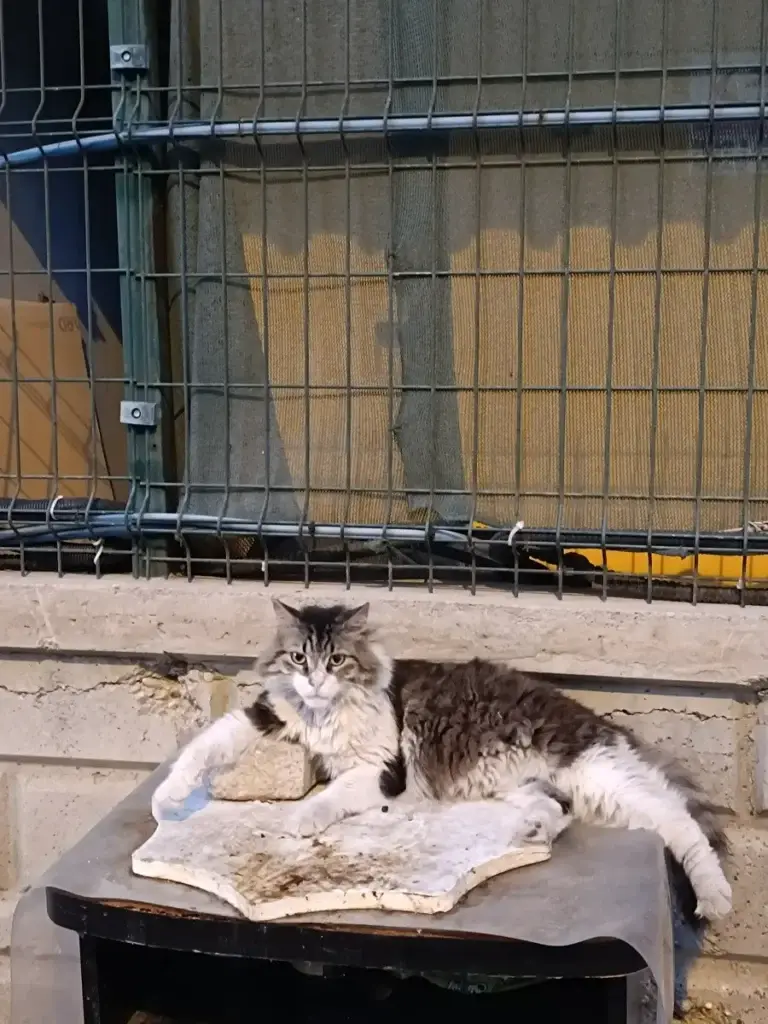
In my own neighborhood, one cat had claimed a flat stone box by a garden fence as her bed, and someone had lined it with cardboard so she would not sleep on the cold surface. That small gesture is typical. Care for cats in Turkey is rarely organized; it is simply part of daily life.
Cats even move freely through shops. More than once, I found a black cat curled up on the bottom shelf of a small neighborhood store, asleep between notebooks and packs of tissues, while the owner served customers around her as if nothing were unusual.
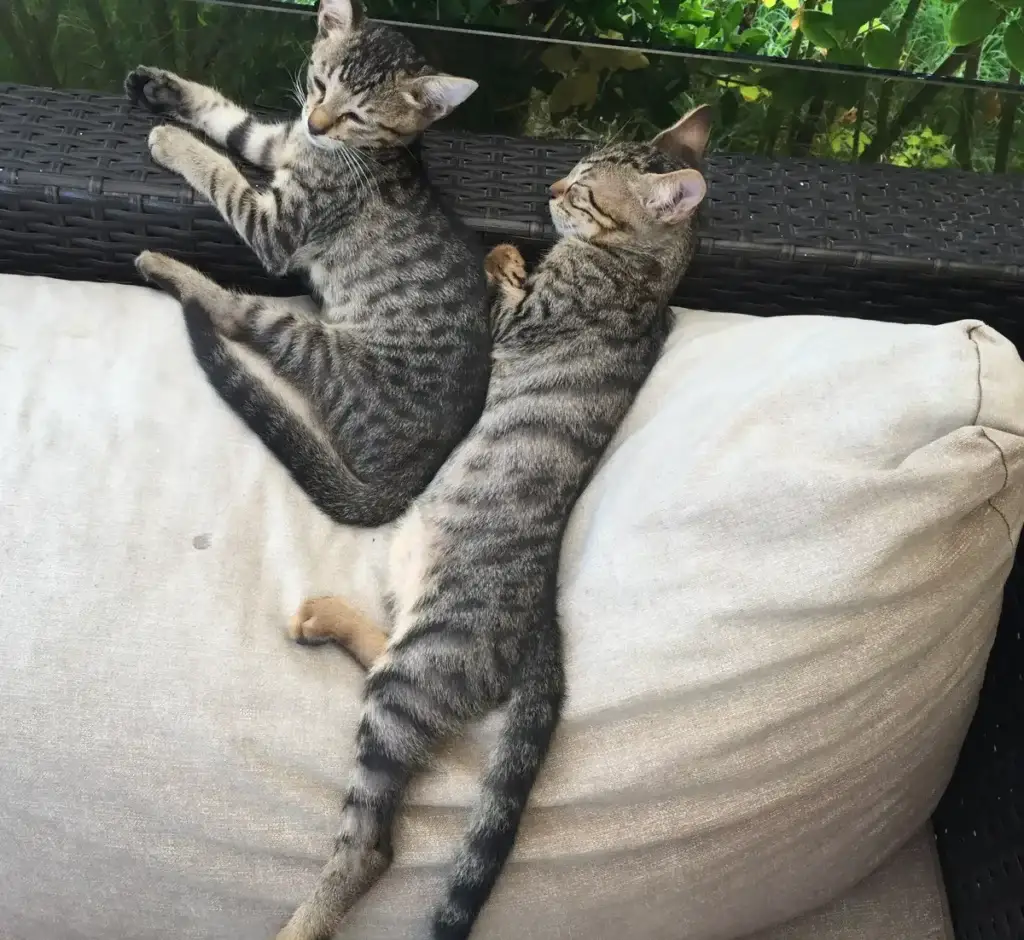
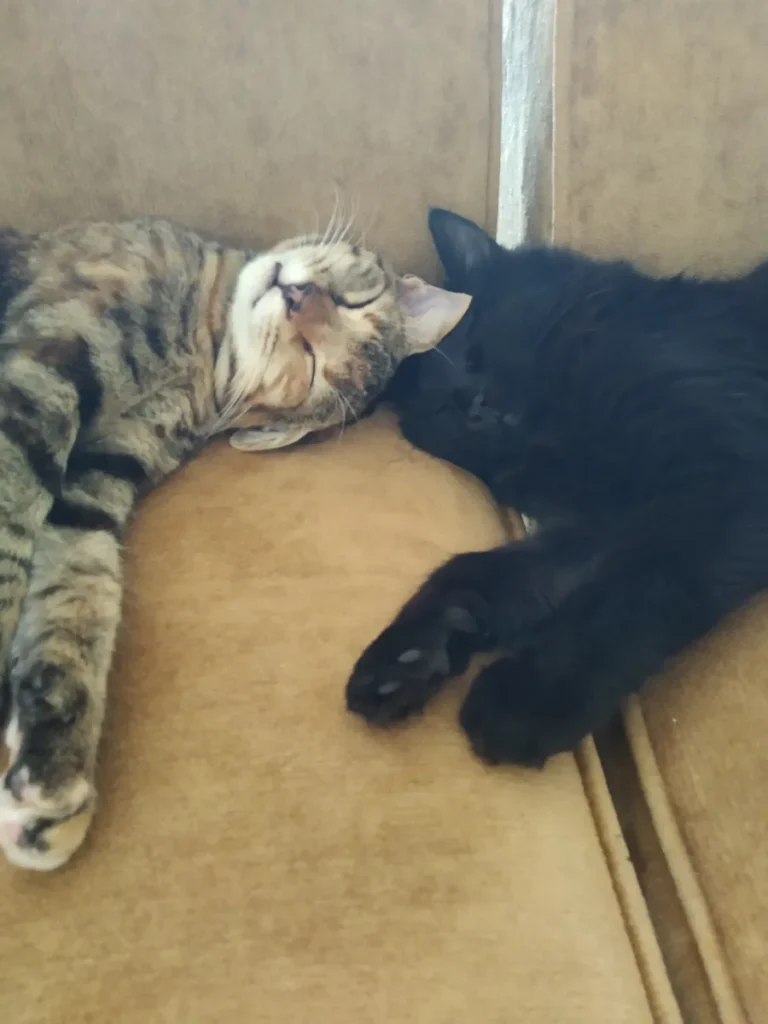
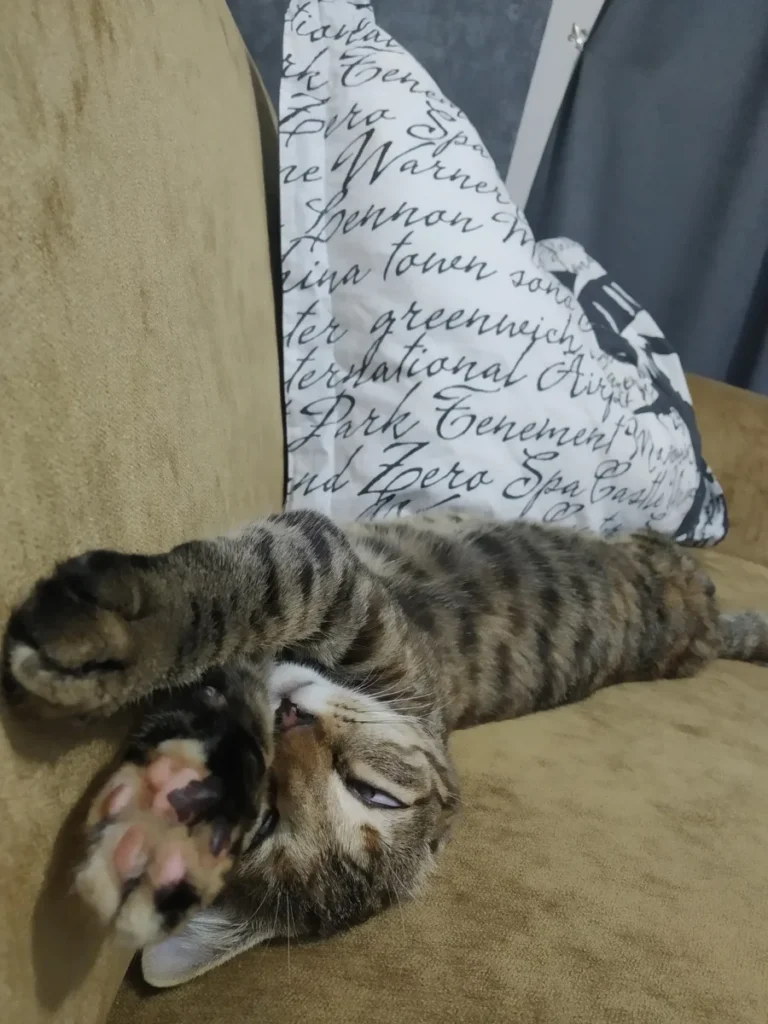
The line between a street cat and a house cat is also much softer in Turkey than in the US. Many community cats spend part of their day on terraces, balconies, and garden sofas, and some slowly move indoors with the families who feed them. I have watched two tabby kittens fall asleep on a garden sofa, stretched out as if they had always lived there, and a tabby and a black cat nap cheek to cheek on a couch, a friendship that clearly started outside.
4. Say “pisi pisi”: the language of Turkish cats
Learning a few words will make your cat encounters much more fun.
Kedi means cat. Kedicik is an affectionate “little cat” or “kitty.” To call a cat, Turks say pisi pisi, in a soft, high voice. Try it: many street cats will turn their heads immediately, because they have heard it all their lives.
Mama is pet food, and you will see it for sale in every supermarket in small bags. Yavru means a young animal, so a kitten is a yavru kedi.
Two famous Turkish breeds are also worth knowing. The Van cat (Van kedisi), from the region around Lake Van in eastern Turkey, is known for its white coat, its love of water, and often for having one blue and one amber eye. The Turkish Angora (Ankara kedisi) is a graceful, long-haired cat named after the capital. Both are national symbols, though the cats you will meet on the street are usually a cheerful mix of everything.
5. Famous cats and a city in love with them
Some cats in Turkey have become true celebrities.
Tombili, a round, relaxed tabby from the Kadıköy district of Istanbul, became famous online for the way she leaned against a step, as if lounging on a sofa. When she died in 2016, residents campaigned for a memorial, and a bronze statue of Tombili in her signature pose now sits on the same street. Visitors still leave flowers and pet her head.
Gli, the cat of Hagia Sophia, greeted visitors for years and was even photographed with world leaders. After her death in 2020, she was mourned across the country.
The documentary Kedi (2016), which followed seven street cats in Istanbul, brought this relationship to audiences around the world, and it is worth watching before a trip.
6. Cafe cats and restaurant cats
One of the most charming parts of traveling in Turkey is that cats often become part of your meal. Many restaurants and cafes have resident cats who wander between tables, sleep on empty chairs, or sit politely next to diners, hoping for a little attention (or a little fish).
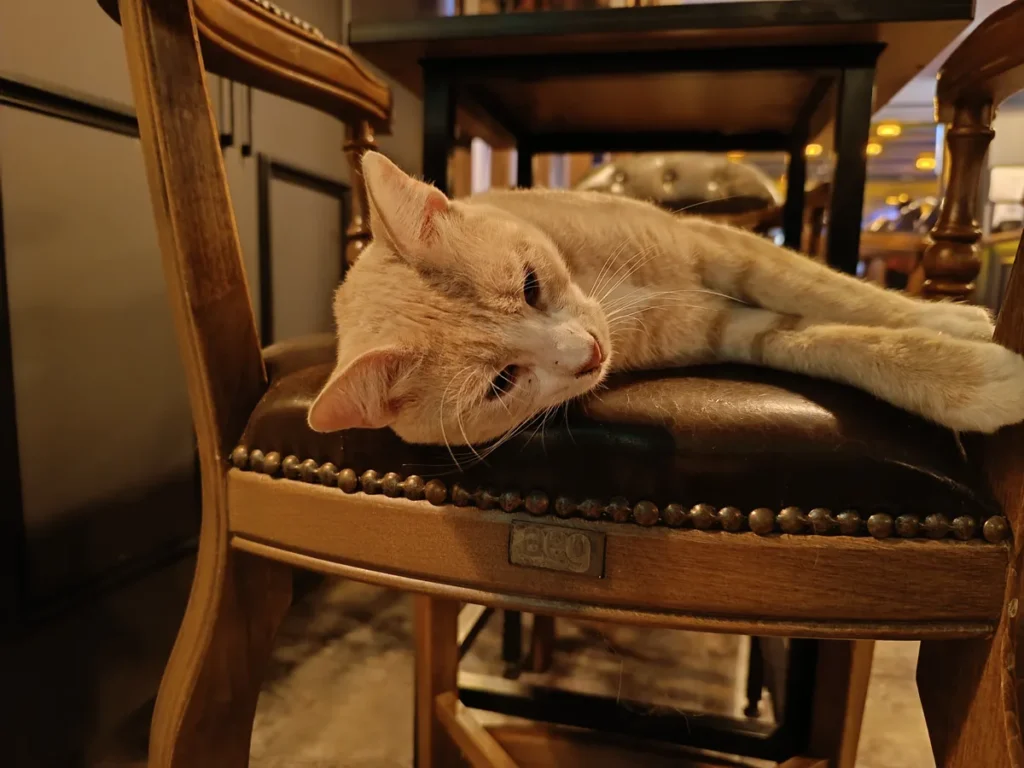
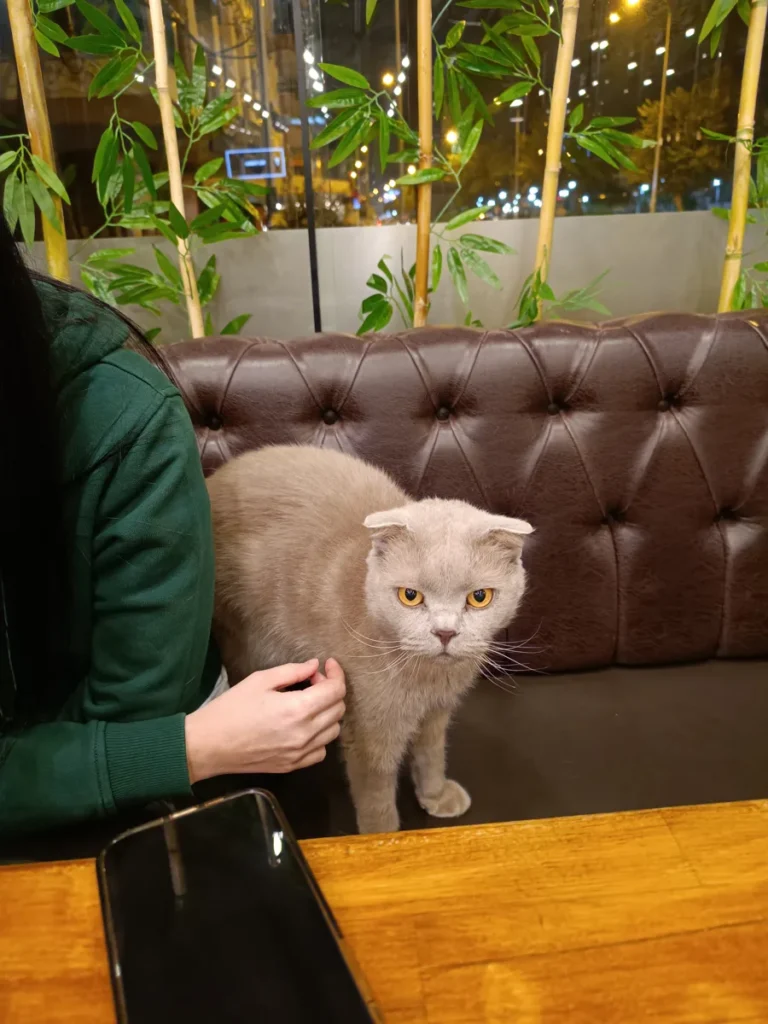
In one restaurant I visited, a ginger cat had fallen fast asleep on a carved wooden chair with a leather seat, stretched across it as if it had been made for her. The staff simply worked around her. In another cafe, a cream-colored cat with folded ears sat on the sofa next to us and allowed herself to be petted for most of the evening.
A few simple manners go a long way. Do not feed cats from your plate at the table unless the staff clearly do not mind, and never pick up a cat that has not come to you on its own. If a cat is sleeping on a chair you want, the local custom is to find another chair.
7. Not only Istanbul
Istanbul is the most famous city for cats, but you will find them all over the country, from the coastal resorts of the Mediterranean to small villages in Anatolia.
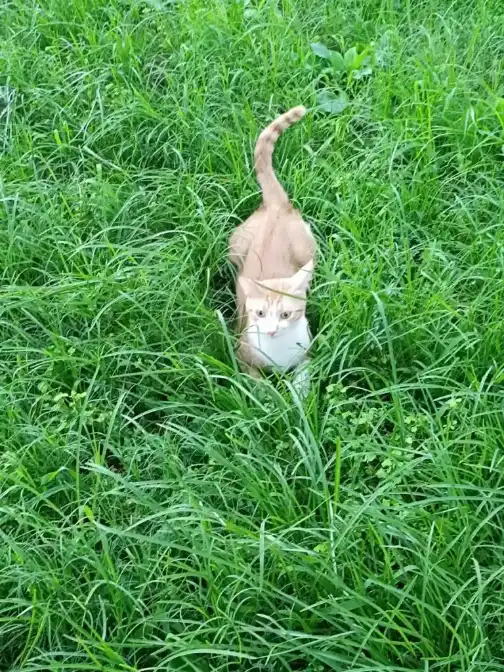
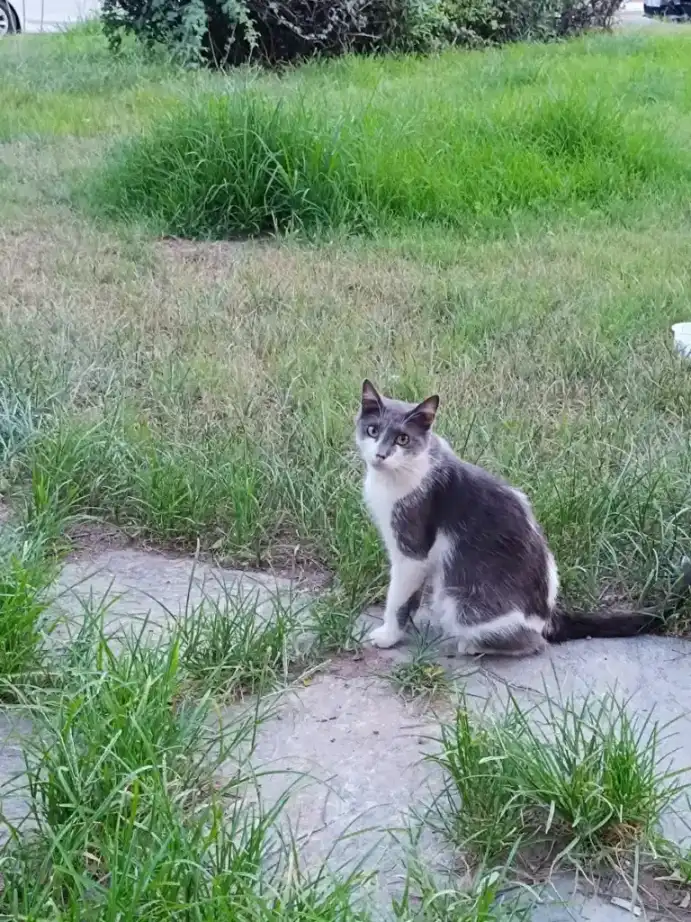
In quieter residential areas, cats often have favorite spots they return to every day. A fluffy tortoiseshell I saw almost daily liked to sit on top of a stone gatepost, where she could watch the whole street like a queen on her throne. A small ginger kitten patrolled the long grass in the park. A gray-and-white cat waited on the same path every evening, as if expecting someone.
Getting to know the regular cats in your neighborhood, even for a week, is one of the simplest and most delightful ways to feel at home in Turkey.
Best places to meet cats in Turkey
You do not need to go looking for cats in Turkey; they will find you. But some places are especially good.
Istanbul’s old neighborhoods. Districts such as Kadıköy, Cihangir, and Balat are famous for their cats, which sleep in shop windows, on car roofs, and on the steps of old wooden houses.
Mosque courtyards. Cats often rest in the shade of mosque courtyards and gardens, where they are fed by worshippers and caretakers. Visit respectfully and outside of prayer times.
Seaside promenades and fish markets. Wherever there is fresh fish, there are cats. Harbor areas and seaside restaurants along the coast are especially popular with them.
Neighborhood parks. In residential areas, parks are where community cats spend their evenings, often near benches and picnic tables where people bring them food.
How travelers can help the cats
If you love animals, there are easy ways to give something back during your trip.
Buy a bag of mama. Cat food is inexpensive in any Turkish supermarket. Carry a small bag with you and leave a handful near a water bowl or a cat house. Avoid giving cats spicy, salty, or sweet human food.
Refill water bowls. In summer, clean water can be just as important as food. Many bowls on the street are left for exactly this purpose.
Support local rescue groups. Many cities have volunteer groups and animal charities that neuter, vaccinate, and treat injured street animals. Donations, even small ones, make a real difference.
Report injured animals. If you see a sick or injured cat, tell a local shopkeeper, your hotel, or a veterinary clinic. People usually know who to call.
Be careful about adoption. It is tempting to fall in love with a street cat and want to take it home. Adopting an animal from Turkey is possible but involves vaccinations, a microchip, waiting periods, and paperwork for your home country. Research the rules carefully before making a promise to a cat.
Is it safe to pet street cats in Turkey?
In general, street cats in Turkey are used to people and many are very friendly. Still, they are not pets, and a little caution is wise.
Let the cat approach you first and sniff your hand. Watch for signs that a cat wants to be left alone, such as flattened ears or a swishing tail. Do not pet cats that look sick, and wash your hands afterward, especially before eating. If you are scratched or bitten, clean the wound and see a doctor, since rabies, while rare in cats, does exist in Turkey.
With these simple precautions, meeting the local cats will be one of the best parts of your trip.
Frequently asked questions
Why are there so many cats in Turkey?
There are so many cats in Turkey because of a combination of religious tradition, law, and culture. Islam regards cats as clean and respected animals, a 2004 animal protection law bans killing strays and promotes neutering and return, and residents across the country routinely feed and shelter the cats in their neighborhoods.
Are street cats in Turkey owned by anyone?
Most street cats in Turkey are community cats. Nobody owns them, but shopkeepers, neighbors, and local volunteers feed them, give them water, and often build small shelters for them.
How do you call a cat in Turkish?
Turks call cats by saying “pisi pisi” in a soft voice. The Turkish word for cat is “kedi,” and a kitten is a “yavru kedi.”
Can I feed street cats in Turkey?
Yes, and it is welcomed. Buy a small bag of cat food, known as “mama,” in any supermarket, and leave it near a bowl or cat house. Avoid feeding cats spicy, salty, or sweet human food.
Is it safe to pet cats in Turkey?
Most street cats in Turkey are friendly and used to people. Let the cat come to you first, avoid cats that look sick, and wash your hands afterward. If you are bitten or scratched, clean the wound and see a doctor.
A country that shares its streets
Cats in Turkey are not a tourist attraction, even if many visitors end up photographing them more than the monuments. They are neighbors. They sleep on cafe chairs, supervise gardens, and wait at kitchen doors, and in return a whole country quietly makes sure they have food, water, and a warm place to sleep. Say “pisi pisi,” carry a little bag of mama, and let the cats show you a side of Turkey that most guidebooks miss.
More animal stories: find out why nearly every black panther in Malaysia is black, or plan your trip with our Turkey travel guide. For background on Istanbul’s famous street cats, see Feral cats in Istanbul.