Australia is huge, sunny and full of animals children only know from books, which makes it a dream destination for many families. Choosing the best places to visit in Australia with kids is mostly about not trying to see everything: distances are enormous, flights are long, and the sun is strong. Three things make the difference: picking two or three regions that suit your children’s ages, planning around the heat and travel times, and choosing wildlife experiences that are ethical and age-appropriate.
This guide covers the most family-friendly regions, what to do in each, which places to save for later, and practical tips for a smooth trip.
Why Australia works for families
Australia is one of the easiest long-haul destinations for families. Cities are clean and well organized, sidewalks are stroller-friendly, public toilets and baby-changing facilities are common, and healthcare is excellent. Tap water is safe to drink in cities and towns.
Beaches are patrolled by volunteer and professional lifesavers, and the flags tell you exactly where to swim. Between the red-and-yellow flags is the safest place, and children quickly learn the rule.
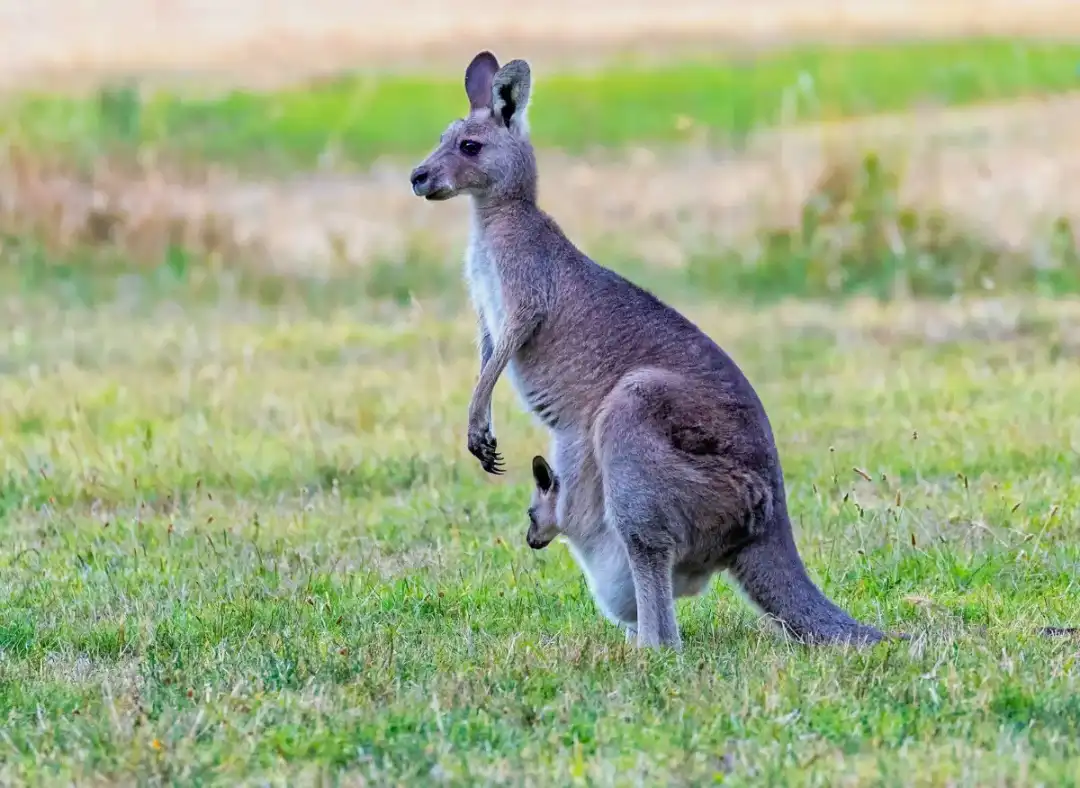
And then there is the wildlife: kangaroos, koalas, wombats, penguins, sea lions and colorful birds, often in the wild and almost always close to towns. Reputable sanctuaries focus on education and animal welfare, which turns every visit into a small biology lesson.
Quick planning box: Australia family travel basics
| Topic | What to know |
|---|---|
| Best time | Spring (September–November) and fall (March–May) for most regions; the tropical north is best in the dry season (roughly May–October) |
| Trip length | At least two weeks from North America or Europe; three is more relaxed |
| Best ages | Around 5–12 is ideal, though every age can work |
| Cars | Essential outside big cities; book child seats well ahead |
| Must-pack | UV clothing, broad-brimmed hats, sunscreen, reusable water bottles |
Best places to visit in Australia with kids: the complete list
| Destination | Best ages | Days needed | Main highlight |
|---|---|---|---|
| Sydney | 2–10 | 4–5 | Taronga Zoo, harbor ferries, calm beaches |
| Gold Coast | 5–12 | 3–4 | Wildlife sanctuaries, beaches, theme parks |
| Kangaroo Island | 6+ | 3 | Wild sea lions, koalas, kangaroos |
| Cairns and the reef | 7+ | 4 | Reef trips, rainforest, islands |
| Melbourne | 4–12 | 3–4 | Museums, markets, penguins |
Best places in Australia for families by age
Toddlers (2–4): Sydney and Melbourne. Short distances, great playgrounds, gentle beaches and easy public transport.
Kids (5–8): Gold Coast and Cairns. Wildlife sanctuaries, aquariums, rainforest boardwalks and calm lagoons.
Older kids (9–12): Kangaroo Island and reef boat trips. They can handle longer drives and appreciate conservation stories.
Teens: The Red Centre, Uluru and longer road trips, when they are ready for heat, distance and cultural depth.
Sydney: where urban meets wild
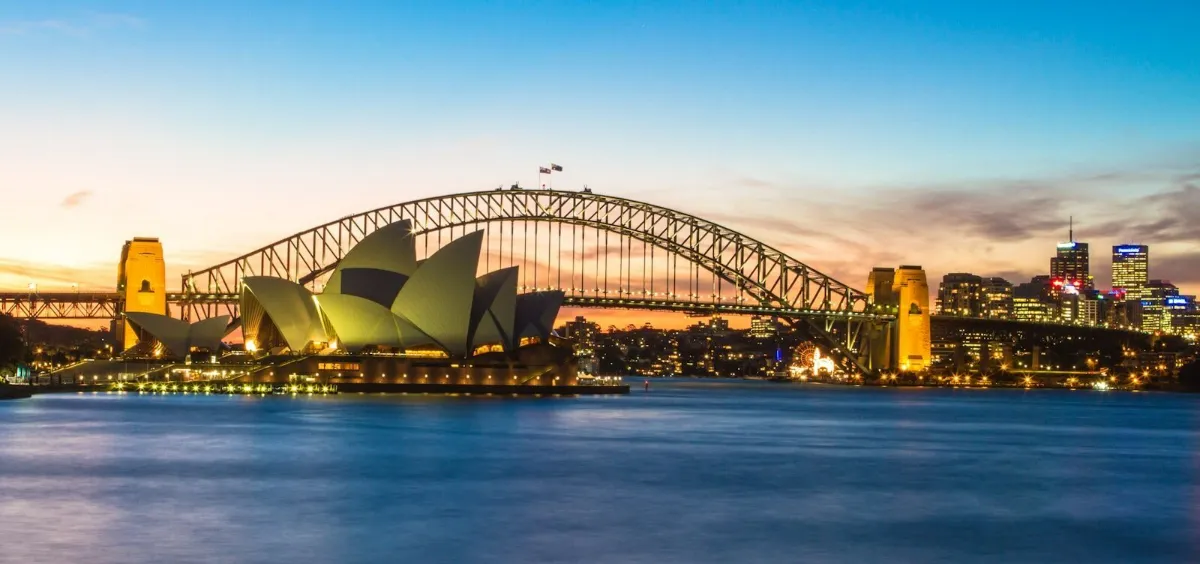
Sydney is often the first stop, and it works well with children if you plan around neighborhoods rather than trying to cross the city every day.
Taronga Zoo sits on a hillside above the harbor, and the best way to get there is by ferry from Circular Quay, which kids usually love as much as the zoo itself. Keeper talks and conservation programs explain animals’ stories in a way children understand.
The Royal Botanic Garden is free, shady and right next to the Opera House, with plenty of space to run, plant trails and harbor views.
Beaches: Bondi is famous, but its surf can be strong for little ones. Manly, reached by a scenic ferry, has calmer spots and ocean pools. Many Sydney beaches have rock pools filled with seawater that are ideal for small children.
Where to stay: neighborhoods like Manly or Mosman feel more relaxed than the busy center, with parks and family-friendly cafés nearby. Note that many cafés outside the center close in mid-afternoon, so plan early dinners or snacks.
Gold Coast: beyond the theme park hype
The Gold Coast is famous for its theme parks, and older kids will love them, but the region offers much more.
Currumbin Wildlife Sanctuary is a family favorite. Children can see kangaroos, koalas and native birds up close, and learn about the sanctuary’s wildlife hospital, which treats injured animals.
Burleigh Heads has a lovely beach with gentler sections and a coastal national park with an easy walking track around the headland, where you may spot whales in season.
Lamington National Park, in the hinterland, offers rainforest walks, treetop walkways and colorful birds, about 90 minutes’ drive inland. Short trails suit younger walkers.
Surfers Paradise is loud and busy, especially in the evening, and is better for teens than for small children. Families often prefer to stay in quieter areas like Burleigh, Palm Beach or Broadbeach.
Kangaroo Island: nature without the noise
Off the coast of South Australia, Kangaroo Island is one of the best places in the country to see wildlife in its natural habitat. Plan at least three days; the island is bigger than it looks, and distances between sights are long.
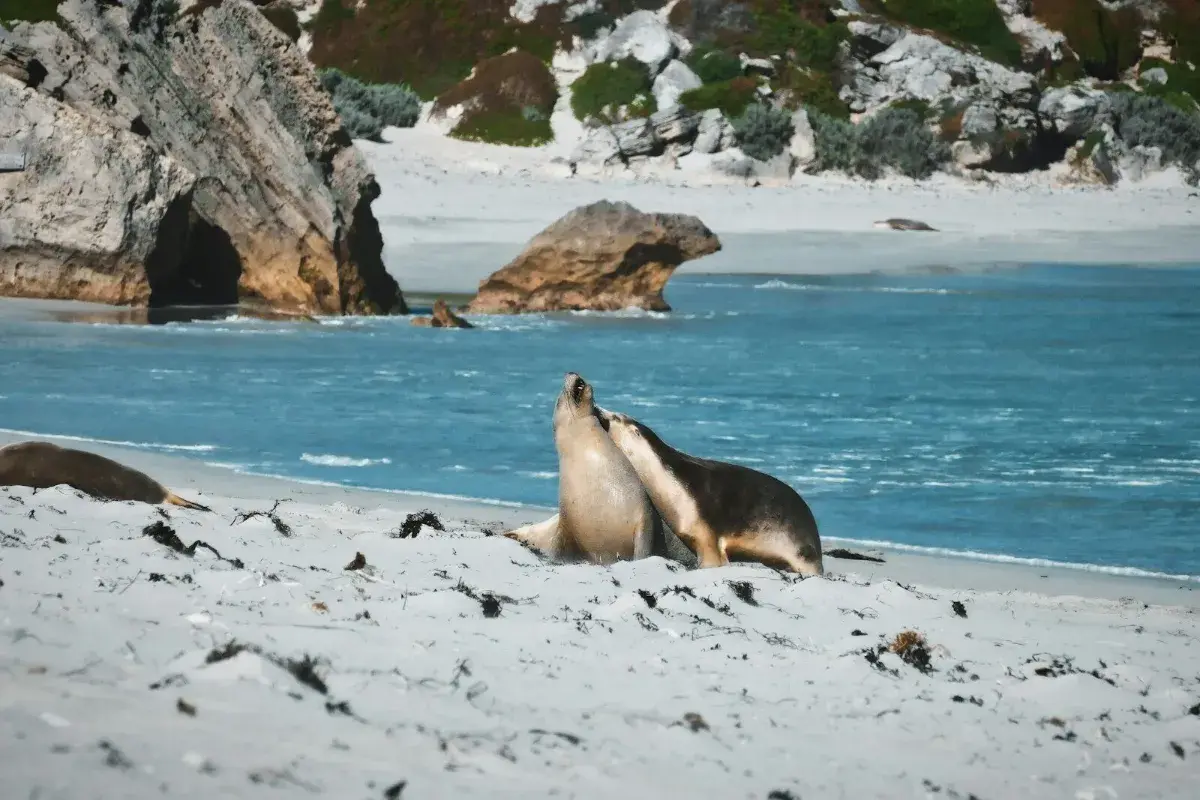
Seal Bay is the highlight. On a guided walk, rangers lead small groups onto the beach where a colony of Australian sea lions rests between fishing trips. Visitors keep a set distance and never touch the animals, but you are close enough to watch pups play.
Flinders Chase National Park in the west is home to wild kangaroos and the Remarkable Rocks, huge wind-sculpted granite boulders on a cliff above the ocean. Koalas live in eucalyptus trees in several parts of the island.
Getting there: a short flight from Adelaide, or a car ferry from Cape Jervis, about two hours’ drive south of Adelaide. The ferry crossing is around 45 minutes and can be rough, so pack motion-sickness remedies and snacks. Book accommodation early, especially in school holidays.
Cairns and the reef: ocean lessons without the overwhelm
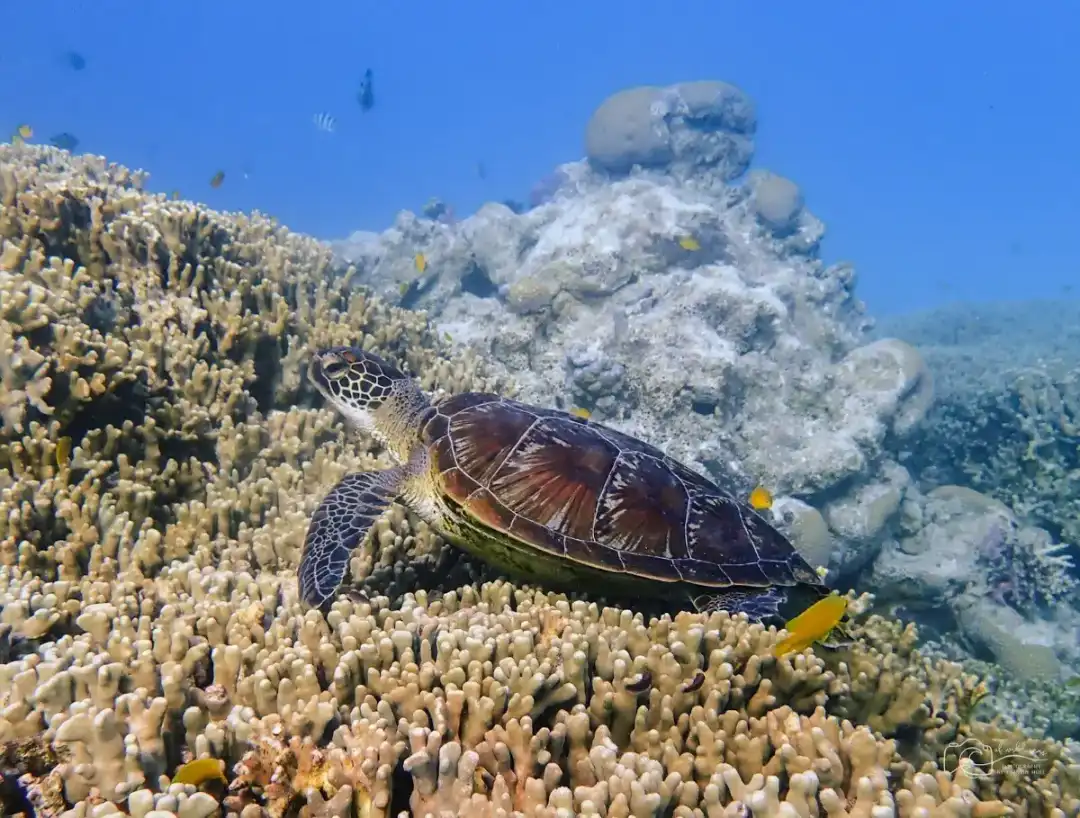
Tropical North Queensland combines two World Heritage sites: the Great Barrier Reef and the Wet Tropics rainforest.
Choosing the right reef trip. Large pontoon trips to the outer reef are often the best option for families: stable platforms, semi-submersible or glass-bottom boats, snorkeling with flotation devices and staff in the water. Very young children can still see coral and fish without getting wet. Look for operators with marine biologists or reef educators on board.
Fitzroy and Green islands are short boat rides from Cairns and make easy reef days, with beaches, calm water and glass-bottom boats.
The Kuranda Scenic Railway and Skyrail take you through the rainforest to the mountain village of Kuranda. Many families go up one way and down the other.
Stinger season. From roughly November to May, box jellyfish and other stingers can be present in tropical waters. Swim only in netted areas or lagoons, and wear stinger suits on reef trips.
Reef HQ in Townsville, around four to five hours’ drive south of Cairns, is a large reef aquarium. It is worth a visit if your route takes you down the coast.
Melbourne: culture that doesn’t bore kids
Melbourne has a reputation as an artsy, grown-up city, but it is one of the easiest Australian cities with children.
Scienceworks is a hands-on science museum with a planetarium and interactive exhibits on physics, sports and the human body. Melbourne Museum has dinosaurs, a children’s gallery and an indoor forest.
St Kilda penguins. At dusk, a colony of little penguins returns to the rocks of the St Kilda breakwater. Viewing from the boardwalk is free; volunteers explain the rules, and flash photography is not allowed. For a bigger penguin experience, families often visit Phillip Island, about two hours away.
Queen Victoria Market is a lively mix of fresh fruit, snacks and stalls, and a good place to let kids choose their own lunch.
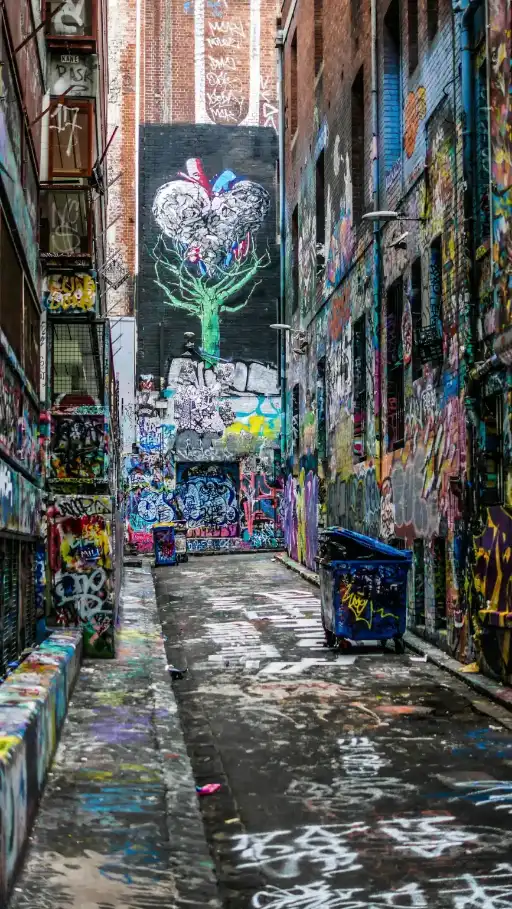
Getting around: trams are free in the central city zone, and the center is walkable, with laneways full of street art that children enjoy spotting.
Where not to go (yet)
Not every Australian icon suits young children.
Uluru and the Red Centre. Deeply sacred to the Anangu people, Uluru is spectacular, but the heat, long distances and early starts are hard on small kids. Climbing has been permanently closed. Many families save the Red Centre for when children are older.
Darwin and Kakadu. Stunning landscapes, but intense humidity, crocodile risks around water, and long drives make it more challenging with little ones.
Byron Bay in peak season. Crowded and expensive at busy times; shoulder seasons are much calmer.
Long outback road trips. Magnificent, but better suited to older kids who can handle long days in the car.
Essential Australia family travel tips
Respect the sun. Australia’s UV levels are very high, even on cloudy days. Hats, UV clothing, sunscreen and shade breaks are essential, especially in the middle of the day.
Swim between the flags. On patrolled beaches, always swim between the red-and-yellow flags and watch for rip currents.
Do not feed wild animals. Feeding can make kangaroos, birds and other animals sick or aggressive. Choose sanctuaries that follow strict welfare rules.
Book car seats early. Australian law requires approved child restraints, and rental companies can run out in busy periods.
Plan for distances. Flights between regions save days of driving. Build in rest afternoons so children can recover from jet lag and heat.
Watch out for school holidays. Australian school holidays bring higher prices and fuller accommodation. Check the dates for the state you are visiting.
Common mistakes to avoid
Trying to see too much. Flying across the country every two days is exhausting. Two or three regions are plenty for a first family trip.
Overpacking the days. Scheduling several big activities in one day in the tropical heat leads to tired, sunburned children. Plan one main activity per day.
Underestimating ferry and road times. Boat crossings and rural drives often take longer than expected. Pack snacks, water and motion-sickness remedies.
Forgetting stinger season in the north. Check local conditions and swim only where it is safe.
Traveling through Australia with kids: a note on culture
Aboriginal and Torres Strait Islander peoples have lived in Australia for tens of thousands of years, and their cultures are among the oldest continuous cultures on Earth. Traveling with children is a good opportunity to learn about this history.
Look for Indigenous-led tours and cultural centers, which are available in many regions, from Sydney Harbour to the rainforests of Queensland and the Red Centre. Buy art from community-owned art centers rather than mass-produced souvenir shops, and teach kids why some places are sacred and should not be climbed or photographed.
Questions parents ask
What’s the best age to visit Australia with kids?
Around 5 to 12 is ideal: children can handle long flights and drives and enjoy the wildlife. Toddlers do well in Sydney and Melbourne, while remote regions suit older kids and teens.
How long should we spend in Australia with children?
At least two weeks if you are flying from North America or Europe; three weeks is more comfortable. Choose two or three regions rather than trying to see the whole country.
Is Australia expensive for families?
Accommodation, eating out and tours can be expensive, but many highlights are free or low cost: beaches, botanic gardens, national park walks, playgrounds and free penguin viewing in St Kilda.
Do we need a car to travel Australia with kids?
Not in Sydney or Melbourne, where public transport is good. For Kangaroo Island, the Gold Coast hinterland and most rural areas, a car is essential.
What should I pack for Australia with kids?
Sun protection (hats, UV clothing, sunscreen), sturdy shoes, light layers, reusable water bottles, swim gear and, for the tropical north, stinger suits for reef trips.
Are Australian wildlife encounters ethical?
The reputable ones are. Look for sanctuaries accredited by the Zoo and Aquarium Association (ZAA) and those with clear welfare policies. Avoid places that encourage handling animals for photos.
Choosing your family route
The best places to visit in Australia with kids are the ones that match your children’s ages and energy. Combine one city, one wildlife region and one beach or reef base, travel slowly, and protect everyone from the sun. That simple formula makes a long trip down under easier, and leaves room for the moments children remember: the first wild kangaroo, a sea lion pup on the sand, and a penguin waddling home at dusk.
If you are planning another family adventure, our South Korea with kids guide covers a very different kind of trip.