Eat
When travelers ask, “what to eat in Costa Rica?”, they often hear “gallo pinto.” But Costa Rican cuisine is far richer — a quiet celebration of fresh ingredients, regional diversity, and farm-to-table simplicity. Known as comida casera (home cooking), it’s humble, nourishing, and deeply tied to the land. This guide reveals what locals truly eat — from Caribbean coconut stews to highland corn tamales — and how to experience Costa Rica’s food culture like a conscious traveler.
Costa Rica isn’t just a destination for adventure seekers — it’s a paradise for food lovers. With its volcanic soil, tropical climate, and rich biodiversity, the country produces some of the world’s most vibrant produce, from sweetest mangoes to perfectly ripe avocados. And unlike many tourist destinations where food is merely a backdrop, in Costa Rica, the food is the attraction.
The daily plate: Casado and Comida Casera
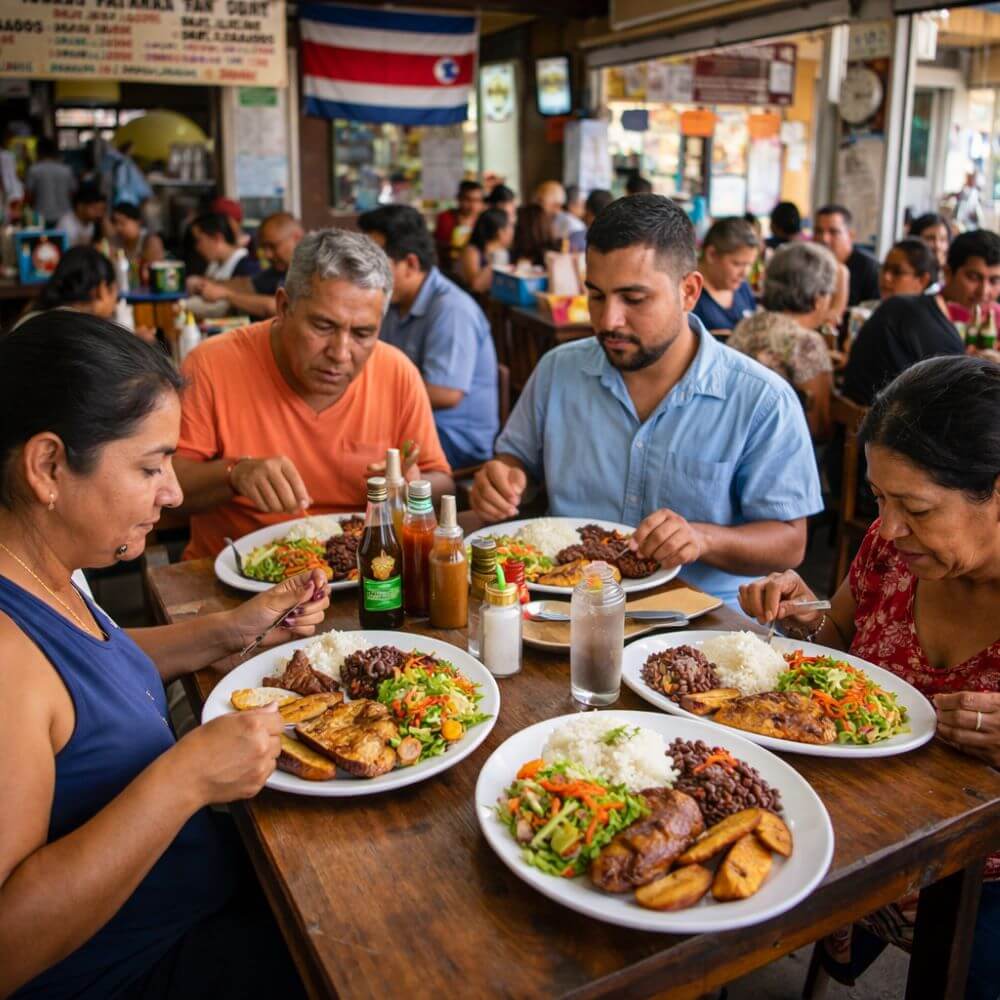
The backbone of Costa Rican food is the casado — a plate that includes:
- White rice
- Black or red beans
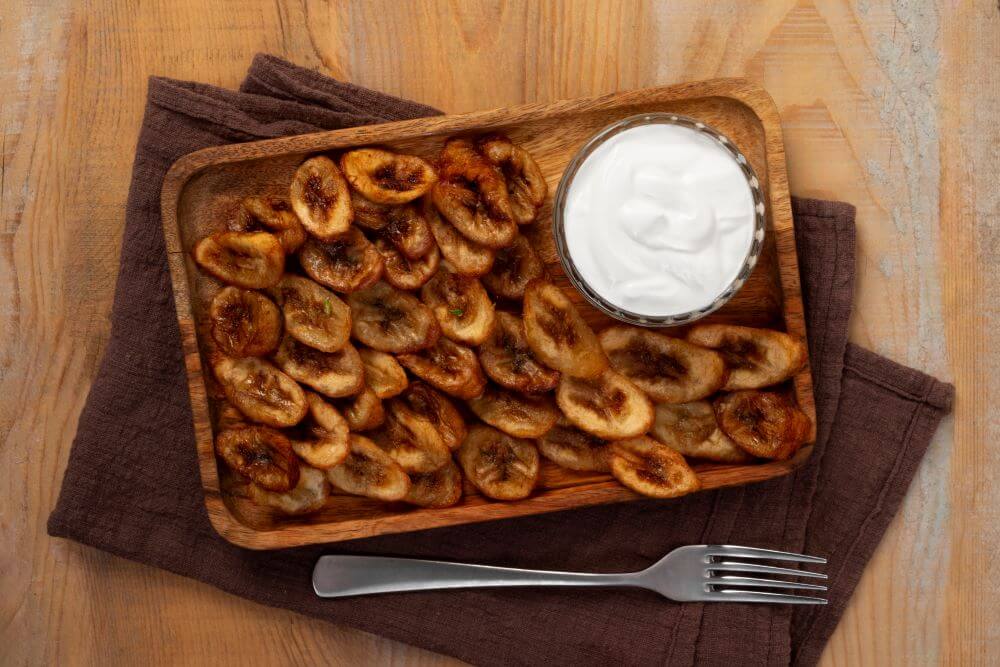
- Fried sweet plantains (plátanos maduros)
- Simple salad (cabbage, tomato, cucumber)
- A protein: grilled chicken, fish, or beef
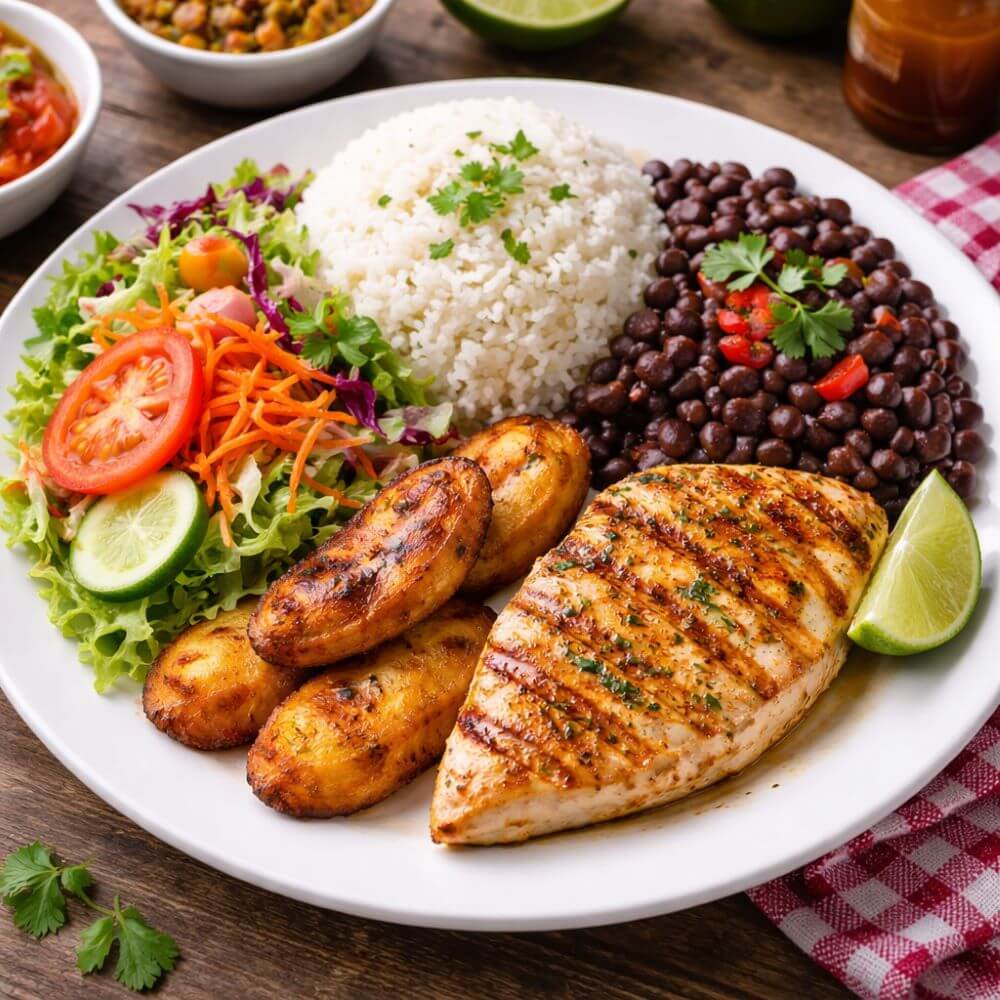
Served in local eateries called sodas, it costs $4–6 and reflects the Tico value of pura vida — simple, good living. No heavy sauces, no excess. Just fresh, seasonal food.
But casado is just the beginning. In Costa Rican homes, comida casera is more than a meal — it’s a philosophy. Meals are prepared with care, using ingredients grown in the family garden or purchased from the local market. The rhythm of life follows the harvest: mango season, pineapple season, coffee harvest — each brings its own culinary traditions.
Pro tip: When ordering casado, ask for “con todo” to get the full experience — with extra plantains and a side of salsa (chili sauce). The best sodas are those filled with locals at lunchtime — if it’s empty, keep walking.
Regional specialties: Food varies by coast and climate
Costa Rica’s diverse geography creates dramatically different food cultures across the country. From the Caribbean coast to the Pacific, each region has its own culinary identity.
Caribbean coast (Puerto Viejo, Cahuita)
Influenced by Afro-Caribbean culture, this region uses:
- Coconut milk in rice and beans (rice and beans — not “gallo pinto”)
- Spices: ginger, allspice, thyme
- Seafood: snapper, lobster, conch
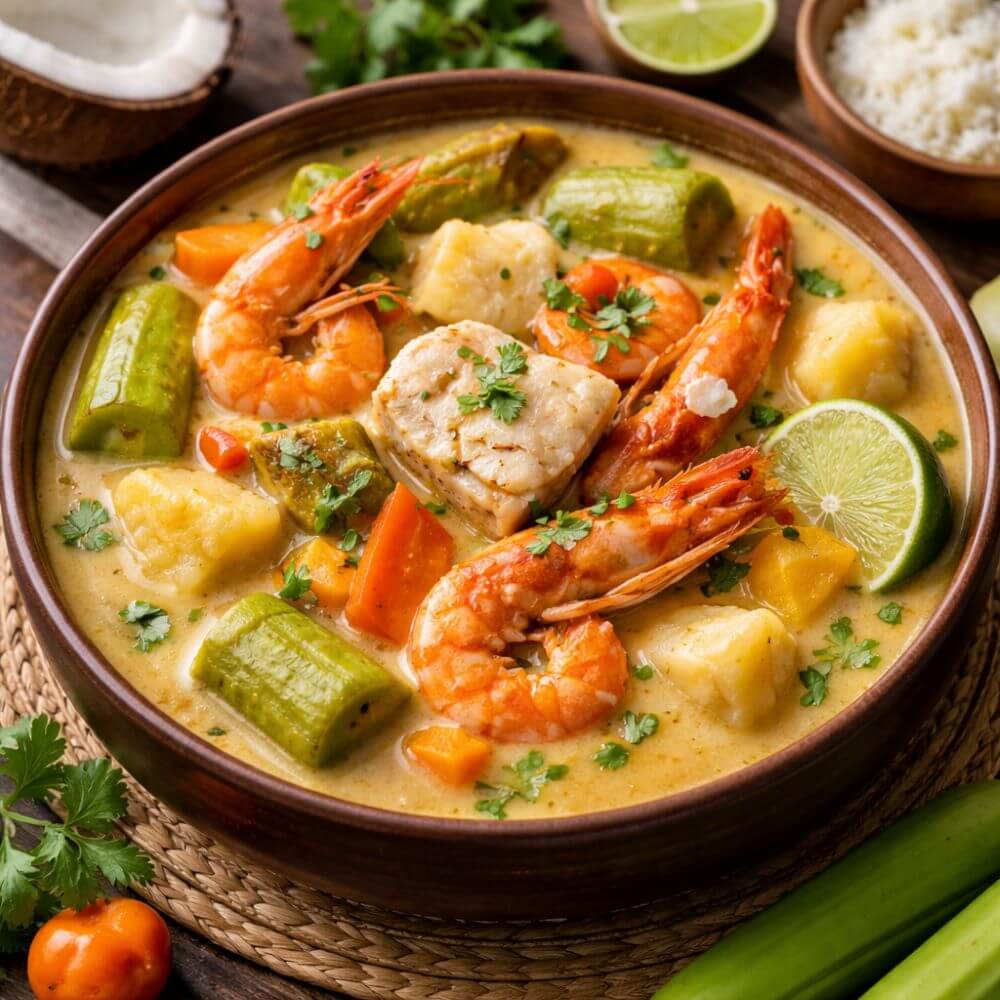
Must-try: Rondón — a fragrant seafood stew with yuca, plantains, and coconut milk. Unlike the Pacific, where fish is often grilled, Caribbean cooking embraces slow simmering, allowing flavors to meld over hours.
Pacific coast (Guanacaste, Nicoya)
Dry climate = cattle country. Expect:
- Grilled meats (carne asada)
- Corn tortillas (not flour)
- Local cheese (queso palmito)
Don’t miss: Olla de carne — a hearty beef and vegetable soup, slow-simmered for hours. This is the ultimate comfort food of the Pacific, often served with fresh corn tortillas and salsa. In the dry season (December to April), when water is scarce, olla de carne becomes a lifeline — nourishing, hydrating, and deeply satisfying.
Central highlands (San José, Cartago)
Cooler weather favors heartier dishes:
- Tamales wrapped in banana leaves (especially at Christmas)
- Chifrijo — a bar snack of rice, beans, chicharrón, and pico de gallo
- Arroz con leche — creamy rice pudding with cinnamon
The highlands are also home to gallo pinto, Costa Rica’s unofficial national dish. Made with rice, black beans, and salsa (a specific blend of peppers, onions, and herbs), it’s traditionally served for breakfast but eaten throughout the day.
Cultural Note: In the highlands, gallo pinto is more than food — it’s identity. When Ticos say “I’m from Costa Rica,” they often add “and I eat gallo pinto.”
Farm-to-table: Costa Rica’s eco-food movement
Costa Rica leads Latin America in organic farming. The country’s commitment to sustainability has created a vibrant farm-to-table movement that’s reshaping how both locals and tourists eat.
Where to Experience It:
- Organic Markets in San José: Feria Verde (Green Market) offers organic produce, artisanal cheeses, and prepared foods from local farmers. Visit on Wednesday or Saturday mornings.
- Farm Stays: In Monteverde or Atenas, many farms offer cooking classes where you learn to make gallo pinto with ingredients you’ve harvested yourself.
- Agro-Tourism Tours: Visit coffee, cacao, or pineapple farms that double as educational experiences. At Finca La Leona near Atenas, you can pick your own fruits and vegetables for a cooking class.
Many sodas now source from local gardens. Ask: “¿Es de la finca?” (“Is it from the farm?”) — you’ll often get a proud “¡Sí!” This farm-to-table ethos isn’t just marketing — it’s a way of life that connects food, community, and environment.
Pro Tip: In the Central Valley, look for comida de la finca (farm food) — meals made with ingredients grown on-site. It’s often the most authentic and delicious experience. For more on sustainable food journeys, explore our guide to dining across the Americas, where farm-to-table traditions meet cultural respect.
Is Costa Rican food vegan or vegetarian friendly?
Yes — and with the right phrasing, you’ll find abundant options. Costa Rica’s tropical climate and agricultural abundance make it surprisingly vegetarian-friendly, with many dishes naturally plant-based. While meat is common in traditional cuisine, the country’s farm-to-table culture means fresh produce is always in season — and many local chefs are happy to adapt dishes.
How to Order Vegan/Vegetarian Food? Costa Rican restaurants are generally accommodating, but you’ll need to be specific. Use these essential phrases:
“Sin carne, sin queso, sin caldo de pollo”
(“No meat, no cheese, no chicken broth”) — the most important phrase for fully vegan meals
“¿Tiene opciones veganas?”
(“Do you have vegan options?”)
“¿Es esto apto para vegetarianos?”
(“Is this suitable for vegetarians?”)
“¿Puedo pedir el casado vegetariano?”
(“Can I order the vegetarian casado?”)
Pro tip: Many dishes include hidden animal products (like chicken broth in rice), so always specify “sin caldo de pollo” (no chicken broth).
Vegan Hotspots:
Soda Y Restaurante Vegano La Morita (San José): Family-run spot offering vegan casado with seitan or tempeh, plus traditional dishes with plant-based twists.
El Jardín de la Abuela (Tamarindo): 100% vegan restaurant with Costa Rican flavors and Caribbean influences.
Café de la Cosecha (Puerto Viejo): Farm-to-table café with Caribbean-inspired vegan dishes like jackfruit “fish” tacos.
Soda La Casona (San José): Many traditional sodas now offer vegan options — just ask for “casado vegetariano” and confirm “sin caldo de pollo”.
Costa Rica’s plant-based cuisine is surprisingly diverse — from tortillas de maíz (corn tortillas) to sopa de calabaza (pumpkin soup) — all made with ingredients that thrive in the tropical climate.
Street food & snacks: local favorites — What to eat in Costa Rica between meals
Costa Rican street food is more than just quick bites — it’s where culinary traditions come alive. These humble snacks tell the story of comida casera in its most accessible form, offering a glimpse into daily life and local flavors. When wondering what to eat in Costa Rica beyond sit-down restaurants, street food is your answer.
Must-try street foods
- Chorreadas: Sweet corn pancakes, often served with cheese or salsa. Best eaten hot from the griddle at morning markets.
- Empanadas: Fried masa pockets with beans or cheese. Look for empanadas de queso (cheese empanadas) — they’re the most authentic.
- Agua dulce: Hot drink of panela (unrefined cane sugar) and water. Served in markets, it’s the perfect antidote to Costa Rica’s heat.
- Refrescos naturales: Fresh fruit juices with water (not sugary “sodas”). Made with seasonal fruits like mora (blackberry), guayaba (guava), and maracuyá (passion fruit).
- Pupusas: Though originally from El Salvador, they’ve become popular in Costa Rica, especially in border regions.
Where to find authentic street food
- Morning markets: In San José’s Mercado Central, you’ll find chorreadas and empanadas being made fresh.
- Beach towns: In Tamarindo, refrescos naturales stalls line the streets, offering freshly squeezed juices.
- Bus stops: The best agua dulce is often sold by vendors at bus stops, especially in rural areas.
Where to eat in Costa Rica like a local: Finding authentic food
To truly experience Costa Rican food, you need to eat where locals eat. Forget the tourist traps — here’s how to find authentic dining and discover what to eat in Costa Rica like a Tico.
Sodas: the heart of Costa Rican dining
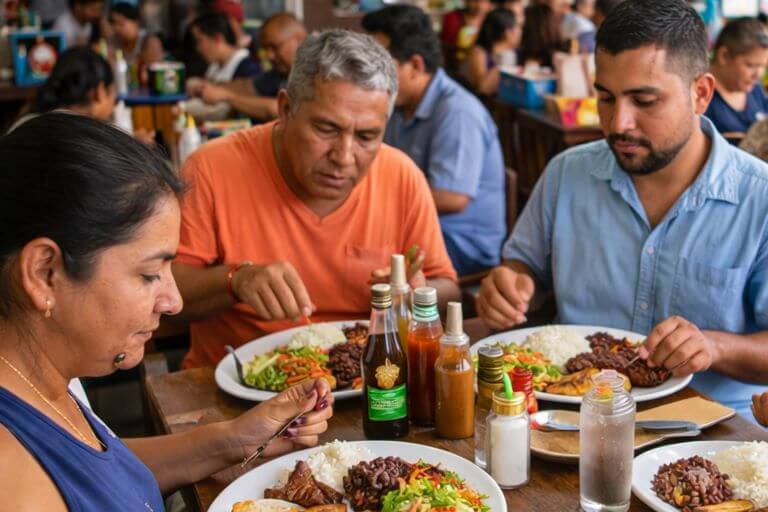
Sodas are family-run diners with plastic chairs and huge portions. They’re the culinary soul of Costa Rica. Look for ones filled with locals at lunch — the more crowded, the better the food.
How to identify a great soda:
- The menu is handwritten on a chalkboard
- Locals are eating there (not tourists)
- It’s not on the main tourist street
- The owner greets you with a warm “¡Hola!”
Markets: a feast for the senses
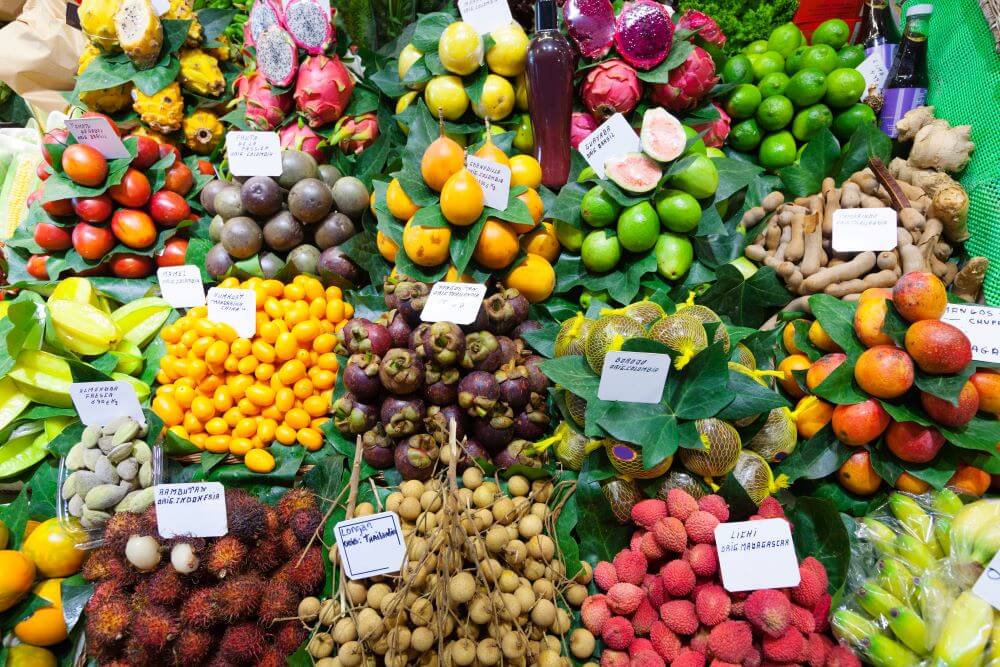
Costa Rican markets are not just places to shop — they’re culinary destinations. Visit Mercado Central (San José) early morning for the freshest produce, or Feria del Marisco (Puntarenas) for seafood ceviche made with the day’s catch.
Pro tip: In markets, look for stalls with long lines — they’re usually the best. And don’t be afraid to point and ask “¿Cuánto?” (“How much?”) — locals appreciate the effort.
Community fiestas: the ultimate food experience
Town festivals (fiestas) are when Costa Rican food culture shines brightest. Held year-round (especially around Christmas), they feature:
- Massive pots of olla de carne
- Tamales wrapped in banana leaves
- Chorreadas and empanadas sold by the dozen
- Refrescos naturales in every flavor imaginable
When to go: Check local bulletin boards for festival dates. Many towns have annual festivals celebrating their founding or a local saint.
What to expect: Food is served family-style, often with communal tables. Bring cash — most vendors don’t accept cards.
Safety, cost & practical tips for what to eat in Costa Rica
Water safety
- Tap water is generally safe to drink in most urban areas, but many locals prefer bottled water
- Avoid ice in drinks at tourist restaurants (it’s often made from tap water)
- Bottled water is cheap and widely available (look for Agua brands)
Food safety tips
- Eat where locals eat — if a soda is crowded with Ticos, it’s safe
- Avoid undercooked meat — especially in rural areas
- Wash fruits before eating (most restaurants do this for you)
- Be cautious with street food — stick to vendors with high turnover
Important note: Food poisoning is rare in Costa Rica, but if you experience symptoms, visit a local clinic (not a hospital). Many clinics have English-speaking staff.
Cost of eating in Costa Rica
Costa Rica is affordable for food lovers — but costs vary by location and type of restaurant.
Budget breakdown (per person):
- Street food: $2–4
- Local sodas: $4–8
- Mid-range restaurants: $10–15
- High-end restaurants: $25–40
Money-saving tips:
- Eat lunch at sodas — it’s often cheaper than dinner
- Avoid tourist zones — walk 2 blocks inland for better prices
- Shop at markets — buy fresh fruit for breakfast
- Drink agua dulce instead of bottled water (it’s cheaper and tastes better)
Real example: In San José, a full casado with rice, beans, plantains, salad, and chicken costs $6 at a local soda, but $12 at a tourist restaurant just two blocks away.
Costa Rican food: simple, fresh, alive
So, what to eat in Costa Rica? Not just gallo pinto — but a whole philosophy of eating. It’s about balance, freshness, and respect for the land that feeds you. In a world of fast food, Costa Rica offers something rare: a cuisine that whispers, not shouts. And in that whisper, you’ll find pura vida.
Explore more Americas travel guides for culturally rich, sustainable journeys across North and Central America.