
Why Budget Travel Matters
You don’t need a fortune to see the world. Budget travel is one of the smartest ways to explore new countries, connect with local cultures, and create unforgettable memories—without draining your bank account.
Contrary to popular belief, traveling on a budget doesn’t mean sacrificing comfort or missing out. In fact, it often leads to richer, more authentic experiences. Whether you’re a solo backpacker, a digital nomad, or a family planning an affordable vacation, learning how to save money while traveling opens the door to more adventures, more often.
In this comprehensive guide, we’ll share practical, field-tested strategies to help you travel the world on a budget—from scoring cheap flights to finding free things to do in any destination.
How to Find Cheap Flights
Finding affordable airfare is the first step to successful budget travel. Here’s how to do it right:
Use Flight Comparison Websites
Tools like Skyscanner, Google Flights, Kayak, and Momondo scan hundreds of airlines to show you the best deals. Use their “cheapest month” or “whole month” view to spot low-fare windows you might otherwise miss.
Be Flexible With Your Travel Dates
Flying midweek (Tuesday or Wednesday) is usually cheaper than weekends. Early morning or red-eye flights also tend to cost less. Even shifting your departure by one day can save you $100–$300 on international routes.
Search Nearby Airports
Don’t just check your home city’s main airport. Smaller or regional airports often have lower fares thanks to budget carriers like Ryanair, EasyJet, or Spirit. A short train or bus ride could save you big.
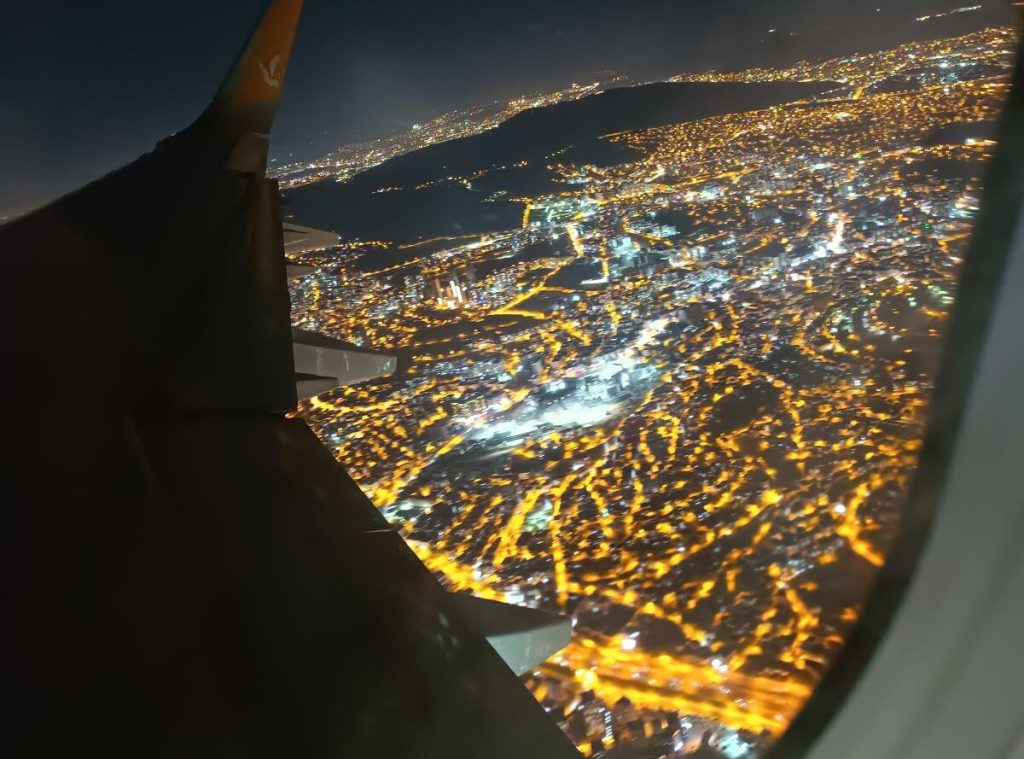
Affordable Accommodation Options for Budget Travelers
Where you stay has a huge impact on your travel budget. Consider these wallet-friendly choices:
Hostels and Guesthouses
Modern hostels aren’t just for backpackers—they offer clean, safe, and social stays at a fraction of hotel prices. Many now feature private rooms, en-suite bathrooms, and free breakfast.
Couchsurfing and Homestays
Platforms like Couchsurfing connect travelers with locals offering free lodging. It’s a fantastic way to immerse yourself in local culture while saving money. For a small fee, homestays (via Airbnb or local networks) provide meals and insider tips.
Budget Hotels and Airbnb
For couples or families, budget hotels and entire Airbnb apartments offer privacy and kitchen access—key for cutting food costs. Pro tip: Book early or look for last-minute discounts during off-peak seasons.
Eating Well on a Budget Travel Trip
Food is a highlight of any trip—but it doesn’t have to break the bank.
Eat Street Food
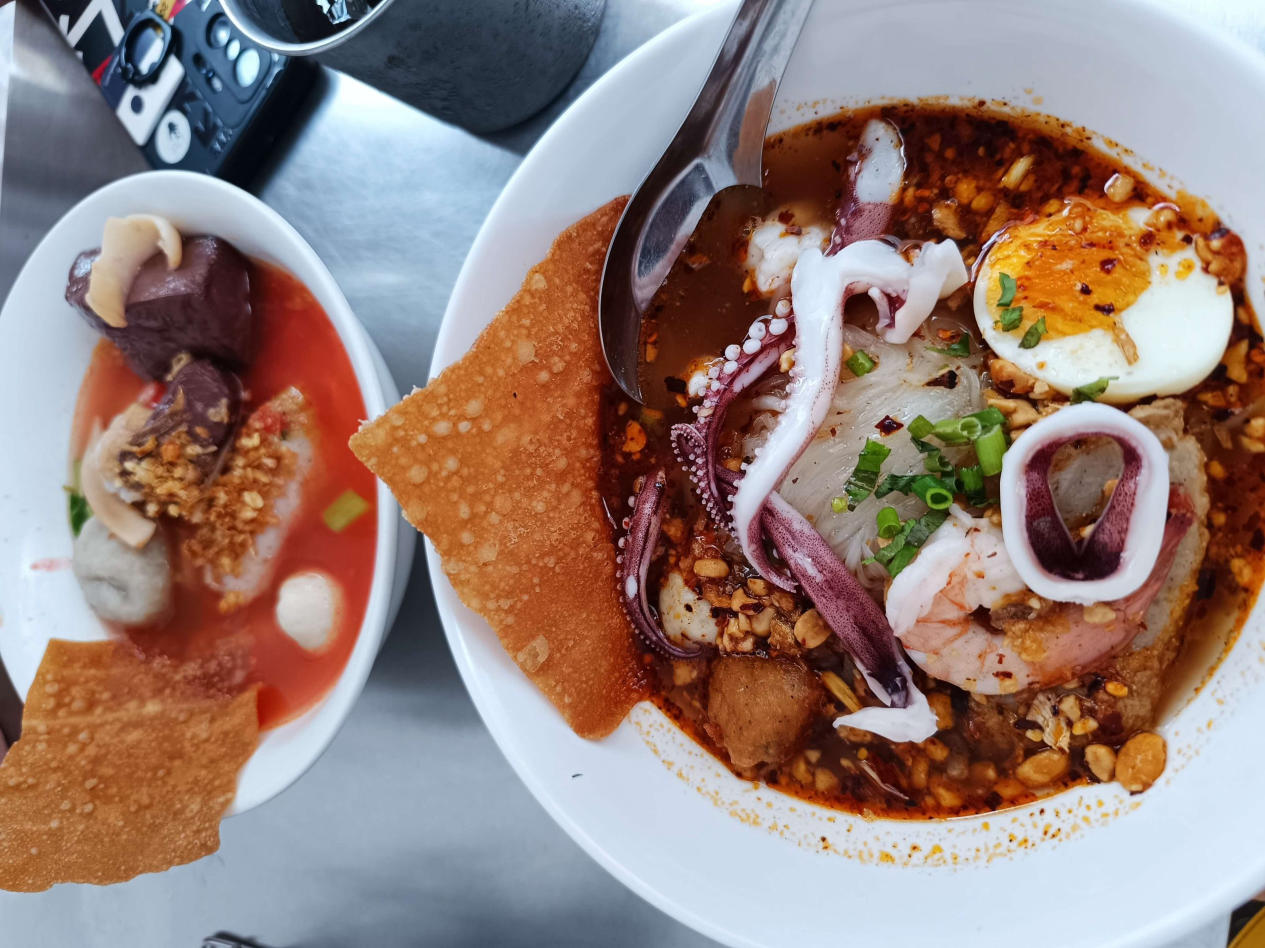
Some of the world’s best meals are sold on the street. In Thailand, Vietnam, Mexico, and Turkey, you can enjoy delicious, safe, and authentic dishes for $1–$3. Look for busy stalls with high turnover—freshness is guaranteed.
Shop at Local Markets
Visit farmers’ markets or neighborhood grocers to buy fresh fruit, bread, cheese, and ready-to-eat meals. It’s cheaper than restaurants and gives you a taste of daily local life.
Cook Your Own Meals
If your accommodation has a kitchen, prepare at least one meal a day. Even simple pasta or rice dishes add up to major savings over a week-long trip.
Getting Around Cheaply in Any Destination
Transportation can eat into your budget fast—unless you plan smart.
Use Public Transportation
Buses, metros, and trams are not only affordable but often faster than taxis in big cities. Look for tourist travel cards or daily passes that offer unlimited rides at a discount.
Walk or Rent a Bike
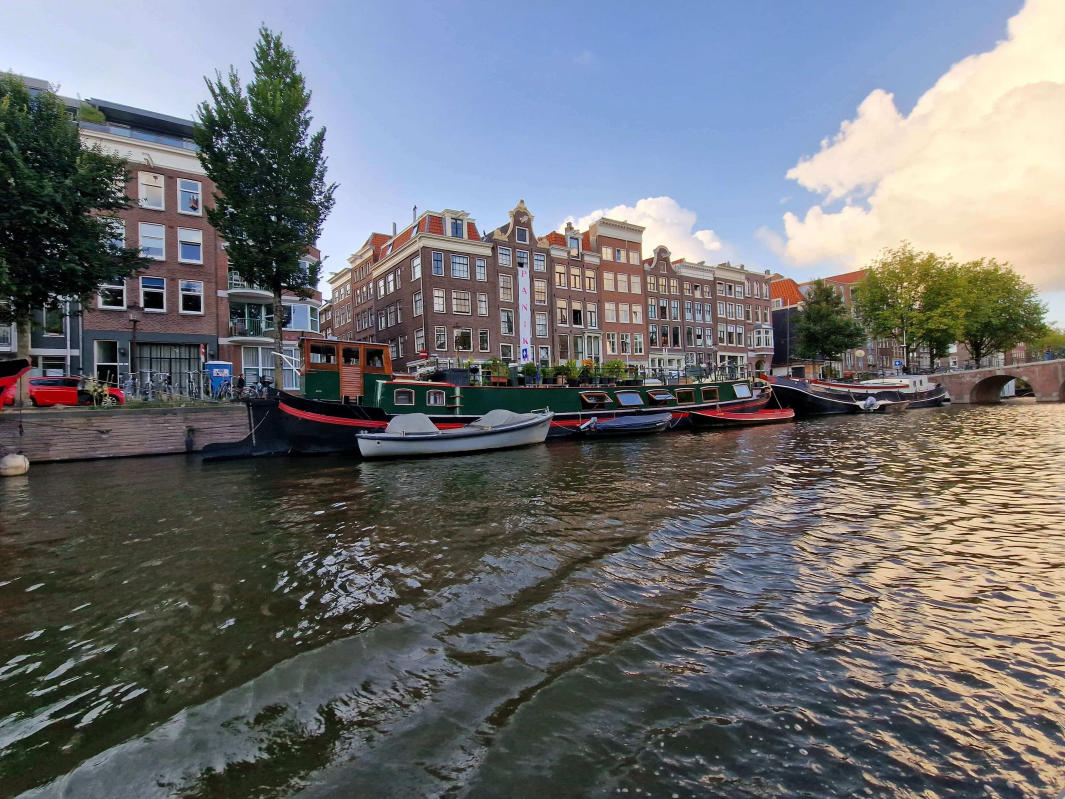
Walking is free—and the best way to stumble upon hidden alleys, local cafes, and quiet parks. In bike-friendly cities like Amsterdam or Copenhagen, bike rentals cost as little as $10/day.
Take Budget Airlines or Overnight Transport
In Europe, Southeast Asia, and South America, budget airlines (e.g., Wizz Air, AirAsia) offer flights for under $50. Overnight buses or trains save you a night’s accommodation while moving you to your next stop.
Free and Low-Cost Activities for Budget Travelers
You don’t need to spend money to have fun. Some of the best travel experiences are free:
✔ Free walking tours – Offered in most major cities (tip-based; pay what you can)
✔ Public parks, beaches, and hiking trails – Nature is always free
✔ Museums with free admission days – Many offer free entry once a week or month (e.g., Louvre on first Sundays)
✔ Local festivals and street performances – Check community boards or tourism websites
Pro tip: Search “[City Name] free things to do” before you go!
Top Money-Saving Travel Hacks for Budget Travel
Maximize your budget travel experience with these expert tips:
- Use a travel rewards credit card to earn points on flights and hotels
- Pack light—fly with only a carry-on to avoid checked baggage fees
- Book in advance for early-bird discounts, or wait for last-minute deals if you’re flexible
- Carry a reusable water bottle—many airports and cities have free refill stations
- Download offline maps (Google Maps or Maps.me) to avoid roaming charges
Stay Safe and Comfortable While Traveling on a Budget
Budget ≠ risky. Smart travelers prioritize safety without overspending:
- Always read recent reviews on Booking.com, Hostelworld, or Airbnb
- Choose accommodations in well-lit, central neighborhoods
- Avoid listings with prices that seem too good to be true
- Never skip travel insurance—a medical emergency abroad can cost thousands
Remember: The goal of budget travel is freedom, not discomfort. Invest in peace of mind where it matters most.
Final Thoughts: Travel More, Spend Less
Budget travel isn’t about cutting corners—it’s about making smarter choices. By focusing your spending on what truly matters (experiences, connections, discovery), you’ll travel farther, stay longer, and return richer in stories—not debt.
With these strategies, you’re ready to explore Europe on $50 a day, backpack through Southeast Asia for weeks, or enjoy a family vacation without financial stress. The world is more accessible than you think—start planning your next adventure today!
Find out more interesting things here.