Turkey stretches across two continents, and few countries pack in so much: Byzantine domes and Ottoman mosques in Istanbul, fairy-tale rock landscapes in Cappadocia, Roman cities on the Aegean and turquoise bays on the Mediterranean. This Turkey travel guide covers the main regions, when to go, how to get around and what it costs, so you can plan a trip that fits your time and interests. I have traveled along Turkey’s Mediterranean coast around Antalya, and I keep coming back to it for the sea, the food and the hospitality.
Turkey at a glance
| Region | Best for | Days |
|---|---|---|
| Istanbul | History, food, bazaars, the Bosphorus | 3–4 |
| Cappadocia | Rock landscapes, balloons, cave hotels | 2–3 |
| Pamukkale and Hierapolis | Travertine terraces, Roman ruins | 1 |
| Ephesus and the Aegean | Ancient cities, coastal towns | 2 |
| Antalya and the Turquoise Coast | Beaches, old town, ancient sites | 3–5 |
| Southeast (Göbekli Tepe, Mardin) | Ancient history, few crowds | 3–4 |
Istanbul: where most trips begin
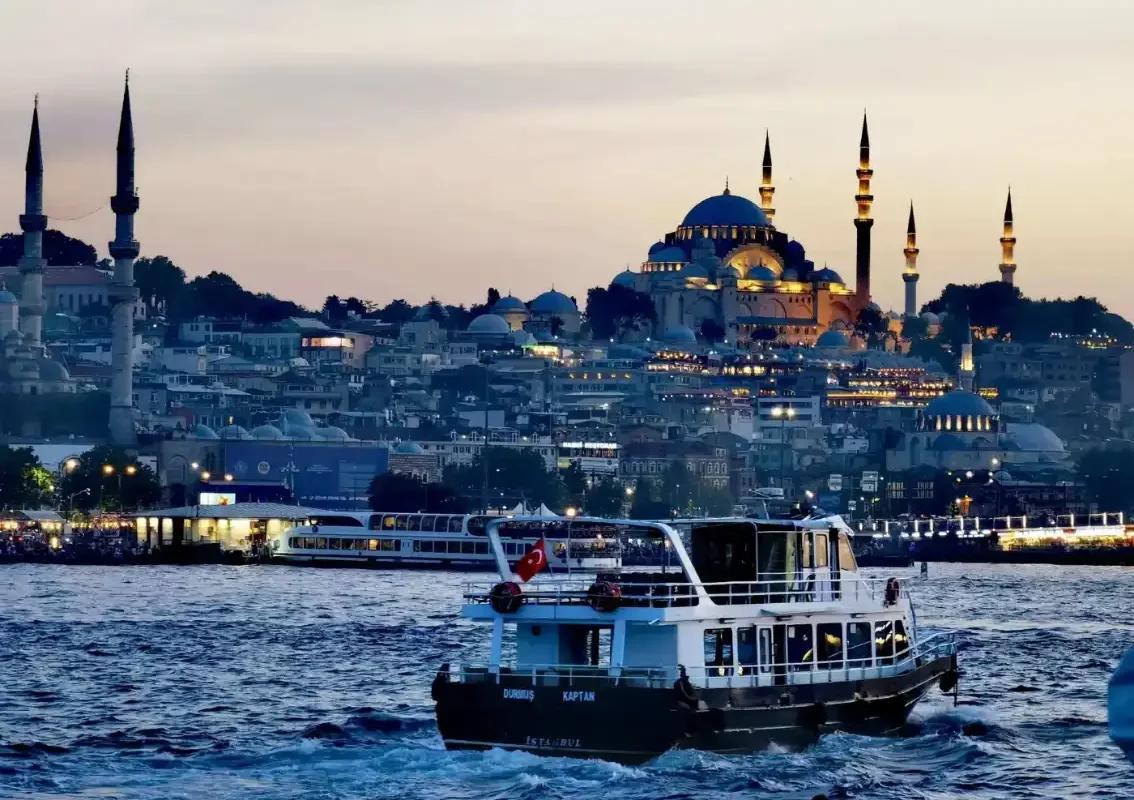
Istanbul is split by the Bosphorus Strait between Europe and Asia, and its skyline of domes and minarets is one of the most recognizable in the world. Spend at least three days here.
Hagia Sophia. Built in the 6th century as a church, later a mosque, then a museum and now a mosque again, it is one of the world’s great buildings. Visitors are welcome outside prayer times; dress modestly.
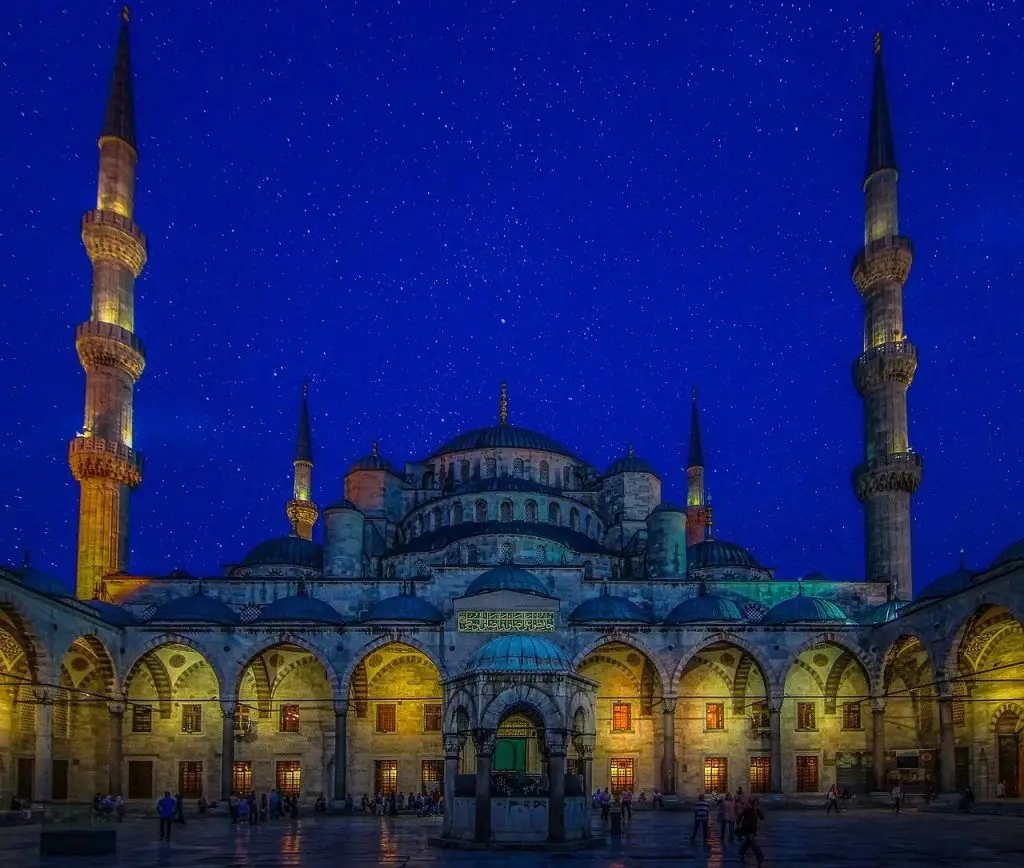
The Blue Mosque. Officially the Sultan Ahmed Mosque, known for its six minarets and blue Iznik tiles inside.
Topkapı Palace. The residence of Ottoman sultans for centuries, with courtyards, treasures and views over the water.
The Basilica Cistern. A vast underground water reservoir from the Byzantine era, supported by hundreds of columns.
A Bosphorus ferry. Public ferries cross between Europe and Asia for a small fare and offer one of the best views of the city.
One more thing you will notice everywhere in Istanbul: cats. They sleep in shop doorways, wait outside fish restaurants and are fed by the whole street. Here is why there are so many cats in Turkey and how locals look after them.
Grand Bazaar and Spice Bazaar
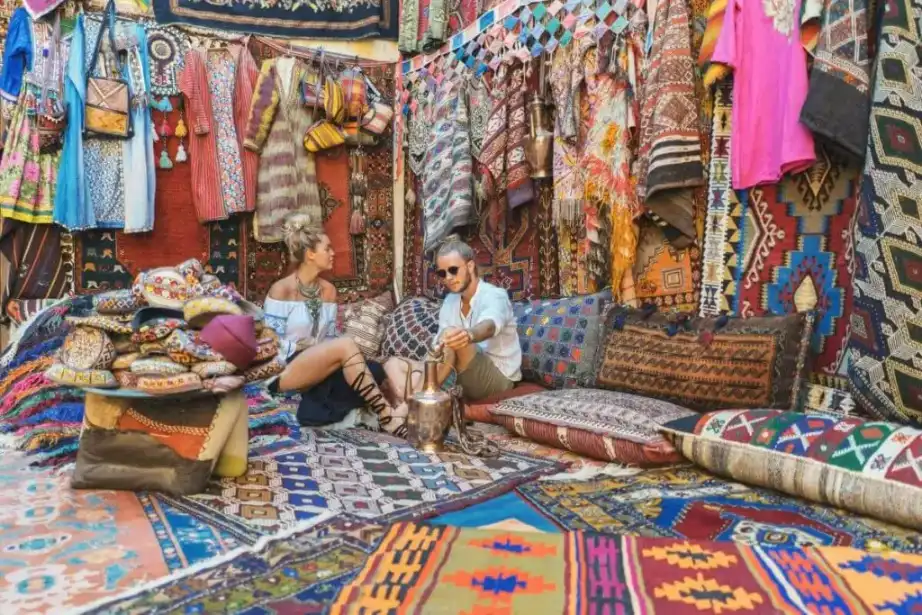
The Grand Bazaar is one of the oldest and largest covered markets in the world, with thousands of shops selling carpets, ceramics, lamps, jewelry and textiles. Nearby, the Spice Bazaar (also called the Egyptian Bazaar) is full of spices, dried fruit, nuts and Turkish delight.
Bargaining is expected in many shops. Take your time, accept the offer of tea, and walk away politely if the price is not right.
Cappadocia: the land of fairy chimneys
In central Anatolia, volcanic eruptions and erosion created a landscape of cone-shaped rock towers, called fairy chimneys, and valleys carved with caves. People lived in these rocks for centuries, and you can explore cave churches with frescoes at the Göreme Open-Air Museum and huge underground cities at Derinkuyu and Kaymaklı.
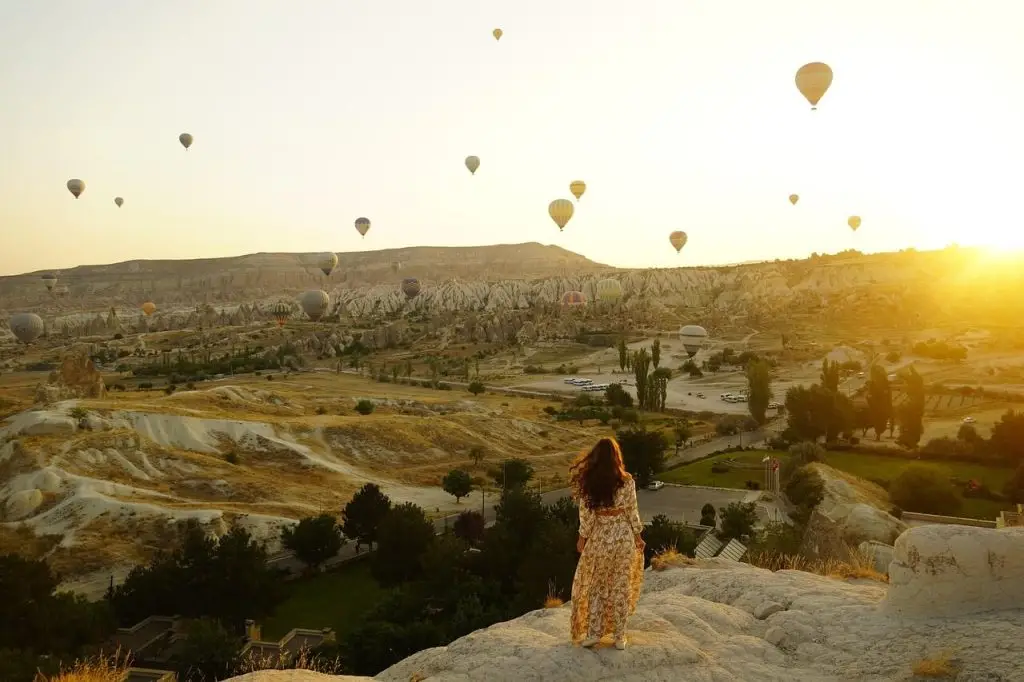
At sunrise, dozens of hot-air balloons rise over the valleys, one of the most famous sights in Turkey. Flights depend on the weather and are often canceled in strong wind, so leave some flexibility in your plans. Staying in a cave hotel and hiking through the Rose and Red valleys at sunset are highlights even without a balloon flight.
Pamukkale and Hierapolis
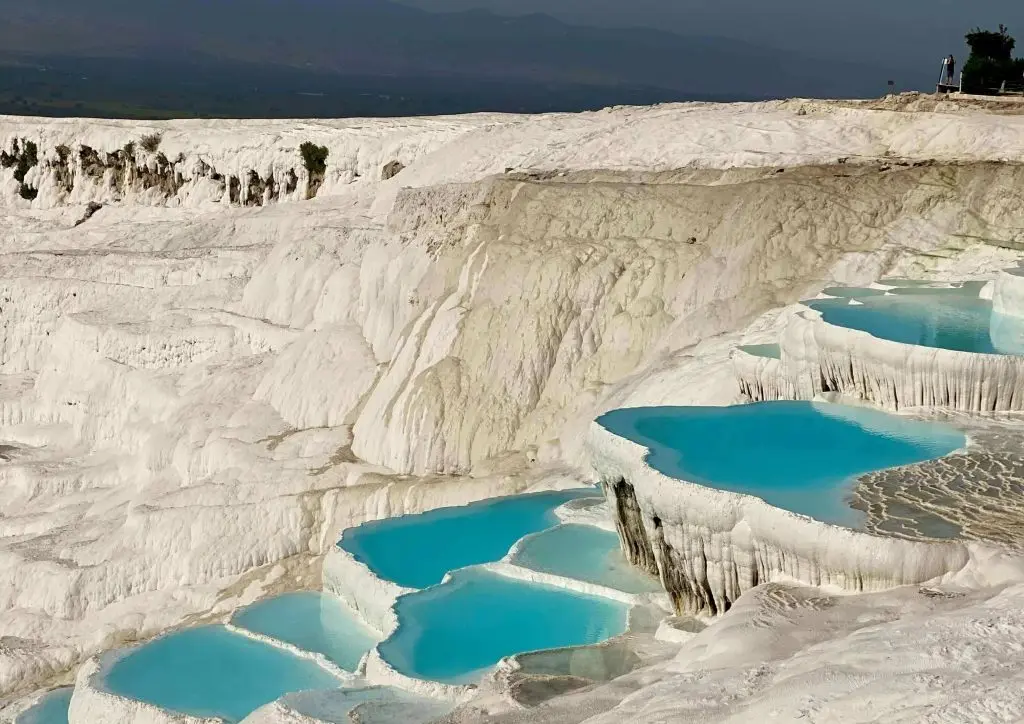
Pamukkale, “cotton castle” in Turkish, is a hillside of white travertine terraces formed by mineral-rich thermal water. Visitors walk barefoot on the terraces to protect them. Above, the ruins of the Roman spa city of Hierapolis include a theater, colonnaded streets and a large necropolis. Together, they are a UNESCO World Heritage Site.
Ephesus and the Aegean coast
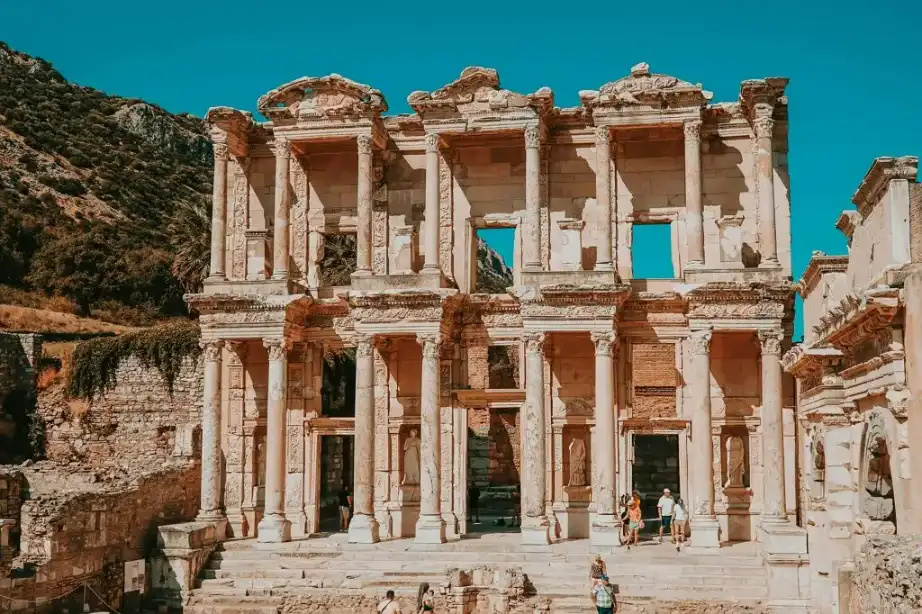
Ephesus, near the town of Selçuk, is one of the best-preserved ancient cities in the Mediterranean. Walk down Curetes Street to the Library of Celsus, with its two-story façade, and visit the Great Theater, which could hold around 25,000 people. Only a single column remains of the Temple of Artemis, once one of the Seven Wonders of the Ancient World.
The Aegean coast also has charming towns such as Şirince, a hillside village known for fruit wines, and resort areas like Bodrum.
Antalya and the Turquoise Coast
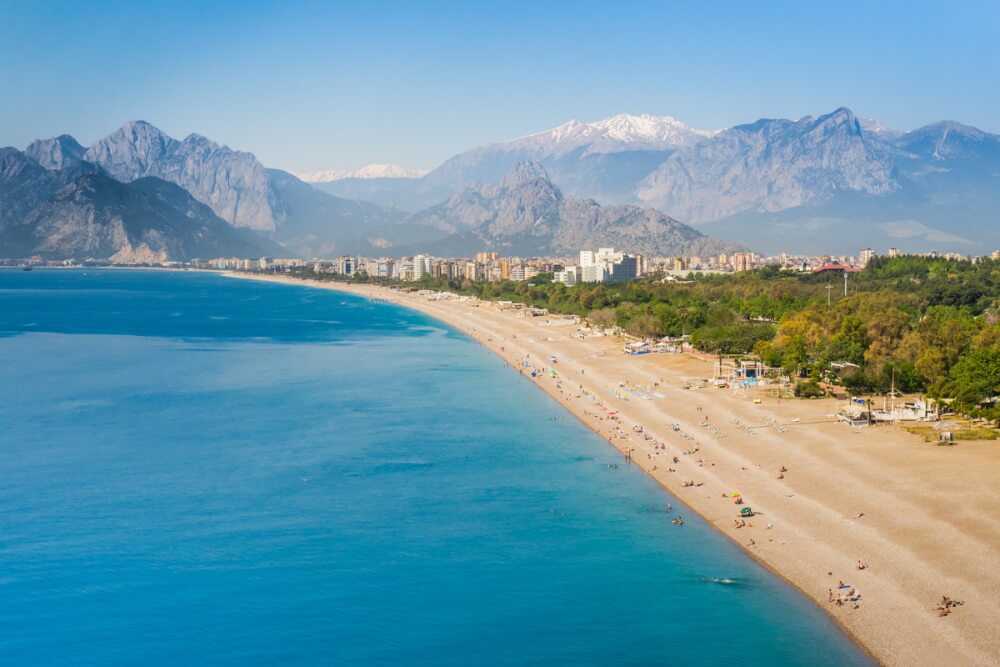
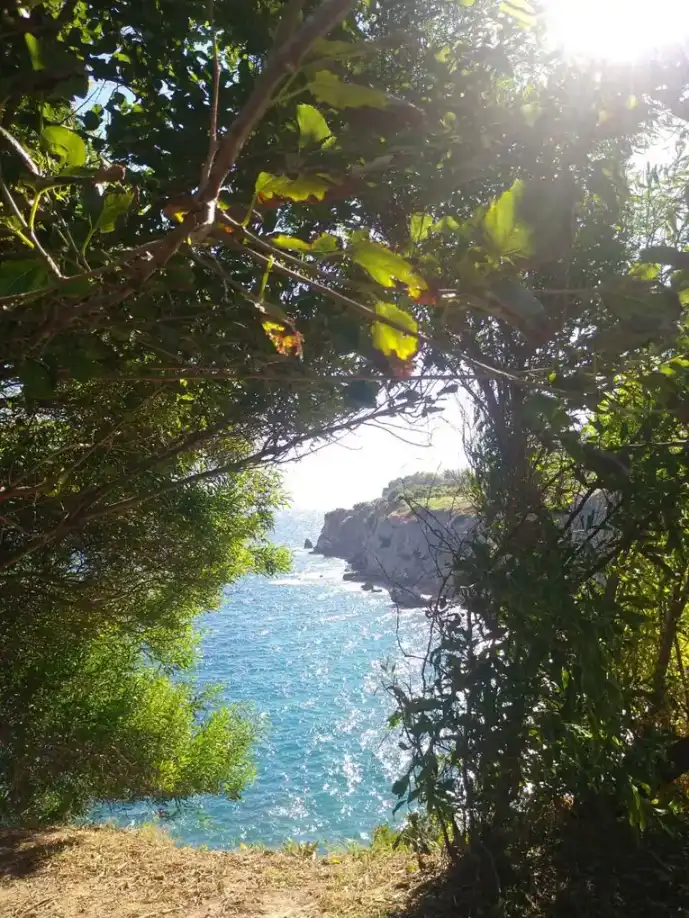
Turkey’s southern coast is where I fell in love with the country. Antalya combines a lively city, a historic old town called Kaleiçi with narrow lanes and an old harbor, and beaches with the Taurus Mountains rising behind them. In the evening, the sunset over the bay with the mountains in silhouette is a daily show.
Around Antalya, you can visit the Roman city of Perge, the remarkably preserved theater of Aspendos and waterfalls such as the Lower Düden Falls, which drop straight into the sea. Further west, the Lycian Way, a long-distance hiking trail of around 300 miles (about 500 km), follows the coast past ancient tombs, villages and beaches.
For families, the coast around Antalya is especially easy, with resorts that cater to children. Our guide to family-friendly resorts in Antalya covers the best options.
Cats in Turkey
One of the first things visitors notice is the cats: on mosque steps, in cafés and on every street corner. Turks care for street cats as a community, with food, water and small shelters everywhere. I wrote about why in my guide to cats in Turkey.
Göbekli Tepe and the southeast
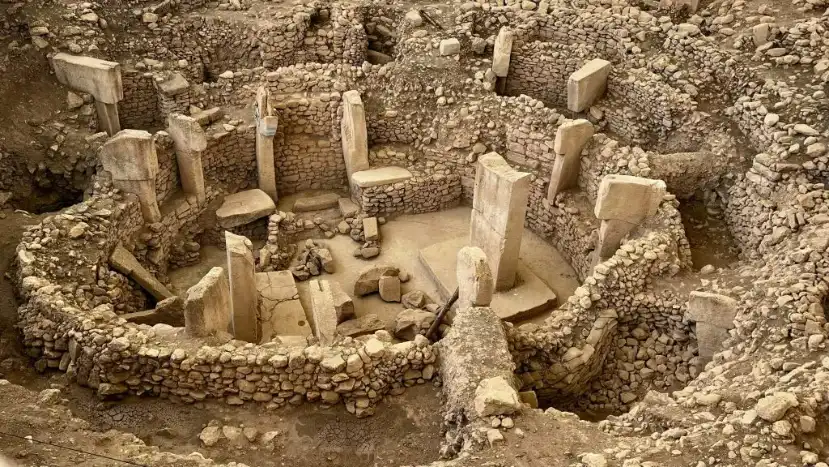
In southeastern Turkey, Göbekli Tepe is one of the most important archaeological sites in the world. Its massive carved stone pillars are over 11,000 years old, thousands of years older than Stonehenge. The nearby city of Şanlıurfa and the honey-colored stone town of Mardin make this region rewarding for history lovers, with far fewer tourists than the west.
Mount Ararat and the far east
In the far east, near the borders with Armenia and Iran, Mount Ararat rises to about 16,850 feet (5,137 m), and is linked in tradition with Noah’s Ark. The region is remote, with dramatic landscapes and historic sites. Check local conditions and travel advice before planning a trip to border areas.
Turkish cuisine
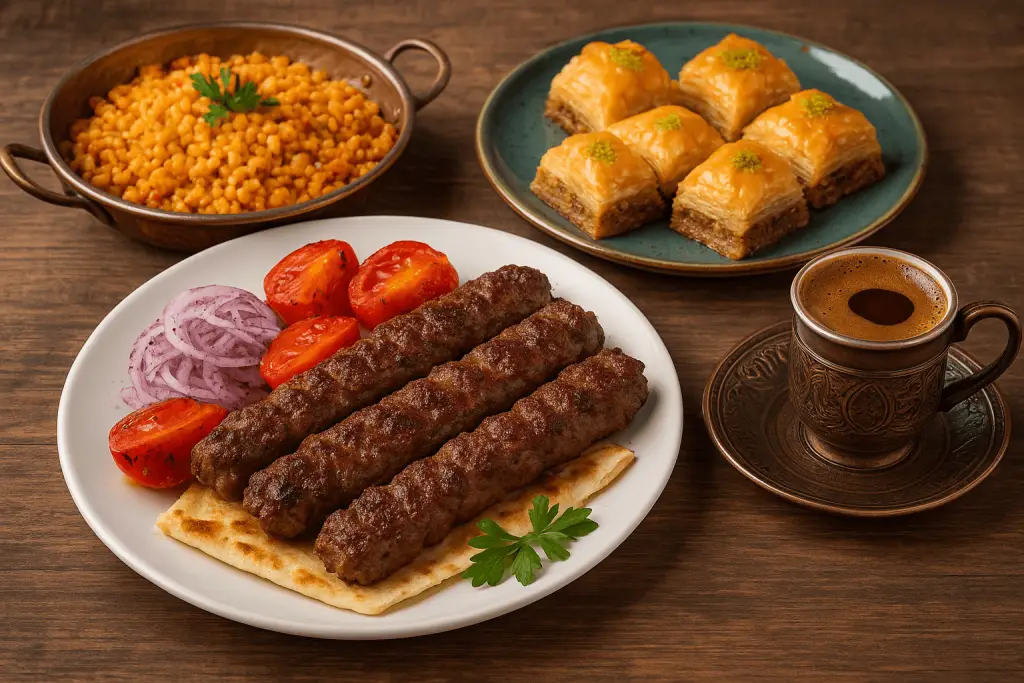
Turkish food is a highlight of any trip.
| Dish | What it is |
|---|---|
| Kebabs | Grilled meats, with regional styles such as Adana and those from Gaziantep |
| Meze | Small plates of dips, salads and vegetables in olive oil |
| Pide | Boat-shaped flatbread with toppings |
| Lahmacun | Thin flatbread with spiced minced meat |
| Börek | Flaky pastry with cheese, spinach or meat |
| Baklava | Layered pastry with pistachios and syrup |
| Turkish breakfast | Cheeses, olives, eggs, tomatoes, bread, honey and tea |
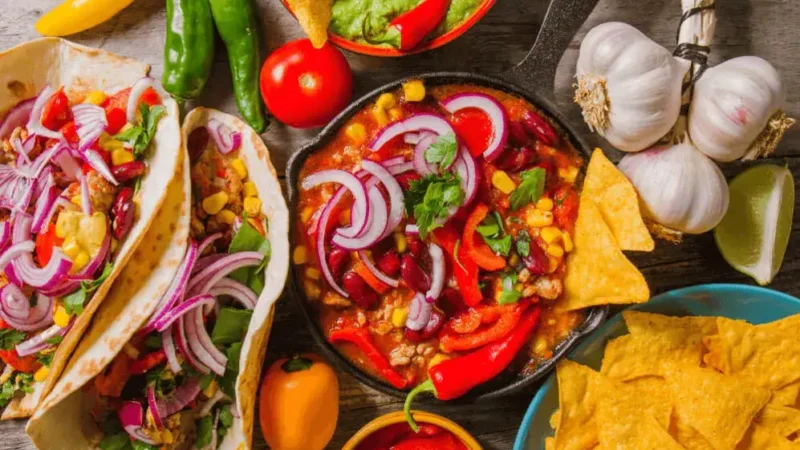
Tea (çay) is served everywhere in small tulip-shaped glasses, and Turkish coffee is strong, unfiltered and sometimes used for fortune-telling from the grounds.
When to visit Turkey
Spring (April to June) and fall (September to October) are ideal for sightseeing, with mild temperatures and fewer crowds.
Summer (July and August) is perfect for the beaches but very hot inland and busy at major sites.
Winter is quiet and good for Istanbul and Cappadocia, where snow on the fairy chimneys is beautiful, but some coastal resorts close.
Getting around Turkey
Domestic flights connect Istanbul with Cappadocia, Antalya, Izmir and the southeast, saving long journeys.
Intercity buses are comfortable and reach almost everywhere.
Trains link some major cities, including fast trains between Istanbul and Ankara.
Rental cars are useful for the coast and rural areas.
How much does a trip to Turkey cost?
Turkey is generally good value compared with Western Europe, especially for food, local transport and mid-range hotels. Prices for international visitors at major sites and in Istanbul have risen, and inflation means local prices change quickly. Check current rates while planning and budget a little extra. For more money-saving ideas, see our ultimate guide to budget travel.
A 10-day Turkey itinerary
| Days | Plan |
|---|---|
| 1–3 | Istanbul |
| 4–5 | Cappadocia (fly) |
| 6 | Pamukkale |
| 7 | Ephesus |
| 8–10 | Antalya and the coast |
With more time, add the Lycian Way, the Aegean coast or the southeast.
Practical tips
Entry. Rules for visitors depend on nationality and change from time to time; many travelers can enter visa-free or with an e-visa. Check official sources before you go.
Currency. Turkish lira. Cards are widely accepted in cities; carry cash for markets and small towns.
Dress. Cover shoulders and knees in mosques; women should bring a scarf for their hair.
Language. Turkish; English is common in tourist areas. Merhaba (hello) and teşekkürler (thank you) are appreciated.
Frequently asked questions
What is the best time to visit Turkey?
April to June and September to October offer the best balance of weather and crowds.
How many days do you need in Turkey?
Ten days is enough for Istanbul, Cappadocia, Pamukkale, Ephesus and the Mediterranean coast at a comfortable pace.
Is Turkey good for families?
Yes. Turks are very welcoming to children, and the resorts around Antalya are especially family-friendly.
Is Turkey expensive?
Generally good value, especially for food and local transport, although prices change quickly and major sites in Istanbul cost more.
What is Turkey famous for?
Istanbul’s mosques and bazaars, Cappadocia’s fairy chimneys and balloons, Pamukkale’s terraces, ancient cities like Ephesus, the Turquoise Coast and Turkish food.
Turkey awaits
Turkey rewards every kind of traveler, from history lovers and hikers to beach lovers and food fans. Use this Turkey travel guide to choose your regions, give Istanbul enough time, and leave a few slow days on the Turquoise Coast. If you are planning a longer trip in the region, neighboring Georgia is easy to combine; see our Georgia travel guide.