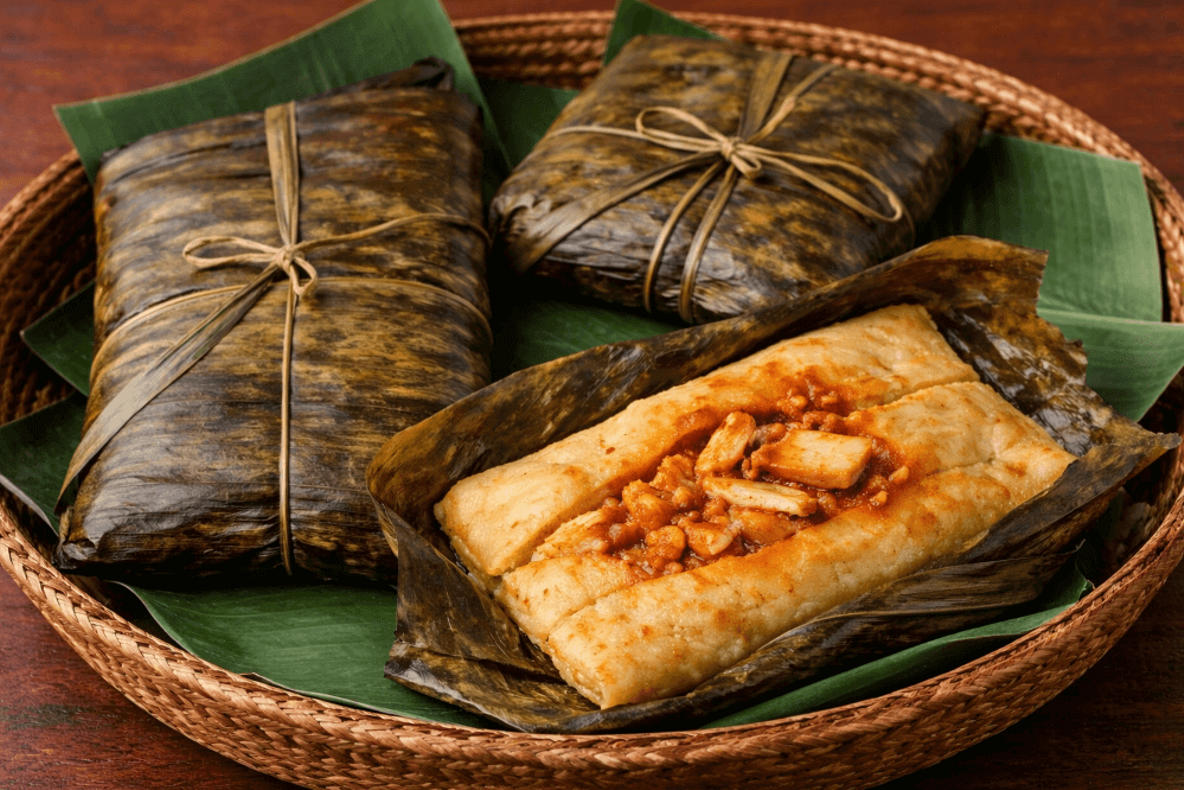
Travelers often ask: “Why is Mexican food so fatty?” They’ve tasted heavy moles, rich carnitas, or tamales wrapped in corn husks with a distinct richness. To outsiders, it can seem excessive. But the truth is far more nuanced.
Mexican cuisine isn’t “fatty” by accident. Fat plays a vital role in flavor, texture, preservation, and cultural ritual. From pre-Hispanic lard substitutes to Spanish-introduced pork, fat has been woven into Mexico’s food identity for over 500 years.
In this guide, we explore the historical, cultural, and practical reasons behind the richness of Mexican food — and why calling it “just greasy” misses the point entirely.
The historical roots of fat in Mexican cuisine
Before the Spanish arrived in 1519, Indigenous Mesoamerican diets were naturally lean. The “Three Sisters” — corn, beans, and squash — formed the core. Fats came from:
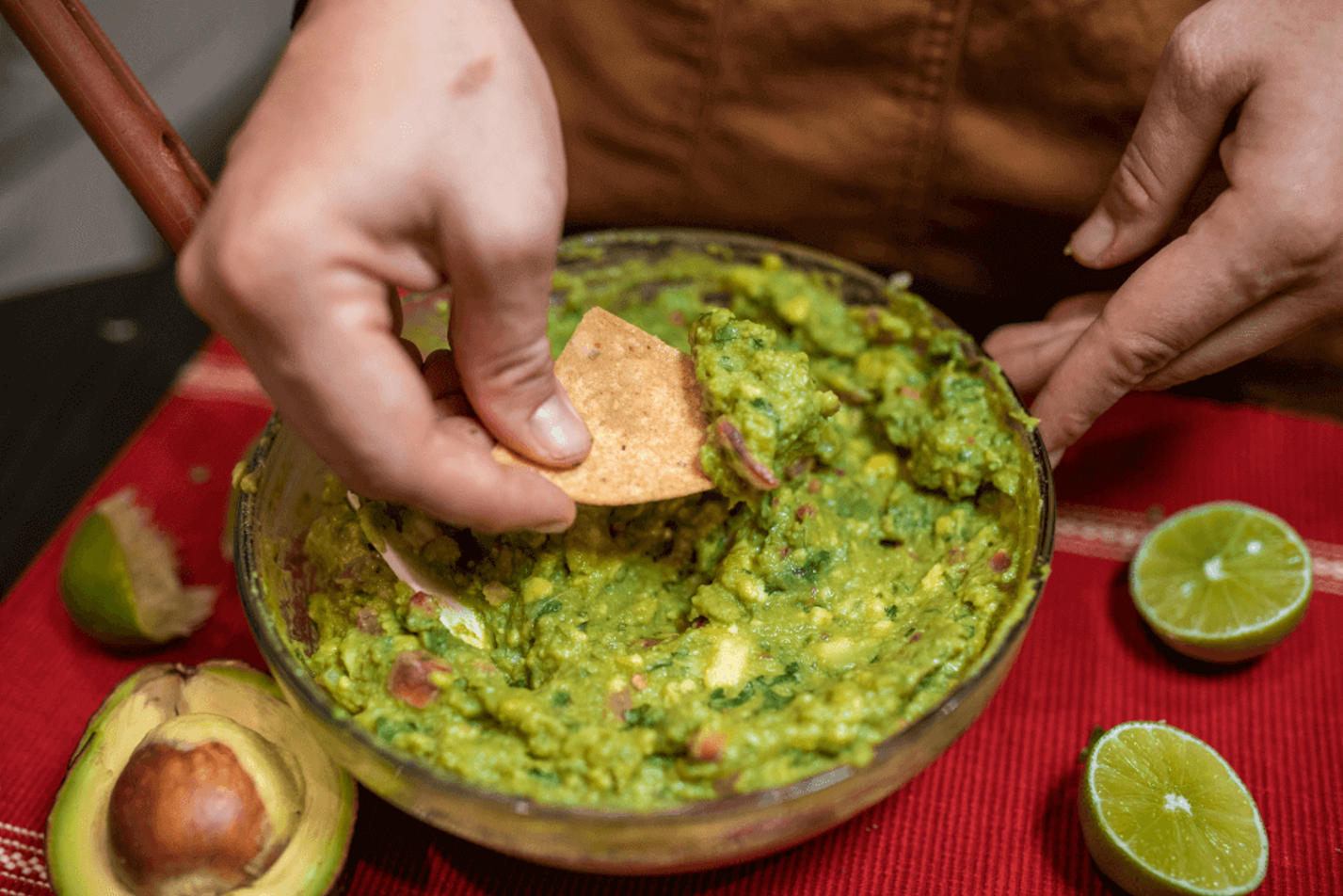
- Avocado
- Chia seeds
- Insects (like chapulines)
- Small amounts of turkey fat
But everything changed with colonization. The Spanish brought pigs, cows, sheep, and dairy. Suddenly, lard (manteca) became widely available — cheap, shelf-stable, and perfect for frying and baking.
Lard wasn’t just practical — it was transformative. It made corn masa pliable for tamales, gave tortillas a silky texture, and deepened the flavor of stews. Over time, it became inseparable from “home cooking.”
“Lard is not waste — it’s memory. My abuela said, ‘A tamal without manteca has no soul.’” — Chef Elena Martínez, Oaxaca
Why fat matters in traditional Mexican cooking
Fat isn’t used for indulgence alone. In Mexican kitchens, it serves four key purposes:
1. Flavor carrier
Many spices (like ancho, guajillo, cumin) are fat-soluble. Toasting them in oil or lard unlocks their full aroma — essential for complex sauces like mole or adobo.
2. Texture control
Lard in masa prevents tamales from drying out. Oil in refried beans creates creaminess without dairy. Fat = mouthfeel.
3. Preservation
Before refrigeration, confiting meat in its own fat (like carnitas) allowed storage for days. This was survival, not luxury.
4. Cultural symbolism
Serving rich food shows generosity. A lean table = poverty. A generous spread of carnitas or mole = love and respect for guests.
Regional differences: Not all Mexican food is equally “fatty”
Mexico has 32 states — and cuisines vary wildly:
- Oaxaca: Mole negro uses nuts, seeds, and sometimes lard — but balanced with fruit and herbs.
- Yucatán: Recados (spice pastes) use citrus and achiote — lighter, tangier.
- Northern Mexico: Beef and cheese dominate — richer due to ranching culture.
- Coastal regions: Ceviches, grilled fish, coconut rice — much lighter.
So when someone says “Mexican food is fatty,” they’re usually thinking of central or northern dishes — not the whole country. And that’s why “why is Mexican food so fatty” remains such a misunderstood question — it ignores Mexico’s vast culinary diversity.
Tex-mex vs. authentic Mexican food: Where the confusion comes from
Much of the “greasy” reputation comes from Tex-Mex — a delicious but distinct cuisine born in Texas:
- Heavy use of yellow cheese (not common in Mexico)
- Deep-fried chimichangas
- Creamy, flour-tortilla burritos
In contrast, traditional Mexican food relies on:
- Corn tortillas (not fried unless for tacos dorados)
- Fresh salsas (not cheese-heavy sauces)
- Balanced meals: beans, rice, veg, small meat portions
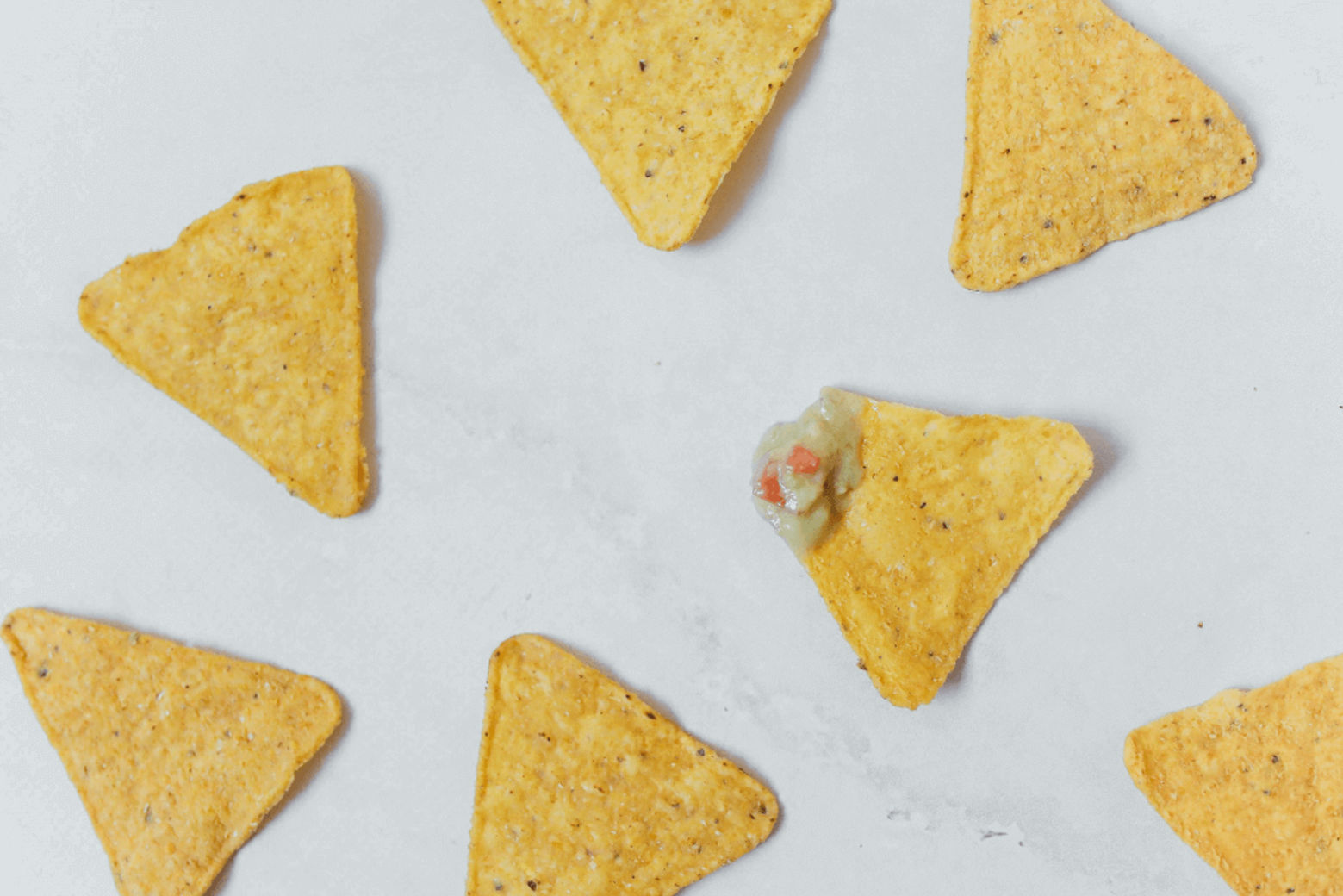
So if your only experience is fast-casual chains, no wonder you think Mexican food is “all fat.”
Modern challenges: When tradition meets processed foods
Today, Mexico faces a nutrition paradox:
- One of the world’s richest food heritages
- One of the highest obesity and diabetes rates globally
Why? Not because of lard or carnitas — but because of ultra-processed foods:
- Sugary sodas (Mexico is the #1 consumer per capita)
- Industrial cooking oils replacing lard
- White flour tortillas instead of nixtamalized corn
- Fast food displacing home cooking
The real issue isn’t “why is Mexican food so fatty” — it’s how industrial oils replaced lard, and soda replaced agua fresca.
Ironically, the move “away” from traditional fats (like lard) toward cheap vegetable oils may be worse for health. Recent studies suggest unrefined lard has less trans fat than many processed alternatives.
Is traditional Mexican food actually unhealthy?
No — when eaten as intended. No — because “why is Mexican food so fatty” isn’t about excess, but about balance, tradition, and intention.
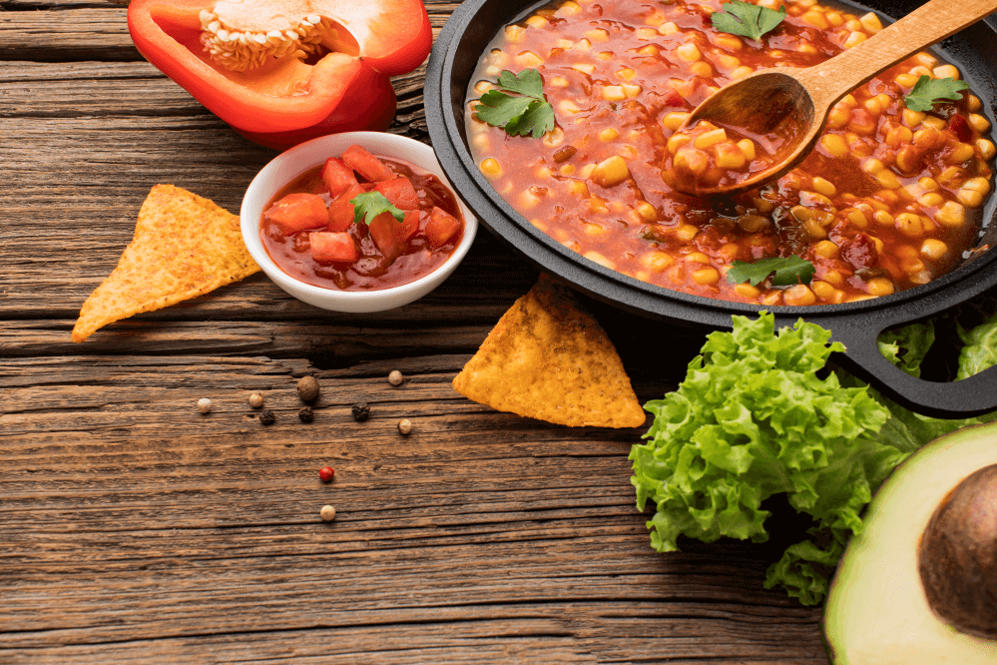
A classic Mexican meal includes:
- Small portion of meat (often stewed or slow-cooked)
- Beans (fiber-rich, protein-packed)
- Rice or tortillas (complex carbs)
- Fresh salsa, avocado, lime (vitamins, healthy fats)
This is a balanced plate. The fat enhances — it doesn’t dominate.
Problems arise when:
- Portions balloon (e.g., giant burritos)
- Fried items replace fresh ones
- Soda replaces agua fresca
The issue isn’t fat — it’s context.
How to enjoy rich Mexican food mindfully
You don’t need to avoid mole or carnitas. Just enjoy them like Mexicans do:
- Share dishes family-style — no one eats a whole bowl of carnitas alone.
- Pair with fresh sides — nopales salad, cucumber-lime agua fresca.
- Eat slowly — meals last hours, not minutes.
- Cook at home — control oil, salt, and portion size.
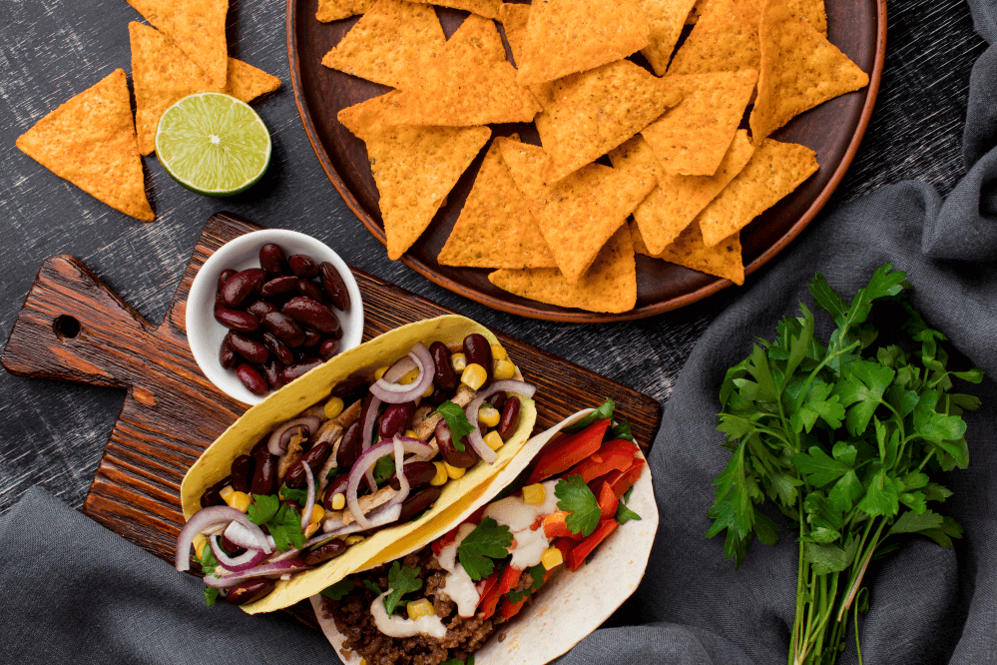
And remember: a little lard in your beans isn’t the enemy. A liter of soda is.
For travelers, this means:
- Order “a la carte” — instead of combo plates, choose one main dish and add beans or salad. This mirrors how locals eat.
- Ask for “sin fritura” (“without frying”) — many dishes like chiles rellenos can be baked instead of fried.
- Drink agua fresca — skip soda. Try horchata (rice-cinnamon), jamaica (hibiscus), or tamarindo — all made fresh daily.
- Visit markets — places like Mercado de San Juan (Mexico City) or Mercado 20 de Noviembre (Oaxaca) let you taste small portions of many dishes without overeating.
Most importantly, slow down. In Mexico, meals are conversations, not transactions. A lunch can last two hours — not because the food is heavy, but because the company is light. By eating this way, you don’t just consume calories — you participate in culture. And that’s the true flavor of Mexico.
Fat as heritage, not a flaw
So, why is Mexican food so fatty? Because fat carries history — not just calories. It whispers of Spanish galleons that brought pigs and lard, of Indigenous resilience that turned corn into masa, and of grandmothers stirring pots at dawn with a wooden spoon passed down for generations. To call it “greasy” isn’t just inaccurate — it’s an erasure of culture.
True Mexican cuisine balances richness with freshness, tradition with seasonality, generosity with moderation. The fat isn’t excess — it’s intention. A tamal without lard has no soul. A mole without toasted chiles has no depth. A family meal without shared plates has no heart.
The question “why is Mexican food so fatty?” often comes from outsiders who’ve only tasted Tex-Mex — cheese-laden burritos and deep-fried chimichangas. But authentic Mexican food is a conversation between land, time, and people. In Oaxaca, the nuts in mole negro are ground by hand; in Yucatán, citrus brightens recados; in the north, beef is slow-cooked to tenderness. Fat binds these stories together — not as a burden, but as a bridge.
Next time you taste a spoonful of mole, don’t ask “Why so fatty?” Ask: “What story does this tell?” Let the richness speak — of survival, of celebration, of memory. Because why is Mexican food so fatty? — it’s not about the oil. It’s about the hands that poured it.
Explore more Americas travel guides for culturally rich, sustainable journeys across North and Central America.
Frequently Asked Questions
Is lard healthier than vegetable oil?
Unrefined lard contains monounsaturated fats (like olive oil) and no trans fats if not hydrogenated. Many traditional cooks prefer it for flavor and stability. However, balance matters — all fats should be consumed in moderation.
Why do Mexicans use so much pork fat?
Pork was introduced by the Spanish and thrived in Mexico’s climate. Lard became a cheap, versatile cooking fat that preserved food and enhanced corn-based dishes. It’s now deeply embedded in culinary tradition.
Is authentic Mexican food high in calories?
Traditional meals are nutrient-dense and balanced. Problems arise with large portions, fried versions, and sugary drinks — not the core cuisine itself.
Can you eat healthy Mexican food?
Absolutely. Focus on dishes with beans, grilled meats, fresh salsas, and corn tortillas. Avoid heavy cheese, sour cream, and fried shells if watching fat intake.