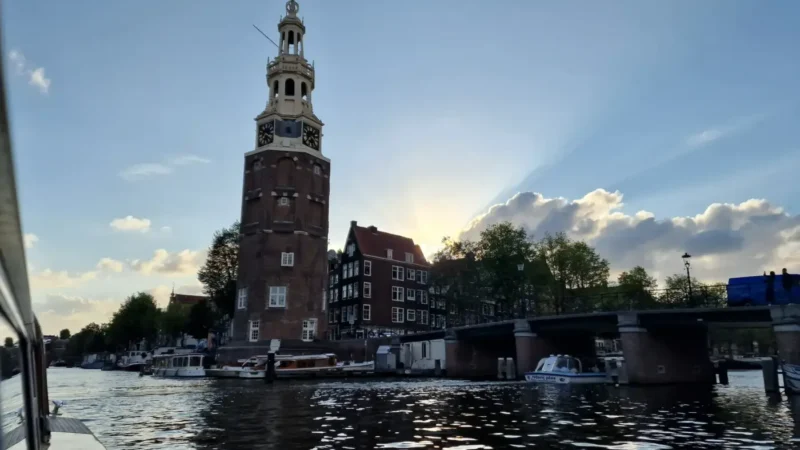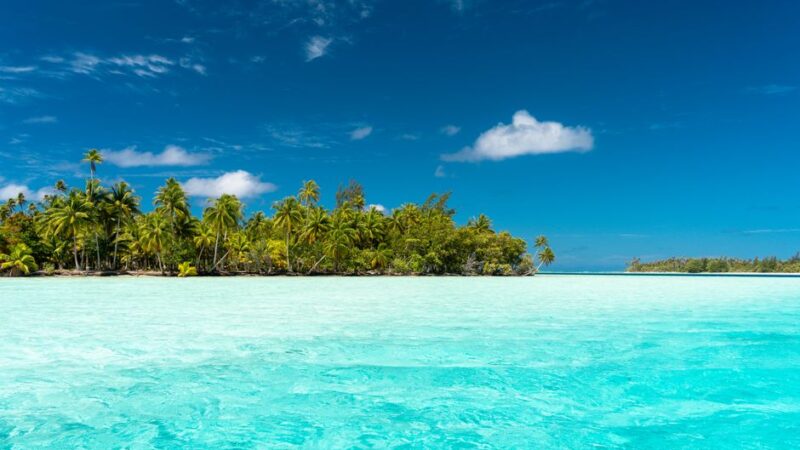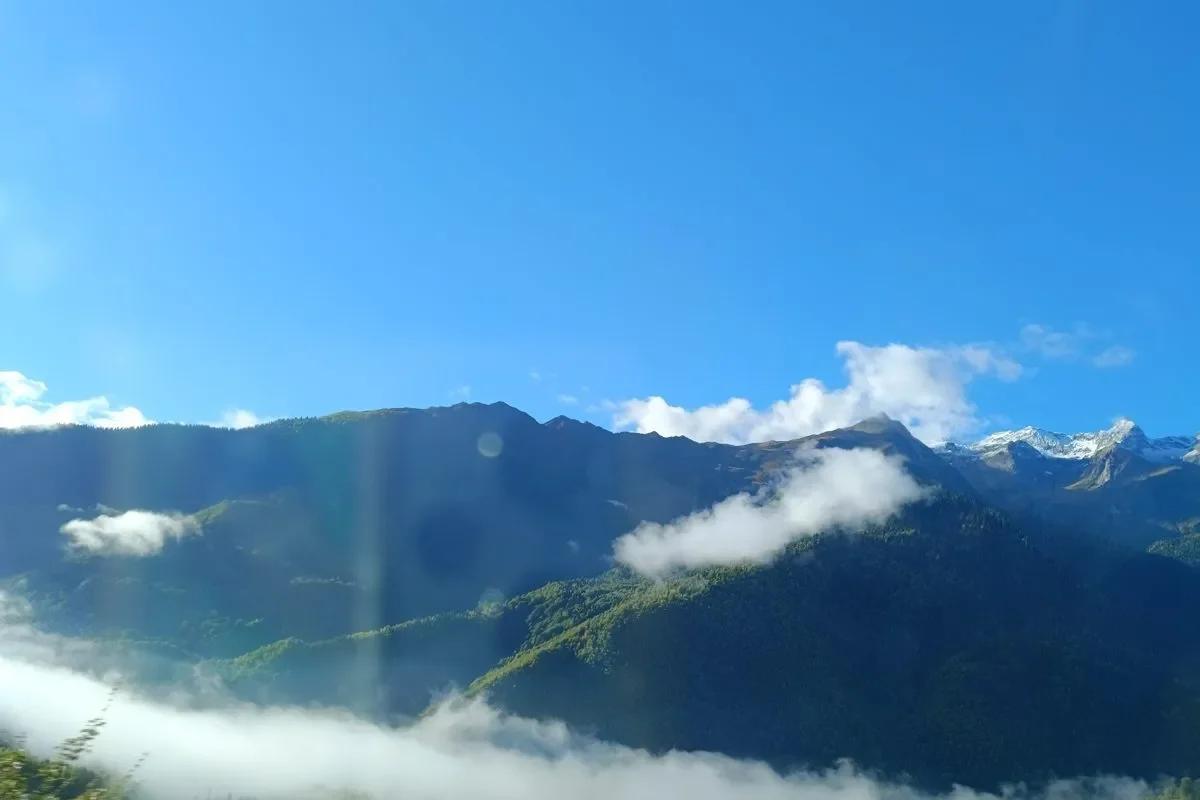
Georgia packs an astonishing amount into a country smaller than South Carolina: glaciers and stone towers in the Caucasus, wine made in clay jars buried underground, a Black Sea coast with palm trees, and a capital full of carved wooden balconies. This Georgia travel guide brings it all together, from where to go and when, to what it costs and how to get around. I have traveled around Georgia several times, from Tbilisi and Kutaisi to the villages of Svaneti and the seafront of Batumi, and every photo here is my own.
One note for US readers: this is Georgia the country, in the Caucasus between the Black Sea and the Caspian Sea, not the US state. Locals call their country Sakartvelo.
Why Georgia belongs on your list
Three things make Georgia special. The first is variety: in a single week, you can walk through a 1,500-year-old cathedral, hike to a glacier and swim in the sea. The second is food and wine, which here are not just meals but a whole culture of hospitality. The third is value: Georgia remains one of the most affordable destinations in Europe and its neighborhood, with comfortable guesthouses, generous portions and low transport costs.
Georgians also take hospitality very seriously. A common saying is that a guest is a gift from God, and in villages you may well be invited in for coffee, homemade cheese or a glass of wine.
Georgia regions at a glance
| Region | Best for | Days |
|---|---|---|
| Tbilisi | Old town, sulfur baths, food, nightlife | 3–4 |
| Mtskheta | Ancient capital, UNESCO churches (day trip) | 0.5–1 |
| Kakheti | Wine, vineyards, monasteries | 2 |
| Kazbegi | Mountain scenery, Gergeti Trinity Church | 1–2 |
| Kutaisi and Imereti | Canyons, caves, monasteries, old spa town | 2–3 |
| Svaneti | Stone towers, glaciers, hiking | 3–4 |
| Batumi and Adjara | Black Sea coast, botanical garden | 2–3 |
| Borjomi | Mineral springs, forest walks | 1–2 |
Tbilisi: where most trips begin
Tbilisi is a city of layers. Persian, Ottoman, Russian and Georgian influences meet in its old town, where houses with colorful wooden balconies lean over narrow lanes and domed sulfur baths sit in the Abanotubani district. The name Tbilisi comes from the Georgian word for “warm”, after the hot springs that still feed those baths.
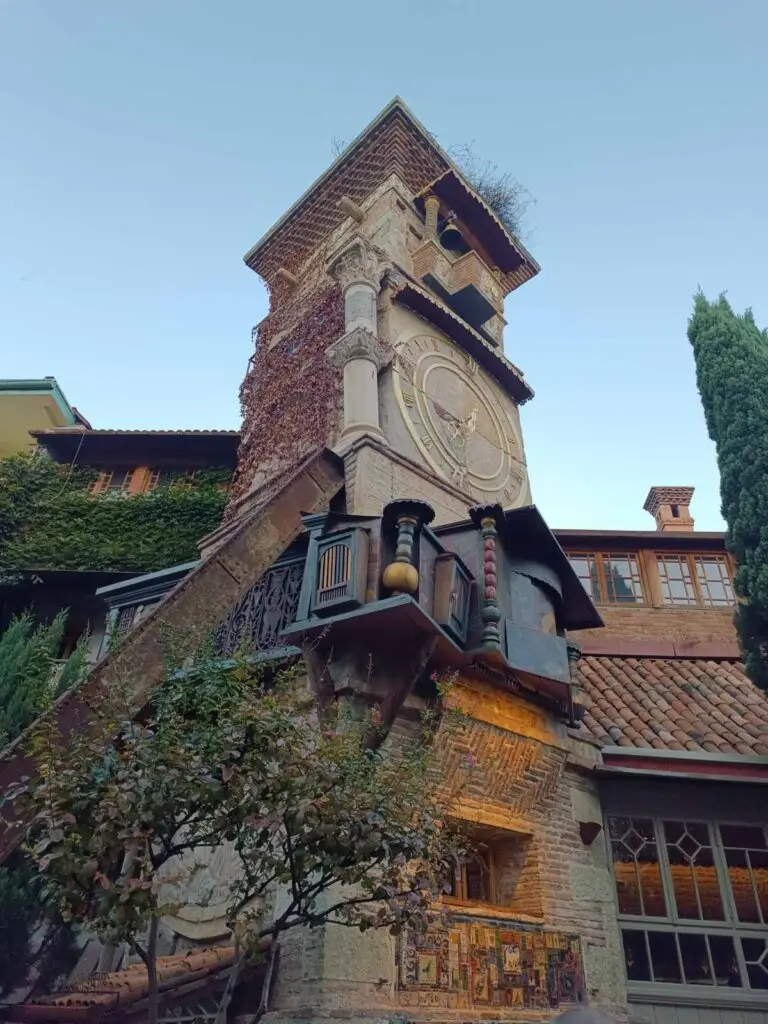
Walk or take the cable car up to Narikala Fortress for a view over red roofs and the Kura River (Mtkvari in Georgian). Wander through the old town, past the leaning clock tower of the puppet theater, and finish with dinner in one of the many restaurants serving khachapuri, khinkali and local wine.
Tbilisi also has a lively modern side: converted Soviet factories turned into creative spaces, wine bars, flea markets and a growing café culture. Three or four days is a good amount of time, including day trips.
Day trip to Mtskheta. Just 30 minutes north, the ancient capital of Mtskheta is home to Svetitskhoveli Cathedral and the hilltop Jvari Monastery, both part of a UNESCO World Heritage Site and among the holiest places in Georgia.
The Caucasus Mountains
Kazbegi
A few hours north of Tbilisi along the Georgian Military Road, the village of Stepantsminda sits beneath Mount Kazbek, a 16,500-foot (about 5,000 m) peak. Above the village, Gergeti Trinity Church stands alone on a ridge, one of the most famous views in the country. You can hike up in about one to two hours or take a local 4×4. The drive itself, past the Ananuri fortress and over the Jvari Pass, is one of the highlights of a Georgia trip.
Svaneti
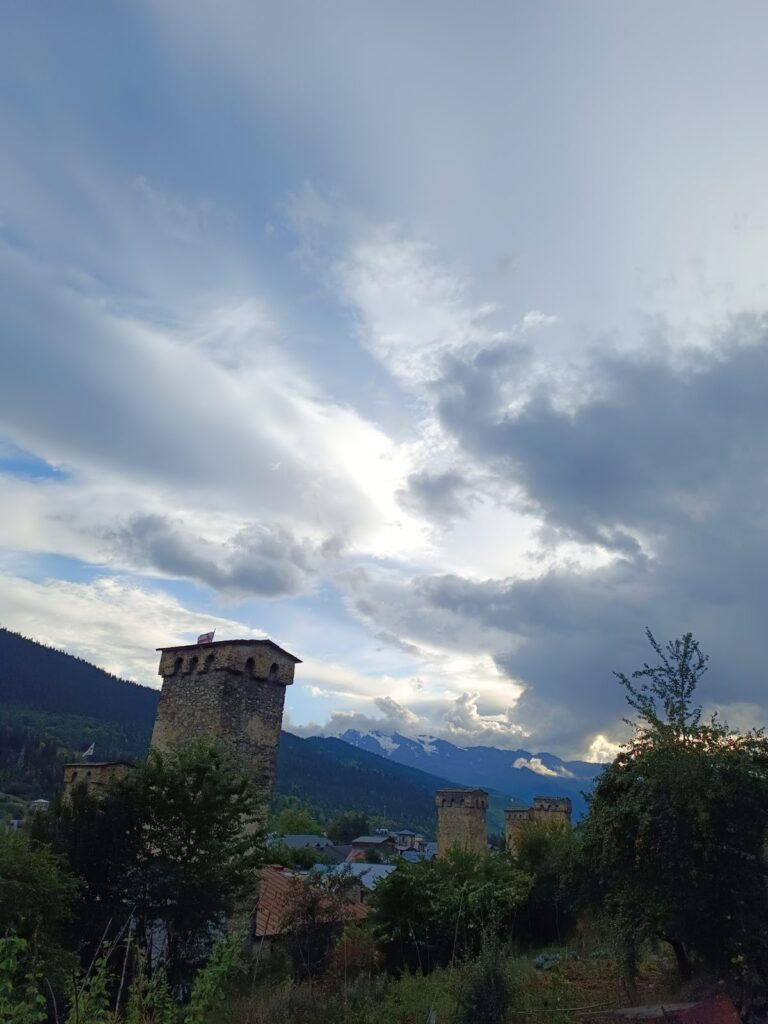
Further west, Svaneti feels like a world of its own. High in the mountains, villages are dotted with medieval defensive towers, some of which you can still climb inside. Mestia is the main base, and Ushguli, one of the highest permanently inhabited villages in Europe, is part of a UNESCO World Heritage Site.
I loved Svaneti most in the fall, when the forests turn gold and the first snow appears on the peaks; I wrote about it in my guide to Svaneti in autumn. If you want to know why the towers were built, read my story about the Svan towers. For hikers, a walk to the Chalaadi Glacier near Mestia is an easy introduction to the high mountains, covered in my Svaneti glacier hike guide.
Kutaisi and western Georgia
Kutaisi, the country’s third-largest city and one of its oldest, is often seen only as an airport for low-cost flights, but it is an excellent base. Bagrati Cathedral overlooks the city, and in the botanical garden a tiny chapel has been built inside a 400-year-old oak. For day trips, getting in from the airport and how many days to stay, see my full Kutaisi, Georgia guide.
Within an hour’s drive are the turquoise Martvili Canyon, the hanging walkway of Okatse Canyon, Prometheus Cave, and the monasteries of Gelati and Motsameta. My full guide to Kutaisi, Georgia has the details.
Twenty minutes from Kutaisi, the old Soviet spa town of Tskaltubo is full of grand, half-abandoned sanatoriums, a strange and fascinating place for photographers. I explored it in my article on the Tskaltubo sanatoriums.
Kakheti: the cradle of wine
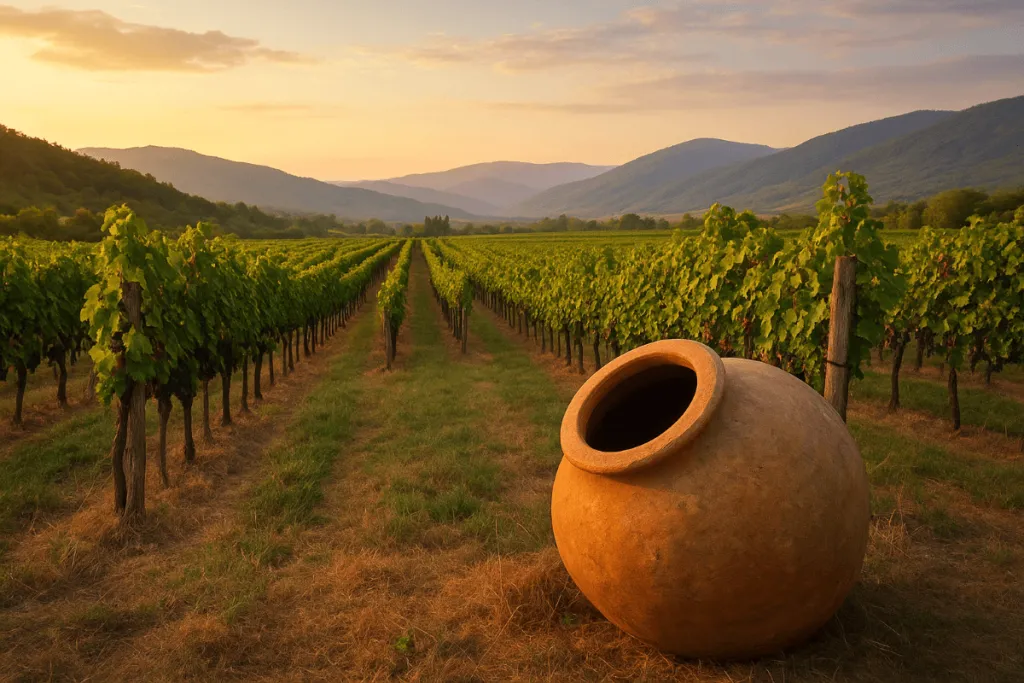
Georgia is often called the birthplace of wine. Archaeologists have found evidence of winemaking here dating back about 8,000 years. The traditional method uses the qvevri, a large clay vessel buried in the ground, where grapes ferment with their skins and seeds. The method is listed by UNESCO as part of the intangible cultural heritage of humanity.
Kakheti, east of Tbilisi, is the main wine region. The hilltop town of Sighnaghi, with views over the Alazani Valley to the Caucasus, is the most popular base. Family wineries welcome visitors for tastings, and many offer home-cooked meals. Visit in September or early October for rtveli, the grape harvest, when families gather to pick grapes and celebrate.
Batumi and the Black Sea coast
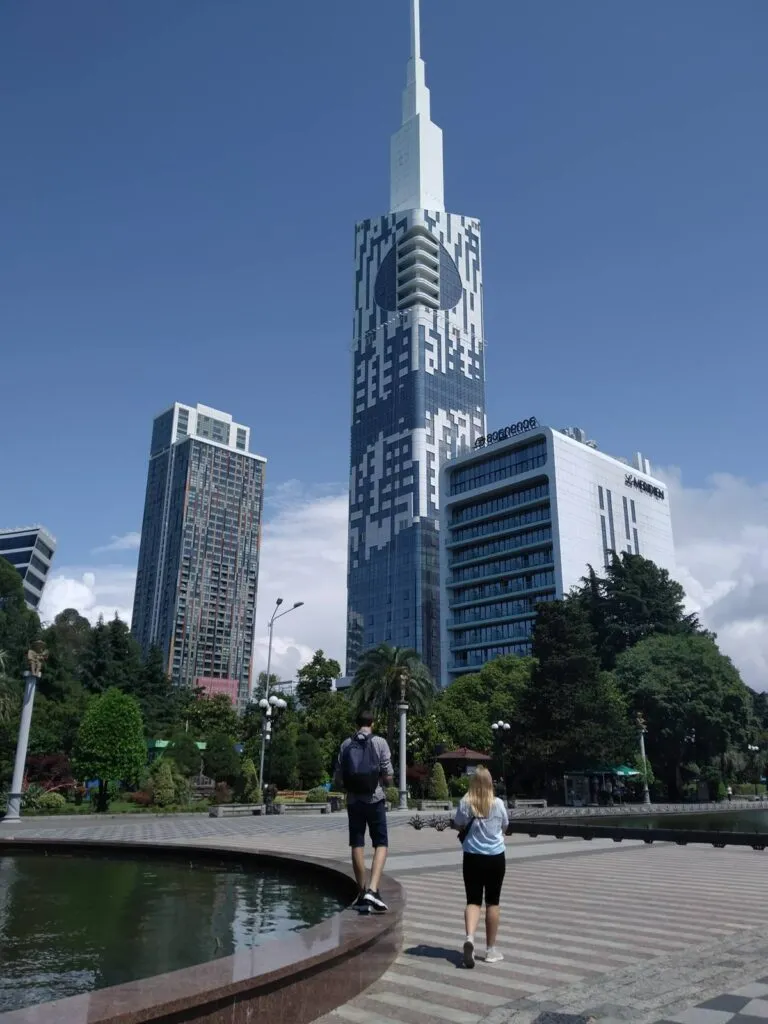
On the western edge of the country, Batumi is a lively seaside city with a long promenade, palm trees, modern towers and fountains that light up at night. Beyond the busy center, there are pebble beaches, the huge Batumi Botanical Garden on a hillside above the sea, and the famous moving statue of Ali and Nino, two lovers who slowly come together and pass through each other.
Batumi is at its best in the evening; I described it in Batumi at night. It is also an easy place to relax after mountain trekking.
Borjomi and the spa towns
In central Georgia, Borjomi is known for its salty mineral water, which you can drink straight from the springs in the town park. Forest trails, a small funicular and old wooden houses with carved balconies make it a peaceful stop between Tbilisi and the west.
Georgian cuisine
Georgian food is one of the best reasons to visit. At a supra, a traditional feast, a tamada or toastmaster leads a series of toasts while dishes keep arriving.
| Dish | What it is |
|---|---|
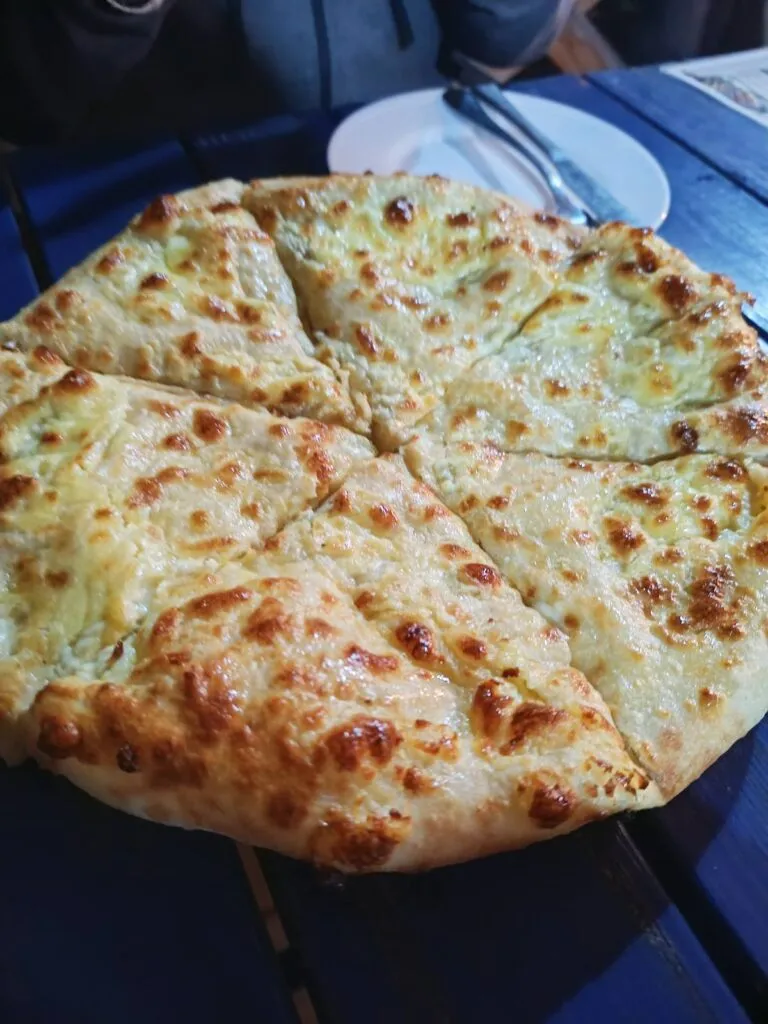
| Khachapuri | Cheese-filled bread; the Adjarian version is boat-shaped with an egg yolk on top |
| Khinkali | Large dumplings filled with meat and broth, eaten by hand |
| Mtsvadi | Grilled meat skewers cooked over vine cuttings |
| Pkhali | Vegetable and walnut pâtés with pomegranate seeds |
| Badrijani | Fried eggplant rolls with walnut paste |
| Churchkhela | Walnuts threaded on a string and dipped in thickened grape juice |
For a full list of dishes, read my guide to Georgian food.
Monasteries and spiritual heritage
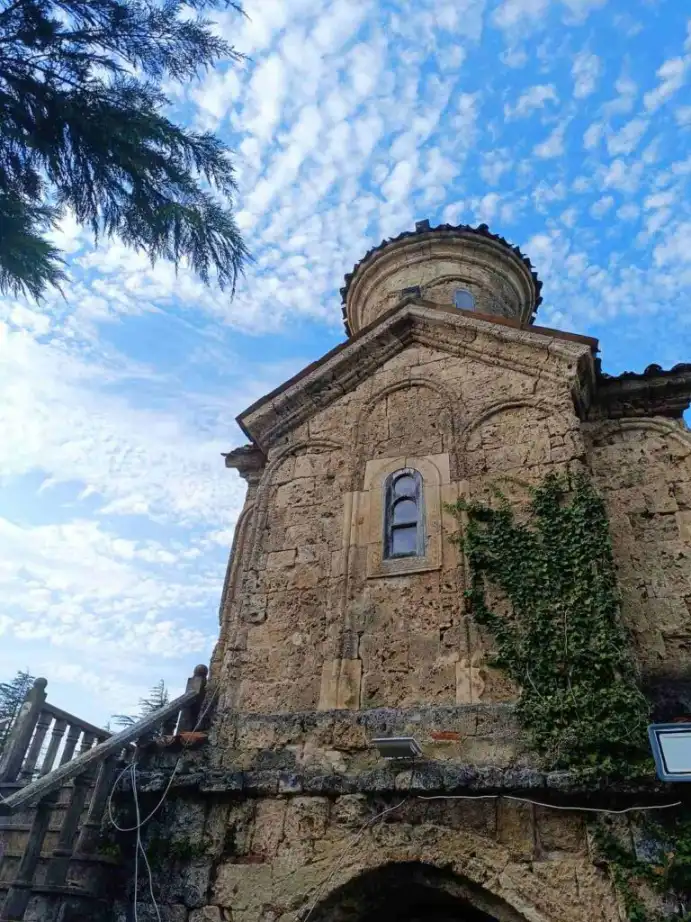
Georgia adopted Christianity in the 4th century, and churches and monasteries are everywhere, often in spectacular locations. Highlights include Svetitskhoveli and Jvari in Mtskheta, Gelati near Kutaisi, Gergeti Trinity Church in Kazbegi and the cave monastery of David Gareja in the semi-desert in the southeast.
When visiting, dress modestly: shoulders and knees covered, and women are usually expected to cover their hair with a scarf, which are often available at the entrance.
When to visit Georgia
Spring (April to June) brings green valleys, flowers and mild weather in the lowlands. Mountain passes may still have snow early in the season.
Summer (July and August) is the best time for high mountain hiking in Svaneti and Kazbegi and for the Black Sea coast, but Tbilisi can be very hot.
Fall (September and October) is many travelers’ favorite: harvest time in Kakheti, golden forests in the mountains and comfortable temperatures.
Winter is quiet in the cities and good for skiing in Gudauri, Bakuriani and Svaneti. Some mountain roads may close after heavy snow.
How much does a trip to Georgia cost?
Georgia is generally very affordable compared with Western Europe. Simple guesthouses and family-run hotels are good value, local restaurants serve big portions at modest prices, and marshrutkas (shared minibuses) cost little. Wine tastings, guided mountain tours and private drivers add up, but even mid-range travel feels good value. Prices change, so treat this as a general guide and check current rates when planning.
For more ways to stretch your money, see our ultimate guide to budget travel.
Getting around Georgia
Marshrutkas connect almost every town and village. They are cheap and frequent but can be crowded, and drivers tend to be fast.
Trains link Tbilisi with Batumi, Kutaisi and Borjomi; the modern train to Batumi is comfortable and scenic.
Taxis and ride-hailing apps work well in Tbilisi, Batumi and Kutaisi.
Rental cars give you freedom in the mountains and wine country, but Georgian driving can be aggressive, and animals on the road are common. Many travelers prefer to hire a driver for mountain routes.
Flights connect Tbilisi with Mestia in good weather, a short and spectacular trip.
Is Georgia safe?
For most travelers, yes. Crime against visitors is low, and people are famously hospitable. The real risks are fast driving on mountain roads and changeable mountain weather. I cover this in detail in my honest guide to whether Georgia is safe.
Practical tips for Georgia
Currency. The Georgian lari (GEL). Cards are widely accepted in cities; carry cash for villages, markets and marshrutkas.
Language. Georgian has its own unique alphabet. English is common among younger people in Tbilisi and Batumi, and Russian is widely understood. A friendly gamarjoba (hello) and madloba (thank you) go a long way.
Entry. Citizens of the United States and many other countries can visit Georgia visa-free for long stays. Check the current rules before you travel.
Wine etiquette. At a supra, wait for the tamada’s toast before drinking, and do not be surprised if your glass is refilled again and again.
A sample 10-day Georgia itinerary
| Days | Plan |
|---|---|
| 1–3 | Tbilisi, with a half-day trip to Mtskheta |
| 4 | Kakheti: Sighnaghi and a winery |
| 5 | Kazbegi day trip along the Georgian Military Road |
| 6–7 | Kutaisi: canyons, caves and monasteries |
| 8–9 | Svaneti: Mestia and Ushguli |
| 10 | Batumi or back to Kutaisi for your flight |
With more time, add Borjomi, Tskaltubo and a few slow days on the Black Sea.
Frequently asked questions
What is the best time to visit Georgia?
Late spring (May–June) and early fall (September–October) are the best all-round seasons. Summer is ideal for the high mountains and the Black Sea coast.
How many days do you need in Georgia?
Ten days is enough to see Tbilisi, Kakheti, Kazbegi, Kutaisi and Svaneti at a comfortable pace. A week works if you focus on two or three regions.
Is Georgia expensive to visit?
No. Georgia is one of the more affordable destinations in Europe and its region, especially for food, guesthouses and local transport.
Do Americans need a visa for Georgia?
US citizens can visit Georgia visa-free. Always check the current entry requirements before you travel.
What is Georgia famous for?
Its 8,000-year wine tradition, Caucasus mountains, medieval towers of Svaneti, khachapuri and khinkali, and legendary hospitality.
Georgia awaits
Georgia rewards curious travelers. Start in Tbilisi, follow the wine to Kakheti, head into the mountains of Kazbegi and Svaneti, and finish with a sunset on the Black Sea. Use this Georgia travel guide as your starting point, and follow the links to the detailed guides for each region as you plan.