Ever heard someone say, “Africa is just jungles and lions,” or “All Africans live in huts”? You’ve encountered a stereotype. But here’s the truth: Africa is not a country. It’s a continent of 54 sovereign nations, 1.4 billion people, 2,000+ languages, and economies ranging from agrarian to tech-driven. In this guide, we debunk the top 10 stereotypes about Africa — with facts, data, and real stories that reveal the continent’s true complexity.
In this guide, we debunk the top 10 stereotypes about Africa — with facts, data, and real stories that reveal the continent’s true complexity, innovation, and resilience.
1. “Africa is a country” — The most common (and harmful) stereotype about Africa
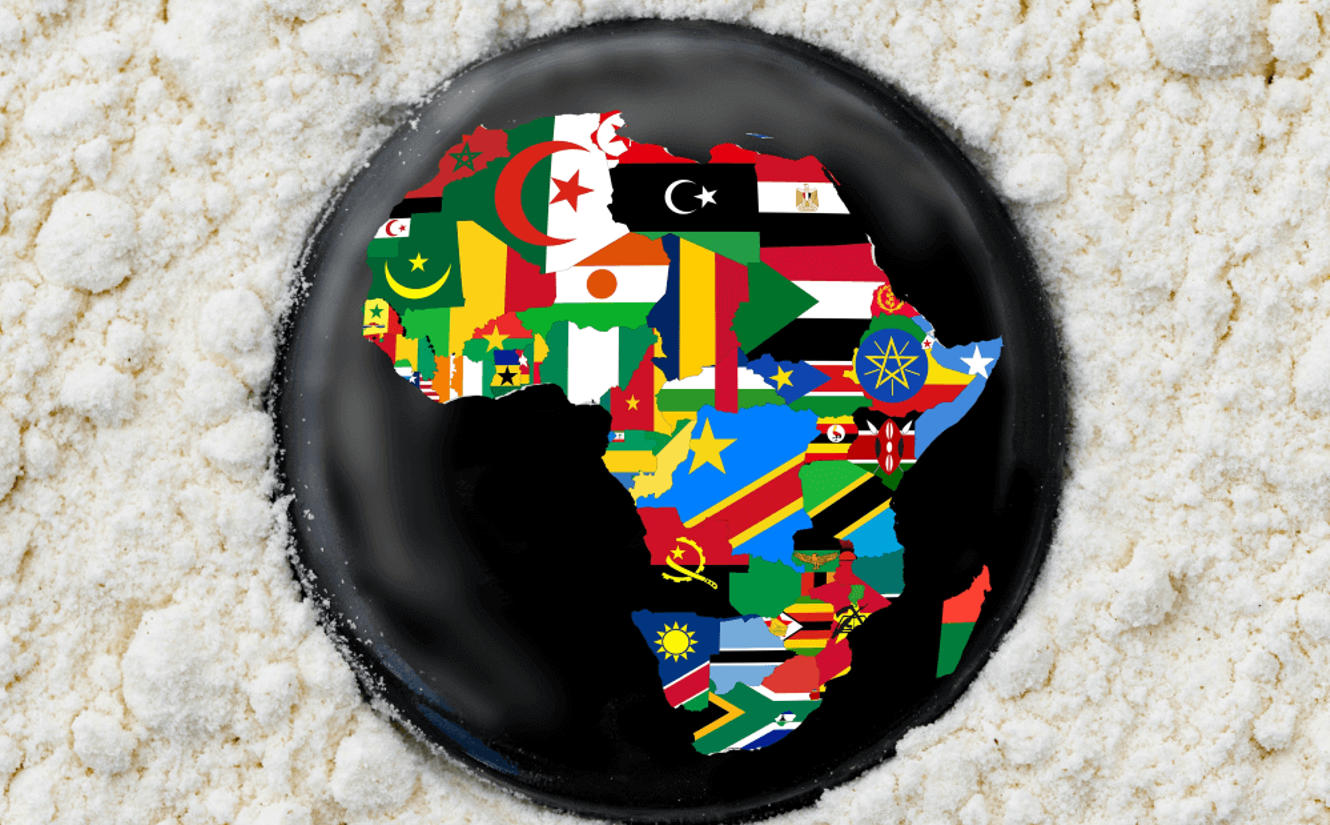
This isn’t just inaccurate—it’s dehumanizing. Saying “Africa” as if it’s one place erases the identity of 54 distinct nations, each with its own history, government, culture, and challenges.
Consider the differences:
- Egypt (North Africa): Arabic-speaking, ancient pyramids, Mediterranean coastline, and a population deeply connected to Middle Eastern and Islamic heritage.
- Nigeria (West Africa): 216 million people, the world’s second-largest film industry (Nollywood), and a booming creative economy.
- Rwanda (East Africa): Known as the cleanest city in Africa (Kigali), with a female-majority parliament and a focus on green urban planning.
- South Africa (Southern Africa): 11 official languages, advanced infrastructure, and a complex history of apartheid and reconciliation.
Would you say “Asia is just rice and temples”? Or “Europe is only castles and snow”? Of course not. Africa deserves the same nuance.
2. “It’s all jungles and deserts” — A persistent stereotype about Africa debunked
Africa contains every major terrestrial ecosystem on Earth:
- Tropical rainforests in the Congo Basin — the world’s second-largest lung after the Amazon.
- Savannas like the Serengeti, home to the Great Migration of 2 million animals.
- Mountains: Mount Kilimanjaro (5,895 m) in Tanzania, the Rwenzori Mountains (“Mountains of the Moon”) in Uganda.
- Coastlines: Over 30,000 km of beaches—from Morocco’s Atlantic shores to Mozambique’s coral reefs.
- Wetlands, grasslands, and even alpine tundra.
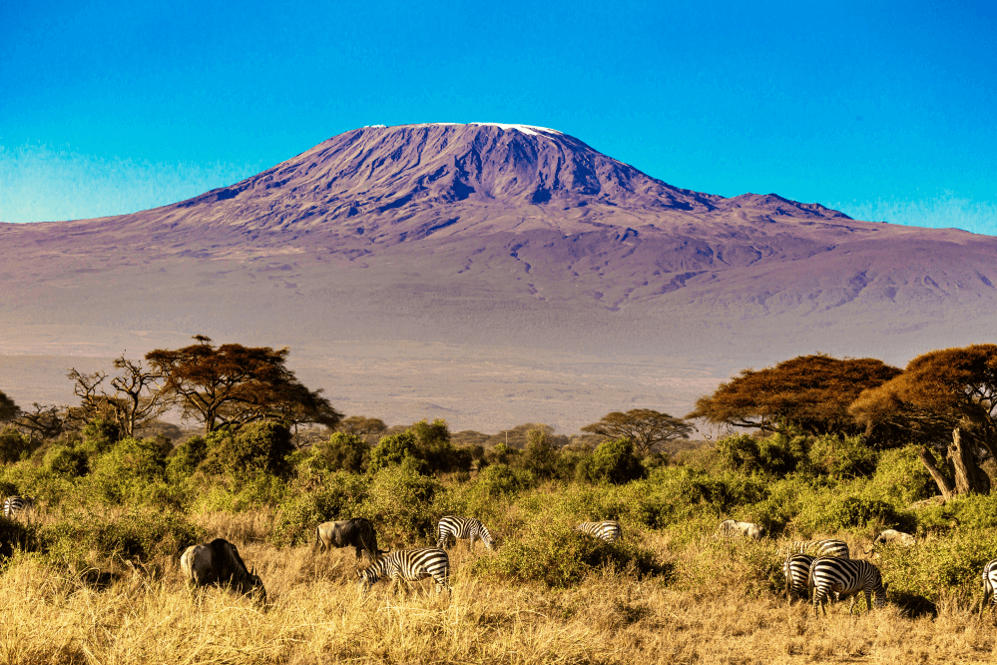
And contrary to popular belief, only 18% of Africa is desert—less than Asia (30%) or Australia (40%). The Sahara is vast, but it doesn’t define the continent.
3. “Everyone lives in poverty” — Challenging this stereotype about Africa
Yes, poverty exists in parts of Africa—as it does in Appalachia (USA), rural India, or southern Italy. But focusing only on lack ignores thriving economies, innovation, and middle-class growth.
Consider these facts:
- Nigeria has Africa’s largest economy ($500+ billion GDP)—larger than Denmark or Norway.
- Rwanda provides near-universal health coverage through community-based insurance.
- Botswana has a higher GDP per capita ($7,700) than Ukraine ($4,500) or India ($2,400).
- Kenya’s M-Pesa mobile money system serves over 50 million people across 7 countries—proving that Africans don’t just use technology—they invent it.
The narrative of “helpless Africa” is not only false—it’s dangerous. It fuels charity tourism while ignoring African agency, entrepreneurship, and solutions.
4. “There are no modern cities” — Another myth among stereotypes about Africa
Africa is the fastest-urbanizing continent on Earth. By 2050, nearly 60% of Africans will live in cities. And these cities are dynamic, modern, and globally connected:
- Lagos, Nigeria: Population 15+ million. Home to skyscrapers, traffic jams, art galleries, and Afrobeats music that dominates global charts.
- Addis Ababa, Ethiopia: Hosts the African Union headquarters and operates a Chinese-built light rail system serving 200,000+ daily riders.
- Kigali, Rwanda: Banned plastic bags in 2008, enforces strict cleanliness laws, and ranks among Africa’s safest and most livable cities.
- Cape Town, South Africa: A global tech and design hub with vineyards, mountains, and a vibrant startup scene.

And yes—these cities have Wi-Fi, Uber, Netflix, specialty coffee shops, co-working spaces, and electric scooters. They’re not “developing.” They’re evolving on their own terms.
5. “It’s dangerous everywhere” — Safety varies, just like anywhere else
Crime exists—but so does safety. Generalizing an entire continent as “dangerous” is as absurd as avoiding all of Europe because of pickpocketing in Barcelona.
In reality:
- Rwanda is safer than Paris or London for solo travelers. Violent crime is extremely rare.
- Morocco and Tunisia welcome over 12 million tourists annually—with dedicated tourist police and family-friendly resorts.
- Ghana is known for its hospitality. The word “Akwaaba” (“Welcome!”) is more than a phrase—it’s a national ethos.
- Namibia and Botswana rank among the world’s most peaceful countries (Global Peace Index).
Always research your destination—but never assume “Africa = danger.”
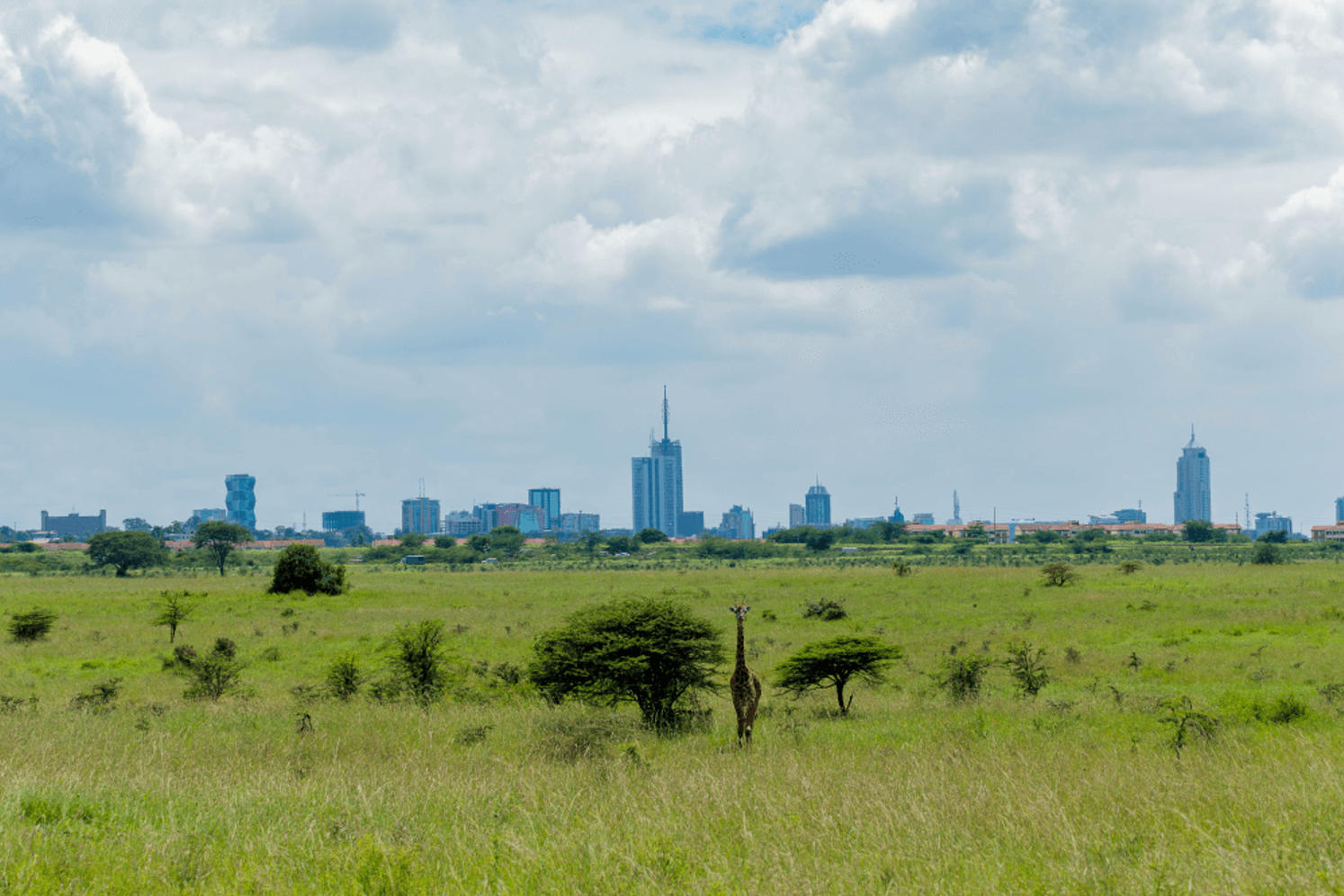
6. “Wildlife roams city streets” — Lions don’t commute
No, you won’t see elephants walking past a Nairobi bank or giraffes grazing in downtown Johannesburg. Wildlife lives in protected national parks and reserves—not urban centers.
Daily life in African cities looks like this:
- Commuters on motorbikes (boda-bodas) weaving through traffic
- Street vendors selling phone credit, roasted corn, or fresh mango juice
- Young professionals coding in co-working spaces or filming TikTok videos
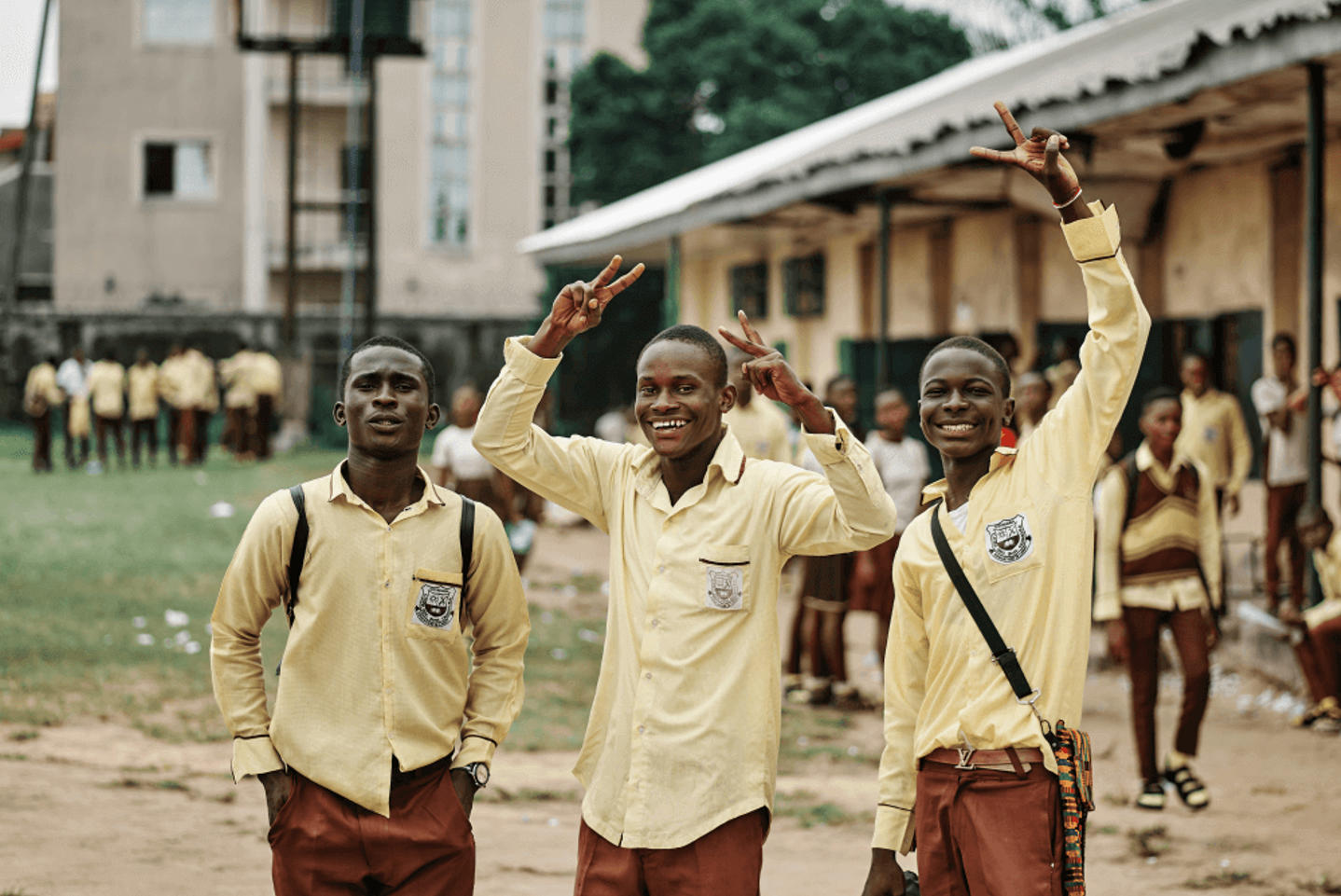
- Students in school uniforms riding buses
Safari is a controlled, conservation-focused experience—not a city tour.
7. “Africans don’t use technology” — Africa is a digital pioneer
Africa skipped landlines and went straight to mobile—and now leads the world in digital innovation:
- M-Pesa (Kenya): Launched in 2007, it allows anyone with a basic phone to send money, pay bills, and save. Used by 50+ million people.
- Flutterwave (Nigeria): A fintech unicorn valued at $3+ billion, processing payments for global brands like Spotify and Nike.
- Andela: Trains software developers across Africa and places them in remote roles with U.S. companies.
- Zipline (Rwanda): Uses drones to deliver blood and vaccines to remote clinics—saving thousands of lives.

Over 570 million Africans use the internet (2024)—more than the entire population of the European Union. Mobile penetration exceeds 80% in many countries.
8. “All Africans speak ‘African’” — Linguistic richness beyond imagination
There is no single “African language.” Africa is the most linguistically diverse continent on Earth:
- Arabic: Spoken by 150+ million in North Africa and the Sahel.
- Swahili: Official language in Tanzania, Kenya, Uganda; spoken by 200+ million.
- Hausa, Yoruba, Igbo: Major languages in Nigeria (each with 30–50 million speakers).
- Amharic: Ethiopia’s official language, with its own ancient script.
- Zulu, Xhosa, Afrikaans, Sotho: Dominant in Southern Africa.
Many Africans are multilingual—speaking a local language, a national lingua franca, English/French/Portuguese, and sometimes Arabic. This linguistic agility is a superpower—not a deficit.
9. “Africa has no history before colonization” — Ancient civilizations, global influence
This myth stems from colonial-era racism that denied African humanity. The truth? Africa has some of the world’s oldest and most advanced civilizations:
- Timbuktu (Mali): In the 12th–16th centuries, it hosted universities with 25,000 students and libraries holding 700,000 manuscripts on astronomy, law, and medicine.
- Great Zimbabwe: A stone city built between the 11th–15th centuries, with advanced dry-stone architecture and trade links to China and Persia.
- The Ishango Bone (DRC): A 20,000-year-old artifact with tally marks—possibly the world’s first calculator.
- Swahili Coast: From Somalia to Mozambique, city-states like Kilwa traded gold, ivory, and spices with Arabia, India, and China for centuries.
Africa didn’t “begin” with colonization. It was already global, literate, and sophisticated.
10. “It’s all about tribal conflict” — Stability, democracy, and reconciliation
Media often focuses on conflict—but ignores peace, democracy, and nation-building:
- Ghana, Botswana, Senegal, and Namibia have held peaceful democratic elections for decades.
- Rwanda rebuilt after genocide through community justice (Gacaca courts) and now leads in gender equality and environmental policy.
- Ethiopia has practiced Christian-Muslim coexistence for over 1,400 years.
- The African Union actively mediates conflicts and promotes continental integration.
Conflict exists—but so does peace. And peace deserves equal attention.
Why do these stereotypes persist?
These stereotypes about Africa didn’t appear by accident — they were built over centuries to justify power, not truth. Three main reasons:
- Colonial legacy: European powers portrayed Africa as “uncivilized” to justify exploitation.
- Media bias: Western news covers Africa mostly through lenses of war, famine, or wildlife—not innovation, culture, or daily life.
- Education gaps: Many school curricula still teach outdated, Eurocentric views of Africa.
But change is happening. African writers (Chimamanda Ngozi Adichie), filmmakers (Ryan Coogler, Wanuri Kahiu), musicians (Burna Boy, Angelique Kidjo), and entrepreneurs are reclaiming the narrative.
How to be a better traveler (and human)
- Learn before you go: Research the specific country—not “Africa.”
- Support African voices: Read books by African authors, follow African creators.
- Visit responsibly: Choose locally owned lodges, guides, and tours.
- Challenge stereotypes: When someone says “Africa is a country,” gently correct them — and share the real stories behind the stereotypes about Africa.
Africa Is not a monolith — It’s a living continent
Africa defies simplification. It is not a backdrop for safaris or a symbol of struggle — it is a living continent of innovators, artists, elders, and dreamers. To travel here is not to “discover” Africa, but to meet it — with humility, curiosity, and an open heart — moving beyond outdated stereotypes about Africa — because understanding them is the first step toward respectful travel and deeper human connection.
Ready to explore beyond the headlines? Dive into more Ola World guides for thoughtful, culturally grounded journeys across Africa, Asia, and the Americas — where every trip begins with respect and ends with connection.
Explore more Ola World travel guides for culturally rich, stereotype-free journeys across Africa, Asia, and the Americas.