Quick answer: Croissants come from Austria, hamburgers trace back to Germany, French fries were likely first fried in Belgium, and “Swiss cheese” isn’t even a real Swiss category. Food names and national reputations are often built by marketing, migration, and coincidence, not by where a dish was actually invented. Below are 15 of the most misleading famous foods cases, why the confusion happened, and what’s actually true.
If you’ve ever confidently told someone the croissant is so French or ordered Swiss cheese without a second thought, you’ve repeated one of the most common food myths in the world. National cuisines are proud and distinct, but the actual birthplace of many famous foods rarely matches the flag on the menu. Here’s the real story behind 15 of the world’s most famous foods.
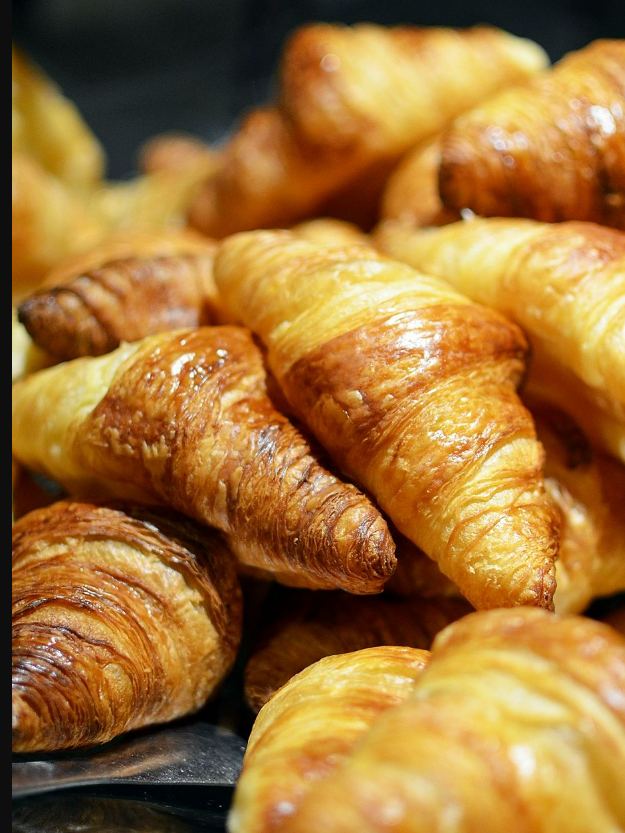
1. Croissants are Austrian, not French
Direct answer: The croissant descends from the Austrian kipferl, a crescent-shaped pastry baked in Vienna long before France adopted it.
France perfected the buttery, laminated version we know today, and Parisian bakeries turned it into a global symbol of French breakfast culture. But the shape and concept crossed into France only in the 19th century, reportedly via Austrian bakers who settled in Paris. France gets credit for refining it, Austria gets credit for inventing it.
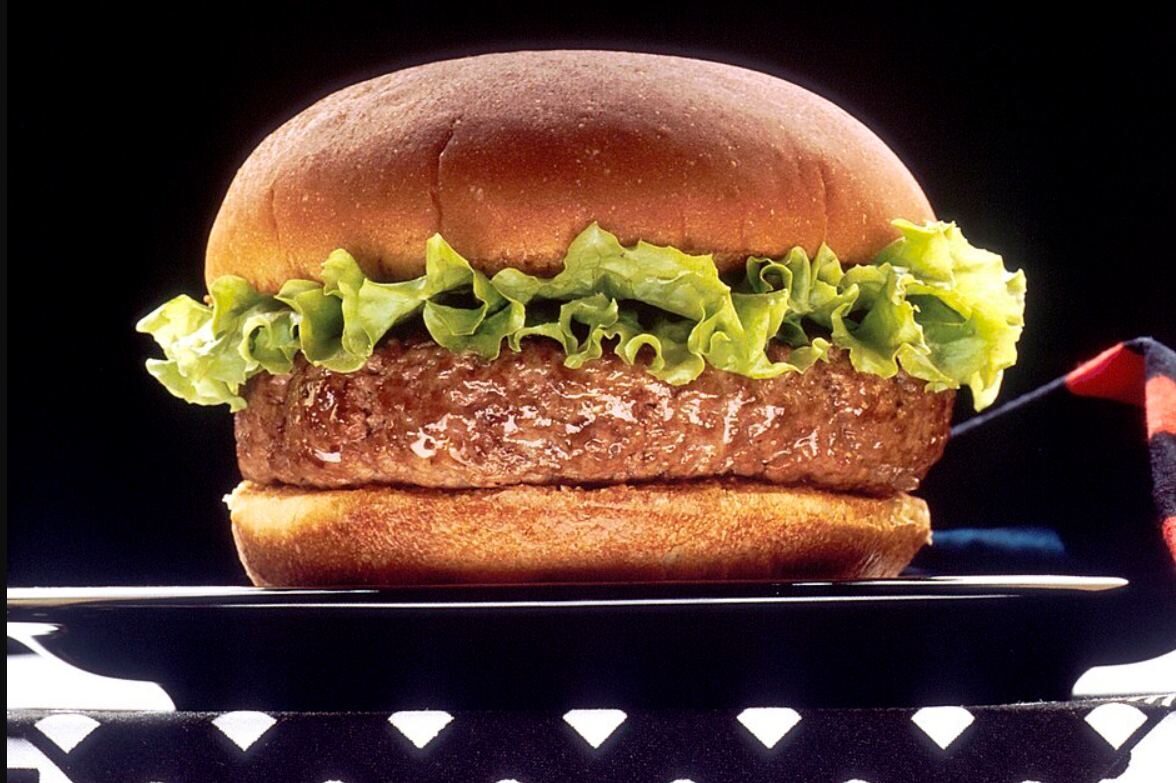
2. Hamburgers are German, not American
Direct answer: The name gives it away, “hamburger” comes from Hamburg, Germany, where minced-beef patties known as “Hamburg steak” were a local staple before European immigrants brought the idea to the United States.
The US turned the hamburger into a fast-food empire and added the bun-and-condiments format the world now recognizes, but the core idea, a seasoned beef patty, traveled across the Atlantic, not the other way around.
3. Churros likely trace back to China, not Spain
Direct answer: This is one of the most debated famous foods stories. One widely cited theory holds that Portuguese and Spanish sailors picked up a fried-dough technique in China and adapted it into what became the churro, later popularized across Spain and Latin America.
The exact origin is debated among food historians, but the purely Spanish invention version of the story leaves out centuries of trade routes that shaped the recipe long before it reached Iberian kitchens.
4. Bagels come from Poland, not New York
Direct answer: Among the famous foods linked to immigration, the dense, boiled-then-baked ring of dough was documented in Polish Jewish communities as early as the 17th century, centuries before it became a New York breakfast icon.
New York’s Jewish immigrant bakers in the late 1800s and early 1900s scaled up production and turned the bagel into a citywide institution, but the recipe itself immigrated with them.
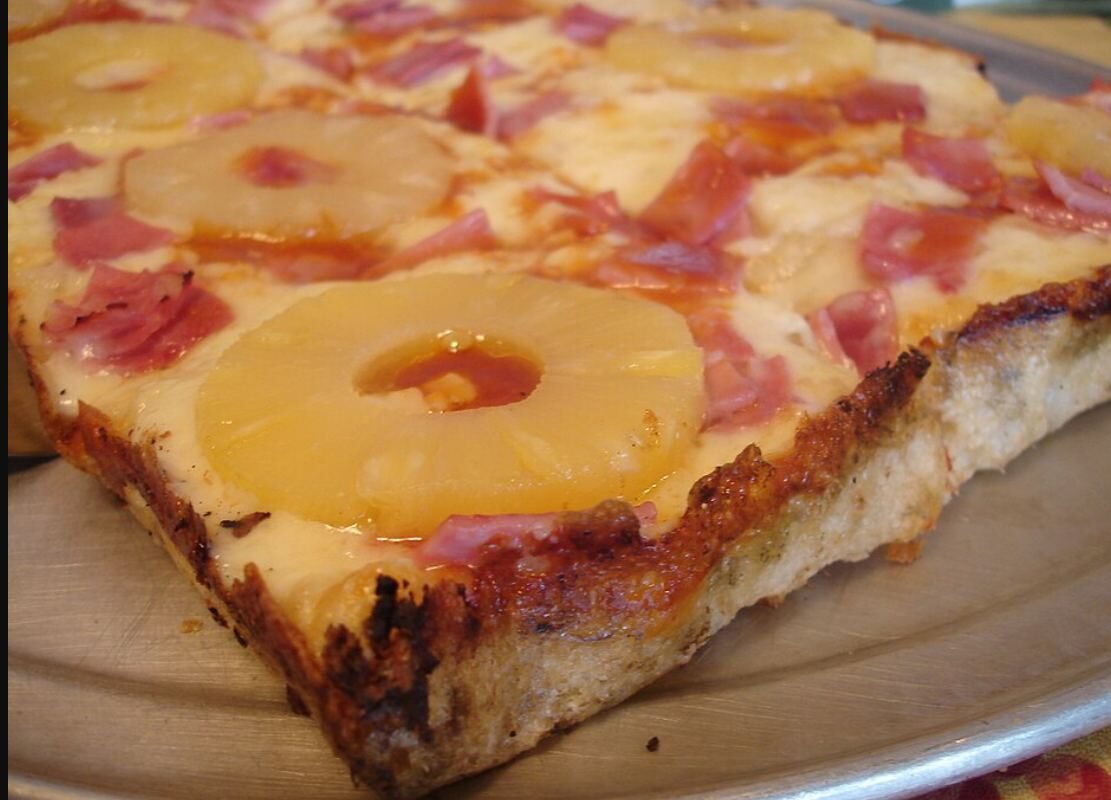
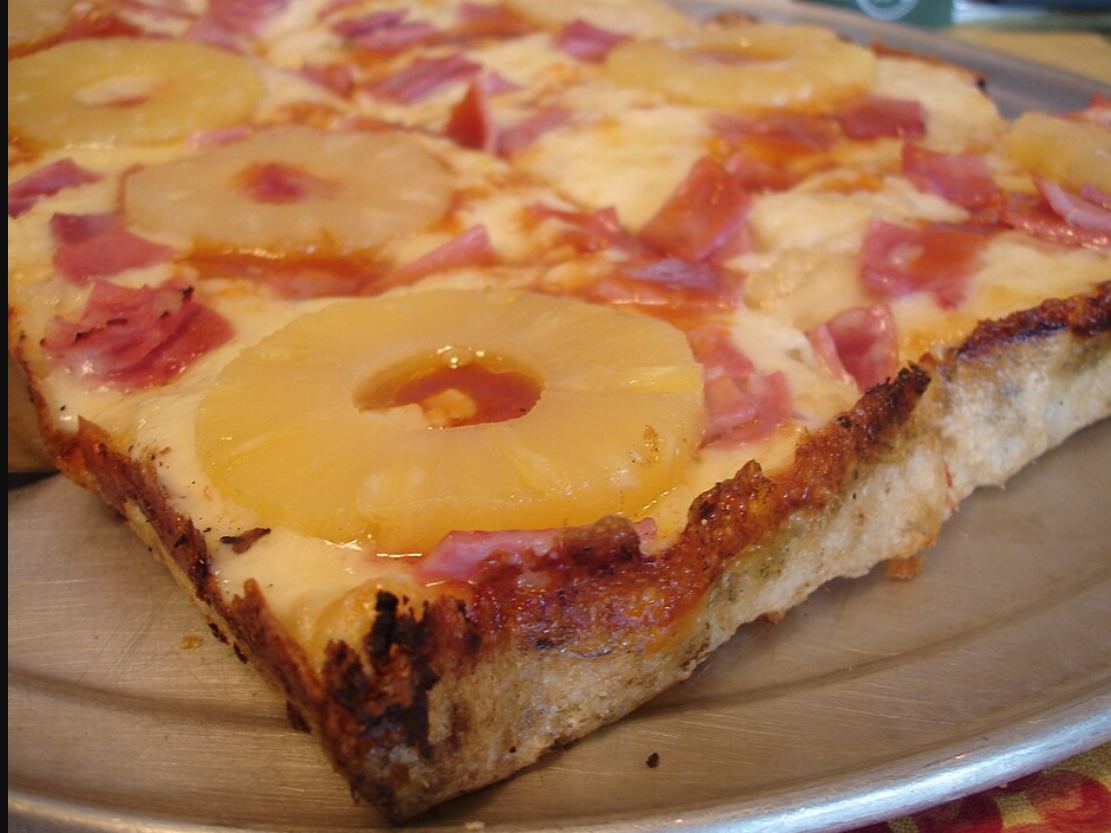
5. Hawaiian pizza was invented in Canada
Direct answer: Despite the name, Hawaiian pizza (ham and pineapple) was created in 1962 by Sam Panopoulos, a Greek immigrant running a restaurant in Chatham, Ontario, not in Hawaii.
This is one of the clearest cases on this list: there’s a documented inventor, a documented year, and a documented country, and none of them are Hawaiian.
6. Tempura is a Portuguese technique
Direct answer: The Japanese frying method known as tempura is widely traced to Portuguese missionaries and traders, who introduced a similar batter-frying style to Japan in the 16th century, tied to Lenten fasting customs.
Japan developed the technique into the refined, delicate dish known worldwide today, but the core cooking method arrived by ship from Europe.
7. Swedish meatballs have Turkish roots
Direct answer: According to a popular culinary account, King Charles XII of Sweden brought back a meatball recipe from his years in the Ottoman Empire in the early 18th century, later adapted into what’s now called Swedish meatballs.
IKEA made the dish a global export of Swedish culture, but the flavor concept behind it has a documented detour through Turkey first.
8. Sauerkraut originated in China
Direct answer: Fermented cabbage is recorded in China over two thousand years ago, reportedly used to feed laborers building the Great Wall, long before it became a defining feature of German cuisine.
The technique spread westward along trade and migration routes, and Germany eventually became the country most associated with it.
9. Corned beef and cabbage is an Irish-American invention
Direct answer: Another entry on this list of famous foods with misleading origins: the dish most people call traditional Irish food was largely created by Irish immigrants in the United States, who substituted cheaper corned beef for the pork more commonly eaten in Ireland itself.
It’s a real part of Irish-American heritage, just not a dish you’d historically find on a dinner table in Ireland before emigration patterns shaped it abroad.
10. French fries may be Belgian, not French
Direct answer: Belgium has the strongest historical claim to inventing fried potato strips, with food historians pointing to Belgian villages frying potatoes as early as the late 1600s.
One popular explanation for the French name: American soldiers in World War I encountered the dish in French-speaking parts of Belgium and assumed it was French. The debate between France and Belgium over fries is still unresolved, but French was likely a case of mistaken geography.

11. American Chinese food is mostly American
Direct answer: Dishes like fortune cookies and General Tso’s chicken, staples of Chinese takeout in the US, are largely unknown in mainland China, they were created or heavily adapted by Chinese immigrants cooking for American tastes.
This flips the usual myth: instead of a dish being wrongly credited to a foreign country, an entire cuisine category was built in one country and labeled with another’s name.
12. Tiramisu is newer than it looks
Direct answer: Tiramisu feels like a centuries-old Italian classic, but most food historians date its modern form to the 1960s-70s in Italy’s Veneto region, making it younger than many modern fusion desserts people assume are more traditional.
It’s genuinely Italian, just not ancient, a good reminder that traditional-looking and old aren’t the same thing.
13. Ketchup started as an Asian fish sauce
Direct answer: Few famous foods have traveled as far as ketchup. The word and early version trace back to ke-tsiap, a fermented fish sauce from Southeast Asia, which British sailors brought back to Europe centuries before tomatoes were added to the recipe in the United States.
The tomato-based, sweet version everyone recognizes today is a relatively recent American reinvention of a much older Asian condiment.
14. “Swiss cheese” isn’t a defined Swiss product
Direct answer: In Switzerland, there’s no single cheese called Swiss cheese, the term is a broad American label for cheeses styled after Emmental, one specific Swiss variety among many.
Ask a Swiss cheesemaker for Swiss cheese and you’ll likely get a confused look, the category exists mainly outside Switzerland’s own vocabulary.
15. “Dutch” fries-with-ice-cream isn’t uniquely Dutch
Direct answer: Friet met ijs (fries dipped in ice cream) is popular in the Netherlands and often framed as a Dutch invention, but sweet-and-salty street food mashups like it appeared independently in several European food scenes around the same time, making a single inventor country hard to pin down.
It’s a great example of a dish that’s strongly associated with one country without being provably from it.
Why do we get food origins wrong so often?
Direct answer: Food origin myths usually come from marketing, migration, and timing, not deliberate deception.
A dish often becomes “owned” by the country that perfects it, names it, or exports it globally, not necessarily the country where it was first made. Sushi is a useful comparison: Japan perfected and popularized it, even though early fish-fermentation-with-rice techniques are traced to Southeast Asia. The pattern repeats across almost every cuisine on this list.
For a deeper look at how food reputations get distorted by outside assumptions rather than history, see the real story behind Mexican food traditions, another case where the popular explanation doesn’t match the culinary facts.
Frequently Asked Questions
Does this mean “national dishes” are fake?
No. A country that perfects a dish, gives it its modern identity, and makes it a cultural export has a legitimate claim to it as heritage, this list of famous foods is about historical origin, not ownership or authenticity.
Which food on this list has the most disputed origin?
French fries. The France-versus-Belgium debate has gone on for decades, and food historians still don’t agree on a definitive answer.
Are there foods with no clear country of origin at all?
Yes, dishes like fries-with-ice-cream emerged independently in multiple places around the same time, so there’s no single birthplace to point to.
Why does the “wrong” country often get the credit?
Usually because that’s where the dish was industrialized, branded, or exported globally, visibility, not history, drives public perception of famous foods.