When travelers ask, “What do people eat in Palau?” they usually picture sushi and grilled fish. In reality, Palauan cuisine sits at a crossroads no other Pacific nation occupies. Four foreign administrations in under a century layered Japanese, Filipino, and American cooking on top of a reef-and-taro tradition thousands of years old. Every plate carries that history.
Here, food marks status as much as it fills stomachs. With 340 islands scattered across the western Pacific, Palau has rich reefs, volcanic soil that neighbouring atolls lack, and a matrilineal culture where a woman’s taro patch signals her family’s standing. Its food culture rests on three pillars: coconut, reef fish and seafood, and taro (kukau).
What do people eat in Palau? The three pillars of Palauan cuisine

1. Coconut (Lius): the base of every savoury dish
The coconut palm (lius) does the same work in Palau that it does across the Pacific, and nothing is discarded:
- Coconut cream, hand-grated and pressed, the cooking liquid for nearly every traditional dish
- Fresh flesh, grated into desserts or eaten raw
- Coconut water, the everyday drink before imported soda arrived
- Leaves, used to wrap food for the earth oven
- Shells and husks, fuel for cooking fires and grilling
This zero-waste habit is why what people eat in Palau still tastes distinctly local even when the protein came from a can.
2. Reef fish and seafood (Ngikel): the daily protein
Palau’s reefs are among the healthiest in the world, and the country protects 80% of its waters in a marine sanctuary. The catch reaching Palauan kitchens includes:
- Tuna and wahoo, the fish used for umai
- Parrotfish, snapper, grouper, grilled whole
- Mangrove crab (chemang), a prized delicacy
- Octopus, clams, sea cucumber
- Giant clam (kim), farmed as well as wild
Fishing remains a daily activity rather than an industry for most families. The distance from reef to plate is short enough that raw preparation is normal, which shapes what people eat in Palau more than any imported ingredient.
3. Taro (Kukau): the crop that carries status
Taro is not simply a starch in Palau. Taro patches are worked almost entirely by women, passed down through the mother’s line, and a well-kept patch is a public statement about a family’s standing.
Several varieties are grown. Soft cooking taro goes into everyday soups. Dense giant swamp taro (brak) is reserved for ceremonies, funerals, and first-birth celebrations, where the quantity served signals respect.
“A woman without a taro patch has no voice at the table.” A traditional Palauan saying.
Rice arrived under Japanese administration and now appears at most meals. But at any occasion that matters, taro is what gets served.
Traditional dishes: what people eat in Palau beyond umai
Reef fish and taro remain central to what people eat in Palau, a diet shaped by the same Rock Islands ecosystem recognized by UNESCO as a World Heritage site.
| Dish | What it is | When it’s eaten |
|---|---|---|
| Umai | Raw tuna or reef fish cured in lime, onion, chilli | Everyday and at every gathering |
| Demok | Taro leaves slow-cooked in coconut cream with crab or clam | Traditional, ceremonial |
| Fruit bat soup | Whole fruit bat simmered in coconut broth with ginger | Delicacy, special occasion |
| Tinola | Chicken soup with green papaya and ginger | Weeknight home cooking |
| Ulkoy | Deep-fried shrimp and squash fritters | Snack, party food |
| Broiled fish | Whole reef fish with garlic and ginger in banana leaf | Everyday |
| Pichi-pichi | Steamed cassava and coconut dessert | Celebrations |
| Taro soup | Taro simmered in coconut milk, often with fish | Family meals |
Umai: the dish that defines Palauan food
Umai is Palau’s raw fish salad and the single dish most likely to appear on any table. Thin slices of tuna or wahoo are dressed with fresh lime juice, sliced onion, bird’s-eye chilli, and sea salt. The acid firms the flesh rather than cooking it through.
It works because the fish is genuinely fresh, often caught the same morning. If you want to understand what people eat in Palau in one bite, this is it. Clean, sharp, and dependent entirely on the quality of the catch.
Demok: the taro leaf dish outsiders never hear about
Demok rarely appears in travel articles, yet Palauans name it as often as umai. Young taro leaves are cooked down slowly in thick coconut cream with mangrove crab or clam meat until the whole thing collapses into something between a stew and a purée.
The technique matters: taro leaves contain calcium oxalate and will burn the throat if undercooked. Getting demok right requires patience, and a cook who can make it well is respected for it.
Fruit bat soup: the dish visitors ask about
Fruit bat soup is real, still eaten, and still served in restaurants. The bat is cooked whole in coconut milk with ginger, and it arrives in the bowl intact, wings, head, and all.
It is not everyday food. It is expensive, increasingly rare as fruit bat populations decline, and plenty of Palauans have never tried it. Restaurants keep it on the menu largely because visitors ask.
Ulkoy and tinola: the Filipino layer
Palau has a large Filipino community, and its cooking has been fully absorbed rather than kept separate. Tinola, chicken simmered with green papaya and ginger, is standard weeknight food in Palauan homes. Ulkoy, deep-fried fritters of shrimp and grated squash, appears at every party.
Neither is considered foreign. This is simply part of what people eat in Palau now.
How is food cooked in Palau?
Three methods dominate, and each says something about the culture.
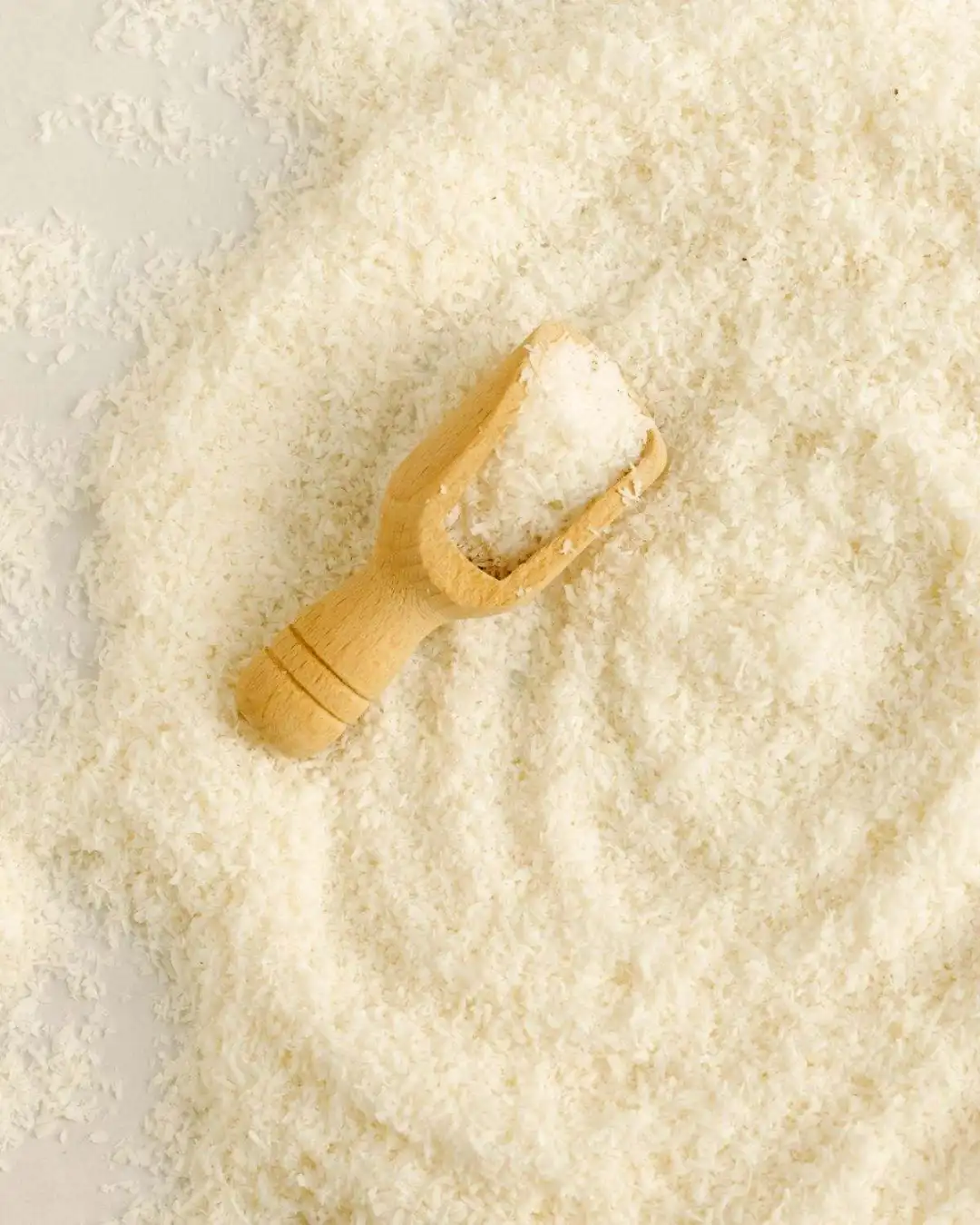
Coconut cream stewing. Fresh coconut is grated and pressed by hand into thick cream, then used as the cooking liquid for taro leaves, fish, and root crops. This is the flavor base that separates Palauan cooking from generic Pacific cooking.
The earth oven. Hot stones in a pit, food wrapped in banana leaves, everything buried for hours. Reserved for large gatherings rather than daily meals. The smoke and trapped steam produce a flavor no stovetop reproduces.
Open-fire grilling. Whole fish cooked directly over coals, sometimes over burning coconut husks. The simplest method and the most common.
What do people eat in Palau daily? Town versus village
In Koror, the urban center
Koror holds most of Palau’s population, and modern influence is obvious:
- Rice at nearly every meal, largely replacing taro
- Canned meat, especially spam, treated as ordinary food
- Japanese bento boxes and instant noodles widely sold
- Imported sugar, flour, and cooking oil in every kitchen
- Restaurants serving sashimi and tempura beside taro soup
In the outer states
Life stays closer to tradition:
- Breakfast: reheated taro or rice with fish
- Lunch: grilled reef fish, taro, coconut
- Dinner: demok, taro soup, or whatever the day’s fishing produced
Meals are shared, often eaten from communal platters. This is the clearest version of what people eat in Palau before imports reshaped it.
Why does Palauan food taste Japanese?
Because Japan administered Palau from 1914 to 1944, and the influence went deeper here than almost anywhere in the Pacific.
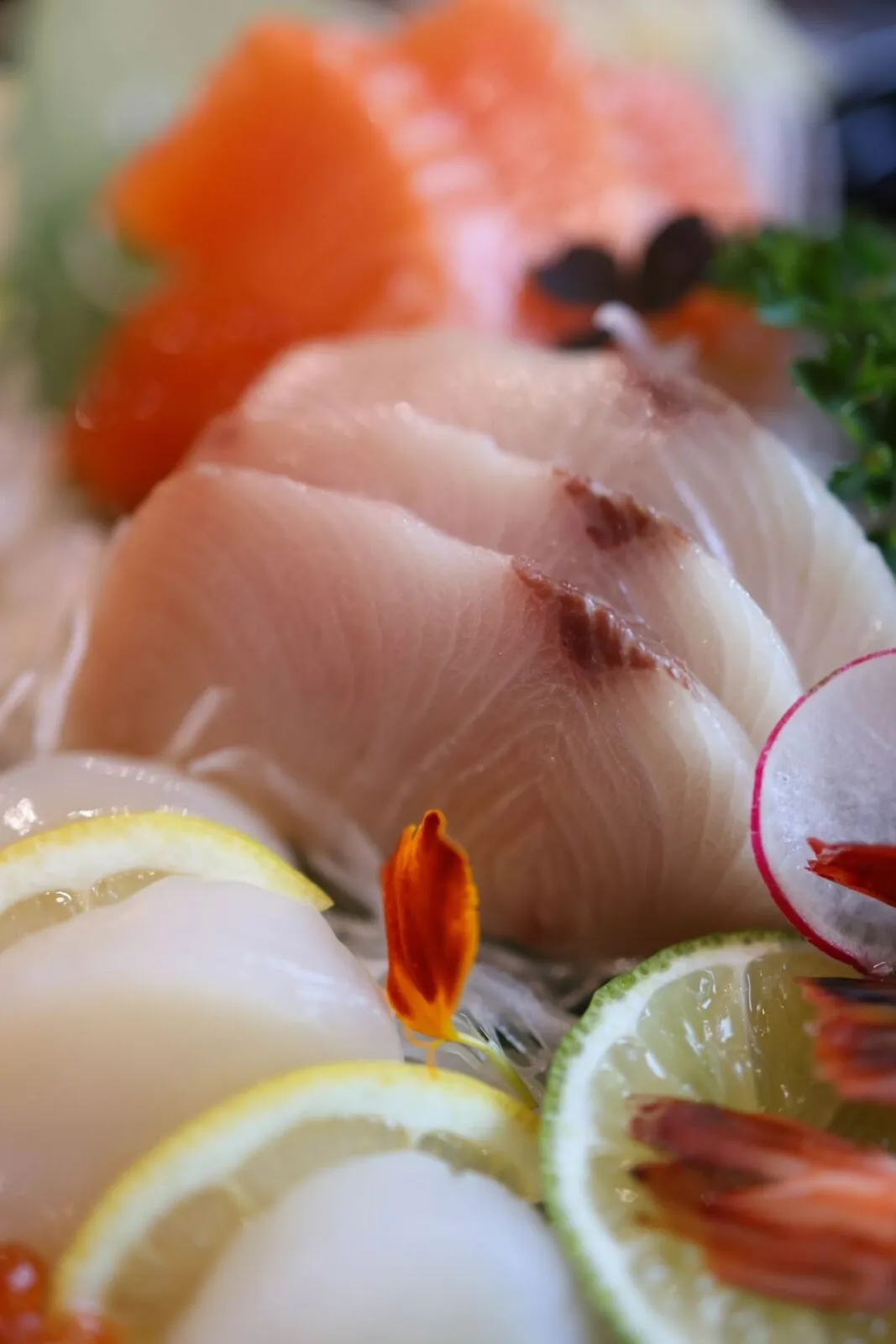
Sashimi is not exotic. It is normal food. Soy sauce and miso are pantry staples. Bento-style lunch boxes are sold in every convenience store. Older Palauans still use Japanese loanwords for kitchen equipment.
Spanish, German, Japanese, and American administrations each left traces, but the Japanese period reshaped the everyday table most thoroughly. Understanding that is essential to understanding what people eat in Palau today.
The health crisis nobody puts in the brochure
Palau has one of the highest rates of diabetes and obesity in the world, and the trend is going the wrong way fast. Diabetes prevalence among adults rose from about 11.1% in 2011 to 19.3% by 2024. Nearly a doubling in thirteen years. A WHO STEPS survey put the share of adults with prediabetes at roughly 40% on top of that. More than half the adult population is overweight, and non-communicable disease is the leading cause of death.
The traditional diet is not the cause. Reef fish, taro, and coconut are nutritionally sound. The problem is the shift away from it:
1. Imported starch replaced local starch
White rice and white flour displaced taro and breadfruit. They are cheaper, faster to cook, and available year-round, but they carry none of the fibre or micronutrients of the crops they replaced.
2. Canned meat replaced fresh fish
Spam and corned beef keep without refrigeration and cost less than the effort of fishing. In many households they now appear more often than reef fish.
3. Sugary drinks replaced coconut water
Imported soda is cheap and everywhere. Palau’s government responded with an import tax on sugary drinks, one of the first such taxes anywhere in the world, introduced well before the wave of soda taxes in wealthier countries, alongside public campaigns encouraging a return to local food.
The tax is worth taking seriously as policy. It applies at the point of import rather than at the till, which is far harder to avoid in a country where every can arrives by ship, and evaluations found measurable falls in sugary drink imports afterwards. Palau is now cited internationally as an early example that the mechanism works.
Whether it reverses the wider trend is a different question, and genuinely uncertain. A tax on soda does not touch the rice, flour and canned meat that make up most of the shift. But it is worth knowing before treating what people eat in Palau as a simple story about healthy island living.
How travelers can experience what people eat in Palau
Koror: where to actually eat
Hotel restaurants serve a safe, internationalised version of local food. Small roadside takeaway shops and market stalls are cheaper and considerably more interesting. Look for taro cakes, ulkoy, packed lunch plates, and fresh umai sold by weight.
The morning fish market is the best single stop for understanding what people eat in Palau, you see the catch before it becomes a dish.
Community events and family meals
Traditional food properly made, demok, earth-oven taro, ceremonial dishes, is served at family gatherings and community events rather than commercially. An invitation is worth more than any reservation.
Etiquette when you’re invited
- Bring a small gift; food, tea, or something for the household is appropriate
- Wait to be shown where to sit, seating often reflects rank
- Accept at least a small portion of everything offered
- Don’t refuse taro at a ceremony; it carries meaning beyond the food
- Compliment the cook, effort is noticed and appreciated
Respect the structure around the meal and you will be welcomed into the part of Palauan food culture that no restaurant sells.
Frequently asked questions: what do people eat in Palau?
What is the national dish of Palau?
Palau has no officially designated national dish, but umai, raw fish cured in lime with onion and chilli, is the strongest candidate and the dish most associated with Palauan cuisine.
Do people in Palau eat rice or taro?
Both. Rice is the everyday staple at most meals, while taro is the traditional staple reserved for ceremonies, funerals, and occasions carrying cultural weight. Serving taro is a mark of respect.
Is fruit bat soup really eaten in Palau?
Yes. It is a genuine traditional delicacy, served whole in coconut broth. It is expensive, increasingly rare as bat populations decline, and not eaten daily by most Palauans.
Is Palauan food spicy?
Mildly. Bird’s-eye chilli appears in umai and as a condiment, but heat is an addition rather than a defining feature. Coconut, lime, ginger, and garlic carry most of the flavor.
What do people drink in Palau?
Coconut water, imported soft drinks, coffee, and beer. Unlike much of the Pacific, kava is not traditional in Palau. Betel nut, chewed rather than drunk, fills the equivalent social role.
Is the tap water safe to drink in Palau?
In Koror, treated tap water is generally considered safe, though many residents and visitors drink bottled water. In outer states, rainwater catchment is common and boiling is advisable.
Conclusion: what do people eat in Palau? More than fish and rice
To understand what people eat in Palau is to read a century of foreign administration written onto a much older Pacific table. Taro patches still mark a family’s standing. Umai still depends on a morning catch. And spam still sits in the cupboard next to the miso.
The tension between those two lists is the real story. Palau’s food culture survived four colonial powers intact, and it is now being changed faster by imported convenience than by any of them. For travelers, eating here means seeing both at once. The reef-and-taro tradition that took three thousand years to build, and the rice-and-can diet that replaced it in fifty.
For a comparison with a neighbouring atoll nation where outside influence arrived much later, see our guide to what people eat in Kiribati, or explore more Oceania travel guides.