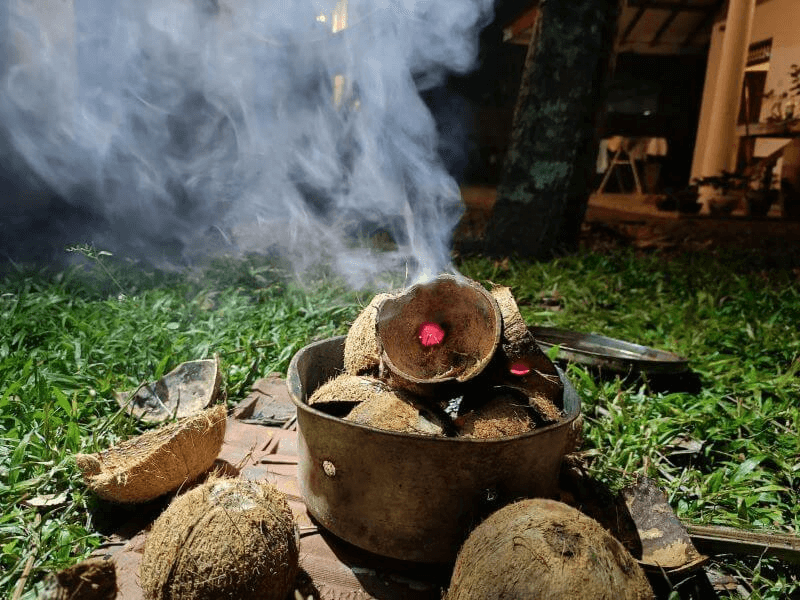
If you’ve ever wondered how to truly cook on coconut shells — not just as a gimmick, but as a slow, sustainable, and deeply flavorful method used by Sri Lankan locals for generations — you’re in the right place. This isn’t just about grilling; it’s about connecting with a tradition where nothing goes to waste. In fact, the same fire that turns coconut shells into glowing embers can also transform simple market ingredients into unforgettable meals. And if you’re planning a beachside cookout in Tangalle, don’t miss our guide to light, vibrant grill salads in Talalla — the perfect fresh side to your coconut-shell-smoked chicken or fish.
On a warm evening in Matara, Sri Lanka, we did something unforgettable: we cooked on coconut shells. Not in a fancy restaurant — but right on the beach, with friends, fresh fish, and a sack of dried coconut halves we bought for just $2.
What started as curiosity turned into one of the best barbecues of our lives. And it changed how we think about fire, food, and waste.
Why cook on coconut shells?
Cooking on coconut shells isn’t just eco-friendly — it’s better. Locals in Sri Lanka have done it for generations, and for good reason:
- 🔥 Burns 2–3x longer than wood
- 🌡️ Gives steady, even heat — perfect for grilling
- ☁️ Nearly smokeless (if shells are dry)
- 👃 Neutral flavor — won’t overpower your food
- ♻️ Turns waste into fuel (no trees cut down!)
If you want to cook on coconut shells like a true Sri Lankan, here’s everything you need to know — from where to find them to what to grill first.
How to cook on coconut shells: our beach barbecue
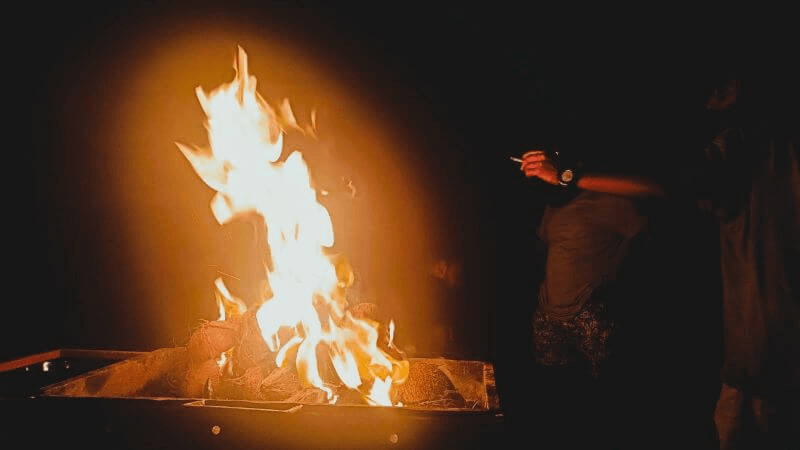
We used whole dried coconut shells, cut in half. No briquettes, no chemicals — just pure, natural shells. We stacked them in an old metal drum, lit the fire, and waited 15–20 minutes until they turned into glowing embers.
Then, we cooked three things — all incredibly simple, but unforgettable:
1. Fresh fish — straight from the Ocean
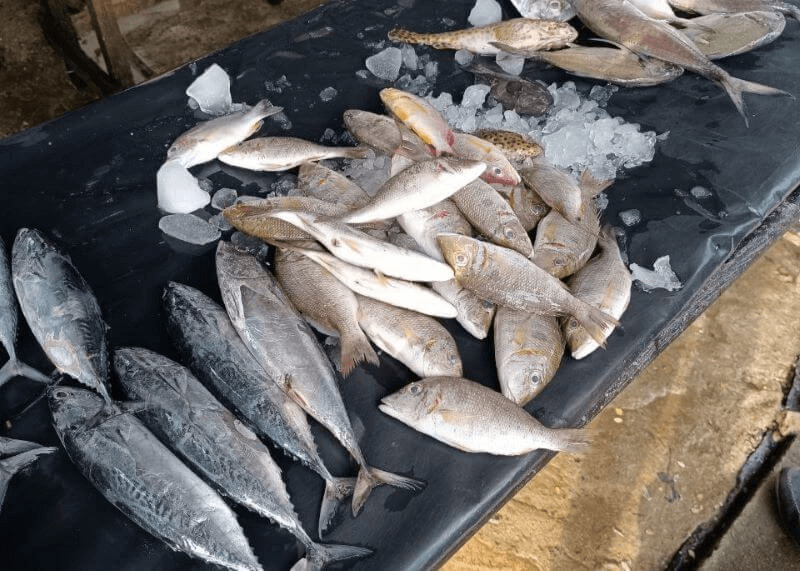
We bought small reef fish at the morning market, salted them, added a squeeze of lime, and placed them directly on the grill over coconut embers. The result? Crispy skin, tender flesh, and a whisper of smoke — no bitterness, just purity.
2. Grilled vegetables — charred & sweet
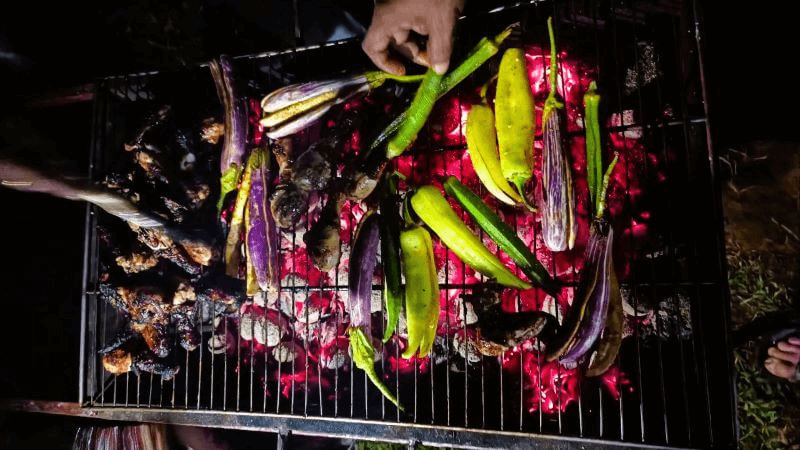
Eggplant, bell peppers, zucchini — sliced, oiled, and sprinkled with sea salt. Cooked over coconut shells, they caramelized beautifully, with just a hint of smokiness.
3. Spiced chicken wings & legs
Marinated in coconut milk, garlic, ginger, and Sri Lankan curry powder, then grilled until golden. The coconut smoke added a subtle depth you can’t get from charcoal or wood.
Where to get coconut shells for cooking
In Sri Lanka, ask for “dry coconut halves for cooking” at local markets or roadside stalls. They’re cheap — often just $1–2 for enough to grill for 4 people.
Outside Sri Lanka? Look for “100% natural coconut shell charcoal” (no additives) online or in eco-stores. Avoid briquettes with binders — they defeat the purpose.
How Sri Lankans use every part of the coconut
To locals, the coconut is sacred. Nothing is wasted:
- • Water – drunk fresh
- • Flesh – used in curries, milk, desserts
- • Shell – burned for cooking or carved into bowls
- • Husk fiber – made into ropes, mats, brushes
- • Leaves & trunk – used for roofing and weaving
Cooking on coconut shells isn’t poverty — it’s wisdom.
Can you cook on coconut shells at home?
Yes! If you can find natural coconut shell charcoal:
- Use a grill, fire pit, or metal drum
- Arrange shells in a pyramid
- Light with kindling or fire starter (they take 10–15 min to ignite)
- Wait until glowing red (no open flame)
- Grill as you would with regular charcoal
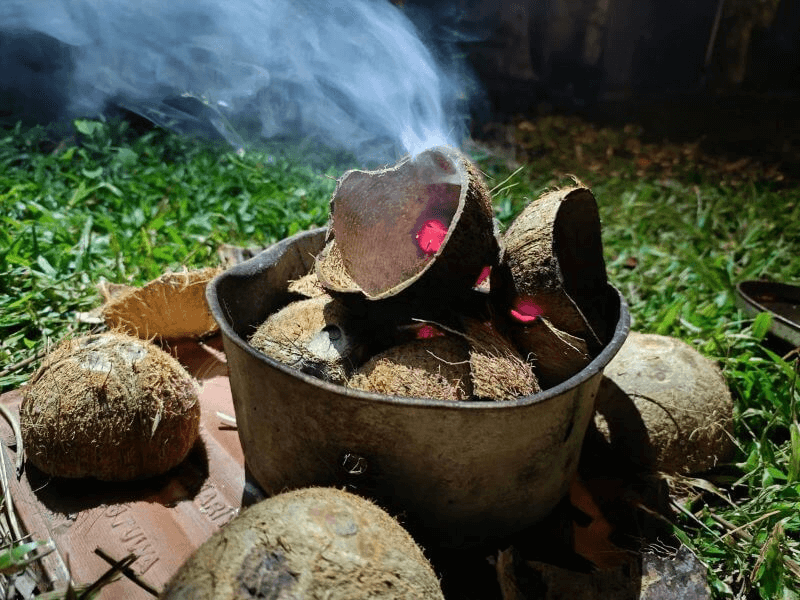
Tip: Coconut shells burn longer, so you’ll need fewer refills during long cooks.
Cooking on coconut shells is respect
To cook on coconut shells is to honor a cycle: the tree gives fruit, the fruit feeds you, the shell fuels your fire. Nothing is thrown away. Everything has purpose.
That night in Sri Lanka, we didn’t just grill dinner. We joined a tradition — quiet, sustainable, deeply human.
And if you ever get the chance to cook on coconut shells — say yes.