
Retirement, or simply more free time, opens the door to trips that were hard to fit in during busy working years. Travel for seniors today is as varied as any other kind of travel: river cruises and city breaks, walking trails and wellness retreats, long stays abroad and trips with grandchildren. The key is choosing trips that match your energy, health and interests, and planning a few practical details with care. Three things make the biggest difference: the right pace, comfortable logistics, and good health and insurance preparation.
This guide covers the best types of trips, destinations that work well for mature travelers, and practical tips on health, comfort and safety.

Slow travel: go deeper, not faster
Many experienced travelers prefer staying longer in fewer places. Instead of ten cities in two weeks, spend a week in one region: a city apartment in Florence, a village in Portugal, a lakeside town in Switzerland. Slow travel means less packing, less transport stress and more time to enjoy cafés, markets, museums and conversations.
Comfort is smart planning
Choosing comfort is not giving anything up; it is using your energy for what matters.
- Book hotels with elevators, good mattresses and walk-in showers.
- Choose central locations to reduce walking and transport.
- Consider small-group tours, where guides can adapt the pace.
- Fly at sensible times and break long journeys with a stopover.
- Pack compression socks for long flights and a supportive pillow.
Types of trips for seniors
| Type of trip | Why it works | Things to check |
|---|---|---|
| River cruises | Unpack once, gentle pace, daily excursions | Stairs on ships, walking level of excursions |
| City breaks | Culture, food, museums | Hills, cobblestones, transport accessibility |
| Small-group tours | Guidance, company, no logistics | Daily pace, group size |
| Rail journeys | Scenic, relaxed, no driving | Luggage handling, station access |
| Walking holidays | Exercise, nature, culture | Daily distances, luggage transfer |
| Long stays | Feel at home, lower costs | Healthcare access, visa rules |
Best destinations for travel for seniors
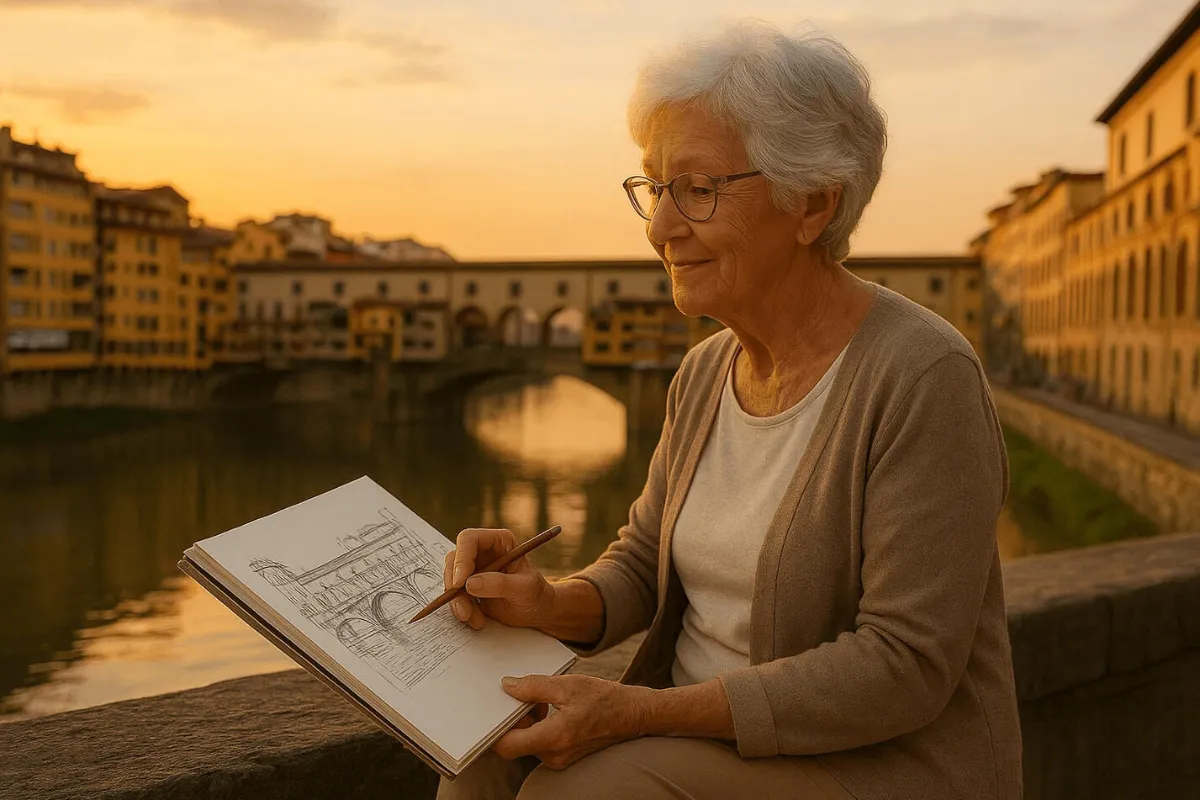
Europe’s cultural capitals
Cities like Vienna, Prague, Paris, Florence, Lisbon and Barcelona offer art, history and good public transport. Many museums and attractions have reduced prices for older visitors in some countries. Some cities are hilly or cobbled, so choose central neighborhoods and comfortable shoes.
River cruises
The Danube, Rhine, Douro, Nile and Mekong are popular for river cruises. Ships dock in town centers, cabins travel with you, and excursions often come in different activity levels. Medical staff are on board on some ships; check before booking if this matters to you.
Scenic train journeys
Switzerland’s Glacier Express and Bernina Express, the coastal railways of Italy and Portugal, and long-distance trains in Canada and the US offer beautiful scenery without driving.
Wellness and nature
Hot springs in Japan and Iceland, spa towns in Central Europe such as Karlovy Vary or Budapest’s thermal baths, and eco-lodges in Costa Rica combine relaxation with gentle walks and nature.
Walking trails at an easy pace
The final 100 km of the Camino de Santiago in Spain, sections of Japan’s Nakasendo Way between historic post towns, and vineyard walks in Portugal’s Douro Valley are popular. Many operators offer luggage transfers, so you walk with only a daypack.
Long stays in warm, affordable places
Many retirees spend part of the winter in warmer, more affordable destinations in Southern Europe or Southeast Asia. Check healthcare access, visa rules and insurance for long stays.
Health and medication
- Talk to your doctor before longer trips, especially if you have ongoing conditions.
- Carry medicines in their original packaging, with prescriptions and a list of generic names.
- Keep medicines in your carry-on bag, never in checked luggage.
- Bring enough for the whole trip plus a few extra days.
- Check whether any of your medicines are restricted in your destination.
- Know where the nearest hospitals or clinics are.
Travel insurance
Travel insurance is essential. Check that it covers your age, pre-existing conditions (declared in advance), emergency medical treatment and evacuation, and trip cancellation. Some policies have upper age limits or higher premiums for older travelers, so compare carefully. Our guide to family travel insurance explains what to look for.
Accessibility tips
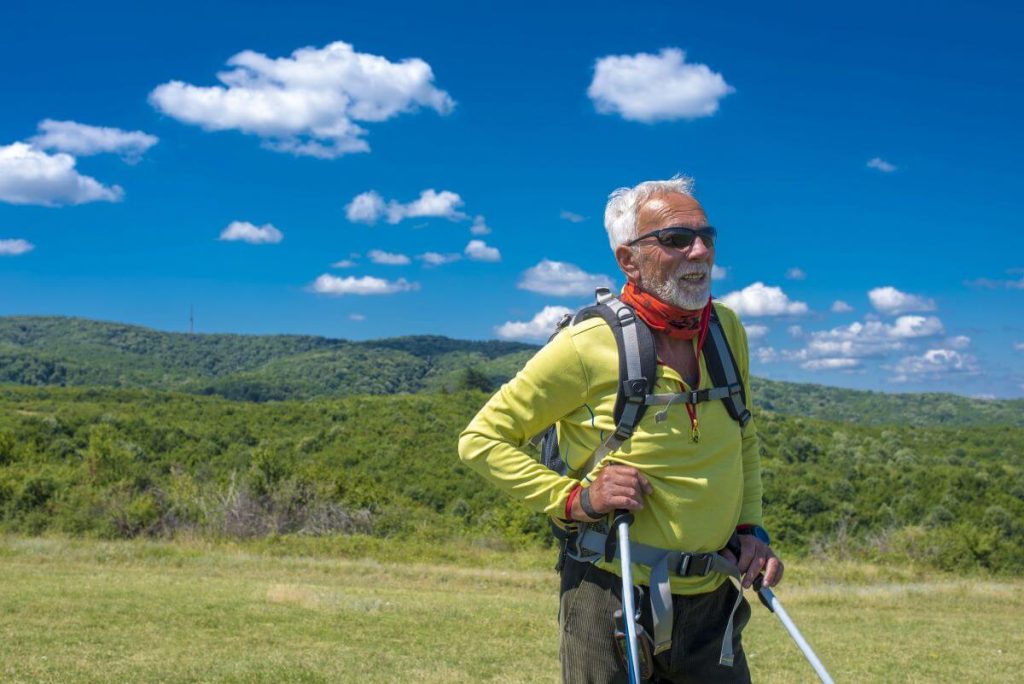
- Ask hotels for ground-floor rooms or rooms near elevators.
- Request wheelchair assistance at airports if walking long distances is difficult; it is usually free when booked in advance.
- Check accessibility of attractions on their websites before you go.
- Accessibility apps and websites can help find step-free routes and accessible venues.
Discounts for older travelers
Many airlines, rail companies, museums and attractions offer reduced prices for seniors, though age thresholds and rules vary by country. Rail cards and passes for older travelers can save money on train journeys. Always carry ID showing your age.
Traveling solo
Solo travel is increasingly popular among mature travelers. Small-group tours, river cruises with solo cabins, and organized walking holidays make it easy to meet people. Share your itinerary with family and keep emergency contacts at hand.
Traveling with grandchildren

Trips with grandchildren create special memories. Choose destinations with activities for different ages, plan rest time, and make sure you have the right documents. Many countries expect a signed consent letter from the parents when grandparents travel abroad with children; see our guide to passport and visa rules for kids.
Packing essentials
| Category | Items |
|---|---|
| Comfort | Two pairs of broken-in walking shoes, light layers, a hat |
| Health | Medicines, prescriptions, compression socks, sunscreen |
| Documents | Passport, insurance details, printed itinerary, emergency contacts |
| Luggage | Lightweight four-wheel suitcase, small daypack |
| Tech | Phone, charger, power bank, travel adapter |
Staying safe and connected
- Keep copies of documents in a secure cloud folder.
- Use a money belt or crossbody bag in crowded places.
- Save emergency numbers for your insurer and embassy.
- Download offline maps and a translation app.
- AI tools can help plan, but always check official sources; see our guide on how to use AI for travel planning.
What to avoid
Overpacking: heavy luggage is tiring; travel as light as you can.
No rest days: schedule slow days, especially on longer trips.
Skipping insurance: one medical emergency abroad can cost far more than the trip.
Trying to do too much: a few highlights per week is plenty.
Planning a comfortable long-haul flight
- Choose seats with easy aisle access, or pay for extra legroom on long flights.
- Walk around the cabin and stretch regularly; wear compression socks.
- Drink water and limit alcohol and caffeine.
- Keep medicines, glasses, a light sweater and essentials in your carry-on.
- Consider breaking very long journeys with a night in a stopover city.
Dealing with jet lag
Adjust to local time as quickly as possible: spend time outdoors in daylight, eat meals at local times, and plan an easy first day. Avoid scheduling important tours or long walks on the day you arrive. Many experienced travelers book a hotel near the airport or city center for the first night to make arrival simple.
Choosing the right tour or cruise
Before booking, ask:
- How much walking is involved each day, and on what kind of terrain?
- Are there stairs on the ship or at hotels without elevators?
- What is the group size, and is there a guide who can adapt the pace?
- Is there free time built in, or are days fully scheduled?
- What is the policy if you need to skip an excursion?
Operators that specialize in mature travelers usually describe activity levels clearly, which helps you pick a trip that fits.
Frequently asked questions
What are the best types of trips for seniors?
River cruises, small-group tours, scenic train journeys, city breaks and slow, longer stays are popular because they combine comfort with experiences.
Do seniors need special travel insurance?
Seniors need insurance that covers their age, declared pre-existing conditions and emergency evacuation. Compare policies, as rules and prices vary by age.
How can seniors travel on a budget?
Travel off-season, use senior discounts, choose affordable destinations and stay longer in one place. Our budget travel guide has more ideas.
Is solo travel safe for older travelers?
Yes, with good planning. Small-group tours and cruises make it easy to travel independently while meeting others.
What should seniors pack for a trip?
Comfortable shoes, light layers, medicines in carry-on, documents and a lightweight suitcase with four wheels.
The world is still yours
Travel for seniors is about choosing the trips that suit you: the pace, the comfort and the experiences you care about most. Plan your health and insurance carefully, travel a little slower, and leave room for the unplanned moments that make every journey memorable.