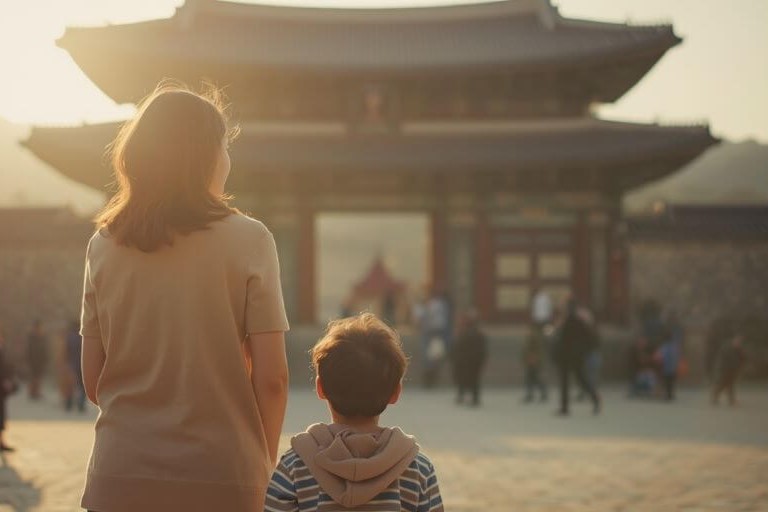
South Korea is safe, clean, efficient and full of things children love, from palaces and mountain trails to aquariums, theme parks and street snacks. Traveling South Korea with kids is easier than many parents expect, and the country is often described as one of the most family-friendly destinations in Asia. Three things make it work so well: excellent public transport and infrastructure, food that is easy to adapt for children, and a huge choice of activities designed with families in mind.
This guide covers getting around with a stroller, what kids can eat, the best experiences in Seoul and beyond, and the few challenges worth knowing about.
Why South Korea is surprisingly kid-friendly
Korean cities are built for everyday family life. Public spaces are clean, most subway stations in Seoul and Busan have elevators, department stores and malls have nursing rooms and changing tables, and public restrooms are generally free and well kept.
South Korea also has a very low rate of street crime. Many parents notice how relaxed it feels to walk with children in the evening, and locals are often warm toward kids, offering a smile or giving up a seat on the subway.
There is also a whole industry of family activities: indoor “kids cafés” with play areas, children’s museums, huge parks along the Han River, and theme parks for every age.
Getting around Korea with a stroller
Subway. Seoul’s subway is one of the best in the world. Most stations have elevators (look for the wheelchair symbol on station maps), announcements are in English, and trains are frequent and clean. Some older stations and exits only have stairs or escalators, so check the route in a map app before you go.
Transport cards. A rechargeable T-money card works on subways, buses and many taxis across the country. Children pay reduced fares with a child card, and young children (under 6) usually travel free with an adult on the subway.
Buses. Many city buses are low-floor models, but they can be crowded and drivers move off quickly. With a stroller, the subway is usually easier.
Trains. The KTX high-speed train connects Seoul and Busan in under three hours, with space for luggage and strollers and reduced fares for children.
Taxis. Taxis are plentiful and affordable. Bring your own child seat or a travel booster if you plan to use them often, as taxis rarely provide one.
Where it gets harder. Hilly, historic neighborhoods such as Bukchon Hanok Village have steep lanes and steps. Busy markets and festival areas can be crowded. A lightweight stroller or a baby carrier is the best combination.
Food in South Korea with kids (yes, it’s not all spicy)
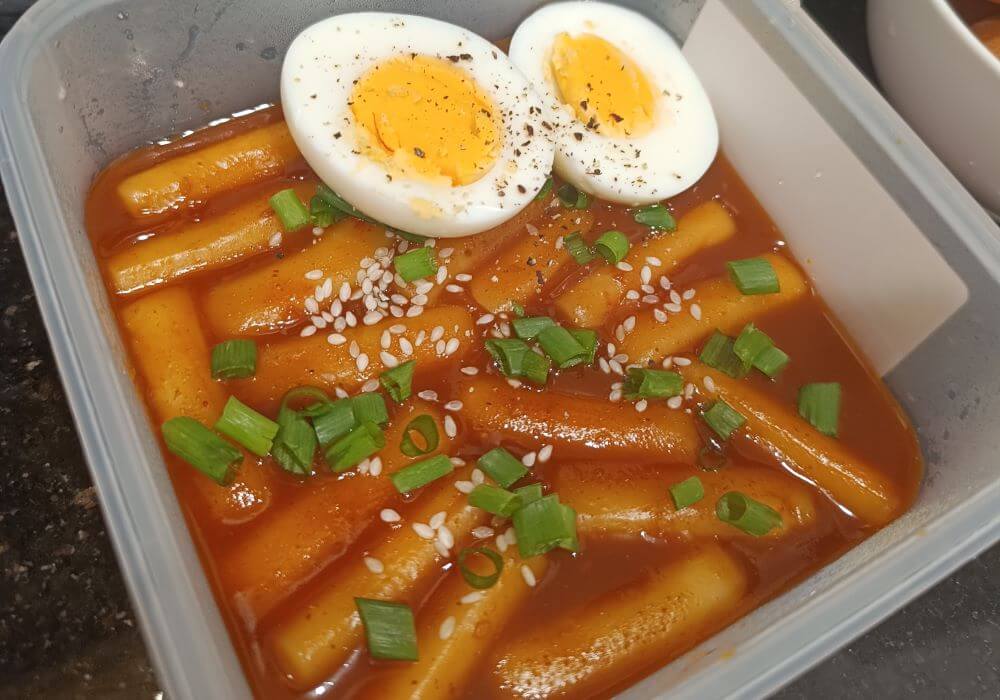
Korean food is famous for chili, but many dishes are mild, and children often love them.
Kid-friendly dishes:
| Dish | What it is |
|---|---|
| Gimbap | Rice and fillings rolled in seaweed, like a sushi roll; easy to eat on the go |
| Gyeran-jjim | Soft, fluffy steamed egg |
| Japchae | Sweet potato glass noodles with vegetables and sesame |
| Bulgogi | Thin slices of marinated grilled beef, sweet rather than spicy |
| Mandu | Steamed or fried dumplings |
| Gungjung tteokbokki | “Royal court” rice cakes stir-fried in a soy sauce, not chili |
| Juk | Rice porridge, gentle on tired or unwell tummies |
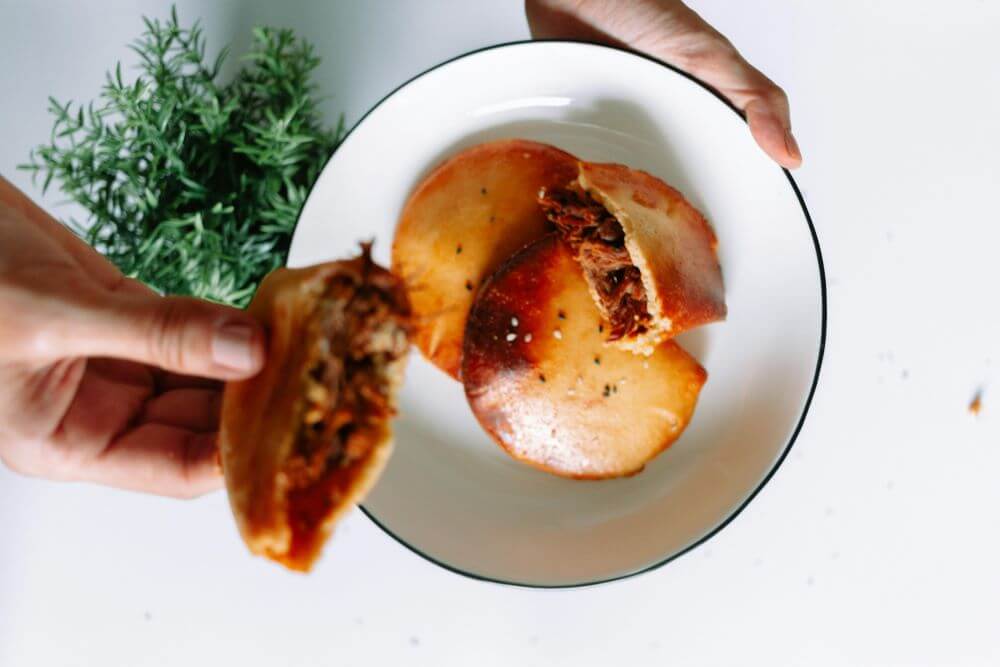
Sweet snacks: hotteok (pancakes filled with brown sugar and nuts), bungeoppang (fish-shaped pastries filled with red bean, custard or chocolate) and gyeran-ppang (egg bread) are popular street treats, especially in winter.
A useful phrase: an maepge haejuseyo (안 맵게 해 주세요) means “please make it not spicy”. Not every dish can be made mild, but many restaurants will try, or will point you to non-spicy options.
Good to know: Korean restaurants often serve many small side dishes (banchan), some spicy and some mild, so children can pick what they like. Convenience stores are everywhere and sell kid-friendly snacks, milk, fruit and rice balls, which is a lifesaver on long days.
Best experiences in Korea with kids
Palaces in Seoul
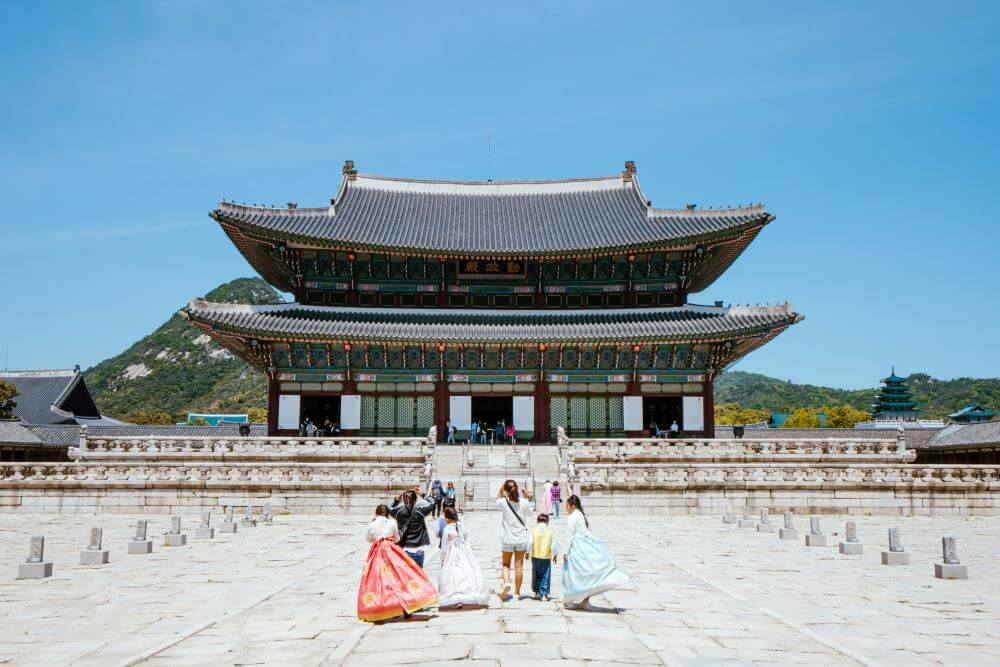
Gyeongbokgung, the largest of Seoul’s royal palaces, has wide courtyards, colorful gates and a regular changing of the guard ceremony that children love. Visitors wearing hanbok, traditional Korean clothing, can enter Seoul’s main palaces for free. Many rental shops near the palaces have children’s sizes, and prices depend on the outfit and rental time. Note that palaces usually close one day a week, so check the schedule.
Han River parks and Seoul Forest
The Han River is lined with parks with playgrounds, cycling paths, picnic areas and summer swimming pools. In the evening, the Banpo Bridge fountain show lights up the water. Seoul Forest is a large park with deer, playgrounds and shady paths.
Museums and indoor fun
The National Museum of Korea has a dedicated children’s museum with hands-on exhibits, and the National Folk Museum of Korea also has a children’s section. Seoul Children’s Grand Park combines a small zoo, gardens and playgrounds. On rainy days, aquariums such as the one in COEX Mall and countless kids cafés keep children busy.
Theme parks
Lotte World in Seoul is a large indoor and outdoor theme park, useful in any weather. Everland, south of Seoul, combines rides with a zoo and safari area and is a full day out.
Bukhansan National Park
Right on Seoul’s northern edge, Bukhansan offers mountain trails within reach of the subway. The summit trails are steep and rocky and best for older children, but shorter valley walks along streams and to temples are perfect for families.
Busan
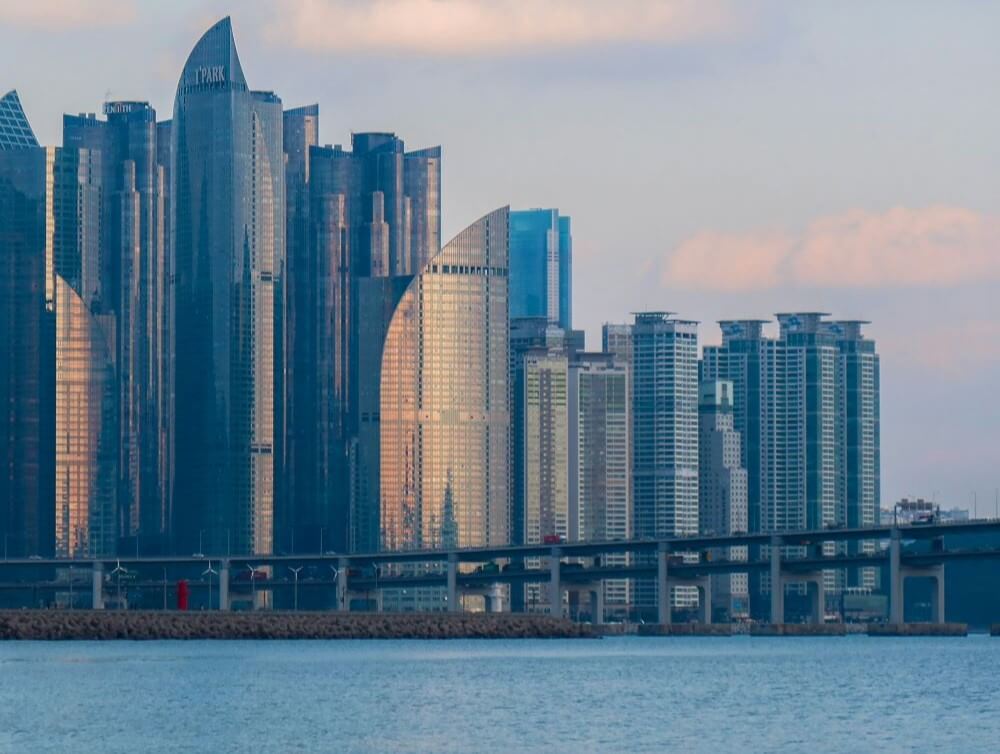
Korea’s second city is a great coastal stop with kids. Haeundae Beach is busy and lively in summer, the SEA LIFE Busan Aquarium is right on the beachfront, Gamcheon Culture Village is a colorful hillside neighborhood full of art (with plenty of steps), and Jagalchi Fish Market is fascinating for curious kids.
Jeju Island
A short flight from Seoul or Busan, Jeju is a favorite for Korean families, with beaches, volcanic landscapes, easy walking trails, lava tubes and many family attractions.
Challenges of traveling Korea with kids
Stairs. Temples, historic neighborhoods and some subway exits involve stairs. A baby carrier helps.
Crowds. Popular spots get very busy on weekends, public holidays and during cherry blossom season. Visit major sights early on weekdays.
Language. English signage is good in transport, but less common in small restaurants. Translation apps and picture menus help a lot.
Weather. Summers are hot and humid with a rainy season, and winters are very cold. Spring and fall are the most comfortable seasons for families.
Spicy food. Many dishes are spicy by default. Check before ordering and keep a few familiar snacks in your bag.
Practical tips for families
Best time to visit: spring (April–May) and fall (September–November) for mild weather and colorful scenery.
Where to stay: in Seoul, areas with good subway connections and plenty of restaurants, such as Jongno (near the palaces), Myeongdong or Hongdae, are convenient. Serviced apartments with a kitchen and washing machine are popular with families.
Apps: local map apps work better than global ones for public transport directions in Korea. Download one before you arrive, along with a translation app.
Health: pharmacies are easy to find in cities, and healthcare is excellent. Travel insurance is still recommended.
Common mistakes to avoid
Packing too many cities into a short trip. Seoul alone can easily fill a week with kids. Add Busan or Jeju only if you have more time.
Relying only on global map apps. They often give incomplete directions in Korea. Use a local app.
Visiting palaces on their closing day. Check opening days before you plan your route.
Ordering without checking spice levels. Ask for non-spicy dishes and look at photos on menus.
Questions parents ask
Is South Korea good for traveling with kids?
Yes. South Korea is safe, clean and well organized, with excellent public transport, mild kid-friendly dishes and many family attractions, from palaces and parks to theme parks and aquariums.
Can I travel South Korea with a stroller?
Yes. Most subway stations in Seoul and Busan have elevators, sidewalks are generally smooth, and malls and stations have family facilities. Historic neighborhoods and temples have steps, so a baby carrier is a good backup.
What can kids eat in South Korea?
Gimbap, steamed egg, japchae, bulgogi, dumplings, soy-sauce rice cakes and sweet snacks like hotteok are popular with children. Ask for dishes “not spicy” with an maepge haejuseyo.
Is South Korea safe for families?
South Korea has low rates of street crime and is widely considered very safe for families. The usual precautions with traffic and crowds still apply.
What is the best time to visit South Korea with kids?
Spring and fall offer mild weather and fewer extremes. Summer is hot and rainy, and winter is cold, though winter is good for snow activities.
Planning your family trip to Korea
South Korea with kids combines the comfort of a modern, efficient country with plenty of culture, nature and fun. Base yourself in Seoul, explore palaces and parks, add Busan or Jeju if you have time, and keep a few non-spicy dishes and convenience-store snacks in your plan. Most families leave impressed by how easy it is, and with children asking when they can go back.
If you are looking for a very different kind of family trip, our guide to the best places to visit in Australia with kids is a good next read.