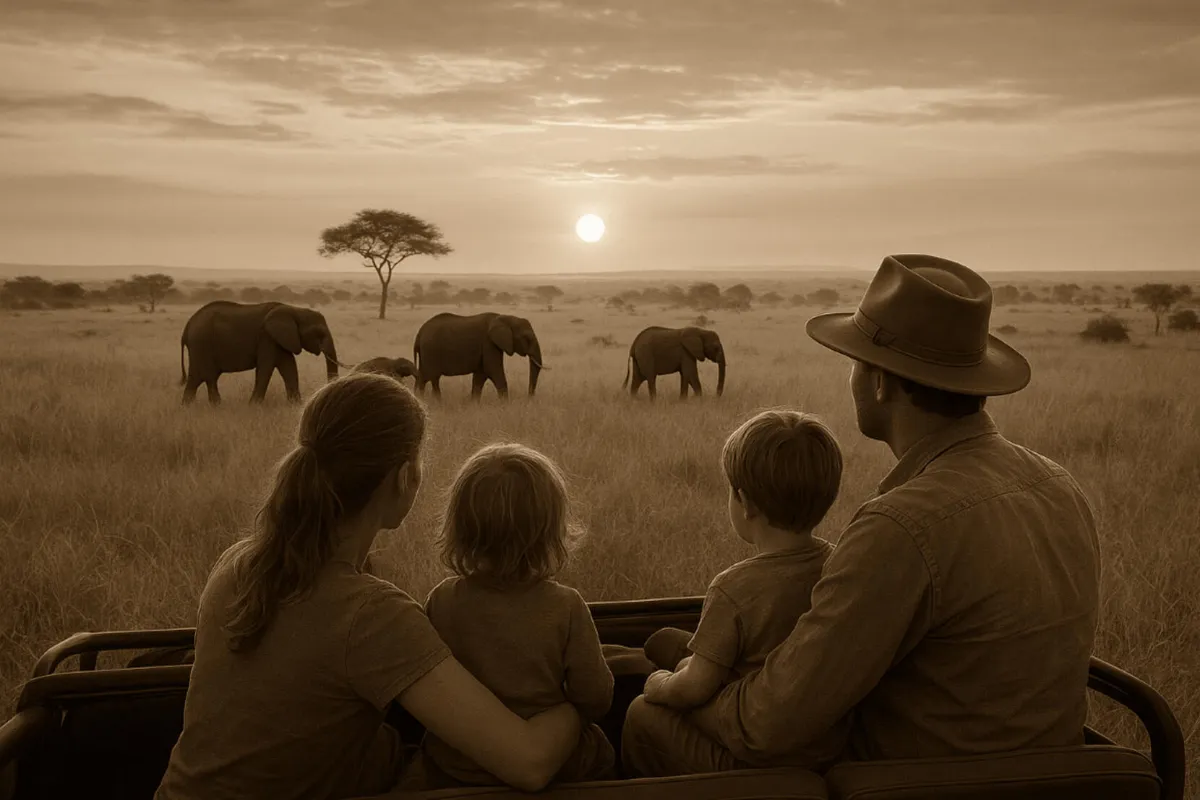
Seeing an elephant herd cross the plains or a giraffe step out from behind an acacia tree is the kind of moment children remember for the rest of their lives. Kenya with kids is very doable, and many families find it one of the most rewarding trips they ever take. It works best when three things are planned well: the timing and the parks you choose, family-friendly lodges with the right age rules, and health and comfort details such as food, malaria protection and long drives.
This guide covers when to go, where to stay, what children can eat, what to pack, and a few Swahili words kids love to use.
Why Kenya works for families
Kenya is one of the most established safari destinations in Africa. Its main parks are well organized, guides are used to visiting families, and many lodges have family tents, early dinners for children and activities designed for younger guests.
For kids, the appeal is simple. Animals are not behind glass. Zebras graze next to the road, baboons wander past the vehicle, and lions rest in the shade a few yards away. Even children who are usually glued to a screen tend to forget about it after the first game drive.
Kenya also offers variety. In one trip you can combine a classic savanna safari, a visit to a conservancy with community projects, and a few days on the Indian Ocean coast, where the beaches are calm and warm.
When to visit Kenya with kids
Long dry season (roughly late June to October). This is the most popular time. Grass is shorter, animals gather near water, and wildlife is easier to spot. In the Maasai Mara, the Great Migration of wildebeest and zebras usually arrives in this period, though the exact timing changes from year to year. It is also the busiest and most expensive season, so book early.
Short dry season (roughly January to February). Hot, mostly dry and often a little quieter. A good option for families who can travel outside the summer holidays.
Rainy seasons (roughly March to May and November). Some roads become muddy and a few camps close, especially in the long rains. Prices drop, the landscape turns green, and there are many baby animals, but planning needs to be more flexible.
US school holidays fit the long dry season well, which is one reason it is the classic time for a Kenya family safari.
Best places in Kenya for families
Maasai Mara. The most famous reserve, with big cats, huge herds and the migration. Private conservancies around the main reserve are often better for families: fewer vehicles, more flexible rules, and sometimes walking or night drives for older children.
Nairobi. Many families spend a day here at the start or end of the trip. Popular stops include Nairobi National Park, where you can see wildlife with the city skyline behind it, the Giraffe Centre, where kids can feed giraffes from a raised platform, and the elephant orphanage run by the Sheldrick Wildlife Trust, with daily visiting times.
Laikipia. A high, cooler plateau with private conservancies, rhino projects and a quieter feel. A good choice for families who want space and fewer crowds.
Amboseli. Known for large elephant herds with Mount Kilimanjaro in the background on clear days. Flat, open landscapes make game viewing easy for small children.
The coast (Diani, Watamu, Malindi). White beaches and shallow, warm water make a perfect “rest” at the end of a safari. Check tide times, as the sea goes out a long way at low tide.
Choosing a family-friendly safari lodge
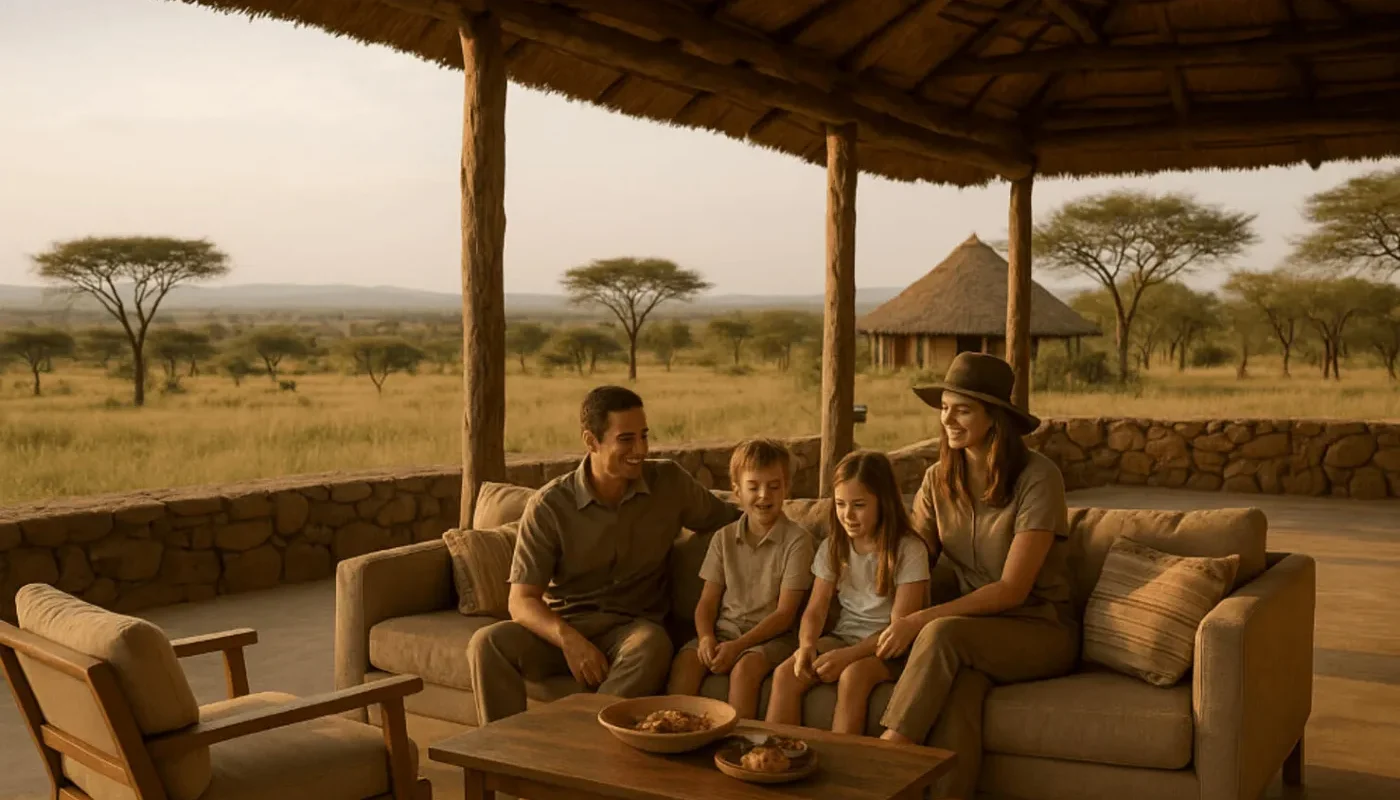
The right lodge makes the biggest difference to a safari with children. When comparing options, look for:
Minimum ages. Many camps set age limits, for example for walking safaris, canoe trips or even shared game drives. Some do not accept young children at all. Always check before you book.
Family tents or private houses. Interconnecting tents or small family villas keep everyone together and safe at night.
Private vehicles. With a private vehicle, you can stop when the kids are tired or hungry and return to camp early without affecting other guests.
Children’s programs. Some camps offer junior ranger activities, tracking lessons, beadwork or bush skills, which keep kids busy between game drives.
Fences and pools. Many camps are unfenced, with wildlife walking through. Families with small children may prefer lodges with clearly protected areas and a fenced pool.
Family-friendly lodges travelers often consider
| Lodge | Area | Why families like it |
|---|---|---|
| Saruni Mara | Maasai Mara conservancy | Family villas, private guiding, quiet conservancy setting |
| Cottar’s 1920s Camp | Next to the Maasai Mara | Family tents, private conservancy, classic safari style |
| Ol Malo | Laikipia | Family-run, remote, activities on the plateau |
| Porini Rhino Camp | Ol Pejeta, Laikipia | Small eco-camp in a rhino conservancy |
| Finch Hattons | Tsavo West | Luxury camp with pools and wildlife viewing |
| Giraffe Manor | Nairobi | Giraffes at the breakfast windows; book very far ahead |
Policies, age limits and prices change, so confirm details directly with each lodge.
Kid-safe food guide: what to try and what to skip
Kenyan food is generally mild and filling, which makes it easier for children than many people expect. Lodges also usually prepare simple dishes for kids on request.
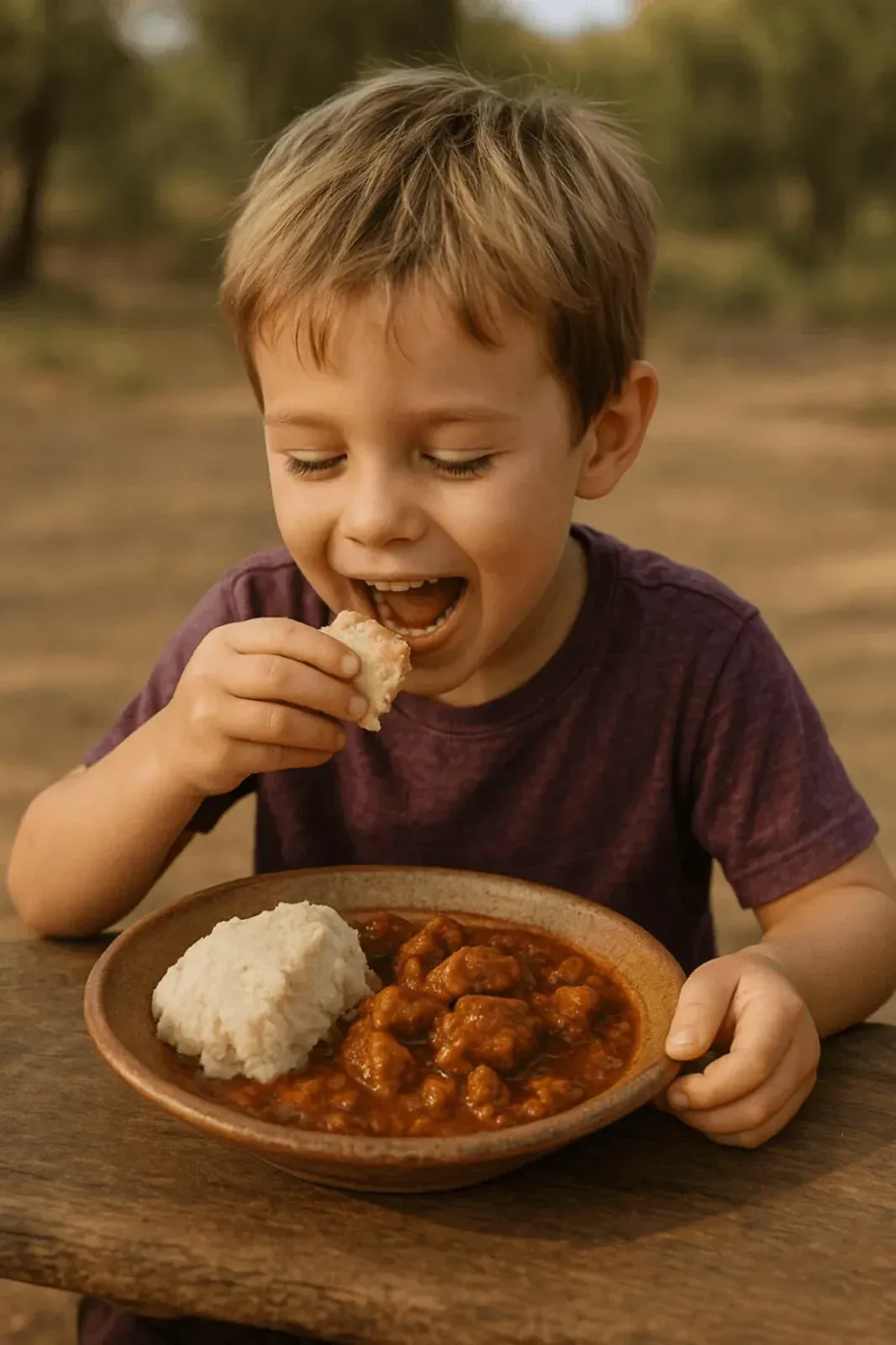
Usually loved by kids: ugali (a soft cornmeal staple), chapati (flatbread), rice, grilled chicken, nyama choma (grilled meat), grilled tilapia, mandazi (lightly sweet fried dough), and fresh fruit such as mango, papaya, bananas and pineapple.
Approach with care: street snacks like samosas (choose busy stalls with fresh food), salads and peeled fruit you did not prepare yourself, and spicy stews (ask for mild).
Drinks: bottled or properly filtered water only. Tap water is not considered safe to drink. Fresh coconut water on the coast and fresh juices at reliable lodges are popular with children.
Bring a few familiar snacks from home for long drives and picky days. They make a big difference.
Health and safety with children
See a travel doctor early. Visit a travel clinic several weeks before departure to discuss routine vaccines, vaccines recommended for Kenya, and entry requirements.
Malaria. Malaria is present in many parts of Kenya, including popular safari and coastal areas. Ask your doctor about antimalarial medication suitable for your children’s ages, and use insect repellent, long sleeves at dusk and mosquito nets.
Sun and heat. The equatorial sun is strong. Pack hats, sunscreen and plenty of water for game drives.
Wildlife rules. Children must stay seated and quiet in the vehicle and never get out unless the guide says so. In unfenced camps, guests are usually escorted to and from their tents after dark.
Long drives. Roads between parks can be bumpy and slow. Flying between parks on small planes saves time and is often easier with young kids, but check baggage limits, as soft bags with low weight limits are common.
Travel insurance. Choose a policy that includes medical evacuation.
Essential packing list for Kenya with kids
- Lightweight long-sleeve shirts and long pants in neutral colors, for sun and insect protection
- A warm layer: early morning game drives can be surprisingly cold
- Wide-brimmed hats, sunglasses and high-SPF sunscreen
- Insect repellent suitable for children
- Reusable water bottles (with filters if you will be off the lodge circuit)
- Small first-aid kit with children’s medicines your doctor recommends
- A headlamp or small flashlight, as many camps limit electricity at night
- Binoculars, even small ones, so kids can join the wildlife spotting
- A favorite comfort toy or book for bedtime in new places
- A sketchbook or a simple animal checklist to keep kids engaged on drives
- Soft duffel bags if you plan to fly between parks
Visiting Maasai communities respectfully
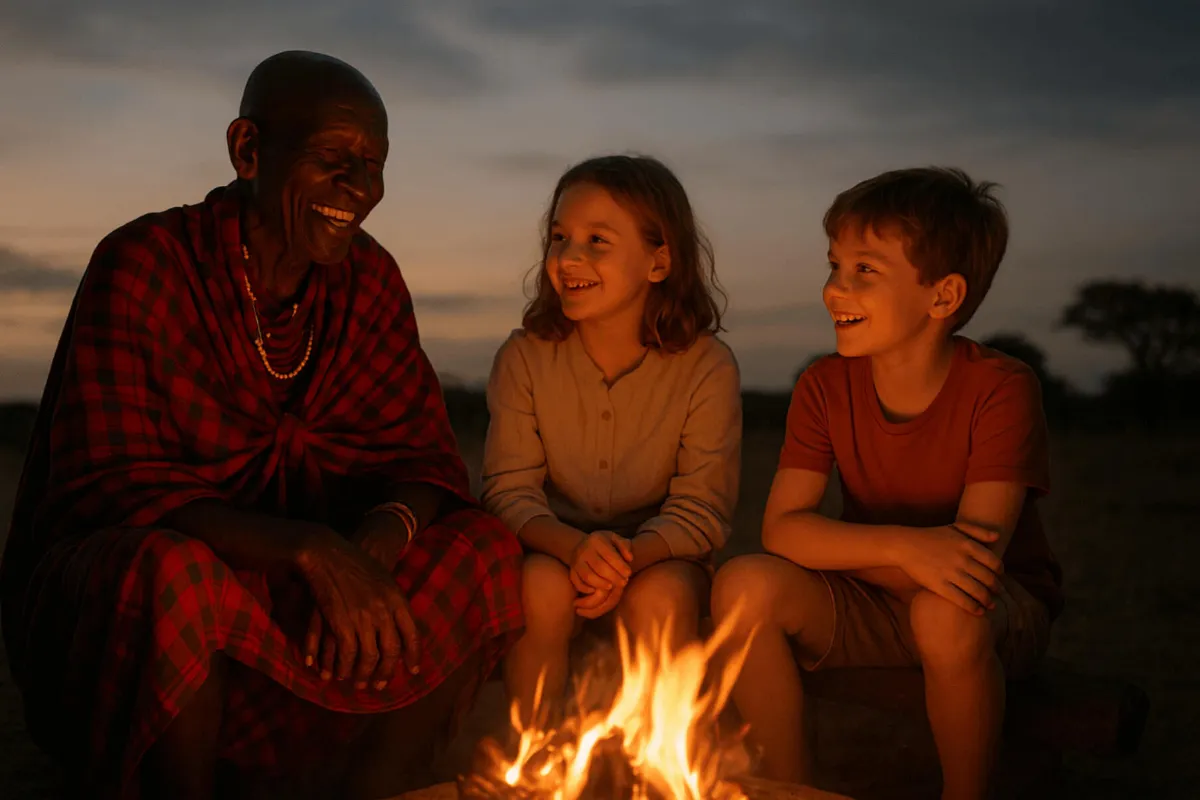
Many conservancies work with Maasai communities, and some offer village visits. Choose experiences run in partnership with the community, where the fees clearly support local projects. Ask before taking photos, follow your guide’s lead, and prepare kids that this is a real home, not a show. Children often connect easily through games, songs and simple greetings.
Swahili phrases kids will actually use
| Swahili | Meaning |
|---|---|
| Jambo! | Hello! (friendly, used with visitors) |
| Habari? | How are you? |
| Asante (asante sana) | Thank you (very much) |
| Ndiyo / Hapana | Yes / No |
| Nimefurahi kukutana nawe | Nice to meet you |
| Ni nzuri sana! | It’s very good! (great for complimenting food) |
| Tembo, simba, twiga | Elephant, lion, giraffe |
Kids usually love learning the animal names first. You may also hear hakuna matata, “no worries”, which many children already know from the movies.
Common mistakes to avoid
Packing too many parks into one trip. Long transfers tire children quickly. Two or three bases are usually enough.
Ignoring age limits. Finding out on arrival that your child is too young for an activity is a common disappointment. Check every lodge’s rules in advance.
Planning only full-day drives. Most kids do best with an early morning drive, a rest in the middle of the day, and a short late-afternoon drive.
Forgetting warm clothes. Mornings on open vehicles can be cold, especially in the highlands.
Skipping downtime. A pool afternoon or a few beach days at the end make the whole trip more enjoyable for everyone.
Frequently asked questions
Is Kenya a good destination with kids?
Yes. Kenya has well-organized parks, experienced guides and many family-friendly lodges. With good planning on timing, lodges and health, it is one of the most memorable family trips in Africa.
What is the best age to take kids on safari in Kenya?
Many families find that around six and older works best, as children can sit through game drives and remember the trip. Younger children can travel too, but choose lodges that welcome small kids and offer private vehicles.
When is the best time to visit Kenya with kids?
The long dry season, roughly late June to October, is the most popular, especially for the migration in the Maasai Mara. January and February are a good, often quieter alternative.
What do kids eat on safari in Kenya?
Lodges usually serve familiar dishes, and Kenyan staples like chapati, ugali, rice, grilled chicken and fresh fruit are mild and kid-friendly. Drink only bottled or filtered water.
Do children need malaria protection in Kenya?
Malaria is present in many areas of Kenya. Talk to a travel doctor about antimalarial medication for your children and use repellent, long sleeves and nets.
Planning your family safari
Kenya with kids is not about ticking off animals as fast as possible. Choose a good season, two or three well-matched bases and lodges that genuinely welcome children, and leave time to rest between drives. The rest takes care of itself: the first elephant, the first lion, and a whole new set of Swahili words your children will keep repeating long after you get home.
Planning more of Africa with children? Our guide to family travel to Rwanda with kids covers gorillas and safety, and the best time to visit Egypt with kids helps you plan a beach-and-history trip.