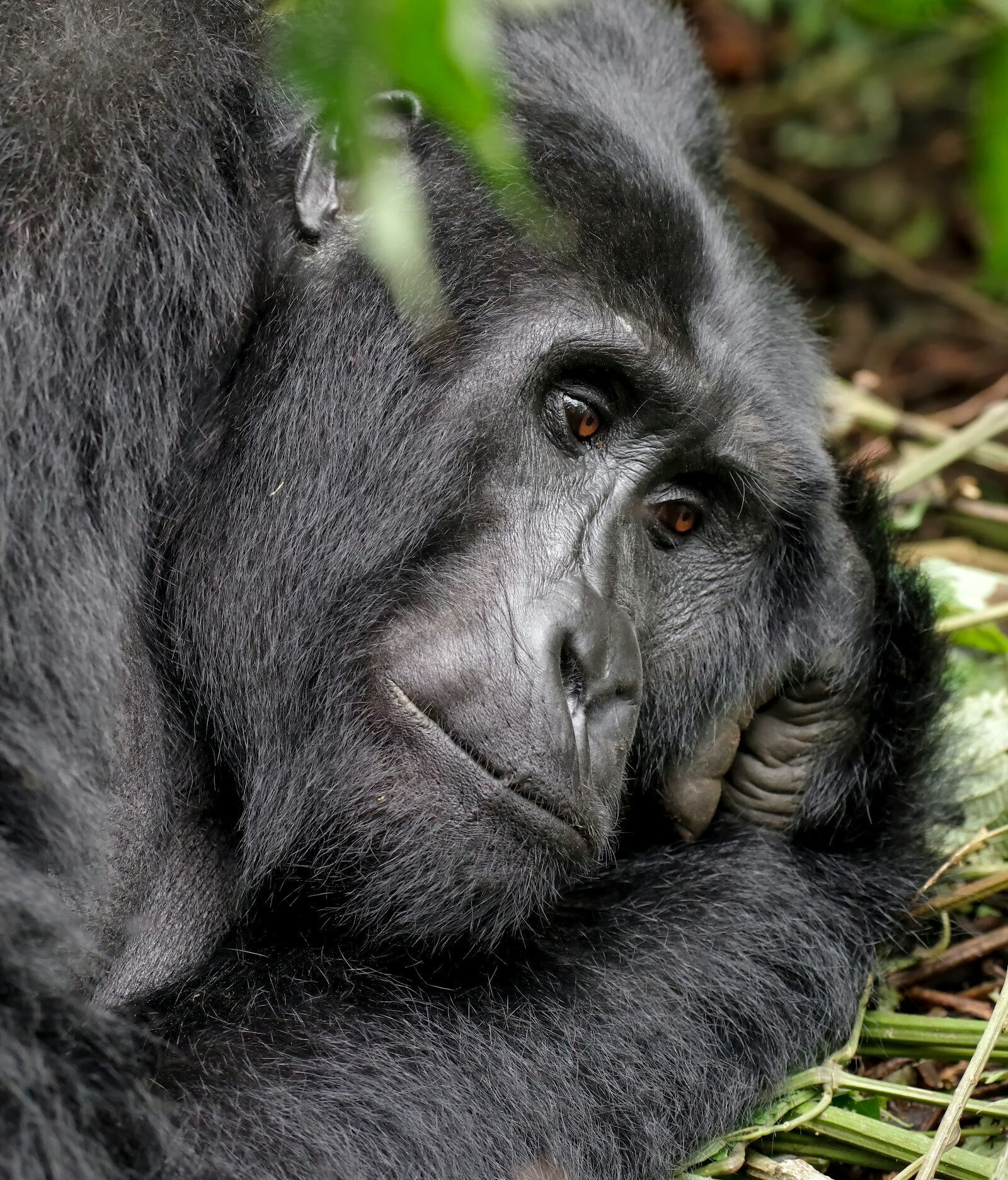
I still remember the exact moment the mist parted on the slopes of Volcanoes National Park in late April. A low grunt echoed through the bamboo. Then a silverback emerged, moving with a quiet gravity that made my seven-year-old freeze mid-step. We were twenty minutes into a trek that cost more than our flights, and honestly, I’d spent the morning worrying about altitude, permits, and whether my kid would complain about the mud. But when that gorilla settled into the underbrush and began tearing through celery stalks with deliberate calm, the whole thing got very quiet very fast. Nobody reached for a camera.
This is what family travel to Rwanda with kids actually looks like. Not a checklist. Just raw, quiet wonder.
Planning a trip like this requires understanding that this isn’t a typical safari destination. Connection happens here naturally, without anyone forcing it.
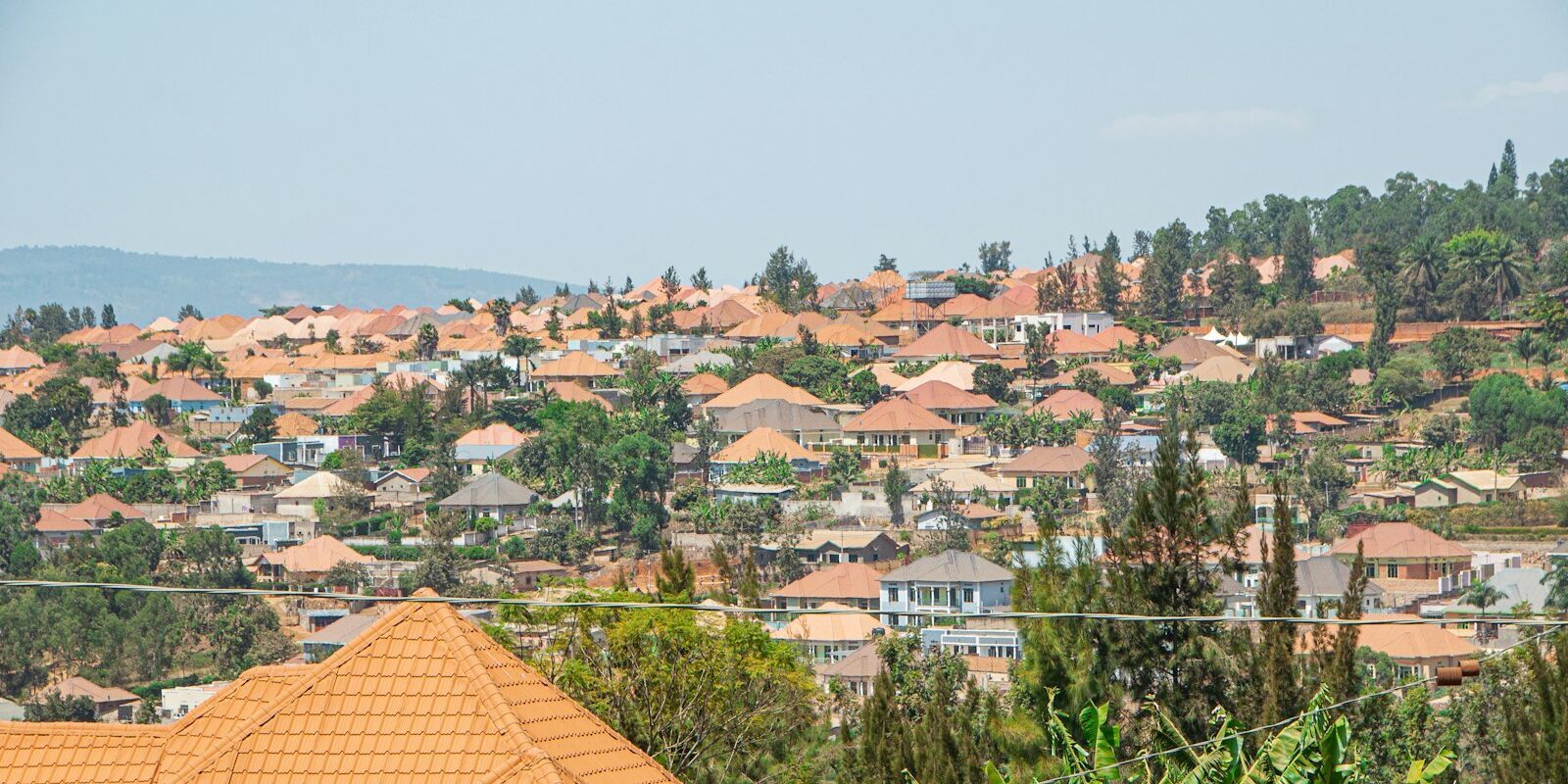
When most parents picture Africa with children, they imagine dusty roads, unpredictable logistics, or that low hum of caution you carry through unfamiliar cities. Rwanda felt calmer than half the European cities we’ve traveled through. It doesn’t ask you to lower your guard; it simply gives you no reason to keep it up. Known as the Land of a Thousand Hills, this country has rebuilt itself with a precision that borders on poetry. And for families willing to trade convenience for connection, it offers something increasingly rare: a place where safety, education, and wilderness don’t compete. They weave together.
- Why family travel to Rwanda with kids feels safe
- The gorilla question: ethics, age limits, and real encounters
- Beyond the volcanoes: pacing the journey
- Learning Through Presence: History, Coffee & Connection
- Navigating the logistics: what actually matters
- What I’d do differently next time
- The real takeaway
Why family travel to Rwanda with kids feels safe
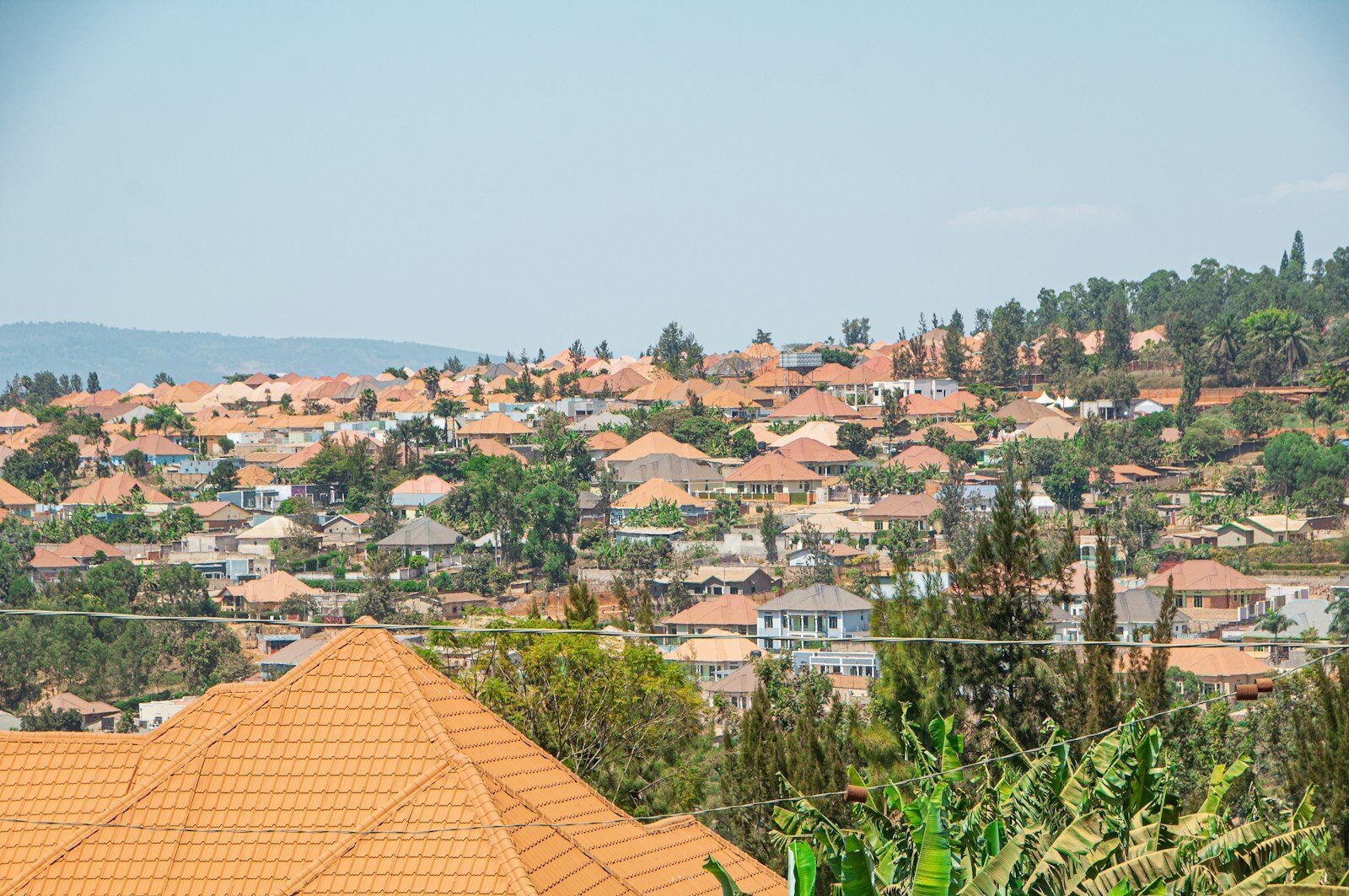
Let’s talk about the unspoken fear first. Will I feel safe walking with my children? Will the roads be chaotic? Rwanda answers those questions before you even unpack. Kigali isn’t just clean; it’s meticulously cared for. Every last Saturday of the month, the country pauses for Umuganda: community clean-up day. Streets are swept, drains are cleared, and neighbors work side by side. It’s not performative. It’s civic pride woven into daily life.
I’ve walked through Kimironko Market at dusk with my kids, buying passion fruit and woven baskets, without a single glance of suspicion. English is widely spoken. Traffic moves with polite order. Drivers actually yield to pedestrians. Petty crime is remarkably low. You don’t feel like you’re navigating a risk; you feel like you’re visiting a place that simply works.
And then there’s the parliament. Rwanda leads the world in female representation, with over sixty percent of seats held by women. My daughter noticed the portraits lining government buildings, the women directing traffic, the mothers running cooperatives. She didn’t need a lecture on equality. She just saw it, lived it, and filed it away as normal. By the third day, she stopped asking why everything looked so orderly and started noticing the small things: how shopkeepers greeted each other, how the air smelled like wet earth and eucalyptus after a sudden rain.
The gorilla question: ethics, age limits, and real encounters
When planning this kind of trip, the first question everyone asks is: can you actually see mountain gorillas with younger children?The official rule from the Rwanda Development Board is strict: fifteen years and older. It’s not arbitrary. Gorilla trekking is physically demanding, often involving steep, muddy climbs at high altitude. The last thing conservationists want is a restless child triggering a defensive response from a thousand-pound wild animal. But does that mean Rwanda writes off families with younger kids? Absolutely not.
The Dian Fossey Gorilla Fund’s Karisoke Research Center offers programs for ages eight and up. My daughter spent an afternoon learning how trackers identify individual gorillas by their nose prints, watching researchers sort through samples to monitor diet and health. It wasn’t glamorous. It was real. And it taught her that conservation means patience, data, and quiet respect, not posing next to wildlife. She left with mud on her boots and a notebook full of sketches, completely unaware that she’d just absorbed a masterclass in field biology.
If your kids are twelve or older, golden monkey tracking in Volcanoes National Park offers a lighter alternative. The hike is shorter, the terrain gentler, and the monkeys themselves are pure mischief: flipping through bamboo, chattering, utterly unbothered by your presence. Or visit Iby’Iwacu Cultural Village, where former poachers now work as guides. They’ll show your kids how to play the inanga, dance the intore, and explain how tourism replaced hunting as a livelihood. It’s a conversation about choices, not just culture. When a guide who once set traps now teaches children how to protect the forest, my daughter stopped asking for photos after ten minutes. She just watched.
Beyond the volcanoes: pacing the journey
For a smooth trip, remember that Volcanoes National Park will take your breath away, but Rwanda’s rhythm isn’t meant to be rushed. Drive east toward Akagera National Park, and the landscape shifts from volcanic peaks to sweeping savannahs. We took a boat safari on Lake Ihema at golden hour, watching hippos surface like submerged logs and a herd of elephants wade through papyrus reeds.
Magashi Camp doesn’t feel like a lodge; it feels like a campfire story come to life. The guides knew exactly how to keep my kids engaged without overwhelming them: pointing out track marks in the mud, explaining why zebras sleep standing up, letting them stir the pot for bush tea. There were no game drives packed with strangers. Just water, sky, and the slow pulse of the wild.
Planning this trip? Best ages: 8+ for cultural programs, 12+ for golden monkey tracking, 15+ for gorilla trekking. Younger kids thrive in Kigali and at Lake Kivu.
Head southwest, and the air turns cool and damp. Nyungwe Forest National Park is ancient, dense, and alive with movement. The canopy walkway suspends you seventy meters above the forest floor, swaying gently in the wind. Below, troops of Angolan colobus monkeys leap through branches in synchronized arcs.
The trails here are manageable for kids six and older, especially if you hire a local guide who knows where the chimpanzees tend to rest. My son complained about the incline for the first twenty minutes, then went completely silent when a colobus family crossed directly above us, their white mantles catching the filtered light. He didn’t speak for the rest of the hike. He didn’t need to. By day three, our hiking shoes never fully dried, and the road to Nyungwe made him carsick twice, but the trade-off was worth it.
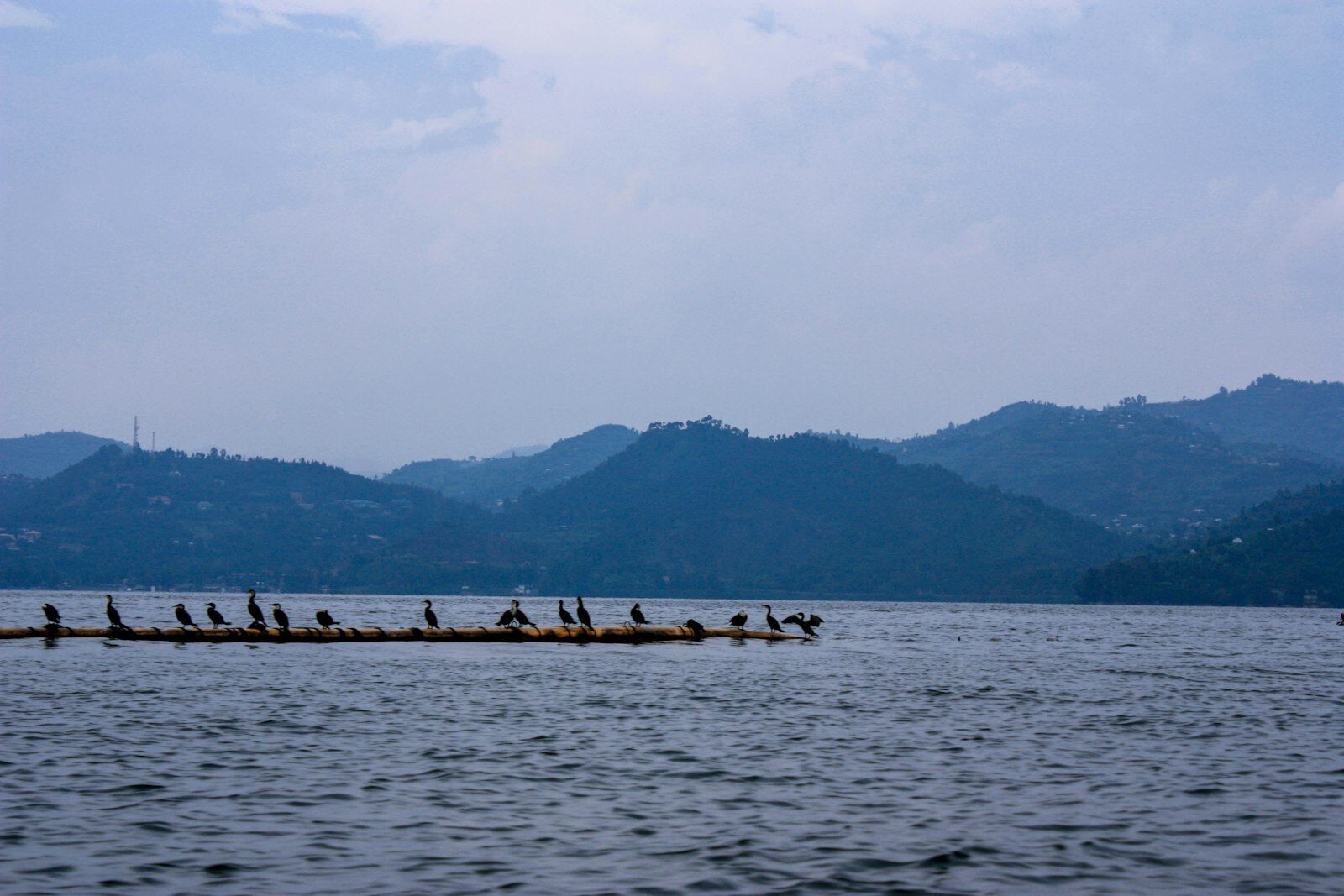
And when you need to slow down? Lake Kivu waits. It’s Rwanda’s quiet lung. Crocodile-free, calm, and framed by terraced hills. We stayed at a family-run guesthouse in Gisenyi, rented kayaks at dawn, and watched fishermen haul in silver tilapia while the mist burned off the water. No itinerary. No alarms. Just lake light and the sound of oars dipping in rhythm. Sometimes the best part of a trip isn’t what you see. It’s what you stop trying to do. For us, planning ethical wildlife encounters meant treating every sighting as a privilege granted by the animal, not a photo owed to us.
Learning through presence: history, coffee, & connection
Rwanda doesn’t hide its past, and neither should your family’s itinerary. Incorporating these historical sites into the trip creates space for difficult but necessary conversations. The Kigali Genocide Memorial is profound, heavy, and absolutely necessary for teenagers thirteen and older. It doesn’t traffic in shock value. It walks you through how a nation unraveled, and more importantly, how it chose to rebuild.
My fifteen-year-old sat on the steps afterward, silent for a long time, then asked how you forgive when the wounds are still visible. I didn’t have a clean answer. I just told her to listen to the people who lived it. That conversation carried into the hills of Huye, where we visited a women’s coffee cooperative.
After the genocide, widows banded together to farm, process, and export coffee. They served us fresh coffee cherry juice, sweet, tart, nothing like the roasted brew we know, and explained how fair-trade premiums rebuilt schools and clinics.
We also arranged a morning visit to a local primary school through our lodge. It wasn’t a spectacle. We sat on wooden benches, listened to a choir rehearse, and watched my kids attempt a traditional dance while laughing at their own clumsy feet. The Rwandan children didn’t stare. They invited us in. That’s the difference between tourism and exchange. One consumes. The other connects. My son brought up that dance again three weeks later at dinner, asking if we could learn more about the songs they sang. We learned how to pack light for immersive trips, and our family travel checklist came out of exactly that lesson, and honestly, it changed how we travel everywhere else.
Navigating the logistics: what actually matters
Successful trips like this require preparation. None of this works if you’re unprepared. Rwanda sits at altitude, and the weather shifts without warning. Pack a proper rain jacket: this is the land of a thousand hills, but also the land of sudden afternoon showers. Good hiking shoes matter more than you think. The trails aren’t paved; they’re mud, root, and volcanic soil. Tap water isn’t safe to drink, so bring a reliable filtration bottle or stock up on sealed supplies. Malaria prophylaxis is strongly recommended, and yellow fever vaccination is mandatory for entry.
Book gorilla permits months in advance, they sell out, and the government caps daily visitors to protect the troops. Choose lodges that understand family rhythms: flexible meal times, interconnecting rooms, guides who know how to pace a trek for younger legs. Sabyinyo Silverback Lodge and Lake Kivu Serena both excel at this. You’re not roughing it; you’re traveling thoughtfully.
What I’d do differently next time
I once tried to squeeze three major activities into two days near Nyungwe, ignoring the altitude and the fact that my kids run on snacks and nap windows. By afternoon, we were sunburned, irritable, and sitting in a tea plantation drinking lukewarm water while a local farmer politely offered us roasted maize. I learned the hard way that Rwanda doesn’t reward rushing. It rewards presence. Build in blank afternoons. Let the itinerary breathe.
Next time, I’d skip the morning drive entirely, let the kids sleep in, and start the trek after lunch when the mist usually lifts. I’d also pack better rain gear for the shoes: nothing ruins a mood faster than damp socks at 2,000 meters. And I’d book a private vehicle for the long transfers instead of relying on shared transport. It costs more, but the peace of mind is worth every franc. These lessons learned the hard way are what I wish someone had told me before our first family travel to Rwanda with kids adventure.
The real takeaway
Family travel to Rwanda with kids doesn’t hand you a postcard. It hands you a mirror. You’ll watch your child’s shoulders drop as they realize the forest is alive, not threatening. You’ll hear them ask questions about poverty, conservation, and resilience that you didn’t know how to answer until you were standing in the middle of it. You’ll come home exhausted, yes. But you’ll also come home with a quieter mind.
In a world that sells curated escapes and filtered sunsets, Rwanda offers something harder to find: truth. It asks you to slow down. To listen. To let your kids see that the world deserves respect, not just consumption. And if you’re willing to trade convenience for connection, the hills will meet you halfway. Not with fanfare. Just with open doors, clean streets, and the kind of quiet wonder that stays long after the mud washes off.
If Rwanda has you thinking about another family trip on the continent, our guide to visiting Egypt with kids covers a very different but equally rewarding side of African travel.
If this story of family travel to Rwanda with kids resonated, you’ll find more thoughtful journeys in our family travel collection, where every destination is chosen with curiosity and care.