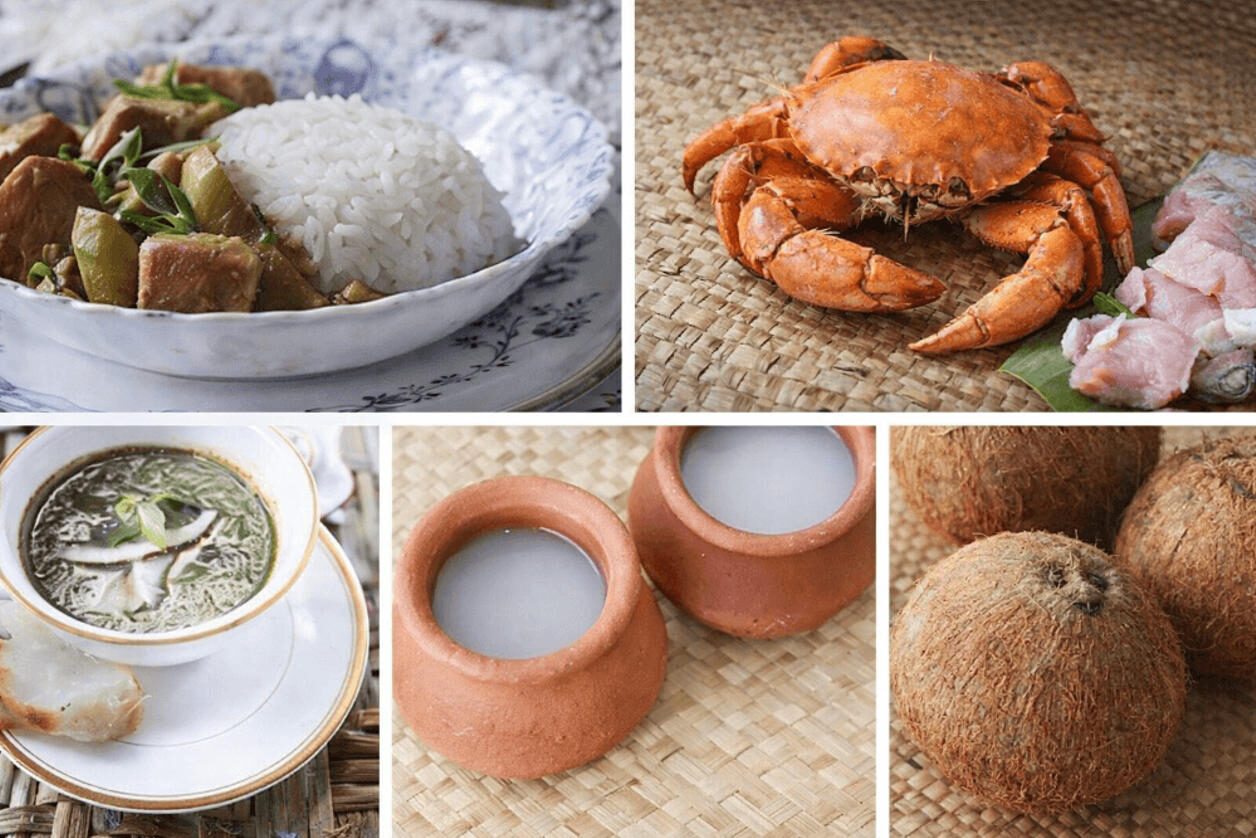
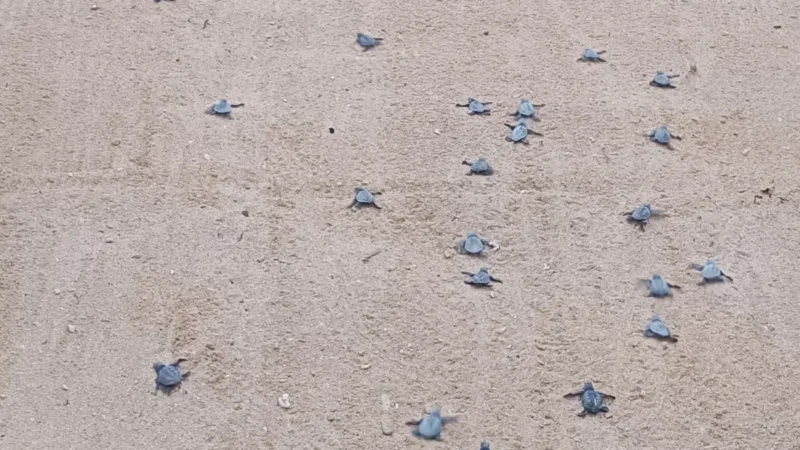
When travelers ask, “What do people eat in Guatemala?”, they often expect tacos or burritos. But traditional food in Guatemala is rooted in 3,000 years of Maya heritage — not Tex-Mex. Here, corn is sacred, stews are slow-cooked with wild herbs, and every region tells a different story. From the smoky pepián of Antigua to the banana-leaf tamales of the highlands, Guatemalan cuisine is humble, nourishing, and deeply spiritual. This guide reveals what locals truly eat — and how to experience it respectfully as a visitor.
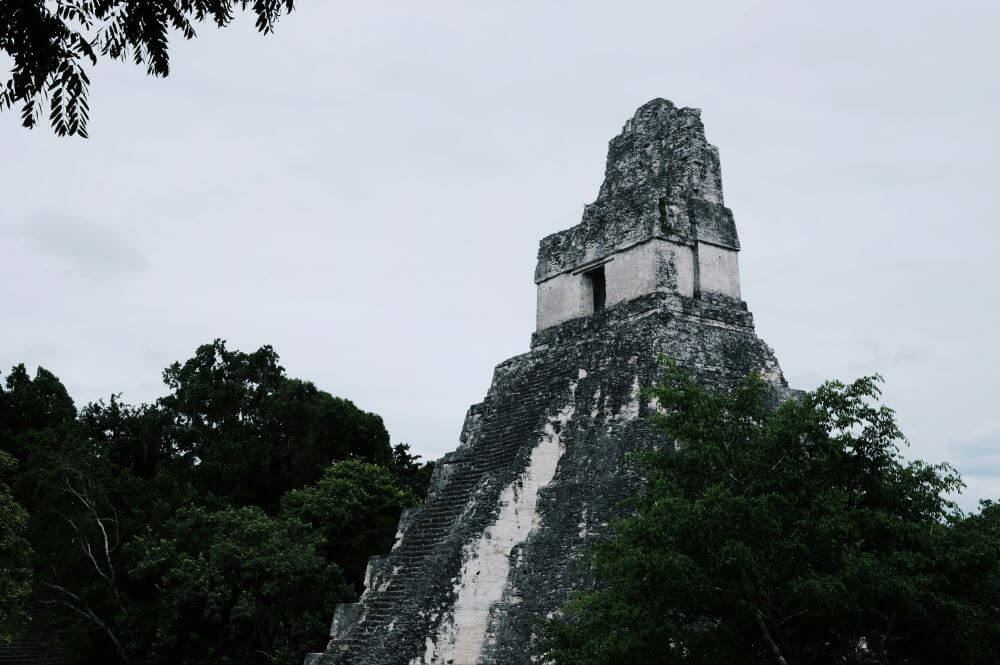
The foundation of Guatemalan cuisine: Corn, beans, and fire
Traditional food in Guatemala rests on the ancient Maya “Three Sisters”: corn, beans, and squash. But it’s the preparation that makes it unique:
- Nixtamalized corn – Soaked in lime water, then ground by hand into masa for tortillas and tamales. This process unlocks nutrients and defines flavor.
- Black beans – Simmered with garlic and epazote, served at nearly every meal.
- Comal cooking – Tortillas are cooked over open fire on a clay griddle, giving them a smoky aroma.
Meals are simple but complete: tortillas + beans + a small portion of protein + fresh salsa. No waste. No excess.
The sacred role of corn in Maya cosmology
In Maya belief, humans were created from corn. The Popol Vuh, the sacred book of the Quiché Maya, tells how the gods tried mud and wood before finally shaping people from white and yellow maize. This isn’t myth — it’s identity. To this day, many rural families begin their day by offering the first tortilla to the earth (pixab’) as thanks.
This reverence shapes every aspect of traditional food in Guatemala. Corn is never wasted. Husks become tamales wrappers. Stalks feed animals. Even ash from the fire is used to nixtamalize the next batch. It’s a closed-loop system that modern sustainability movements are only now rediscovering.
Iconic dishes that define traditional food in Guatemala
Pepián
A thick, earthy stew from the highlands, made with roasted tomatoes, pumpkin seeds, sesame, and chili. Often served with chicken or turkey during festivals like All Saints’ Day. Its deep red color comes from achiote — not just spice, but ritual.
Tamales
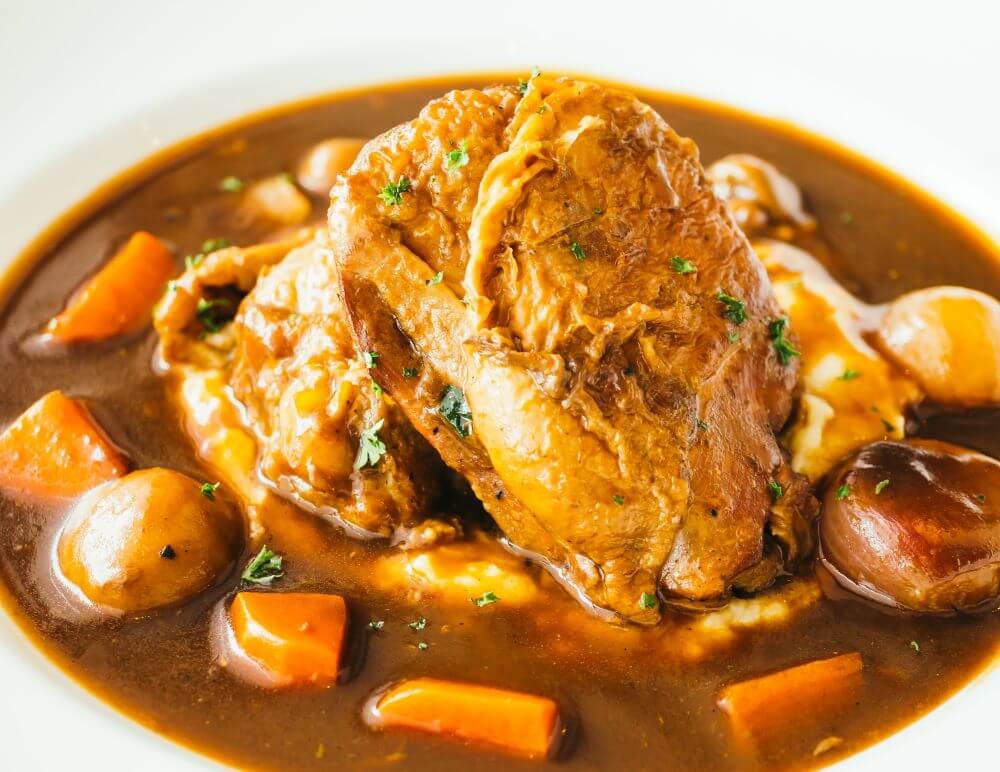
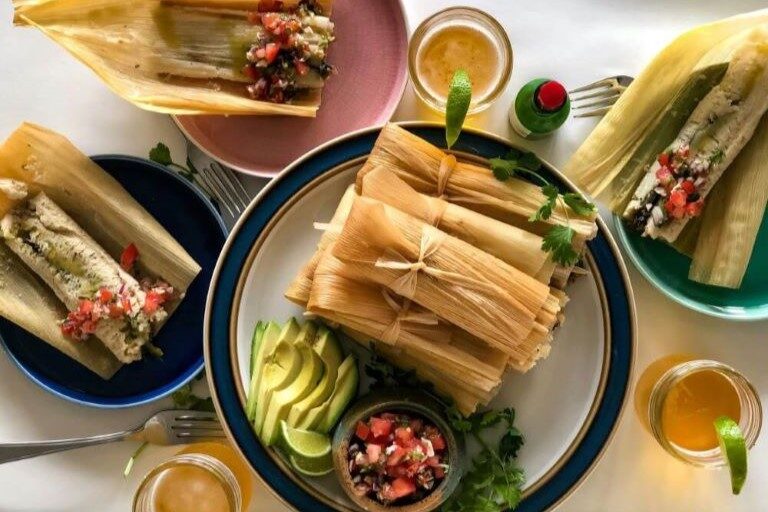
Not like Mexican tamales. Guatemalan tamales are larger, wrapped in banana leaves (not corn husks), and filled with chicken, pork, or potatoes. On Christmas Eve, families gather to make dozens together — a tradition called tamaleada.
Jocón
A green stew made with tomatillos, cilantro, and green chili, usually with chicken. Originating from the Kaqchikel Maya, it’s lighter than pepián but equally beloved.
Fiambre
A vibrant cold salad served only on All Saints’ Day (November 1), fiambre is Guatemala’s most symbolic dish. It combines over 50 ingredients: pickled vegetables, cheeses, cold cuts, olives, and even hard-boiled eggs — all marinated in a tangy vinegar dressing. Each family has its own recipe, passed down for generations.
Originating from Spanish colonial traditions, fiambre evolved into a uniquely Guatemalan ritual. Families prepare it together the night before, then share it at cemeteries while honoring ancestors. To taste fiambre is to experience traditional food in Guatemala at its most communal and sacred.
Chuchitos
Smaller, firmer tamales wrapped in dried corn husks, often served with tomato sauce. A street food staple in markets like Chichicastenango.
Regional differences: Food varies by landscape
- Highlands (Antigua, Quetzaltenango): Hearty stews (pepián, jocón), thick tortillas, and roasted meats.
- Pacific Coast: Seafood ceviches, coconut rice, and fried plantains.
- Petén (Maya lowlands): Game meats (like venison), wild greens, and corn-based drinks like atol.
- Caribbean Coast (Livingston): Garifuna influence — coconut milk, cassava, and hudut-style fish stews.
So when asking “what do people eat in Guatemala?”, the answer depends on whether you’re in the mountains, jungle, or sea.
Living foodways: How communities preserve tradition
Despite globalization, many Guatemalan communities actively protect their food heritage:
- Heirloom corn varieties — Over 30 native maize types are still grown in the highlands, each with unique flavor and drought resistance.
- Women’s cooperatives — In Sololá and Huehuetenango, women sell handmade tortillas and tamales to fund schools and clinics.
- Seed-saving networks — Farmers exchange seeds at markets to preserve genetic diversity.
When you eat at a local comedor or buy tortillas from a street vendor, you’re not just enjoying a meal — you’re supporting a centuries-old act of cultural resistance.
Is traditional food in Guatemala vegan or vegetarian friendly?
Surprisingly, yes — thanks to its Maya roots:
- Black beans and rice (gallo pinto) is naturally vegan
- Fresh tortillas contain only corn and water
- Vegetable tamales (tamales de elote) are common
- Fruit is abundant: mango, papaya, mamey, and granadilla
Tip: Say “Sin carne, por favor” (“No meat, please”). Avoid “caldo” (broth) unless confirmed vegetable-based.
What Guatemalans eat every day: Street food & home cooking
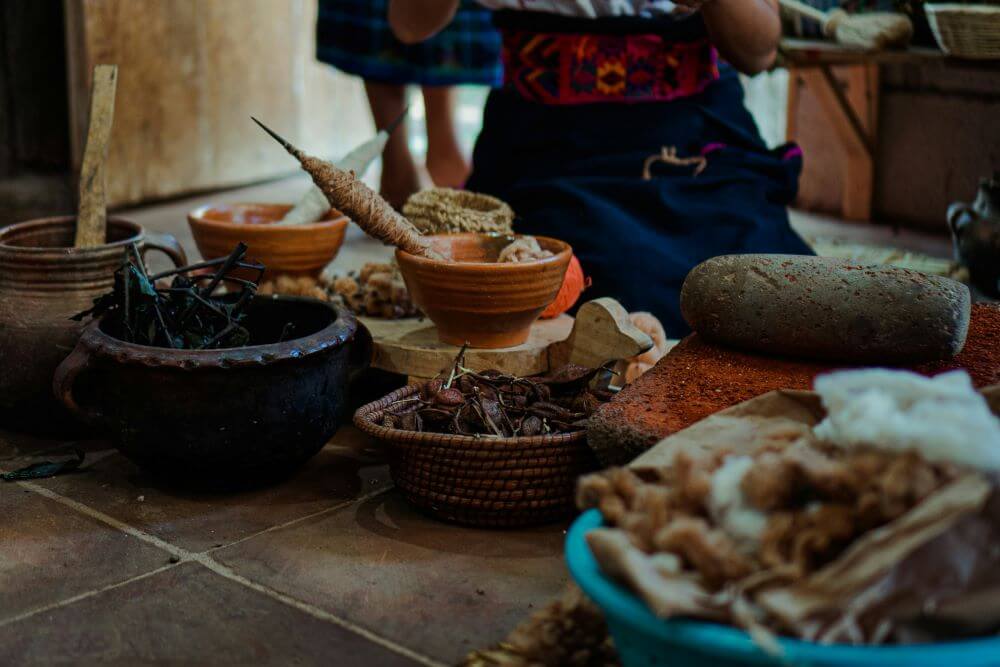
In Guatemala, daily meals blend simplicity and tradition. Most families eat at home or at neighborhood eateries, while street vendors offer quick, affordable snacks. Here’s what real Guatemalans eat from morning to night — not for tourists, but as part of everyday life.
- Breakfast: Scrambled eggs, black beans, fried plantains, and fresh cheese (queso fresco)
- Lunch (almuerzo): The main meal — soup + stew + rice + tortillas
- Dinner: Light — often leftovers or simple tortillas with beans
Street snacks include: – Elotes locos (grilled corn with mayo, cheese, chili) – Tostadas with beans and cabbage – Fresh fruit cups with lime and chili
Where to eat like a local in Guatemala
- Comedores – Family-run eateries serving menu del día (soup + main + drink) for ~$3.
- Markets – Chichicastenango, Sololá, and La Terminal in Guatemala City offer authentic, cheap meals.
- Village fiestas – During patron saint days, communities cook massive pots of pepián for everyone.
Avoid tourist-only restaurants in Antigua’s center. Walk two blocks away — the food improves instantly.
Ethical eating: How to respect food culture as a visitor
Guatemala’s food is deeply personal. To engage respectfully:
- Ask before photographing food — Some dishes are ceremonial; others are family recipes.
- Tip fairly — 10% is standard in restaurants; street vendors appreciate small change.
- Learn basic phrases — “Buen provecho” (enjoy your meal), “Gracias” (thank you).
- Avoid “food poverty tourism” — Don’t treat local meals as “exotic” or “cheap.” They’re everyday life.
As one Kaqchikel elder told me: “Our food is not a performance. It’s our memory. Eat with your heart, not just your camera.”
The spiritual side of eating in Guatemala
Food is never just fuel. In Maya cosmology: – Corn was used by gods to create humans. – Offering tortillas to the earth (pixab’) ensures good harvests. – Certain dishes are reserved for ceremonies (e.g., fiambre on Day of the Dead).
To eat in Guatemala is to participate in a living ritual — one that has survived colonization, war, and globalization.
Modern challenges: Fast food vs. food sovereignty
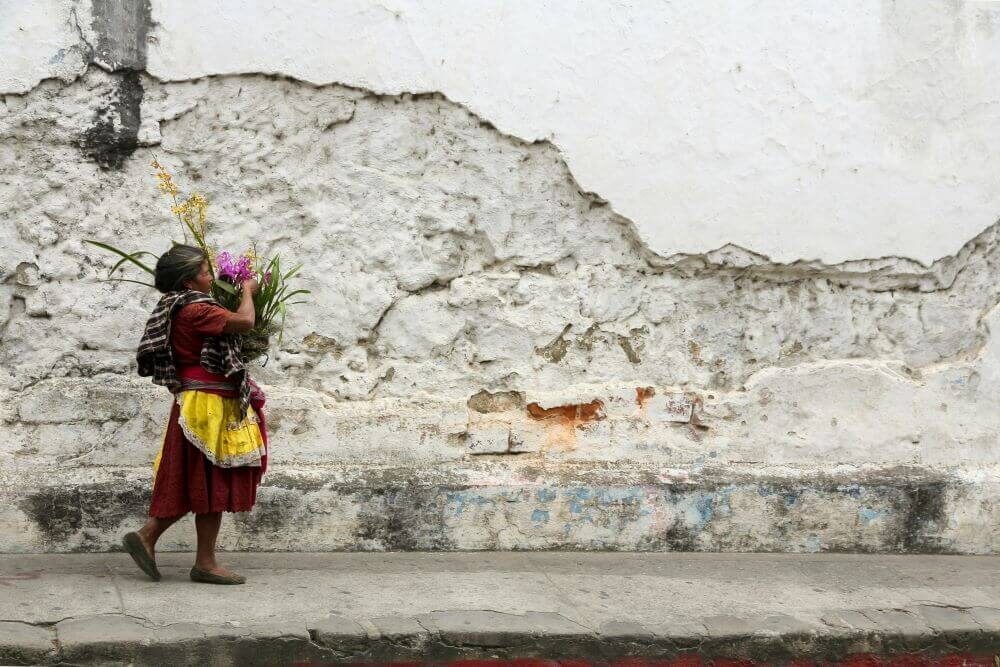
Like much of Latin America, Guatemala faces a nutrition paradox:
- Rich heritage — One of the world’s most diverse food systems
- Rising obesity — Driven by ultra-processed imports (soda, chips, white bread)
But a quiet revolution is growing. Urban gardens in Guatemala City, school programs teaching nixtamalization, and chefs like Diego Quiroa (who runs pop-ups using only native ingredients) are proving that traditional food in Guatemala isn’t just history — it’s the future.
By choosing local markets over supermarkets, you join this movement. Every tamal, every cup of atol, is a vote for food sovereignty.
Corn, fire, and community: The soul of Guatemalan cuisine
So, what do people eat in Guatemala? They eat history. They eat resilience. They eat community. Every tortilla pressed by hand, every pot of pepián simmered for hours, carries the memory of ancestors who knew how to feed families from mountain soil and jungle rain. For travelers, sharing a meal here isn’t tourism — it’s trust.
And remember: the true flavor of Guatemala isn’t found in guidebooks or Instagram reels. It’s in the calloused hands of a woman grinding masa at dawn, in the laughter of children sharing elotes locos, in the quiet pride of a farmer planting heirloom corn. Traditional food in Guatemala isn’t just what people eat — it’s who they are. And that’s worth savoring slowly.
Guatemala’s cuisine is just one thread in the rich tapestry of global food traditions. From the spice-laden stews of Ethiopia to the slow-cooked moles of Mexico, from Japan’s seasonal kaiseki to Peru’s ancient quinoa dishes — every culture tells its story through food. At Ola World, we go beyond recipes: we explore the history, rituals, and people behind the plate.
Discover more culinary journeys — where traditional dishes meet cultural insight, and every meal becomes a window into another world.
Frequently Asked Questions
What is the national dish of Guatemala?
There’s no single dish, but pepián and tamales are considered the most emblematic.
Is traditional Guatemalan food spicy?
Mildly. Heat comes from fresh chili (chiltepe), usually served on the side.
Can vegans eat in Guatemala?
Yes — focus on beans, rice, tortillas, vegetable tamales, and fresh fruit. Always confirm no lard or meat broth.
What do Guatemalans eat for breakfast?
Typically eggs, black beans, fried plantains, fresh cheese, and coffee — hearty and balanced.
How can I support sustainable food in Guatemala?
Buy from local markets, eat at family-run comedores, and avoid imported processed foods. Look for initiatives like Slow Food Guatemala or Red de Semillas Criollas (Native Seed Network) that protect food heritage.