When travelers ask, “What do people eat in Kiribati?” they often imagine simple fish and rice. In reality, Kiribati cuisine is shaped by ocean abundance, fragile coral soil, and generations of survival on remote Pacific atolls. From coconut-rich stews to the legendary coconut crab, every dish reflects community, patience, and deep respect for nature.
Here, food isn’t just sustenance—it’s identity. With 33 low-lying atolls scattered across 3.5 million square kilometers of ocean, Kiribati has no arable farmland, no rivers, and limited freshwater. Yet its people have cultivated a resilient, resourceful food culture built on three pillars: coconut, fish and seafood, and babai (swamp taro).
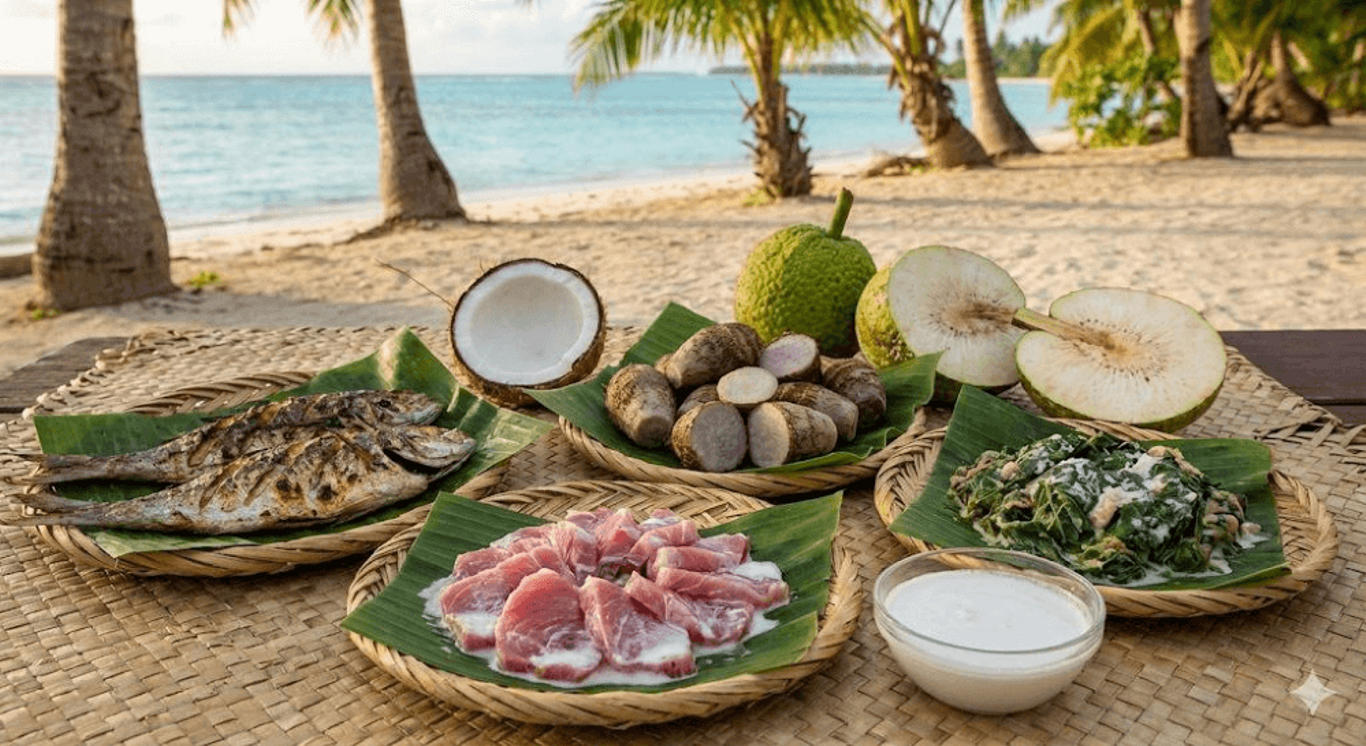
What do people eat in Kiribati? The three pillars of island cuisine
1. Coconut (Te Ni): The tree of life in Kiribati
In Kiribati, the coconut palm (te ni) is more than a plant—it’s a lifeline. Every part is used daily:
- Coconut milk – the base of nearly all savory dishes
- Fresh flesh – eaten raw or grated into meals
- Young coconut water – a natural electrolyte drink
- Leaves – used for wrapping food and thatching roofs
- Shells and husks – turned into utensils, fuel, or crafts
Nothing goes to waste. This zero-waste philosophy is central to Kiribati’s sustainable food culture—and one of the key reasons what people eat in Kiribati remains so deeply connected to the land and sea.
2. Fish & seafood (Te Ika): Gifts from the ocean — What do people eat in Kiribati?
The Pacific Ocean provides the primary protein source. Common catches include:
- Tuna (te ika kana)
- Reef fish (parrotfish, snapper, grouper)
- Octopus and squid
- Lobster (seasonal)
- Coconut crab (te riri) – a rare delicacy
Fishing is both a daily necessity and a communal activity. Men and women use handlines, nets, and even bare hands in shallow lagoons. Sustainability is ingrained—overfishing is culturally discouraged. This deep relationship with the sea defines what people eat in Kiribati today and for generations to come.
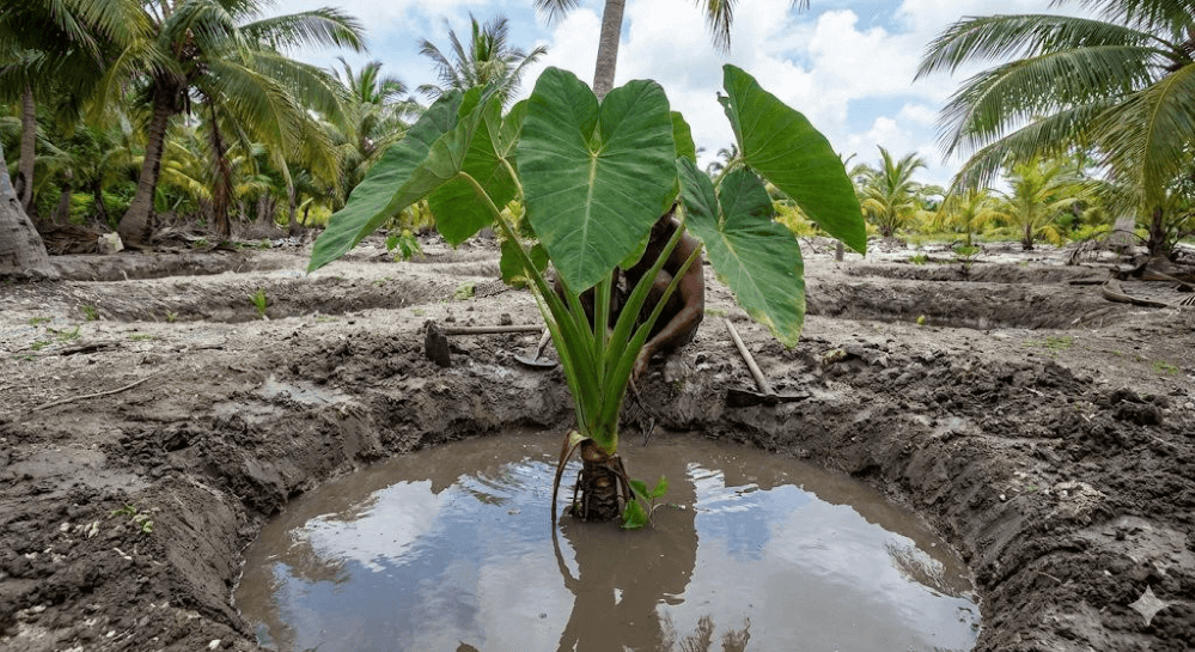
3. Babai (Swamp Taro): The crop of patience — What do people eat in Kiribati?
Babai (Cyrtosperma merkusii) is not ordinary taro. It grows in hand-dug pits filled with freshwater, often taking 2–5 years to mature. These pits are family heirlooms, passed down through generations.
“Babai is not just food — it is patience, memory, and identity.” — Elder from Abaiang Atoll
Once harvested, babai is boiled, roasted, or baked in earth ovens. Its starchy, slightly sweet flavor pairs perfectly with coconut milk and fish. For many, babai represents the heart of what people eat in Kiribati—a symbol of resilience and heritage.
What do people eat in Kiribati? Traditional dishes you must try
Te Bubuti – The soul of island cooking — What do people eat in Kiribati?
Te bubuti is Kiribati’s most iconic dish. Traditionally, fish or pork is slow-cooked in rich coconut milk, wrapped in banana or coconut leaves, and baked in an underground oven (umwai). Today, canned corned beef is often used due to accessibility.
Served at weddings, funerals, and community gatherings, te bubuti symbolizes unity and generosity. No celebration is complete without it. If you’re wondering what people eat in Kiribati during special occasions, te bubuti is almost always on the menu.

Te Riri – The legendary coconut crab — What do people eat in Kiribati?
Te riri (coconut crab) is the world’s largest land-living arthropod, weighing up to 4 kg. It feeds almost exclusively on coconuts, giving its meat a uniquely sweet, nutty flavor.
Hunting te riri is challenging and regulated. It’s reserved for special occasions and considered a mark of honor to serve. Due to declining populations, sustainable harvesting is now strongly encouraged. For adventurous eaters, this is one of the rarest and most memorable experiences of what people eat in Kiribati.
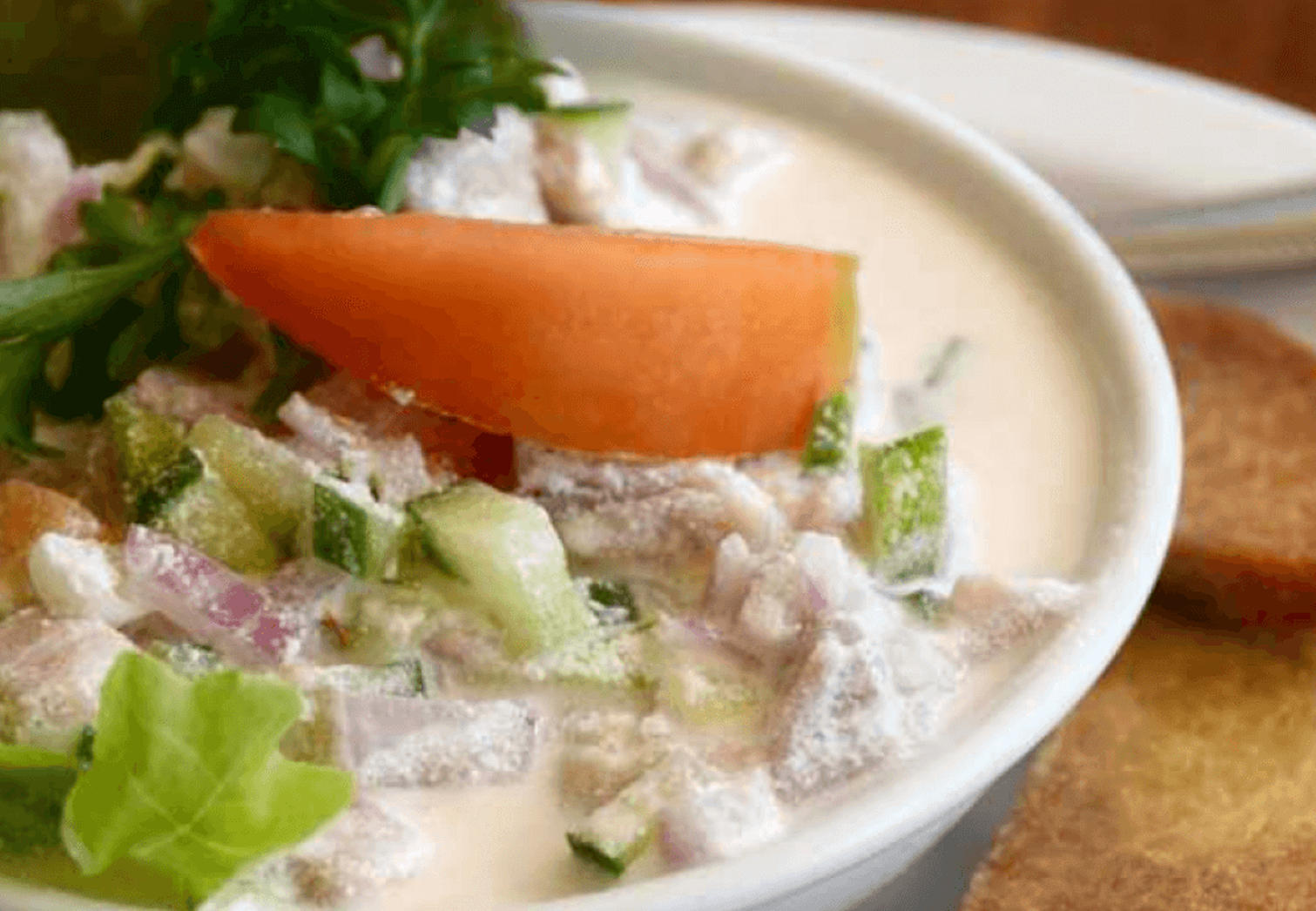
Ika Mata – Fresh island ceviche — What do people eat in Kiribati?
A refreshing staple at social events, ika mata features raw tuna marinated in lime juice and coconut milk, mixed with diced cucumber, tomato, and onion. It’s light, healthy, and bursting with tropical flavor—perfect for Kiribati’s warm climate.
This dish showcases how what people eat in Kiribati balances freshness, simplicity, and bold island flavors. Often served in coconut shells, it’s as beautiful as it is delicious.
Te Kabubu – Fermented breadfruit for survival — What do people eat in Kiribati?
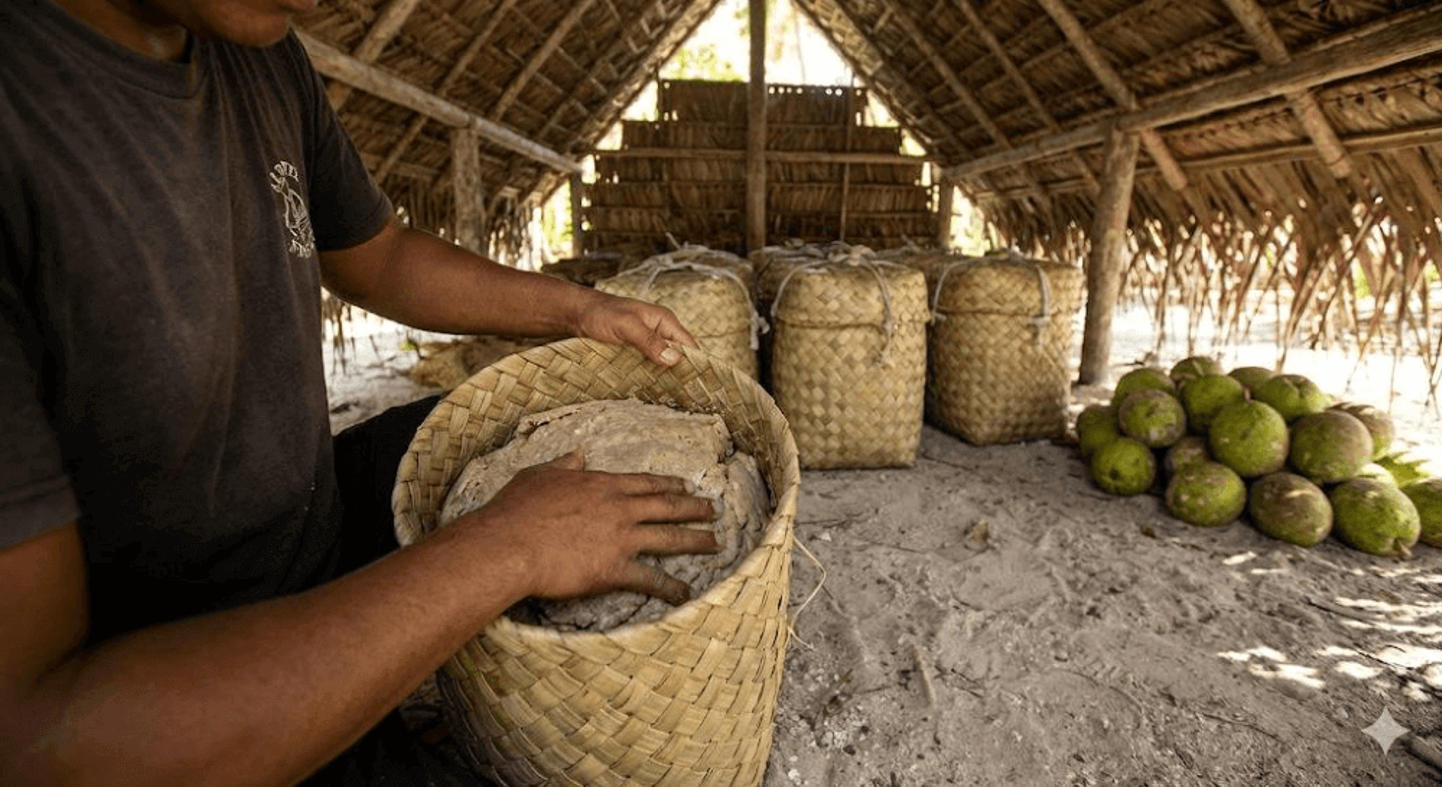
Before refrigeration, Kiribati people preserved breadfruit by fermenting it in underground pits lined with leaves. This sour, tangy paste (te kabubu) could last months and was vital during droughts or long voyages.
While less common today, te kabubu remains a symbol of ancestral ingenuity and food security. If you want to taste history, this is one of the most fascinating examples of what people eat in Kiribati during times of scarcity.
What do people eat in Kiribati daily? Regional differences
On the Outer Islands — What do people eat in Kiribati?
Life remains close to tradition:
- Breakfast: Fresh coconut and boiled babai
- Lunch: Grilled reef fish with coconut milk
- Dinner: Leftovers or fermented breadfruit stew
Meals are shared communally, often eaten with hands from a single platter—a practice that reinforces kinship. This is the purest expression of what people eat in Kiribati, untouched by modern convenience foods.
In Urban South Tarawa — What do people eat in Kiribati?
As the capital and most populated area, South Tarawa shows modern influences:
- Rice has largely replaced babai as the staple starch
- Canned meats (corned beef, spam) are common
- Instant noodles are popular among youth
- Imported sugar, flour, and cooking oil are widely used
Yet traditional dishes like te bubuti and ika mata still appear at family gatherings and festivals. Even in the city, what people eat in Kiribati retains its soul.
Is Kiribati food vegan-friendly? What do people eat in Kiribati without meat?
Yes—with planning. Many core ingredients are plant-based:
- Babai
- Breadfruit (fresh or fermented)
- Coconut (milk, flesh, water)
- Pandanus fruit
- Local greens and vegetables
However, most meals include fish broth or are cooked in shared pots with seafood. To enjoy a vegan meal:
- Ask for plain boiled babai or breadfruit
- Request dishes without fish or meat
- Use the phrase: “Ko rabwa, ao e bane ikoa” (“Thank you, I don’t eat meat”)
- Bring supplemental protein (nuts, seeds, bars)
Locals are generally accommodating if you explain your dietary needs respectfully. Even vegans can experience what people eat in Kiribati—with a little preparation.
Climate change and the future of what people eat in Kiribati
Kiribati faces existential threats from rising sea levels and saltwater intrusion. These directly impact food security—and what people eat in Kiribati today may look very different tomorrow.
1. Flooding of Babai Pits — What do people eat in Kiribati when water rises?
Increasing king tides and storm surges flood freshwater pits with saltwater, killing babai crops. Communities are responding by:
- Building raised pits with concrete linings
- Testing salt-tolerant taro varieties
- Harvesting rainwater for irrigation
If babai disappears, a core element of what people eat in Kiribati vanishes with it.
2. Declining coconut Yields — What Do People Eat in Kiribati Without Coconuts?
Soil salinization weakens coconut palms. Farmers are experimenting with:
- Compost barriers to reduce salt uptake
- Intercropping with salt-resistant plants
Without coconuts, many traditional dishes would cease to exist. The future of what people eat in Kiribati depends on protecting this sacred tree.
3. Shifting Fish Stocks — What do people eat in Kiribati when fish disappear?
Warmer waters drive fish farther offshore, making them harder to catch. Solutions include:
- Community-managed marine protected areas
- Youth training in sustainable fishing techniques
- Small-scale aquaculture projects
As the ocean changes, so too must what people eat in Kiribati—adaptation is not optional, it’s essential.
How travelers can experience what people eat in Kiribati
South Tarawa — Taste what people eat in Kiribati in the capital
Stay with a local family (ask your guesthouse for connections) to enjoy home-cooked te bubuti. Visit the Betio Market for fresh produce, fish, and coconuts. This is where you’ll get the most authentic version of what people eat in Kiribati.
Kiritimati (Christmas Island) — Where the freshest fish meets tradition
This remote island offers some of the freshest tuna in the Pacific. Try it grilled over coconut husks or in ika mata at community feasts. Kiritimati gives you a raw, unfiltered look at what people eat in Kiribati away from urban influence.
Cultural festivals — Celebrate what people eat in Kiribati
Time your visit with events like:
- Independence Day (July 12) – village feasts with traditional dishes
- Gospel Day – church gatherings featuring shared meals
- Maneaba celebrations – community hall events with storytelling and food
These are the best opportunities to witness what people eat in Kiribati in its most ceremonial, generous form.
Etiquette tips for sharing meals — What people eat in Kiribati with respect
- Bring a small gift when invited to a meal (tea, rice, soap, or school supplies)
- Always wash hands before eating
- Eat with your right hand
- Accept at least a small portion—it’s polite
- Compliment the cook: “Kaoti!” (Delicious!)
Respect the culture, and you’ll be welcomed warmly into the heart of what people eat in Kiribati.
Conclusion: What do people eat in Kiribati? More than just food
To understand what people eat in Kiribati is to witness a culture that turns scarcity into abundance, isolation into community, and tradition into innovation. Every bite tells a story of survival against the odds—of families digging pits for future generations, fishermen reading ocean currents like maps, and elders passing down recipes that taste like memory.
As climate change threatens this fragile ecosystem, Kiribati’s foodways remind us that sustainability isn’t a trend—it’s a way of life. For travelers, sharing a meal here isn’t tourism; it’s participation in a living heritage. And that’s exactly what people eat in Kiribati: resilience, gratitude, and hope.
Frequently asked questions (FAQ) — What do people eat in Kiribati?
What is the national dish of Kiribati?
While Kiribati doesn’t have an official “national dish,” te bubuti is widely regarded as the cultural staple due to its role in ceremonies and daily life. It’s the heart of what people eat in Kiribati.
Can tourists eat coconut crab in Kiribati?
Yes, but it’s rare and expensive. Always ensure it’s sourced sustainably—ask locals about conservation efforts. Never purchase from unlicensed vendors. This is one of the most exclusive experiences of what people eat in Kiribati.
Is tap water safe to drink in Kiribati?
No. Drink only bottled, boiled, or filtered water. Even ice may be made from unsafe sources. Staying hydrated safely is key to enjoying what people eat in Kiribati without getting sick.
Are there restaurants in Kiribati?
Very few. Most dining happens in homes, guesthouses, or at community events. South Tarawa has a handful of small cafes serving rice plates and fried fish. For the real experience of what people eat in Kiribati, eat with locals.
Is Kiribati food spicy?
No. Traditional Kiribati cuisine is mild, relying on coconut, citrus, and freshness rather than chili or strong spices. What people eat in Kiribati is meant to soothe, not shock—perfect for tropical weather.
Explore more Oceania travel guides on Ola World—your trusted source for meaningful, family-friendly journeys across the Pacific.