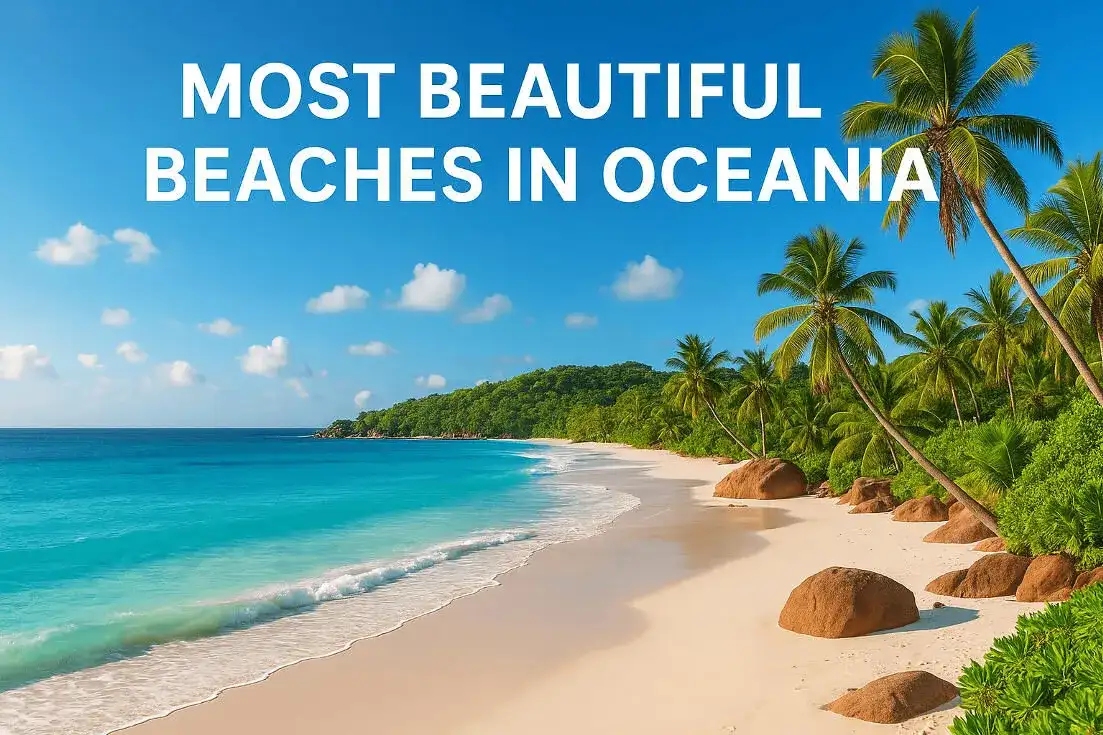
Oceania covers thousands of islands across the Pacific, from Australia and New Zealand to tiny coral atolls. The most beautiful beaches in Oceania range from blinding white silica sand to black volcanic shores and lagoons so clear they look unreal. What sets them apart is not only the scenery: it is the reefs just offshore, the island cultures that welcome visitors, and the feeling of being very far from everywhere else.
This guide covers the most beautiful beaches in the region, when to visit, how to get there and how to visit responsibly.
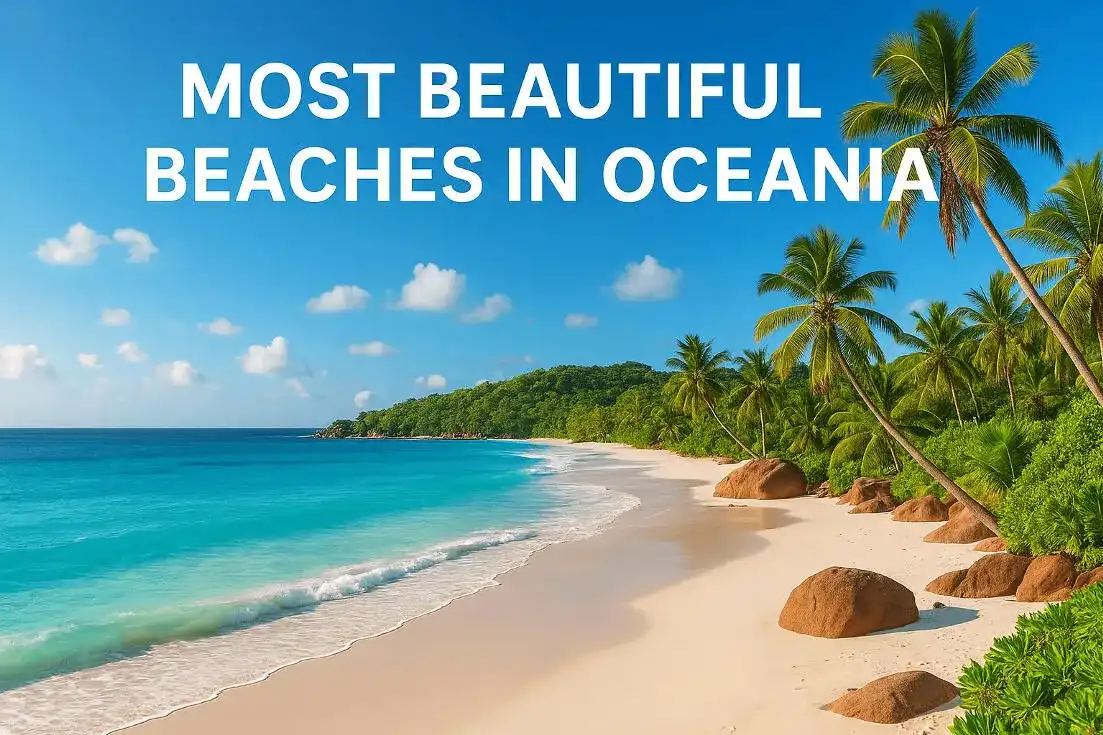
The most beautiful beaches in Oceania at a glance
| Beach | Country | Best for |
|---|---|---|
| Whitehaven Beach | Australia | White silica sand, Hill Inlet views |
| Matira Beach, Bora Bora | French Polynesia | Calm lagoon, mountain views |
| Natadola Beach | Fiji | Swimming, sunsets |
| Aitutaki lagoon and One Foot Island | Cook Islands | Lagoon cruises, sandbars |
| Lalomanu Beach | Samoa | Beach fales, coral reef |
| Champagne Beach | Vanuatu | Calm water, white sand |
| Cathedral Cove and Abel Tasman | New Zealand | Coastal walks, kayaking |
| Rock Islands | Palau | Snorkeling, diving |
Fiji
Fiji is one of the easiest Pacific destinations to reach, with many resorts and island groups. Natadola Beach on the main island of Viti Levu is one of its best-known beaches, with a long stretch of sand and a calm bay protected by a reef. The Mamanuca and Yasawa island groups offer classic small islands with white sand and coral reefs, reachable by boat.
Fijian hospitality is a big part of any visit. In villages, guests may be welcomed with a sevusevu ceremony and invited to share kava, a traditional drink made from the root of a pepper plant.
Bora Bora, French Polynesia
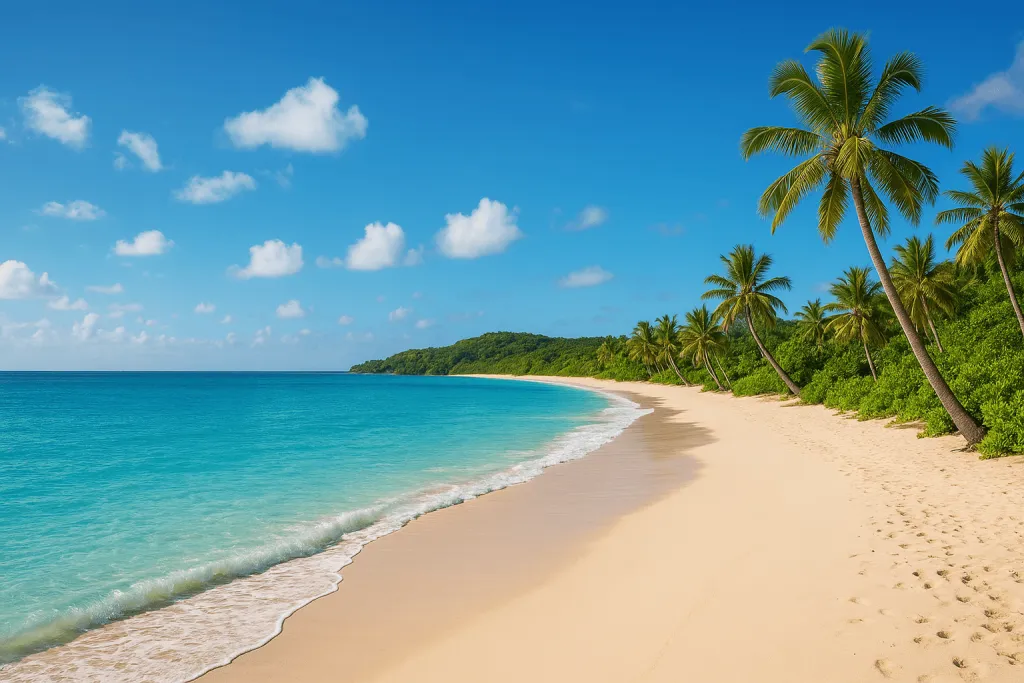
Bora Bora’s lagoon is famous for its many shades of blue, framed by the jagged peak of Mount Otemanu. Matira Beach, on the southern tip of the island, is the best-known public beach, with soft sand and shallow water. Lagoon tours take visitors snorkeling with rays, reef sharks and colorful fish.
Overwater bungalows are the classic image of Bora Bora, but guesthouses on the island offer a more affordable way to enjoy the same lagoon.
Whitehaven Beach, Australia
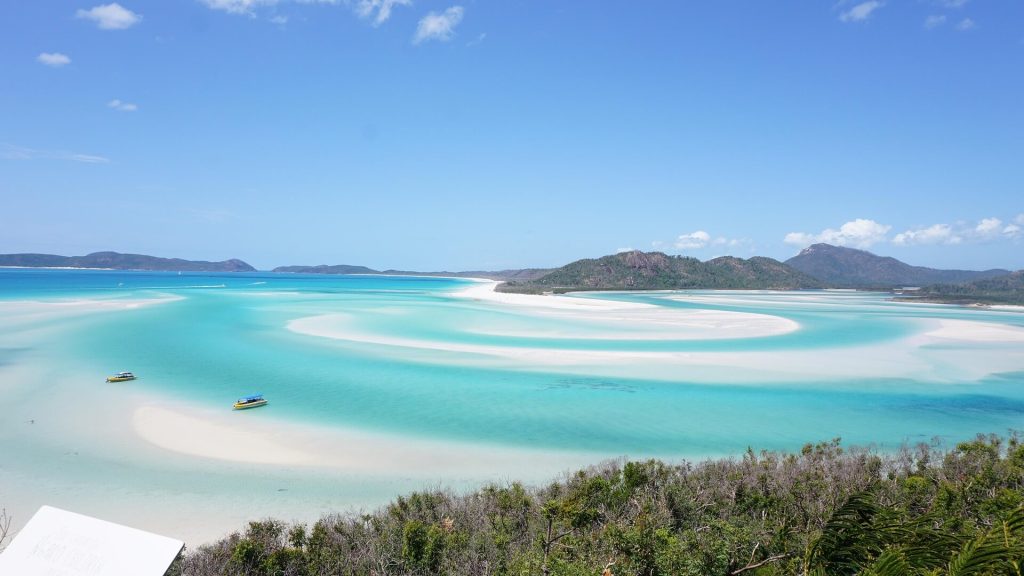
On Whitsunday Island, off the coast of Queensland, Whitehaven Beach stretches for about 4 miles (7 km). Its sand is almost pure silica, extremely fine and white, and stays relatively cool underfoot. At the northern end, Hill Inlet’s swirling patterns of sand and water change with the tides and are best seen from the lookout or from the air.
Whitehaven is reached by boat, seaplane or helicopter from Airlie Beach and the Whitsunday islands. Box jellyfish and other stingers can be present in warmer months, so wear a stinger suit when swimming.
Samoa
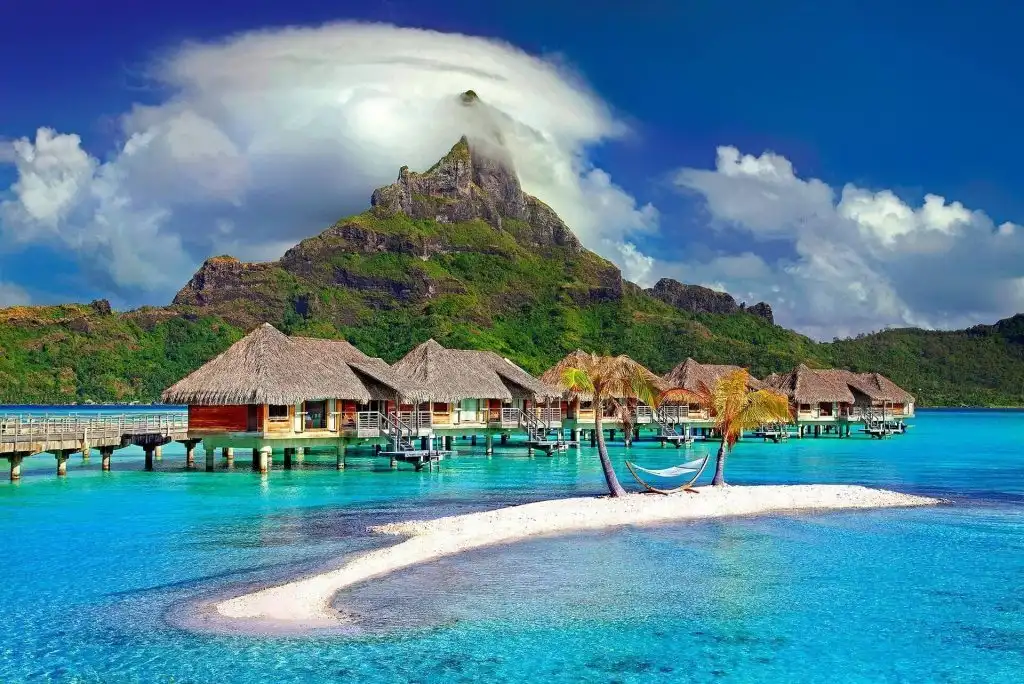
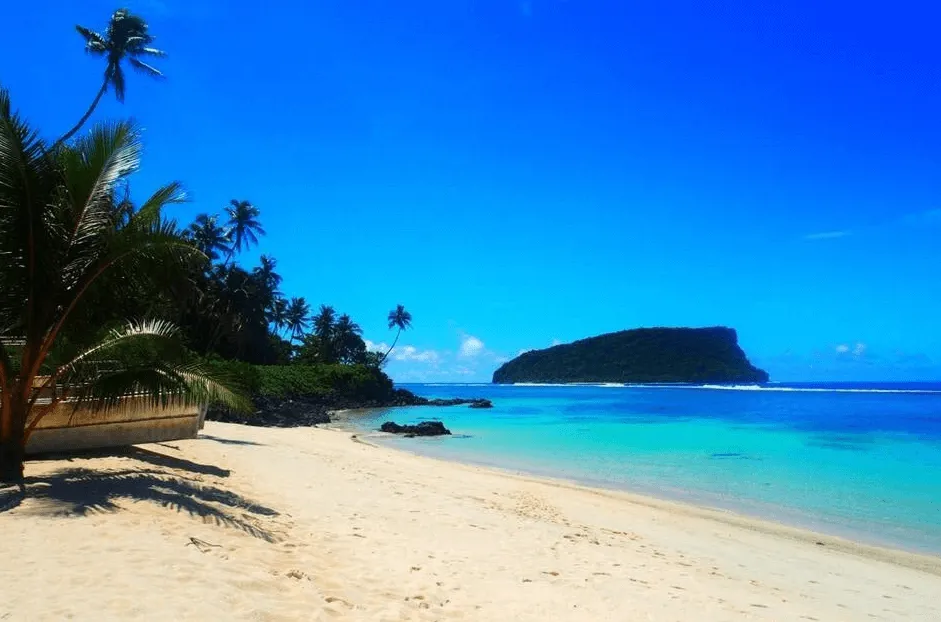
Samoa’s beaches feel relaxed and uncrowded. Lalomanu Beach on Upolu’s southeast coast has soft sand, clear water and views of small offshore islands. Many visitors stay in beach fales, traditional open-sided huts, often including meals with the host family. Sunday is a quiet day of church and family in Samoa, so plan activities accordingly.
Cook Islands
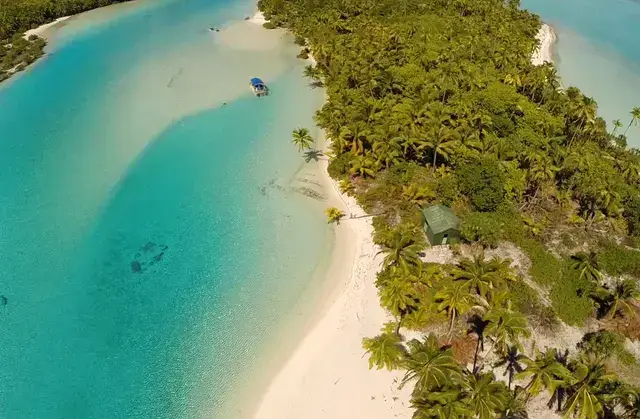
The lagoon of Aitutaki is among the most photographed in the Pacific. Lagoon cruises stop at sandbars and islets such as One Foot Island (Tapuaetai), where a small post office stamps a souvenir mark in visitors’ passports. Rarotonga, the main island, has a ring road around its coast, easy beaches and a lush mountainous interior.
Vanuatu
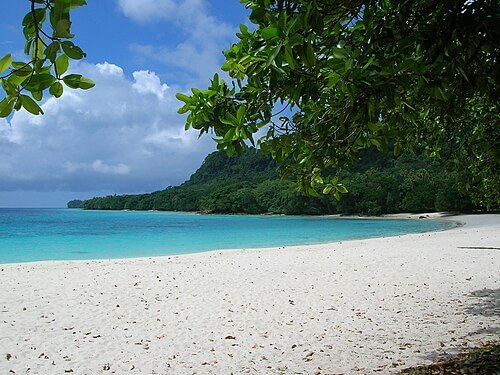
Vanuatu combines beaches with dramatic volcanic landscapes. Champagne Beach on the island of Espiritu Santo is known for its white sand and calm, clear water. On a different island, Tanna, visitors climb to the rim of Mount Yasur, one of the world’s most accessible active volcanoes. Combining the two means taking a domestic flight, so plan time between islands.
New Zealand
New Zealand’s beaches are cooler and wilder. Cathedral Cove on the Coromandel Peninsula is famous for its natural rock arch, and Abel Tasman National Park at the top of the South Island has golden beaches linked by a coastal walking track, perfect for kayaking and multi-day hikes. Access to some sites can change after storms, so check before you go.
Palau
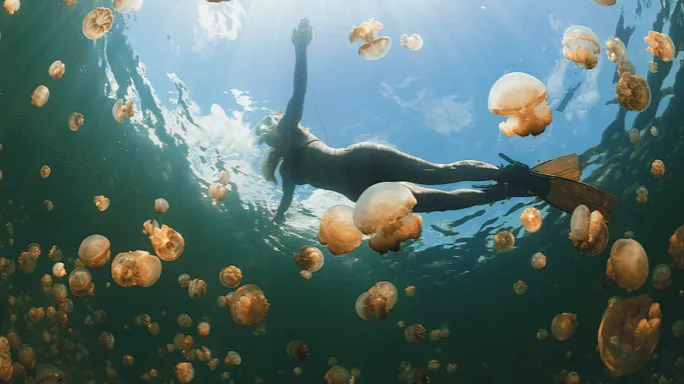
In Palau, the main attraction lies below the surface. The Rock Islands, a UNESCO World Heritage Site, are mushroom-shaped limestone islands surrounded by turquoise water and reefs full of life. Jellyfish Lake, where visitors could once swim among millions of harmless jellyfish, has been closed at times to protect the ecosystem, so check whether it is open. Palau requires visitors to sign an environmental pledge on arrival, promising to act responsibly.
Tonga
Tonga is one of the few places where you can swim with humpback whales in season, roughly July to October, with licensed operators. Its islands, especially the Vava’u group, offer quiet beaches and calm sailing waters.
When to visit Oceania’s beaches
Most tropical Pacific islands have a drier, cooler season roughly from May to October and a wetter, hotter season from about November to April, when cyclones are also possible. Australia’s Whitsundays and New Zealand follow their own seasons; New Zealand’s beaches are best in the Southern Hemisphere summer, December to February.
How to get there and what it costs
Major gateways include Sydney, Brisbane and Auckland, with flights onward to Fiji, Samoa, the Cook Islands, Vanuatu and French Polynesia. Some islands also have direct flights from the US West Coast. Flights are the biggest expense; once there, guesthouses, local food and public beaches keep costs down. Our ultimate guide to budget travel has more ideas.
Visiting with kids
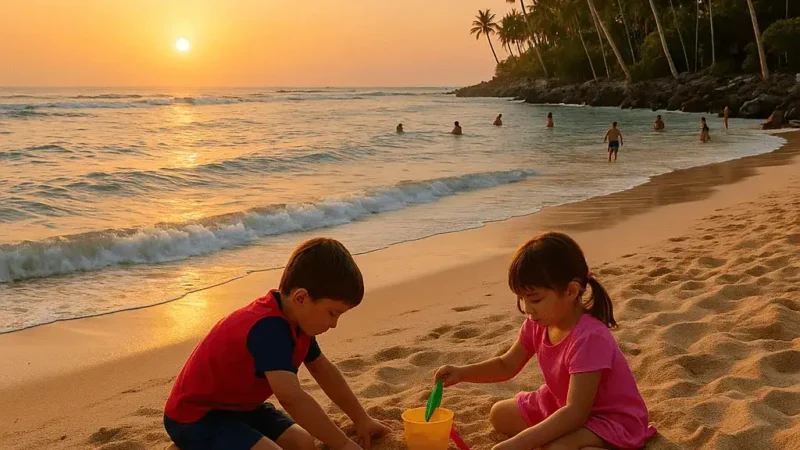
Many Pacific beaches are excellent for families, with calm lagoons protected by reefs. Choose lagoon-side accommodation, bring rash guards and water shoes, and ask locally about currents, especially near reef passes.
Travel responsibly
- Do not touch or stand on coral.
- Use reef-friendly sunscreen and protective clothing.
- Follow local customs: dress modestly in villages and ask before entering private land or beaches.
- Respect Sunday traditions in islands such as Samoa and Tonga.
- Take your rubbish with you; waste disposal is difficult on small islands.
Beyond the beach: Pacific food
Island food is part of the experience, from lap lap in Vanuatu to coconut crab and giant swamp taro on the atolls. Our guides to what people eat in Kiribati, Tuvalu, Vanuatu and Niue explain the traditions behind Pacific food.
Planning a Pacific island-hopping trip
Many travelers want to visit several islands in one trip, but distances in the Pacific are huge and flights between island nations are limited. A few practical approaches work well:
Choose one hub. Fiji works as a hub for Vanuatu, Samoa and Tonga, while Auckland connects to the Cook Islands, Samoa, Tonga and French Polynesia.
Combine neighbors. Samoa and American Samoa, or Fiji’s main islands with the Mamanuca and Yasawa groups, are easy pairings.
Allow buffer days. Small airlines may change schedules, and weather can delay boats. Keep a spare day before long-haul flights home.
Stay longer in fewer places. Spending a week on one island usually gives a richer experience than three islands in a week.
Beach safety in the Pacific
- Swim inside the lagoon, not in reef passes, where currents can be very strong.
- Wear water shoes to protect your feet from coral, sea urchins and stonefish.
- Never stand on or touch coral; it is alive and easily damaged.
- Ask locally about jellyfish and seasonal stingers, especially in tropical Australia.
- Respect local rules: some beaches are owned by villages and need permission or a small fee to visit.
A sample two-week Pacific beach itinerary
| Days | Plan |
|---|---|
| 1–5 | Fiji: Natadola Beach, then the Mamanuca or Yasawa islands |
| 6–10 | Cook Islands: Rarotonga and a day trip or stay on Aitutaki |
| 11–14 | Samoa: Lalomanu Beach and a stay in a beach fale |
Flights between these islands may route through Auckland, so check schedules carefully before booking.
Frequently asked questions
What is the most beautiful beach in Oceania?
Whitehaven Beach in Australia, Matira Beach in Bora Bora and Aitutaki’s lagoon in the Cook Islands are often named among the most beautiful.
When is the best time to visit Pacific island beaches?
The drier season, roughly May to October, offers the most sunshine and calmer seas on most tropical islands.
Which Pacific islands are best for families?
Fiji, the Cook Islands and Samoa have calm lagoons and family-friendly accommodation.
Are Pacific islands expensive?
Flights are the main cost. Local guesthouses, beach fales and local food can make stays more affordable.
Can you swim with whales in Oceania?
Yes. In Tonga, licensed operators offer swims with humpback whales, roughly July to October.
The Pacific is waiting
The most beautiful beaches in Oceania are spread across a huge ocean, each with its own character. Choose the season carefully, travel lightly and respectfully, and leave time for the people and cultures behind the postcard views.