
You do not need a fortune to see the world. Budget travel is a set of habits: choosing the right destinations, booking smart, eating where locals eat and spending on the experiences that matter most to you. Three decisions shape almost every travel budget: where you go, when you go, and how long you stay. Get those right, and the daily savings follow.
I have lived in Da Nang, Vietnam, for more than a year and traveled across Georgia, Sri Lanka and Turkey, and the biggest lesson has been simple: slow, well-chosen trips cost far less per day than rushed ones. This guide brings together practical strategies for flights, accommodation, food, transport and free activities.

Start with a realistic travel budget
Before you book anything, estimate your costs in five categories:
| Category | What to include |
|---|---|
| Transport to the destination | Flights, trains, baggage fees, airport transfers |
| Accommodation | Nightly rate, taxes, cleaning fees |
| Food and drink | Meals, coffee, snacks, water |
| Local transport | Metro, buses, taxis, car rental, fuel |
| Activities and extras | Tickets, tours, SIM card, insurance, souvenirs |
Add a buffer of around 10–15% for surprises. Tracking daily spending in a simple app or notebook keeps you honest.
Choose budget-friendly destinations
Where you go matters more than any money-saving trick. The same budget lasts a few days in some cities and several weeks in others.
| Region | Often budget-friendly | Usually expensive |
|---|---|---|
| Asia | Vietnam, Sri Lanka, Indonesia, parts of Thailand, Malaysia | Singapore, Japan in peak season, Maldives resorts |
| Europe | Georgia, Albania, Turkey, Portugal off-season, parts of Eastern Europe | Switzerland, Norway, Iceland, Paris and London |
| Americas | Mexico, Guatemala, Colombia | Most of the US and Canada, Caribbean resorts |
| Africa and Middle East | Morocco, Egypt | Safari lodges, Gulf luxury hotels |
From my own travels, Georgia, Sri Lanka and central Vietnam offer an excellent mix of food, nature and culture for a modest daily budget. Even destinations known as expensive can be done more cheaply with local guesthouses and public transport, as our guides to budget travel in the Maldives and Seychelles show.
How to find cheap flights
Compare widely. Flight search tools such as Google Flights, Skyscanner and Kayak scan many airlines at once. Use calendar or “whole month” views to find the cheapest dates.
Be flexible. Midweek departures and early-morning flights are often cheaper. Shifting a trip by a day or two can save a lot.
Check nearby airports. Smaller airports served by low-cost airlines can be much cheaper than the main hub.
Watch the extras. With low-cost airlines, baggage, seat selection and meals can double the fare. Our guide to choosing between low-cost and premium airlines explains when budget carriers really save money.
Set price alerts and book when the price is good rather than waiting for a perfect deal.
Affordable accommodation
Hostels and guesthouses. Many modern hostels offer private rooms with bathrooms as well as dorms, and family-run guesthouses often include breakfast and local advice.
Apartments with kitchens. For couples, families and longer stays, an apartment saves money on food and laundry.
Monthly rentals. If you stay a month or more, ask for a monthly rate. When I lived in Da Nang, renting for the long term cost much less per night than any short stay.
Homestays. Staying with local families is often good value and a great way to learn about daily life.
Book location carefully. A cheap room far from everything can cost more in taxis and time.
Eating well on a budget
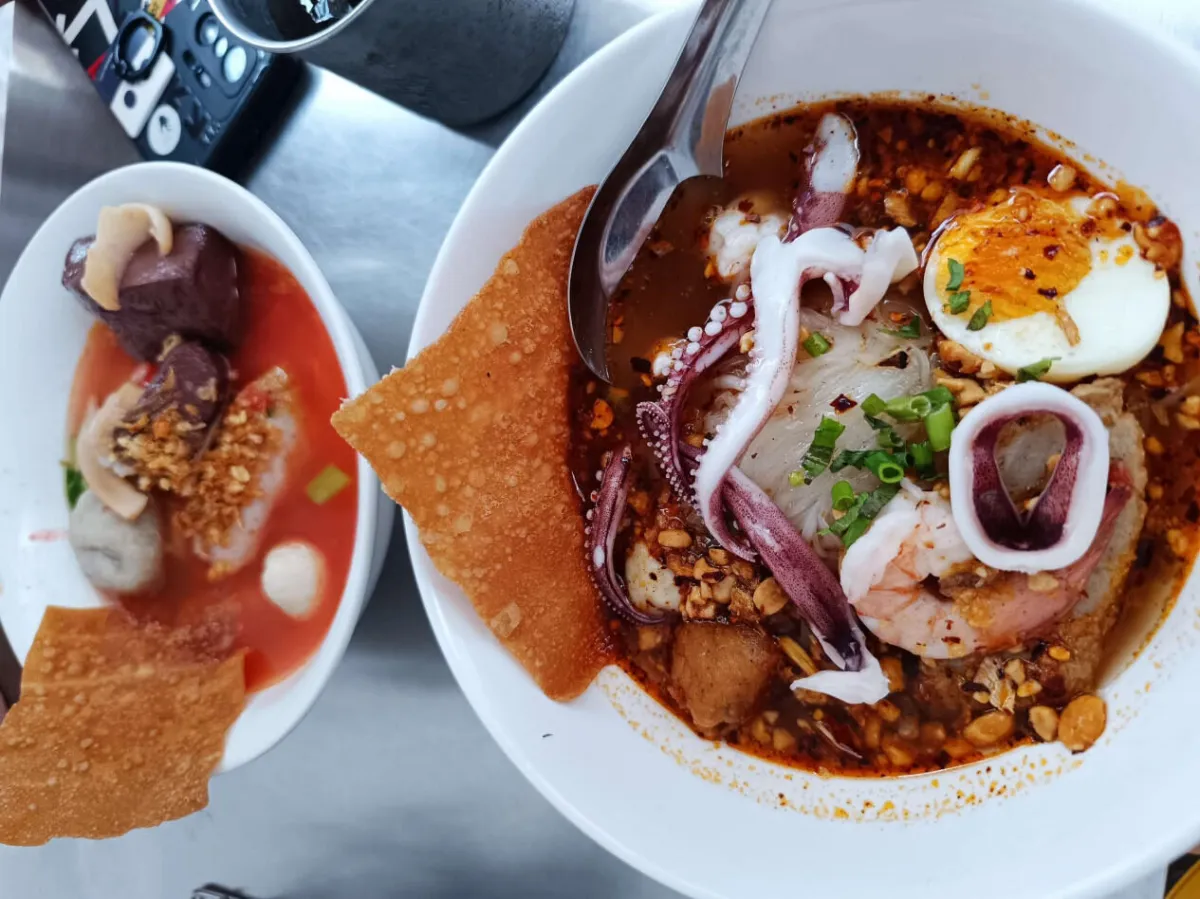
Eat where locals eat. Busy street stalls and small family restaurants are usually cheaper and often better than tourist restaurants.
Lunch is your friend. In many countries, set lunch menus cost much less than dinner.
Shop at markets. Fresh fruit, bread and ready-made snacks make easy, cheap meals.
Cook sometimes. Even one home-cooked meal a day saves a lot over a long trip.
Carry a refillable water bottle where tap water is safe, or use filters.
Getting around cheaply
Public transport. Metros, buses and trams are cheap and often quicker than taxis. Look for day passes or rechargeable cards.
Walk and cycle. Walking is free and the best way to discover a city. Bike rentals and bike-share schemes are cheap in many cities.
Overnight trains and buses save the cost of a night’s accommodation.
Ride-hailing apps show prices upfront and help avoid taxi overcharging.
Rent a car only when needed, for example, for rural areas where public transport is limited.
Free and low-cost activities
- Free walking tours in many cities (based on tips)
- Parks, beaches, hiking trails and viewpoints
- Museums with free or reduced entry on certain days (check each museum’s website)
- Markets, festivals and street performances
- Temples, churches and mosques that welcome respectful visitors
Search “[city] free things to do” before you go, and check local tourism websites for events.
Slow travel: the best budget hack
Moving every day or two is expensive: transport, check-in fees and tired, rushed decisions add up. Staying longer in fewer places lets you rent by the week or month, cook more, use public transport like a local and find the cheap places that tourists miss. It is also, in my experience, the most enjoyable way to travel.
Budget travel with kids
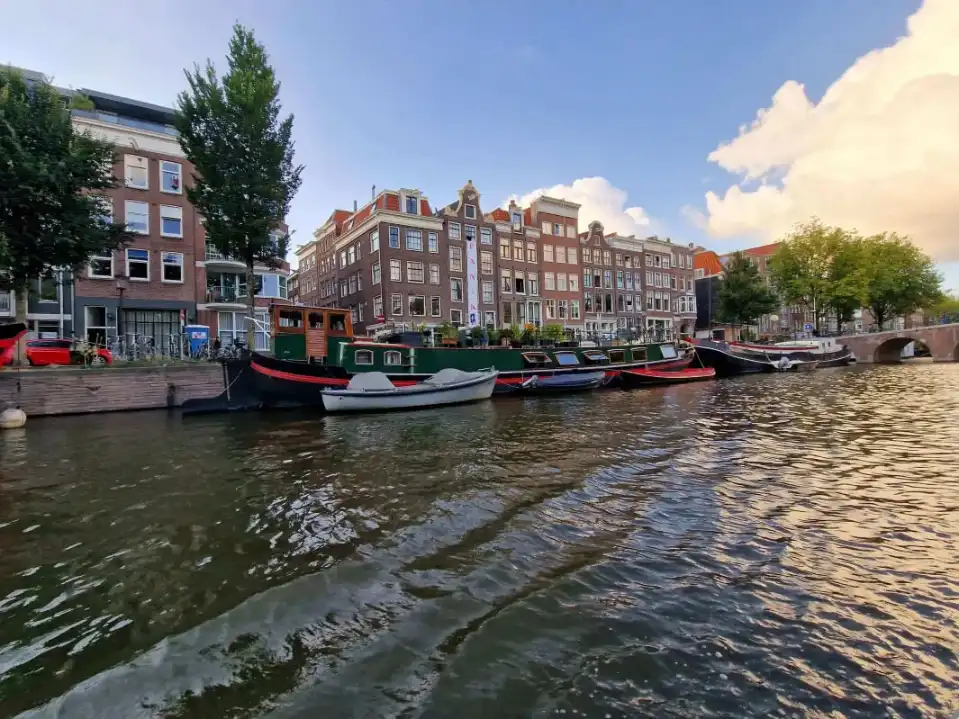
Families can save by choosing apartments with kitchens, traveling outside school holidays when possible, picking destinations with free beaches and parks, and taking advantage of child discounts on transport and attractions. Travel insurance is not the place to cut costs; see our guide to family travel insurance.
Money tips while traveling
- Use a card without foreign transaction fees.
- Withdraw larger amounts less often to reduce ATM fees.
- Always pay in local currency when a card machine offers a choice.
- Keep a backup card and some emergency cash separately.
- Tell your bank before traveling if required.
Stay safe on a budget
- Read recent reviews before booking accommodation.
- Choose central, well-lit neighborhoods.
- Avoid deals that seem too good to be true.
- Never skip travel insurance; a medical emergency abroad can cost far more than the whole trip.
Using AI to plan a budget trip
AI assistants can help compare destinations, build itineraries and estimate costs, but prices and rules change, so always check official websites and recent reviews. Our guide on how to use AI for travel planning shows how.
A sample daily budget plan
The exact numbers depend on the destination, but splitting your daily money into categories helps you notice where it goes.
| Category | Share of daily budget | Ways to save |
|---|---|---|
| Accommodation | About 40% | Weekly or monthly rates, guesthouses, private rooms in hostels |
| Food | About 25–30% | Local restaurants, markets, lunch specials, cooking |
| Transport | About 10–15% | Public transport, walking, overnight journeys |
| Activities | About 10–15% | Free tours, parks, museum free days |
| Buffer | About 5–10% | Keep for surprises and treats |
Common budget travel mistakes
Planning too many destinations. Every move costs money for transport and time.
Ignoring hidden fees. Baggage fees, resort fees, cleaning fees and ATM charges add up quickly.
Choosing the cheapest bed in a bad location. You may spend the savings on taxis.
Exchanging money at the airport. Rates are usually poor; withdraw small amounts from an ATM instead.
Booking everything in advance. In many budget destinations, local guesthouses and transport are cheaper when booked on arrival, outside peak season.
Forgetting insurance. Cutting travel insurance is the one saving that can cost the most.
Budget travel for families and couples
Couples and families often save by sharing apartments with kitchens, which make breakfast and some dinners cheap and easy. Traveling outside school holidays, when possible, can cut accommodation and flight prices dramatically. Many attractions offer family tickets, and children often travel at reduced fares on trains and buses.
Frequently asked questions
What is budget travel?
Budget travel means planning trips to get the most experiences for your money, through smart choices on destinations, transport, accommodation and food.
What are the cheapest countries to travel?
Countries such as Vietnam, Sri Lanka, Georgia, Albania, Mexico and Indonesia are often good value, though prices vary by season and travel style.
How can I find the cheapest flights?
Compare prices across several search tools, be flexible with dates and airports, set price alerts and watch out for extra fees on low-cost airlines.
Is slow travel cheaper?
Usually, yes. Staying longer in fewer places reduces transport costs and allows weekly or monthly accommodation rates.
Should I buy travel insurance on a budget trip?
Yes. It is one of the most important costs, because an emergency abroad can be extremely expensive.
Travel more, spend smarter
Budget travel is not about cutting every corner; it is about spending on what matters to you. Choose good-value destinations, travel slowly, eat where locals eat and use public transport, and the same budget will take you further than you expect.