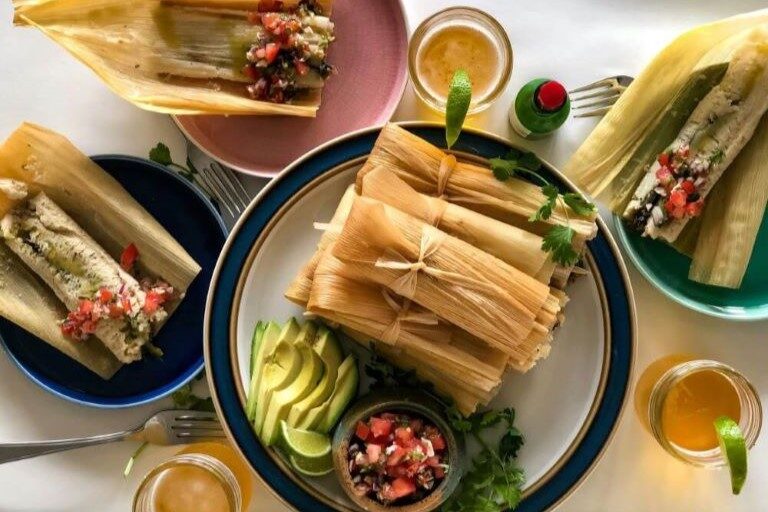
Traditional food in Vanuatu rests on one dish above all others: lap lap, a grated root-crop cake baked underground in banana leaves. Melanesian settlers have been making it since they arrived in these islands more than 3,000 years ago, and it remains the food served whenever something important happens.
Vanuatu is 83 islands with over 100 languages, which makes generalising risky. But three things hold across almost all of them: root crops (taro, yam, cassava), coconut cream, and the earth oven. Everything else is variation.
Table of Contents
Traditional food in Vanuatu: the three pillars
1. Root crops: the calorie base
Ni-Vanuatu cooking is built on what grows in volcanic soil:
- Taro (wota), the most prestigious, used for the best lap lap
- Yam (yam), ceremonial, tied to the agricultural calendar
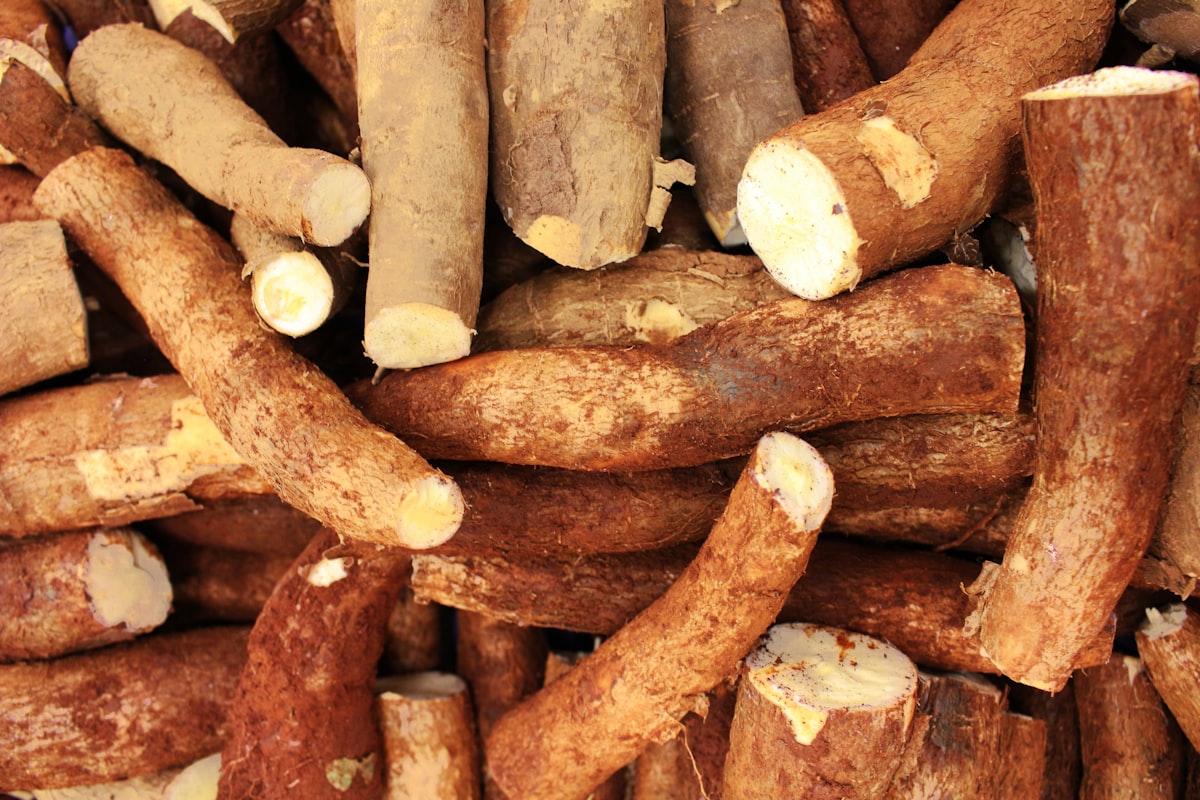
- Cassava (manioc), introduced, now everywhere because it’s hardy
- Sweet potato (kumala), everyday filler
- Banana (plantain), cooked green as a starch, not eaten as fruit
The yam calendar matters more than it might sound. On several islands, yam harvest festivals mark the start of the year, and the crop’s condition is read as a sign of the season ahead.
2. Coconut cream: the flavor and the fat
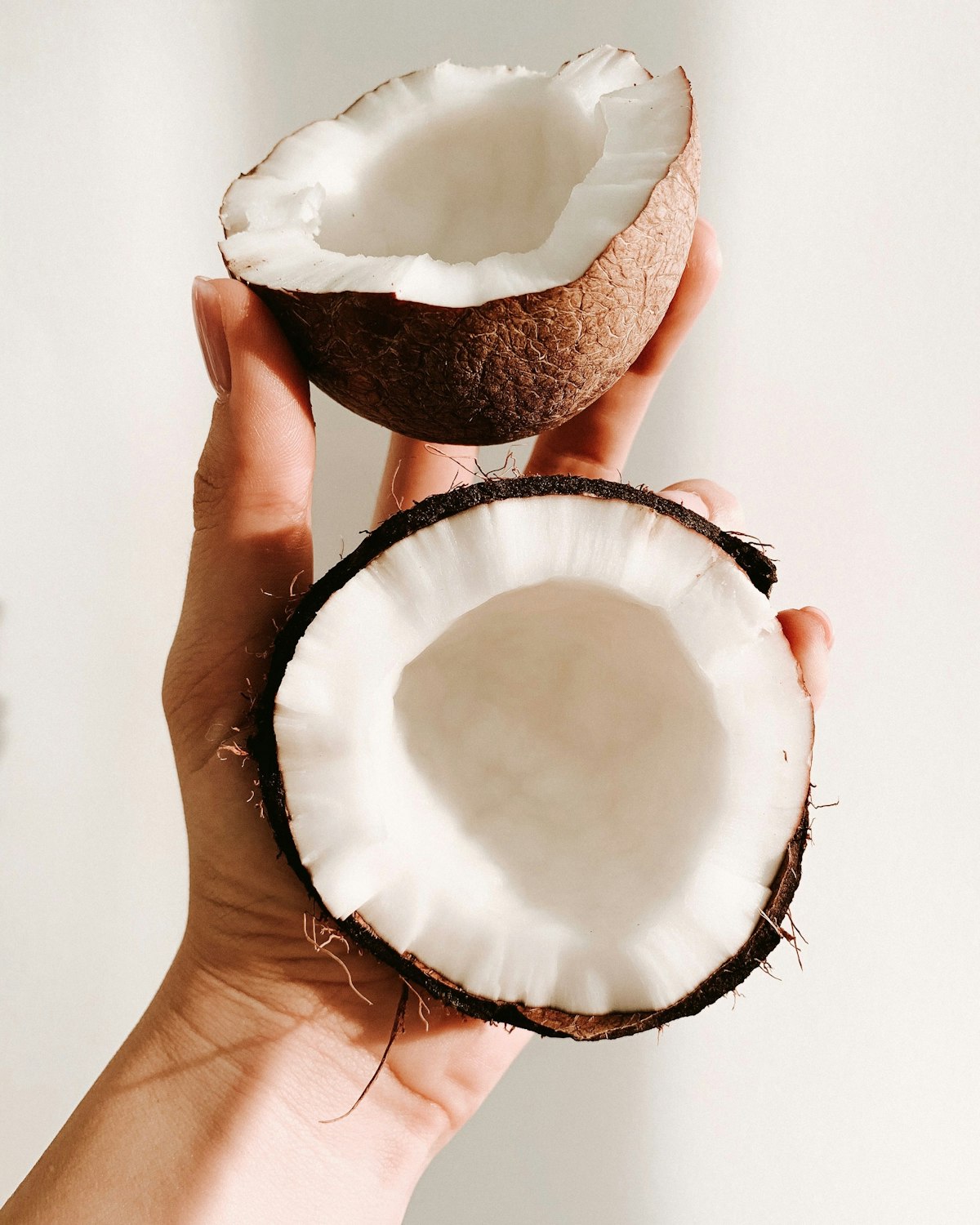
Grated coconut pressed by hand into thick cream is the cooking liquid for nearly every traditional dish. It supplies fat, richness, and the taste that makes food recognisably Ni-Vanuatu.
Nothing is wasted. Husks fuel fires, shells become bowls and grating tools, leaves wrap food, and the water is drunk.
3. The earth oven (umu): the method that defines everything
Hot stones in a pit, food wrapped in banana leaves, the whole thing buried under earth and left for hours.
This is not a novelty for tourists. It’s how significant food is still cooked. The slow, enclosed steam produces a texture and a faint smokiness that no pot or oven reproduces, and it’s the reason lap lap tastes the way it does.
Lap lap: the national dish explained
Lap lap is Vanuatu’s national dish and the single most important item in traditional food in Vanuatu.
Root vegetables, taro, yam, or cassava, are grated by hand against a coral or metal grater into a wet paste. The paste is spread onto banana leaves, coconut cream is poured over, and a protein is often laid on top: chicken, pork, fish, or flying fox. The leaves are folded into a parcel, tied, and buried in the umu over hot stones for several hours.
What emerges is dense, moist, and faintly smoky, somewhere between a cake and a pudding, sliced and eaten with the hands.
Why lap lap matters beyond the food
Lap lap is the food of kastom. The term Ni-Vanuatu use for traditional law, ceremony, and custom. It appears at weddings, funerals, chief installations, reconciliations, and the ceremonies that mark grade-taking in Vanuatu’s ranked societies.
Serving it signals that an occasion is serious. Regional variations are real and locally defended: taro lap lap is considered superior on islands where taro grows well, while cassava versions dominate where it doesn’t.
Other traditional dishes worth knowing
| Dish | What it is | When it’s eaten |
|---|---|---|
| Lap lap | Grated root crop with coconut cream, baked in banana leaves | Ceremonies, Sundays, kastom occasions |
| Tuluk | Grated cassava wrapped around spiced minced pork or beef | Celebrations, markets |
| Simboro | Grated root crop wrapped in island cabbage leaves | Everyday and feast food |
| Nalot | Pounded taro or breadfruit with coconut cream | Traditional, ceremonial |
| Coconut crab | Grilled or boiled, served simply | Delicacy |
| Poulet fish | Reef fish grilled over open coals | Everyday |
| Island cabbage | Leafy green cooked down in coconut cream | Daily side dish |
| Bougna-style parcels | Fish or chicken with root crops in leaves | Feasts |
Tuluk: the dish visitors remember
Tuluk is grated cassava formed around a filling of spiced minced pork or beef, then wrapped in leaves and steamed or baked. The outside is soft and slightly chewy; the inside is rich and seasoned.
It’s sold at markets in Port Vila and Luganville, which makes it one of the few traditional dishes visitors can reliably buy rather than needing an invitation.
Simboro: the everyday version
Simboro takes the same grated root crop base but wraps it in island cabbage leaves rather than banana leaves, then cooks it in coconut cream. Less ceremonial than lap lap, more common as ordinary food.
Nalot: pounded, not grated
Nalot uses a different technique entirely. Taro or breadfruit is cooked, then pounded with a wooden pestle until smooth and elastic, and coconut cream is worked in. The result is sticky and dense, served in slabs.
The pounding is communal and rhythmic, often done by several people at once.
Kava in Vanuatu: stronger than anywhere else
Vanuatu’s kava is widely considered the strongest in the Pacific, and it occupies a central place in daily life.
The root of Piper methysticum is ground or pounded, mixed with water, and strained. The result is earthy, muddy, and numbing. Effects are calm and heavy rather than intoxicating in the alcohol sense.
Nakamals, kava bars, marked in the evening by a lit lamp, are found in every town and most villages. Traditionally these were men’s spaces tied to chiefly authority; in Port Vila today they’re broadly open, and visitors are generally welcome.
The etiquette is real: you drink your shell in one go, then step away and stay quiet for a moment. Loud talking immediately after drinking is considered poor form.
Vanuatu also exports kava, and it’s one of the country’s more significant agricultural earners.
What do Ni-Vanuatu eat daily?
In Port Vila and Luganville
- Imported rice at most meals
- Canned meat and tinned fish widely eaten
- Bread, instant noodles, imported snacks
- French colonial influence visible in baguettes and pastries
- Restaurants serving French, Chinese, and Vietnamese food
In villages and outer islands
- Breakfast: leftover root crop, tea, sometimes bread
- Lunch: island cabbage with root crop, fish if available
- Dinner: the main meal, lap lap, simboro, or fish with taro
- Almost entirely subsistence gardening and fishing
Traditional food in Vanuatu survives far better in villages than in the two towns, where imported food has largely taken over the weekday table.
Why is there French food in Vanuatu?
Because Vanuatu was governed jointly by Britain and France until independence in 1980. An unusual arrangement known as the Condominium, in which both powers ran parallel administrations, schools, and legal systems.
The result is visible in the food. Port Vila has genuine French bakeries and restaurants, baguettes are ordinary, and French is one of three official languages alongside English and Bislama.
This layer sits on top of the Melanesian base rather than replacing it. A household might eat baguette for breakfast and lap lap on Sunday.
Food taboos and kastom rules
Several islands maintain food restrictions tied to kastom, and they’re worth knowing about:
- Certain foods are restricted to men, or to men of particular rank
- Some clans have prohibitions on specific animals connected to ancestral relationships
- On some islands, women are restricted from eating particular fish or from eating with men at ceremonies
- Pigs, especially tusked boars, have enormous ceremonial value and are killed for specific occasions rather than eaten casually
The tusked pig is worth a note of its own. In Vanuatu, boars’ tusks are grown in a circular curve over years by removing the upper teeth, and the resulting animal is a form of wealth used in ceremonies and bride price. Pig is not just meat here.
The contradiction at the center of Vanuatu’s food system
Vanuatu looks, from the outside, like it should be self-sufficient. Around 80% of the population depends on subsistence gardening and fishing, most households grow their own root crops, and the growing conditions are good.
It imports roughly half its food anyway.
That combination is the thing worth understanding. Subsistence gardens cover the starch, taro, yam, cassava, island cabbage, but not the rice, flour, oil, sugar and tinned protein that now make up a large share of what people actually eat, particularly in Port Vila and Luganville. A household can be growing most of its own calories and still be exposed to shipping costs and global food prices.
Cyclones expose the gap immediately. Vanuatu sits in one of the most cyclone-prone corridors on earth, and a severe storm destroys gardens and fruit trees in a single night. After the twin cyclones of 2023, surveys recorded food consumption dropping by around 30% in affected areas. Not because shops closed, but because the gardens that supplied the other half were flattened, and root crops take months to replace.
This is why the traditional preservation techniques still matter, and why the yam calendar is not nostalgia. A stored yam or a pit of fermented breadfruit is a functioning insurance policy in a place where the growing season can be erased overnight.
How travelers can experience traditional food in Vanuatu
Markets first
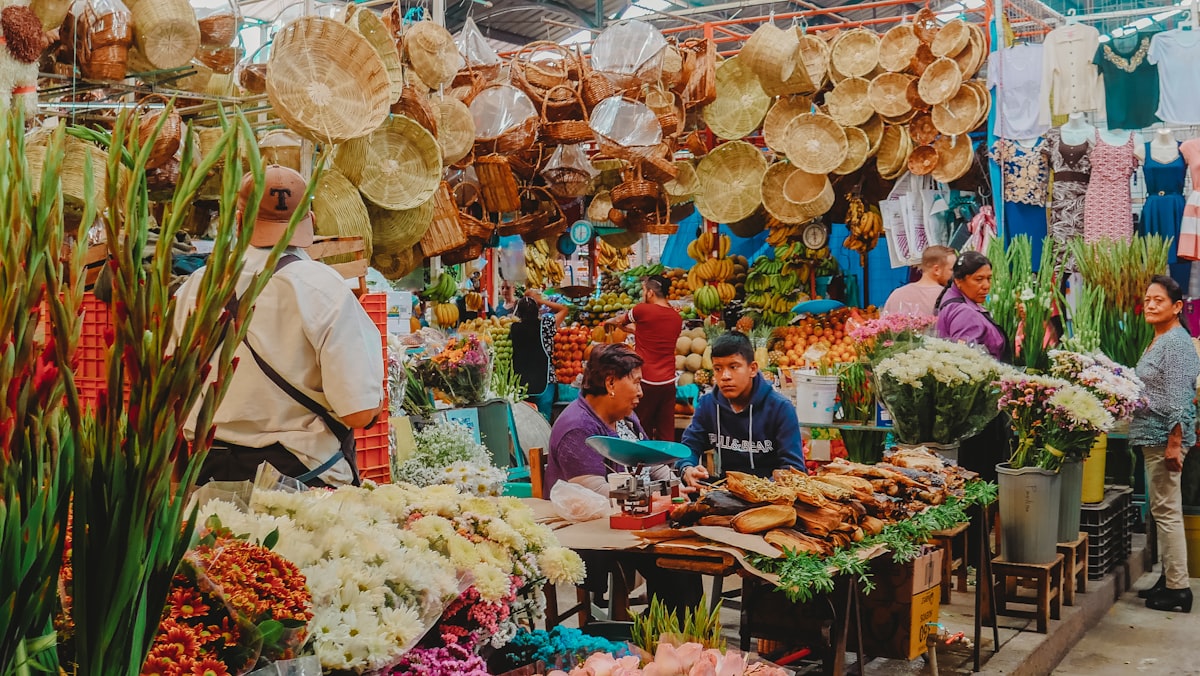
Port Vila’s central market is open most of the week and is the single best place to eat traditional food in Vanuatu. Lap lap, tuluk, simboro, and grilled fish are sold cooked and cheap. Market food is significantly better and more authentic than most restaurant versions.
Village visits and feasts
Earth-oven cooking at scale happens at village events. Some communities offer arranged visits that include a meal. Worth doing if it’s organized through the community rather than a resort.
Nakamals in the evening
Look for the lit lamp. Order a shell, drink it in one, step aside. It’s cheap and it’s the most ordinary social activity in the country.
Etiquette worth knowing
- Ask before photographing people, food, or ceremonies
- Accept food when offered; refusing outright is rude
- Don’t wander into a village unannounced, ask for the chief or a contact first
- Dress modestly outside resort areas
- If offered kava, one shell is polite; more is optional
Frequently asked questions: traditional food in Vanuatu
What is the national dish of Vanuatu?
Lap lap. Grated taro, yam, or cassava mixed with coconut cream, wrapped in banana leaves, and baked in an earth oven. It’s central to ceremonies and considered the defining dish of the country.
What is the difference between lap lap and tuluk?
Both use grated root crops, but lap lap is a flat parcel with coconut cream and sometimes meat on top, while tuluk wraps grated cassava around a filling of spiced minced pork or beef.
Is kava in Vanuatu stronger than elsewhere?
Generally yes. Vanuatu kava is widely regarded as the strongest in the Pacific, and it’s consumed daily at nakamals across the country.
Is traditional food in Vanuatu spicy?
No. Ni-Vanuatu cooking is mild, built on coconut cream, root crops, and the smoky flavor from the earth oven rather than chilli or strong spice.
Can you eat coconut crab in Vanuatu?
Yes, though it’s a delicacy rather than everyday food. Populations are under pressure and harvesting is increasingly restricted.
What do people drink in Vanuatu?
Kava above all, plus coconut water, tea, imported soft drinks, and locally brewed Tusker beer.
Conclusion: traditional food in Vanuatu is still working
Traditional food in Vanuatu hasn’t survived as a museum piece. Lap lap is still buried in earth ovens most weekends, kava is still poured in nakamals every evening, and the yam calendar still marks the year on several islands.
What’s changed is the weekday. Rice, tinned fish, and baguettes have taken over ordinary meals in the towns, while the traditional table has retreated to Sundays, ceremonies, and the villages. That split, imported food during the week, kastom food when it counts, is the honest answer to how Vanuatu eats now.
For a look at how another Pacific nation handles the same tension, see our guide to what people eat in Kiribati, or read about cooking on coconut shells, a technique used across the region.