When travelers ask, “What do people eat in the Cook Islands?” the short answer is: whatever the lagoon and the taro patch provide that day, dressed in coconut cream. The longer answer involves 15 islands spread across 2 million square kilometers of ocean, a diet built on fish, root crops, and coconut, and a Sunday ritual, the umukai, that most households still observe.
The Cook Islands sit culturally close to Tahiti and Hawaii, and the food reflects it: rich, coconut-heavy, and built around raw fish preparations that rank among the best-known dishes in the Pacific.
What do people eat in the Cook Islands? The three pillars
As a self-governing state in free association with New Zealand, a status detailed by the New Zealand Ministry of Foreign Affairs, the Cook Islands import much of what people eat here from Auckland supermarkets.
1. Root crops: taro above all
- Taro (taro), the primary starch, boiled, baked, or used in rukau
- Kumara (sweet potato), common, especially on the drier northern atolls
- Cassava and breadfruit, supplementary staples
- Arrowroot (pia), traditionally used, now mostly in desserts
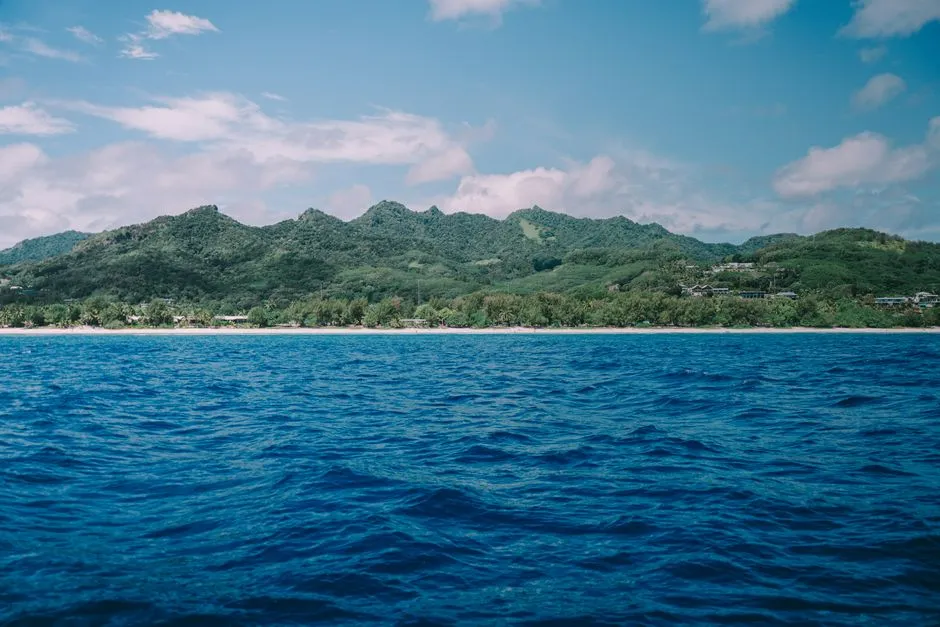
Rarotonga and the southern islands have enough volcanic soil to grow taro reliably. The northern atolls, low coral islands like Manihiki and Penrhyn, have far less arable land and rely more heavily on fish, coconut, and imports.
2. Fish and seafood: the everyday protein
The lagoons and surrounding reef supply most protein:
- Tuna and other pelagic fish
- Parrotfish and reef species
- Giant clam and other shellfish
- Freshwater prawns on Rarotonga specifically
- Black pearl oysters. Farmed in the northern atolls, primarily for pearls rather than food, but the meat is eaten
3. Coconut: the flavor base
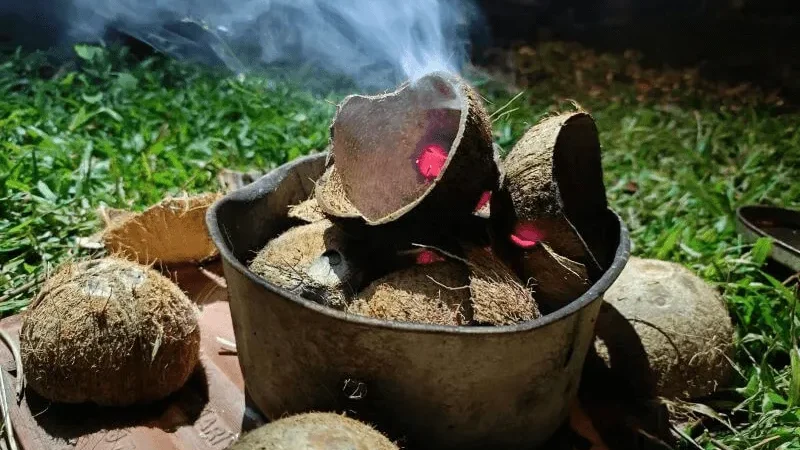
As across Polynesia, coconut cream is the cooking medium for the two dishes that most define local food: ika mata and rukau. Coconut water, flesh, husks, and leaves are used in full, nothing wasted.
Ika mata: the dish most visitors remember
Ika mata is raw fish “cooked” in citrus juice, then combined with fresh coconut cream, diced onion, and chilli.
Fresh tuna or another firm fish is cubed and left in lime or lemon juice until the acid firms and whitens the flesh. It’s then folded into thick coconut cream with onion, and sometimes tomato or cucumber. The result is rich, tangy, and cold, built for a hot climate.
It’s sold at markets, served in nearly every restaurant, and made at home constantly. If one dish answers what people eat in the Cook Islands, this is it.
Rukau: the everyday green
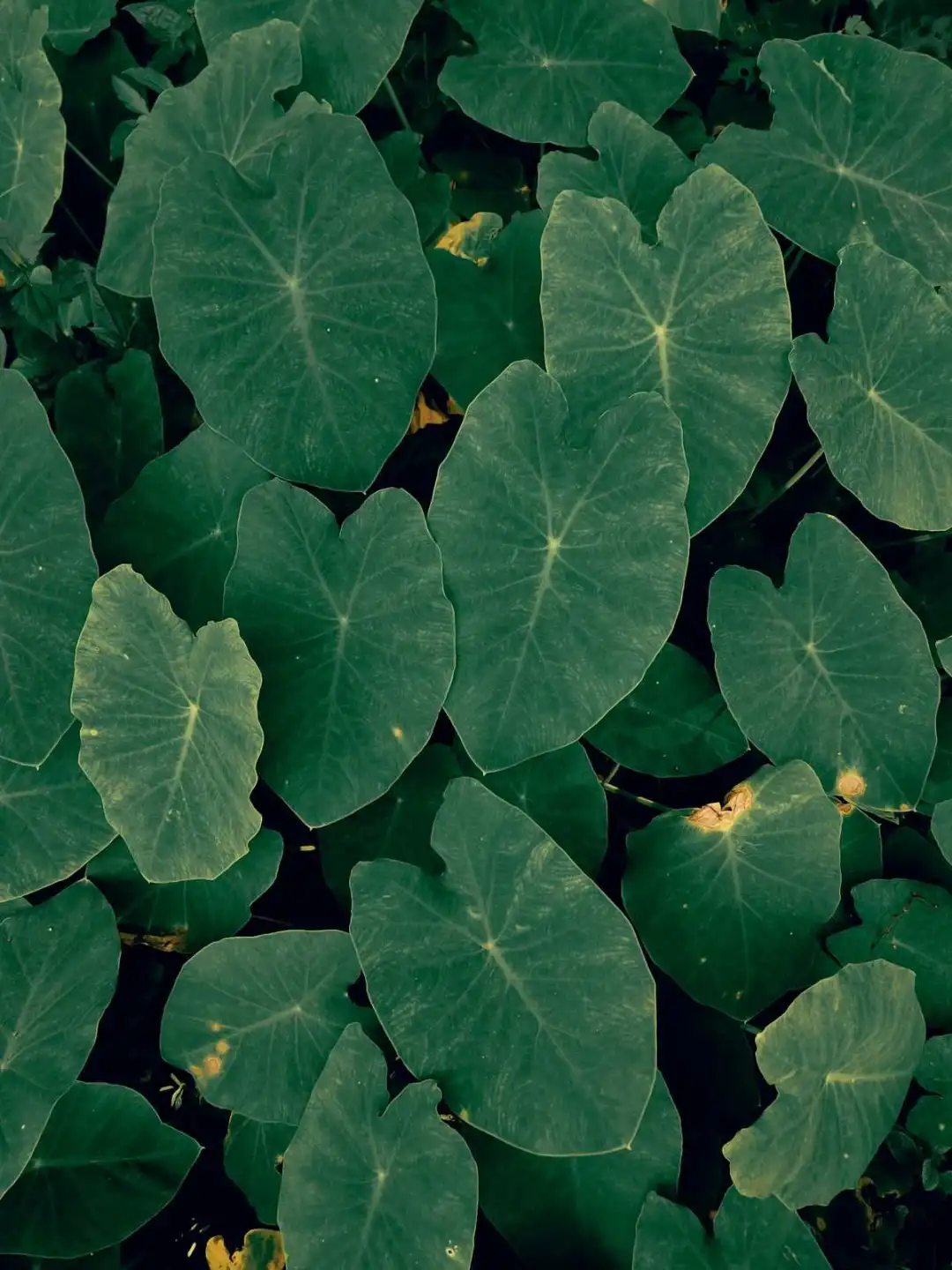
Rukau is taro leaves cooked slowly in coconut cream with caramelised onion until soft and rich. It appears at nearly every Island Night buffet and family meal, usually alongside grilled fish or the meat from an umukai.
Taro leaves must be cooked thoroughly. Like elsewhere in the Pacific, they contain calcium oxalate crystals that irritate the throat if undercooked, so rukau is always simmered long and slow rather than quickly wilted.
Umukai: the earth-oven feast
Umukai is food cooked in the umu, an underground earth oven. The same method known as hangi in New Zealand and umu across most of Polynesia.
Volcanic stones are heated until scorching, food is wrapped in banana or taro leaves, laid on the stones, and covered with more leaves and earth to trap the heat and steam. Several hours later, the pit is opened to reveal tender pork, chicken, fish, and root crops, all carrying a faint smokiness from the stones.
Umukai is traditionally a Sunday practice, tied to church attendance and family gathering, and it remains genuinely common rather than a performance for visitors. Though resorts and cultural centers also stage versions for tourists.
Other traditional dishes
| Dish | What it is | When it’s eaten |
|---|---|---|
| Ika mata | Raw fish in citrus and coconut cream | Everyday, gatherings |
| Rukau | Taro leaves in coconut cream with onion | Everyday, feasts |
| Umukai | Pork, chicken, fish and root crops from the earth oven | Sundays, feasts |
| Poke | Mashed banana or papaya with coconut cream and arrowroot | Dessert |
| Eke | Octopus cooked in coconut cream | Feasts |
| Curried fish or chicken | Reflecting Indian and Fijian influence via migration | Common home cooking |
| Coconut bread | Baked bread enriched with coconut | Everyday |
| Freshwater prawns | Rarotongan speciality, grilled or in coconut cream | Occasional, seasonal |
Why Indian-influenced curry shows up on Cook Islands tables
Curry appears regularly in Cook Islands home cooking, a result of Fijian-Indian and wider Pacific migration patterns that brought South Asian cooking techniques into everyday Polynesian kitchens. It sits alongside ika mata and rukau without friction. One more layer in what people eat in the Cook Islands today.
How is food cooked in the Cook Islands?
The umu / umukai. Hot volcanic stones, leaf-wrapped food, buried and steamed for hours. The centerpiece method for Sunday and celebration cooking.
Coconut cream preparation. No cooking at all in the case of ika mata, the citrus does the work, but coconut cream is folded in raw, which is a different technique from the coconut-cream stewing used elsewhere in the Pacific.
Slow coconut-cream cooking. Used for rukau and similar dishes, where taro leaves need long, gentle cooking to become safe and tender.
Grilling. Simple, direct, used for fish and the freshwater prawns found on Rarotonga.
What do people eat in the Cook Islands daily?
On Rarotonga, the main island
- Imported rice, bread, and pasta feature in regular rotation
- Supermarkets stock New Zealand and Australian imports extensively, given close economic ties
- Restaurants range from resort dining to roadside food trucks selling ika mata by the container
- Church-linked Sunday umukai remains a strong tradition even in the more urbanised south
On the northern atolls
- Far more dependent on fish, coconut, and irregular supply ships
- Less arable land means imported staples matter more, not less
- Traditional fishing and pearl farming remain central to daily life
The Cook Islands’ relationship with New Zealand
Like several nations in this series, the Cook Islands is in free association with New Zealand, and Cook Islanders hold New Zealand citizenship. Far more people of Cook Islands descent live in New Zealand than in the Cook Islands itself.
That relationship shows up directly in the food: imported New Zealand dairy, meat, and produce are everyday items on Rarotonga, and the flow of people between the two countries constantly refreshes what recipes and ingredients circulate at home.
How travelers can experience Cook Islands food
Punanga Nui Market, Rarotonga
The Saturday market in Avarua is the single best place to eat what locals actually eat. Ika mata by the cup, rukau, grilled fish, tropical fruit, and baked goods, all inexpensive and made fresh that morning.
Island Night events
Resorts and cultural venues across Rarotonga and Aitutaki run Island Night dinners featuring umukai-style food alongside traditional dance. These are aimed at visitors, but the food itself is generally prepared properly rather than simplified.
Church and community umukai
If you have any local connection, a genuine Sunday umukai meal is worth far more than a resort version. It’s a real weekly practice, not a tourist reconstruction.
Etiquette worth knowing
- Accept food when offered; a small portion is fine if you’re full
- Dress modestly for church-linked events
- Ask before photographing a family umu being opened
- Tipping is not traditional or expected in most settings
Frequently asked questions: what do people eat in the Cook Islands?
What is the national dish of the Cook Islands?
There’s no single official national dish, but ika mata, raw fish in coconut cream and citrus, is the dish most closely identified with Cook Islands cuisine and appears on nearly every menu.
What is rukau?
Rukau is taro leaves slow-cooked in coconut cream with caramelised onion, a staple side dish served with grilled fish or umukai-cooked meat.
What is umukai?
Umukai is food cooked in the traditional Cook Islands earth oven, the umu, using heated volcanic stones, banana leaves, and several hours of buried steaming. It’s most commonly a Sunday tradition.
Is Cook Islands food spicy?
Generally mild, though curry dishes reflecting Fijian-Indian influence appear regularly in home cooking and can carry real heat.
Do the Cook Islands import a lot of food?
Yes, particularly on Rarotonga, where New Zealand imports are extensive. The northern atolls rely more heavily on local fish and coconut due to limited arable land and irregular shipping.
What do people drink in the Cook Islands?
Coconut water, imported soft drinks, coffee, and beer. Kava is present culturally through Pacific-wide influence but is less central here than in Tonga, Fiji, or Vanuatu.
Conclusion: what do people eat in the Cook Islands? Coconut, citrus, and Sunday
What people eat in the Cook Islands comes down to a short list executed extremely well: raw fish cured in citrus and folded into coconut cream, taro leaves simmered until silky, and a Sunday earth oven that most families still light. Layer imported New Zealand staples and the occasional curry on top, and that’s the honest, current picture, not a museum diet, but a living one.
For a comparison with a Pacific nation built on far less arable land, see our guide to what people eat in Kiribati, or explore more Oceania travel guides.