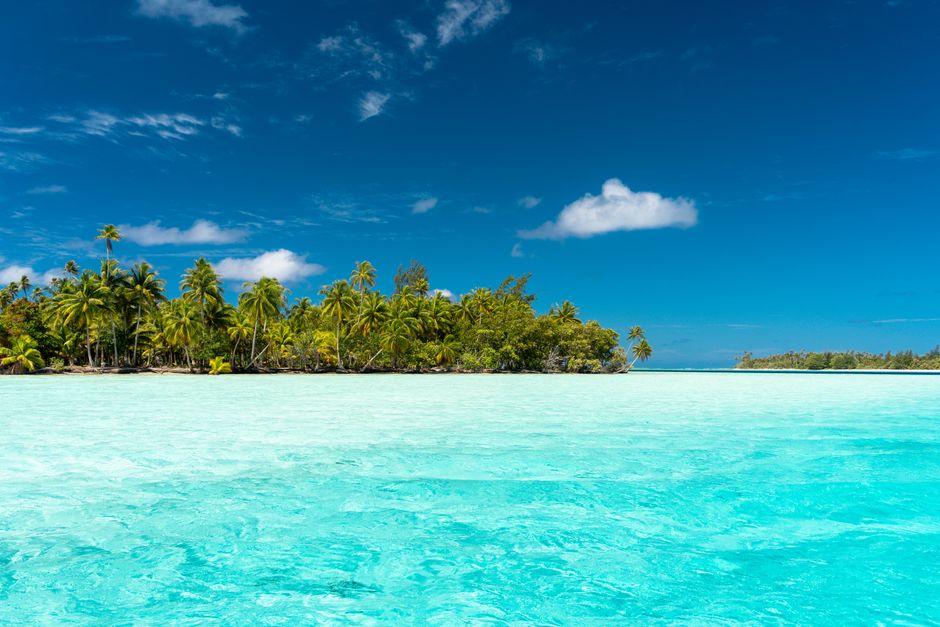
When travelers ask, “What do people eat in Wallis and Futuna?” the honest answer is that almost nobody asks, because almost nobody has heard of it. Wallis and Futuna is a French overseas territory of roughly 11,000 people spread across two small island groups in the Pacific, and it remains one of the least-documented food cultures in the region. Genuinely useful territory to cover precisely because so little else has.
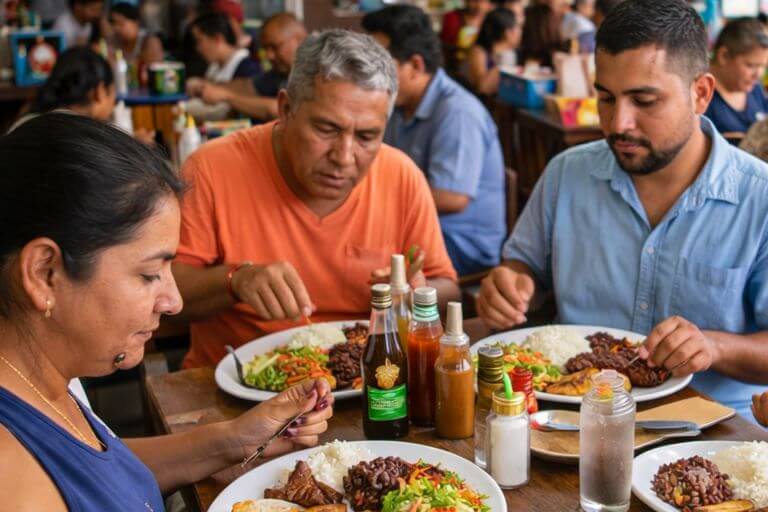
The base is Polynesian, close to Samoan and Tongan tradition: taro and breadfruit, coconut, and fish and pork. Layered on top, unusually, is a genuine French administrative and culinary presence, producing a combination found nowhere else in the Pacific.
What do people eat in Wallis and Futuna? The three pillars
1. Taro and breadfruit
- Taro. The primary staple, prepared much as in Samoa and Tonga
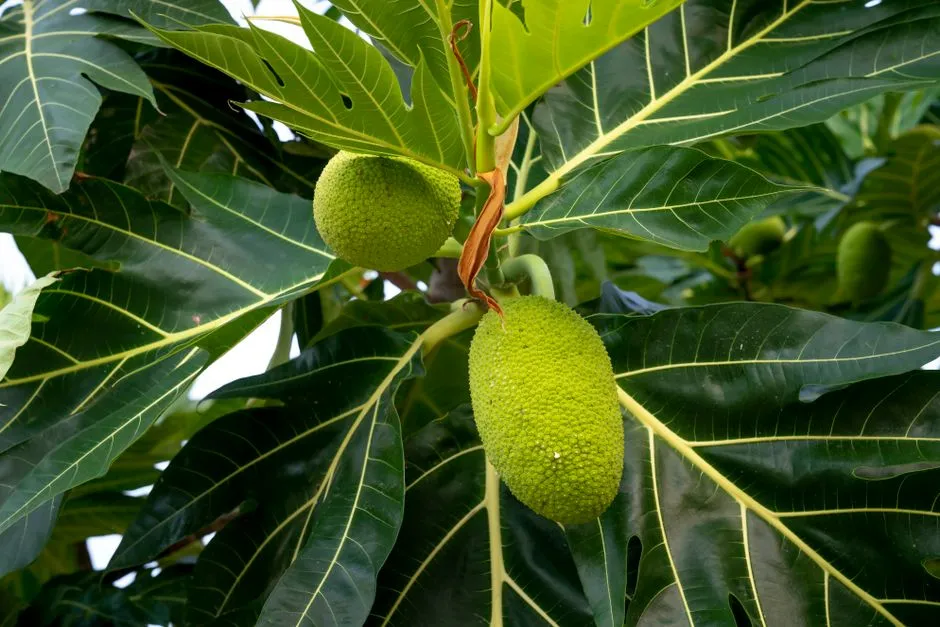
- Breadfruit, seasonal, roasted or used in various preparations
- Papaya, mango, and coconut. Significant in the everyday diet, both as fruit and as cooking ingredients
2. Coconut
Coconut milk and cream underpin the traditional dishes. Palusami-style preparations and fish salads both depend on it, following the same pattern found across Samoa, Tonga, and Fiji.
3. Fish and pork
- Reef fish, octopus, and sea urchin all feature in the local diet. Sea urchin in particular is more prominent here than in most of this series
- Puaka (pork), central to ceremony, as across Polynesia
- Feke (octopus). A specific local favorite, reflecting close ties with the reef
Bougna: the dish shared across the French Pacific
Bougna is the standout traditional dish: root vegetables and a protein, fish, chicken, or pork, wrapped together in banana leaves with coconut milk and steamed in an underground earth oven. It’s closely related to dishes found in New Caledonia, the other major French Pacific territory, reflecting shared regional tradition rather than a Wallis and Futuna original, but it’s prepared and eaten locally with real regularity rather than only for tourists.
Palusami and Poulet Fafa: the Samoan-Tongan connection
Palusami, taro leaves filled with coconut milk and baked, appears here in essentially the same form found in Samoa, Tonga, and Fiji. Unsurprising given Wallis and Futuna’s close cultural and linguistic ties to Samoa and Tonga specifically, closer in many ways than to the Melanesian territories that share its French administrative status.
Poulet Fafa, chicken cooked with taro leaves in coconut milk, is a related dish showing the same taro-leaf-and-coconut-cream technique applied to a different protein, common across this same cultural sphere.
Traditional dishes at a glance
| Dish | What it is | Notes |
|---|---|---|
| Bougna | Root crops and meat/fish in banana leaves, earth-oven steamed | Shared with New Caledonia |
| Palusami | Taro leaves in coconut cream | Shared with Samoa, Tonga, Fiji |
| Poulet Fafa | Chicken with taro leaves in coconut milk | Everyday, feasts |
| Fish salad | Raw or cured fish with coconut milk, tomato, cucumber, lime | Pacific-wide raw fish family |
| Feke (octopus) | Cooked in coconut milk or grilled | Local specialty |
| Sea urchin | Eaten fresh, more prominent here than most Pacific nations | Coastal delicacy |
| French baguette | Baked fresh, widely available | Daily, French administrative influence |
| Pastries | French-style baking | Available in main towns |
Sea urchin: an underrepresented Pacific delicacy
Sea urchin appears more prominently in the everyday and celebratory diet of Wallis and Futuna than in most of the nations covered in this series, harvested from the reef and eaten fresh. It’s a useful reminder that reef delicacies vary meaningfully by location even among culturally related Pacific nations. Not every raw-seafood tradition in the region looks the same.
Why is there French food in Wallis and Futuna?
Because Wallis and Futuna has been a French territory since the 19th century and remains a French overseas collectivity today, with residents holding French citizenship and the euro as currency (following the Pacific franc’s earlier transition).
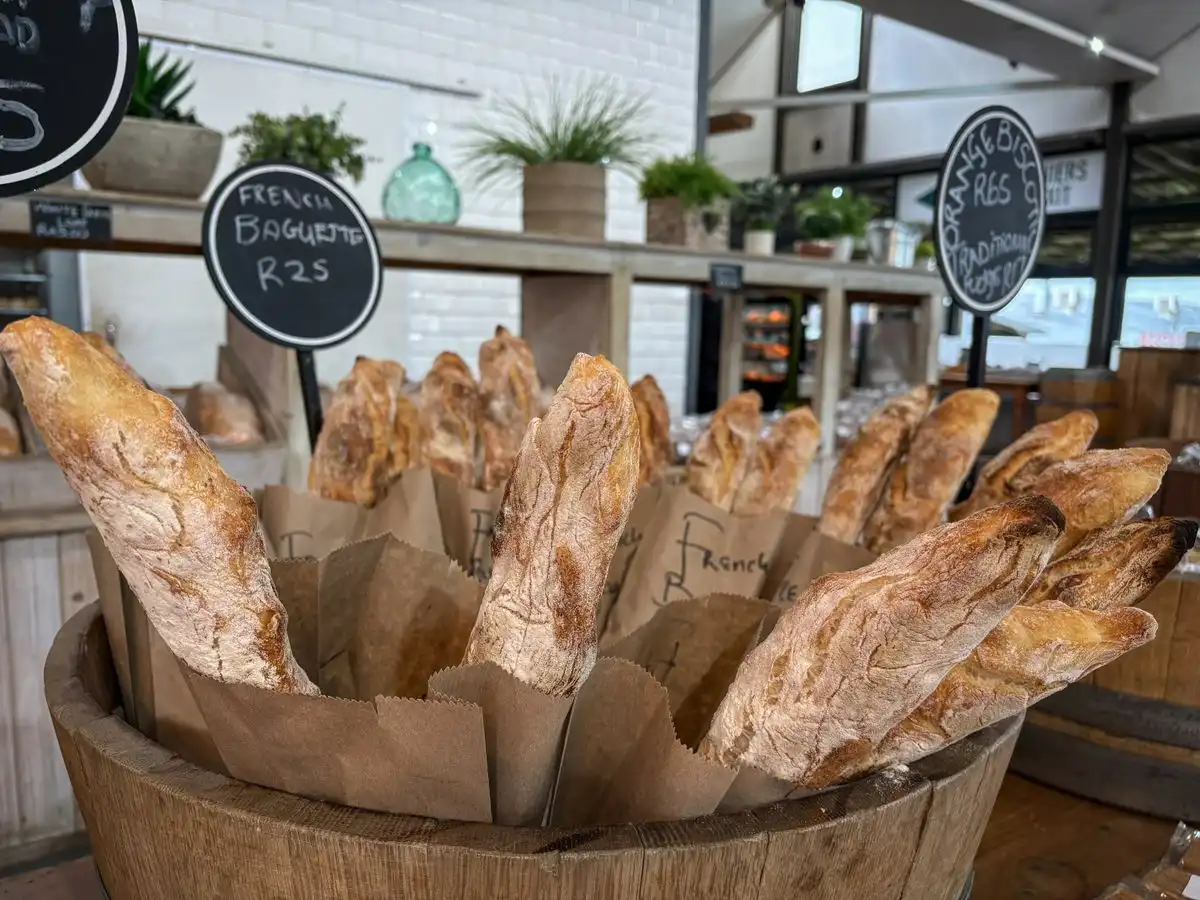
The result is a genuine, functioning French culinary presence rather than a colonial-era relic: fresh baguettes are baked daily and are a normal part of the diet, French pastries are available in the main towns of Mata-Utu (Wallis) and the Futuna settlements, and French administrative and educational ties keep French food culture actively present rather than fading.
This mirrors the pattern seen in Tonga’s colonial-free monarchy or Fiji’s Indo-Fijian layer. A reminder that Pacific food cultures are consistently shaped by whichever outside power administered them, in ways still visible on the table generations later.
How is food cooked in Wallis and Futuna?
The earth oven. Used for bougna and other feast-scale cooking. Hot stones, leaf-wrapped food, buried and steamed, the technique shared across almost the entire Pacific covered in this series.
Coconut milk preparation. The base for palusami, poulet fafa, and fish salad.
French baking. A genuinely distinct addition. Bread ovens producing baguettes and pastries in a way not replicated in the rest of Polynesia or Melanesia covered here.
Grilling. Standard for reef fish and octopus.
What do people eat in Wallis and Futuna daily?
Everyday meals
- Fresh baguette, often for breakfast, alongside coffee or tea
- Root crops, taro, breadfruit, at lunch and dinner
- Fish and reef seafood, caught locally
- Imported French and other goods available in Mata-Utu, the main town
Feasts and ceremony
- Bougna and palusami-style dishes for significant occasions
- Pork reserved for ceremony, as across the wider Polynesian and Melanesian Pacific
- Church and family gatherings remain the setting for the most traditional cooking
Why is Wallis and Futuna so undocumented?
As a French overseas territory tracked by France’s national statistics institute, INSEE, Wallis and Futuna rarely appears in food writing, which makes what people eat in Wallis and Futuna genuinely hard to research.
With a population of roughly 11,000 and minimal tourism infrastructure, there is no significant hotel industry and visitor numbers are extremely low compared to almost anywhere else in the Pacific, Wallis and Futuna simply doesn’t generate the volume of travel writing, food blogging, or documentation that larger or more accessible Pacific nations do.
That scarcity is exactly the opportunity this article addresses: genuine information about the territory’s food culture is difficult to find in English, despite the territory itself having a real, functioning, distinctive food tradition worth documenting on its own terms rather than treating as a footnote to Fiji or New Caledonia.
How travelers can experience what people eat in Wallis and Futuna
Realistically, very few travelers visit Wallis and Futuna. Flights are limited, mainly connecting through New Caledonia or Fiji, and tourism infrastructure is minimal by regional standards.
For those who do visit:
Mata-Utu
The main town on Wallis has the territory’s best access to both traditional food and French bakeries, alongside small local eateries.
Church and family occasions
As with the rest of the culturally related Polynesian nations in this series, the most genuine traditional food, bougna, palusami, is found at family and church gatherings rather than commercially.
Practical notes
Euros are the currency, French is the administrative language alongside Wallisian and Futunan, and travel logistics require more advance planning than almost anywhere else covered in this series given the limited flight schedule.
Frequently asked questions: what do people eat in Wallis and Futuna?
What is the national dish of Wallis and Futuna?
Bougna, root vegetables and meat or fish wrapped in banana leaves and steamed in an earth oven, is the dish most associated with the territory, shared with neighbouring New Caledonia.
Is there French food in Wallis and Futuna?
Yes, genuinely and daily. Fresh baguettes and French-style pastries are a normal part of the diet in the main towns, reflecting the territory’s status as a French overseas collectivity.
Is Wallis and Futuna food similar to Samoan food?
Closely, yes. Dishes like palusami and poulet fafa reflect Wallis and Futuna’s close cultural and linguistic ties to Samoa and Tonga, more so than to the Melanesian territories that share its French administrative status.
What currency is used in Wallis and Futuna?
The euro, following the territory’s transition from the Pacific franc, reflecting its ongoing administrative ties to France.
Is Wallis and Futuna food spicy?
No. Like most Polynesian cooking, it relies on coconut milk, citrus, and the flavor of the earth oven rather than chilli or added spice.
How do you get to Wallis and Futuna?
Flights are limited and typically connect through New Caledonia or Fiji. Tourism infrastructure is minimal, and independent travel requires more advance planning than most Pacific destinations.
Conclusion: what do people eat in Wallis and Futuna? Polynesia, with a French bakery
What people eat in Wallis and Futuna combines a genuine Samoan-Tongan Polynesian food tradition, taro, coconut, bougna, palusami, with a functioning French administrative food culture that shows up daily in the form of fresh bread. It’s one of the least documented food cultures in the Pacific, not because there’s little to say, but because almost nobody has said it yet.
For the shared Polynesian foundation without the French layer, see our guide to what people eat in Samoa, or explore traditional food in Vanuatu for a comparison with France’s other major Pacific territory tradition.