Booking a family trip is the easy part. Passport and visa rules for kids trip up more parents than almost anything else at the airport, and the rules aren’t always what people expect. A valid passport isn’t the whole story once a child is involved, especially if only one parent is doing the traveling.
Accurate as of August 2026. Entry requirements, passport rules, and visa systems change often, and the EU’s ETIAS rollout in particular has been delayed several times. Always confirm current requirements with the official government source for your destination and your passport’s issuing country before you book or travel.
Child passports work differently than adult ones
In the US, a passport for a child under 16 is valid for 5 years instead of the usual 10, and it cannot be renewed by mail; a parent has to apply in person using form DS-11 every time, even for a straightforward renewal. Other countries have their own versions of this rule, often a shorter validity window for children’s passports, so it’s worth checking the issuing country’s specific policy rather than assuming it matches an adult passport’s timeline.
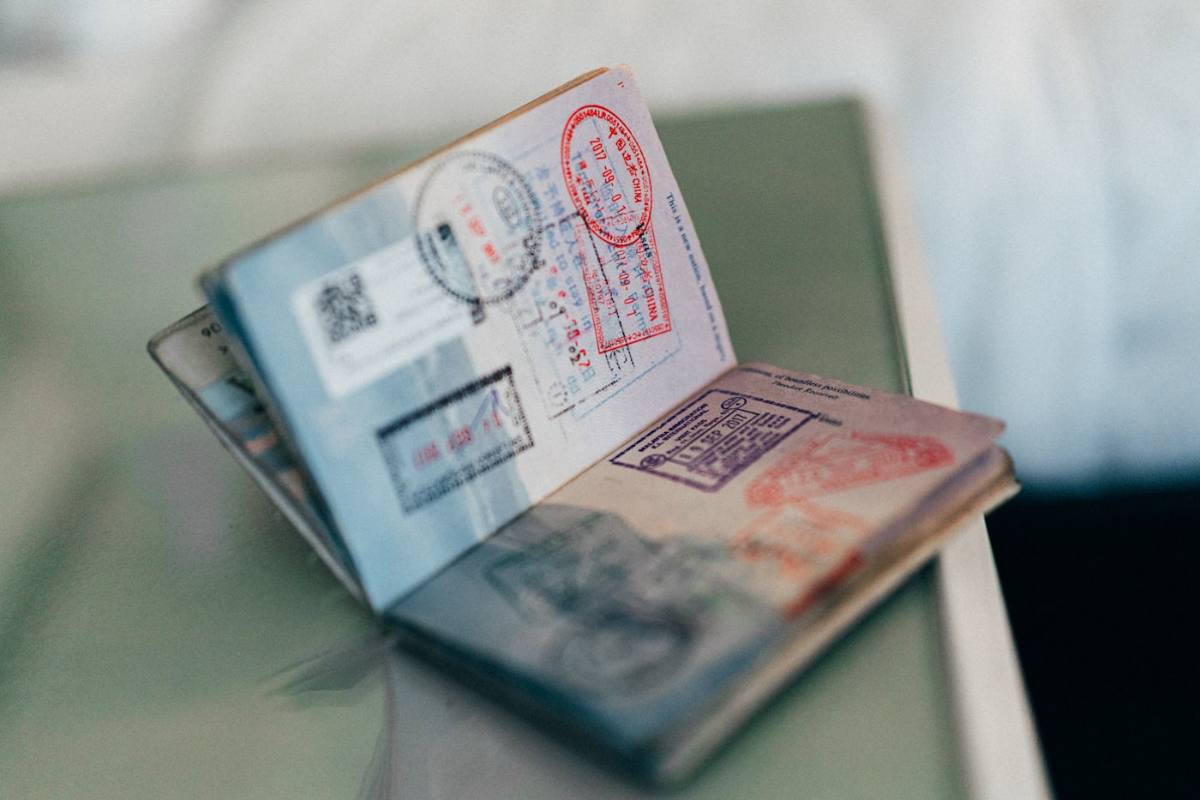
The one-parent rule almost every border now expects
This is where passport and visa rules for kids get stricter: if a child is traveling with only one parent, or with a grandparent, aunt, or family friend, a notarized travel consent letter is increasingly expected, even where it isn’t strictly a legal requirement. US Customs and Border Protection, the Canada Border Services Agency, immigration authorities in Mexico and Brazil, and most major cruise lines all recommend or expect one.
A solid letter includes the child’s full legal name, date of birth, and passport number, the absent parent’s full name and contact information, the accompanying adult’s name and relationship to the child, the exact travel dates and destinations, and a clear permission statement, notarized. A parent with sole legal custody can generally use the court custody document instead of a signed letter from the other parent.
What’s changing at European borders
The EU’s new entry authorization system, ETIAS, has been delayed multiple times and still hadn’t launched as of mid-2026, with agencies now pointing toward a rollout sometime in late 2026 or 2027. When it does arrive, the plan is for children to be exempt from the €20 fee but still need their own individual authorization, one per child, not a shared family application. Given how many times the timeline has already shifted, it’s worth checking the official EU ETIAS information site close to your actual travel dates rather than relying on any single article, including this one, for the exact date.

Photo and paperwork requirements parents get wrong
Passport photo rules for infants and toddlers trip people up constantly: no other person’s hand or arm visible in frame, no pacifiers or toys, eyes open and facing the camera, which is genuinely difficult with a squirming one-year-old. Most passport-photo services and pharmacies have seen it enough times to help, so it’s rarely worth the stress of doing it at home unless there’s no other option. Beyond the photo, double-check that every document, passport, consent letter, any visa, lists the child’s name exactly as it appears on the passport; a minor spelling mismatch between documents is a common reason for delays at check-in.
Passport and visa rules for kids: a checklist before you book
- Confirm the child’s passport won’t expire mid-trip, and check the destination’s minimum validity requirement (often 3 to 6 months beyond your return date).
- If only one parent is traveling with the child, prepare a notarized consent letter or the relevant custody document.
- Check whether the destination requires a visa or entry authorization for children specifically, not just adults.
- Verify names match exactly across passport, tickets, and any consent letter.
- For infants, book the passport photo session rather than attempting it at home.
FAQ
Does a child need their own passport, or can they be added to a parent’s?
Almost every country now requires a separate passport for each child; the older practice of adding children to a parent’s passport has been phased out nearly everywhere.
Is a notarized consent letter legally required for one-parent travel?
It depends on the country and border agency; it’s often recommended rather than strictly mandated, but several major agencies expect one, and traveling without it risks delays or, rarely, being denied entry.
Do infants need their own passport photo?
Yes, every child, including newborns, needs an individual passport-style photo meeting the same open-eyes, no-hands-in-frame standard as an adult photo.
Will ETIAS apply to children when it launches?
Current guidance says children will be exempt from the fee but still need individual authorization; treat this as provisional until the system is actually live, since the rules have shifted before.
Once the documents are sorted, the rest of the planning gets easier. Our budget travel guide covers what else to plan for before departure, and if South Korea is on the itinerary, traveling South Korea with kids walks through one real family’s experience with entry requirements there.