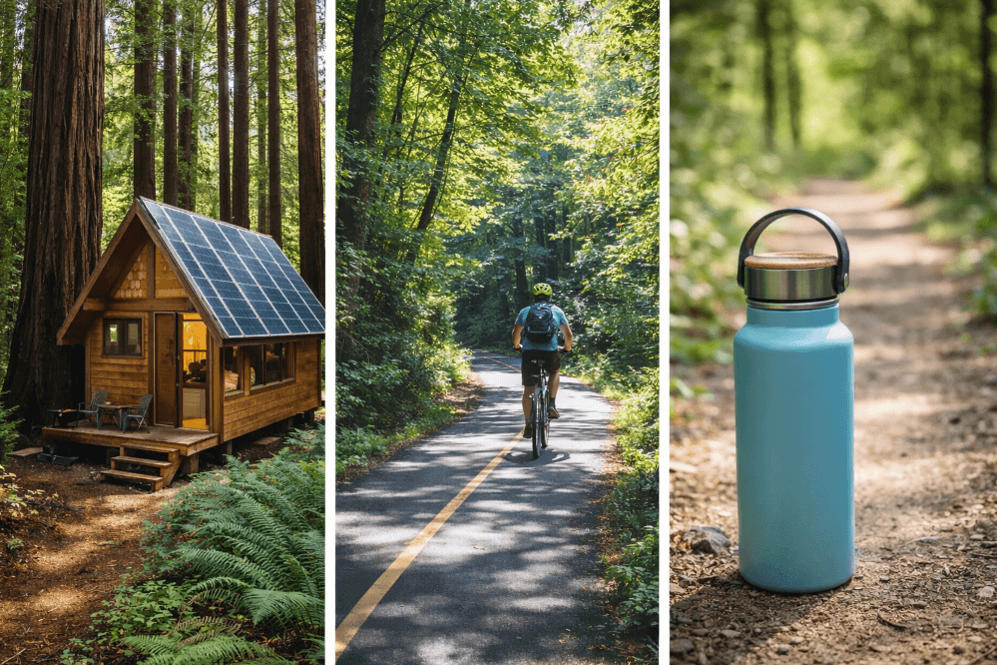
When searching for eco-friendly places to visit in USA, most travelers see lists of national parks. But true sustainability goes deeper than scenic views. It’s about low-impact travel, community support, and conscious choices. This guide reveals destinations where sustainability is woven into daily life — from zero-waste towns to Indigenous-led ecotourism. These are not just beautiful places; they’re models for how to travel responsibly in America.

What makes a destination truly “eco-friendly”?
Not all “green” claims are equal. Look for:
- Third-party certifications (Green Key, LEED, EarthCheck)
- Local ownership (profits stay in the community)
- Low visitor caps (to protect ecosystems)
- Waste reduction (compost, refill stations, no single-use plastics)
These criteria help you identify the true eco-friendly places to visit in USA — not just those that look green on Instagram.
Avoid “greenwashing” — resorts that call themselves “eco” but fly in guests by helicopter. True sustainability is quiet, practical, and community-driven.
1. Portland, Oregon: The zero-waste city
Portland isn’t just green — it’s systemic. The city has:
- Over 350 miles of bike lanes
- Mandatory composting and recycling
- Plastic bag ban since 2011
- Thriving refill shops (e.g., The Refill Revolution)
Stay at a certified eco-lodge like McMenamins Kennedy School (solar-heated pools, historic reuse). Eat at vegan spots like Blossoming Lotus. Explore Forest Park — 80 miles of car-free trails.

Portland’s neon sign isn’t just a landmark — it’s a promise. Behind those letters lies a city that banned plastic bags in 2011, composts 60% of its waste, and has more bike lanes than any U.S. city. It’s not perfect — but it’s trying. And that’s what makes it one of the best eco-friendly places to visit in USA for families and solo travelers alike.Walk down NW 23rd Avenue, grab a reusable cup of coffee, and watch how small choices add up. This is urban sustainability — not as a trend, but as a way of life.
2. Moab, Utah: Low-impact desert adventures
Yes, Moab is popular — but it’s also leading in responsible tourism:
- Ranger-led “Leave No Trace” workshops
- Electric shuttle buses in Arches National Park
- Indigenous-owned tours with Navajo and Ute guides
Stay at Under Canvas Moab (solar-powered tents, compost toilets). Hike the Fisher Towers Trail — less crowded, equally stunning. Always pack out what you pack in.

3. Block Island, Rhode Island: A renewable energy pioneer
This tiny island runs on 100% wind power. It’s car-free (rent bikes or e-scooters), bans plastic bags, and protects 40% of its land as conservation areas.
Walk the Mohegan Bluffs, kayak with seals, and stay at The 1661 Inn (LEED-certified, organic linens). Eat at The Oar — seafood sourced within 10 miles.
4. Taos, New Mexico: Indigenous & earth-built sustainability
Taos blends Pueblo heritage with modern eco-design:
- Adobe homes built from earth (natural insulation)
- Solar-heated community centers
- Pueblo-owned tours that fund cultural preservation
Visit Taos Pueblo (UNESCO site) with a local guide. Stay at El Monte Sagrado (geothermal heating, on-site organic farm). Support Native artisans at the weekly market.
5. The Redwood Coast, California: Regenerative forest tourism
From Mendocino to Crescent City, this region practices regenerative travel:
- Lodges that fund redwood restoration (e.g., Stanford Inn by the Sea)
- Guided walks focused on mycelium networks and forest ecology
- “Adopt-a-Tree” programs for visitors
Hike the Lost Coast Trail — no roads, just ocean and wilderness. Use public shuttles to avoid parking congestion.

6. Burlington, Vermont: Farm-to-table capital
Burlington runs on 100% renewable electricity and is surrounded by organic farms. Don’t miss:
- Church Street Marketplace — pedestrian-only, local vendors only
- Shelburne Farms — working farm with cheese tastings and hiking trails
- Intervale Center — community-supported agriculture (CSA) hub
Stay at Hotel Vermont (LEED Gold, zero-waste kitchen). Eat at Hen of the Wood — hyperlocal menu changes daily.
7. Sitka, Alaska: Ocean conservation in action
Sitka is a model of marine sustainability:
- Wild salmon fisheries (certified sustainable by MSC)
- Kelp farming for carbon capture
- Sea otter conservation programs
Take a whale-watching tour with Allen Marine (carbon-neutral boats). Visit the Sitka Sound Science Center to learn about ocean health. Stay at Westmark Sitka — locally owned, plastic-free.

How to travel sustainably in the USA: Practical tips
- Use trains or buses — Amtrak’s Coast Starlight or Greyhound’s Green Fleet reduce emissions.
- Carry a zero-waste kit — reusable bottle, utensils, container, cloth bag.
- Stay longer, go deeper — slow travel reduces carbon and supports local economies.
- Offset your flight — but only through verified programs like Gold Standard.
- Choose off-season — fewer crowds, lower impact, better prices.
What to avoid: Greenwashing red flags
- “Eco-resorts” with private pools and daily linen changes
- Tours that promise “untouched nature” but use motorboats
- Destinations with no waste management visible
Ask: “Where does your food come from? How do you handle waste? Who owns this business?”
The rise of regenerative travel
True sustainability isn’t just “doing less harm” — it’s leaving a place better than you found it. This is called regenerative travel, and it’s growing in the USA:
- Redwood Reforestation Tours (CA): Plant a tree during your hike.
- Oyster Reef Restoration (Chesapeake Bay): Help rebuild marine habitats.
- Native Seed Collection (NM): Assist in restoring native grasslands.
These experiences don’t just reduce your footprint — they create a positive one.

Why this matters: The power of small choices
The eco-friendly places to visit in USA aren’t just about solar panels or compost bins. They’re about a shift in mindset — from consumption to connection, from extraction to regeneration. When you choose a lodge that funds tree planting, or a tour led by an Indigenous guide, you’re not just traveling — you’re participating in a larger story.
These eco-friendly places to visit in USA show us what’s possible: towns powered by wind, restaurants that source from local farms, and trails that are protected by community effort. They remind us that sustainability isn’t a luxury — it’s a practice. And the more people who experience it, the more it spreads.
So when planning your next trip, ask yourself: “Where can I leave a positive mark?” Not “What’s the cheapest flight?” or “Which resort has the best pool?” The eco-friendly places to visit in USA offer something deeper — a chance to see how we can live in harmony with the land, not at its expense.
This is the future of travel — quiet, intentional, and deeply human. And it’s already here, waiting for you to discover it.
Eco-certifications to look for
| Certification | What it means |
|---|---|
| Green Key | Hotels meet strict environmental standards (energy, water, waste). |
| EarthCheck | Science-based certification for tourism businesses. |
| LEED | Buildings designed for energy efficiency and sustainability. |
| MSC Certified | Seafood from sustainable fisheries. |
Travel as stewardship
Choosing eco-friendly places to visit in USA isn’t about perfection — it’s about intention. It’s staying in a solar cabin instead of a chain hotel. It’s listening to an Indigenous guide instead of rushing to a viewpoint. It’s leaving a place better than you found it. In a country of vast landscapes, the most beautiful act may be care.
As environmentalist John Muir once said: “The clearest way into the Universe is through a forest wilderness.” Let your travels honor that truth.
More smart travel guides for culturally rich, sustainable journeys across North and Central America.
Whether you’re drawn to the redwoods of California, the wind-powered shores of Block Island, or the marine sanctuaries of Alaska, these eco-friendly places to visit in USA offer more than scenery — they offer a new way to travel.
Frequently Asked Questions
What is the most eco-friendly state to visit in the USA?
Oregon and California lead in renewable energy and conservation policies, but small towns like Block Island (RI) or Taos (NM) offer deeper sustainability.
Are national parks eco-friendly?
They protect land, but overcrowding harms ecosystems. Visit during off-season, use shuttles, and follow Leave No Trace principles.
How can I find certified eco-lodges in the USA?
Look for Green Key, LEED, or EarthCheck certifications. Websites like BookDifferent or EcoBnB filter by sustainability standards.
Is road-tripping eco-friendly?
Only if you carpool, drive a hybrid/electric vehicle, and minimize stops. Better: use Amtrak or intercity buses for long distances.
Can I offset my flight to the USA?
Yes — but choose verified programs like Gold Standard or MyClimate. Avoid vague “carbon neutral” claims without proof.