Can children drink coffee? In many countries, the answer is yes — but not in the way Western parents might fear. From Ethiopia to Italy, children taste coffee not as a daily caffeine habit, but as part of cultural rituals, family breakfasts, or seasonal traditions. Coffee often symbolizes belonging more than stimulation.
I learned this not from a parenting manual, but from a quiet kitchen outside Addis Ababa, where a six-year-old boy held a porcelain cup no bigger than his palm. His mother handed it to him without hesitation. I flinched, my Northern European upbringing quietly insisting that caffeine belonged to exhausted adults and deadline-chasing professionals. But the boy didn’t gulp it down like an energy shot. He held it with both hands, blew gently on the surface, and took a slow, thoughtful sip. Then he smiled. Not because he was suddenly awake, but because he was included.
So can children drink coffee without harm? In cultural contexts, a diluted, occasional, ceremonial sip is a small dose, though pediatric guidance still says under-12s are better off without caffeine, and that’s worth weighing.
Why does it feel so strange to us when children taste coffee abroad? We’ve turned it into fuel, a transactional buzz wrapped in paper sleeves and rushed between meetings. But in so many parts of the world, coffee has never been about stimulation. It’s about the table. It’s about the quiet space between generations where stories are passed down, where patience is practiced, where a child learns that they belong to something older and deeper than themselves.
- Where children traditionally taste coffee
- Ethiopia: the ceremony that teaches patience
- Italy: the morning anchor
- Vietnam and the Levant
- The North: warmth over stimulation
- What pediatricians actually say
- When belonging matters more than rules
- Common questions
Where children traditionally taste coffee
So can children drink coffee in different cultures? If you travel with an open mind, you’ll notice a quiet pattern. Children in different regions don’t drink coffee the same way adults do, and they certainly don’t treat it like a stimulant. The practice shifts with geography, but the intention remains remarkably consistent: inclusion, rhythm, and shared presence.
- Ethiopia: Children sip the third, diluted round (baraka) during multi-hour coffee ceremonies, learning patience and hospitality.
- Italy: Kids aged 6–12 often drink caffè latte at breakfast, always at home, always before noon, as part of a slow morning routine. Can children drink coffee in Italy? Yes, always as caffè al latte, never espresso, and always before noon.
- Vietnam: Teenagers share sweetened drip coffee socially; younger children may take a symbolic sip during family gatherings or holidays. Can children drink coffee in Vietnam? Teenagers do, socially and sweetened. Younger children? Just a symbolic sip during celebrations.
- Turkey, Lebanon, Armenia: A tiny sip during weddings or Sunday visits ties children to poetry, fortune-telling, and communal hospitality.
- Scandinavia: In rural homes, weak coffee with milk is offered as warmth during long winters, treated more like herbal tea than a stimulant. Can children drink coffee in Scandinavia? In rural homes, yes, though it’s barely stronger than tea, served as warmth, not stimulation.
None of these traditions treat coffee as a performance enhancer. They treat it as a bridge.
Ethiopia: the ceremony that teaches patience
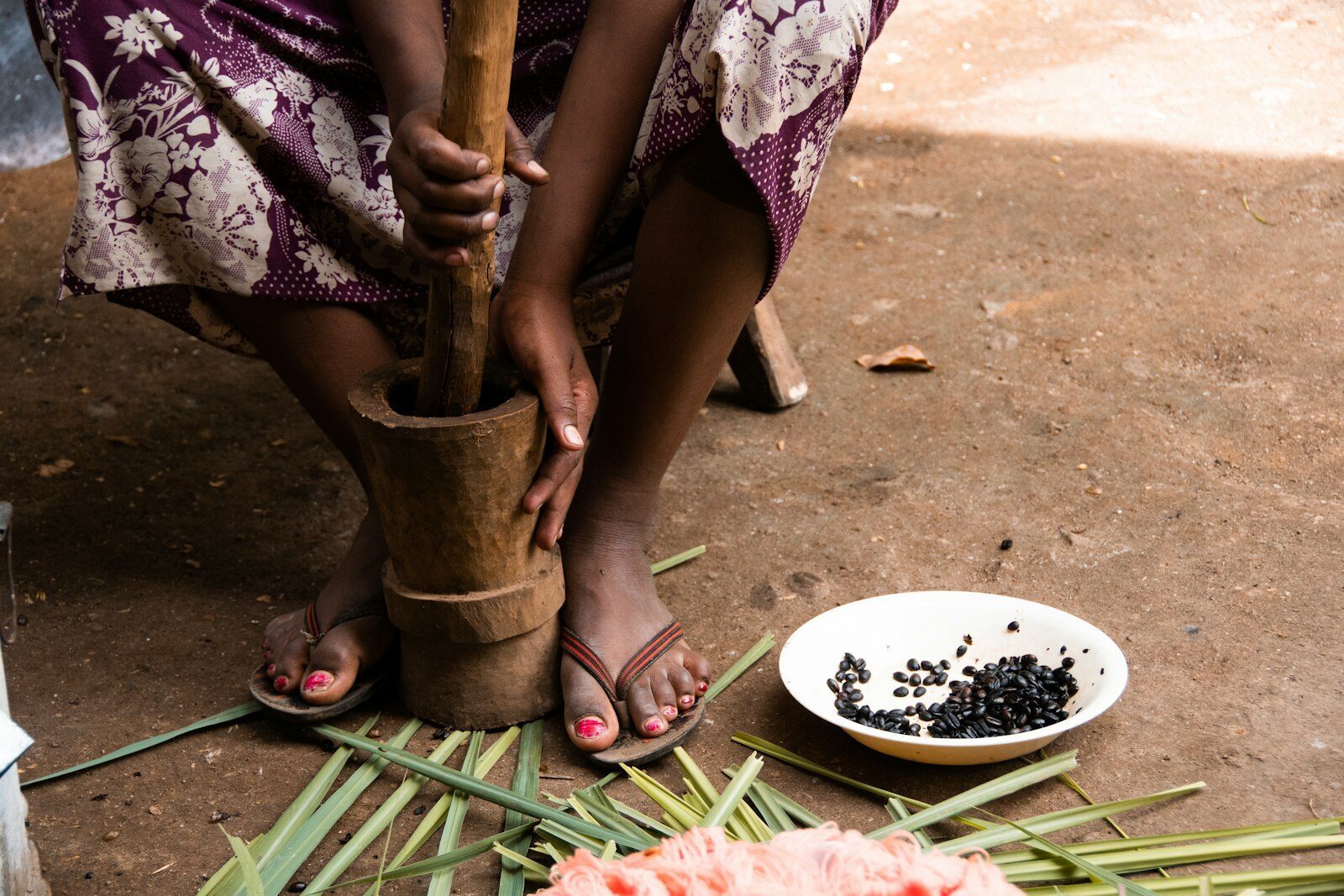
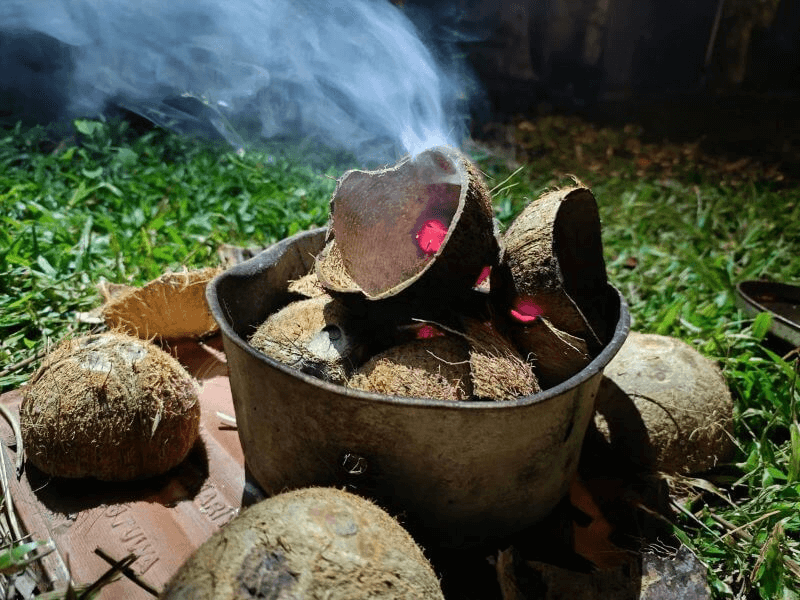
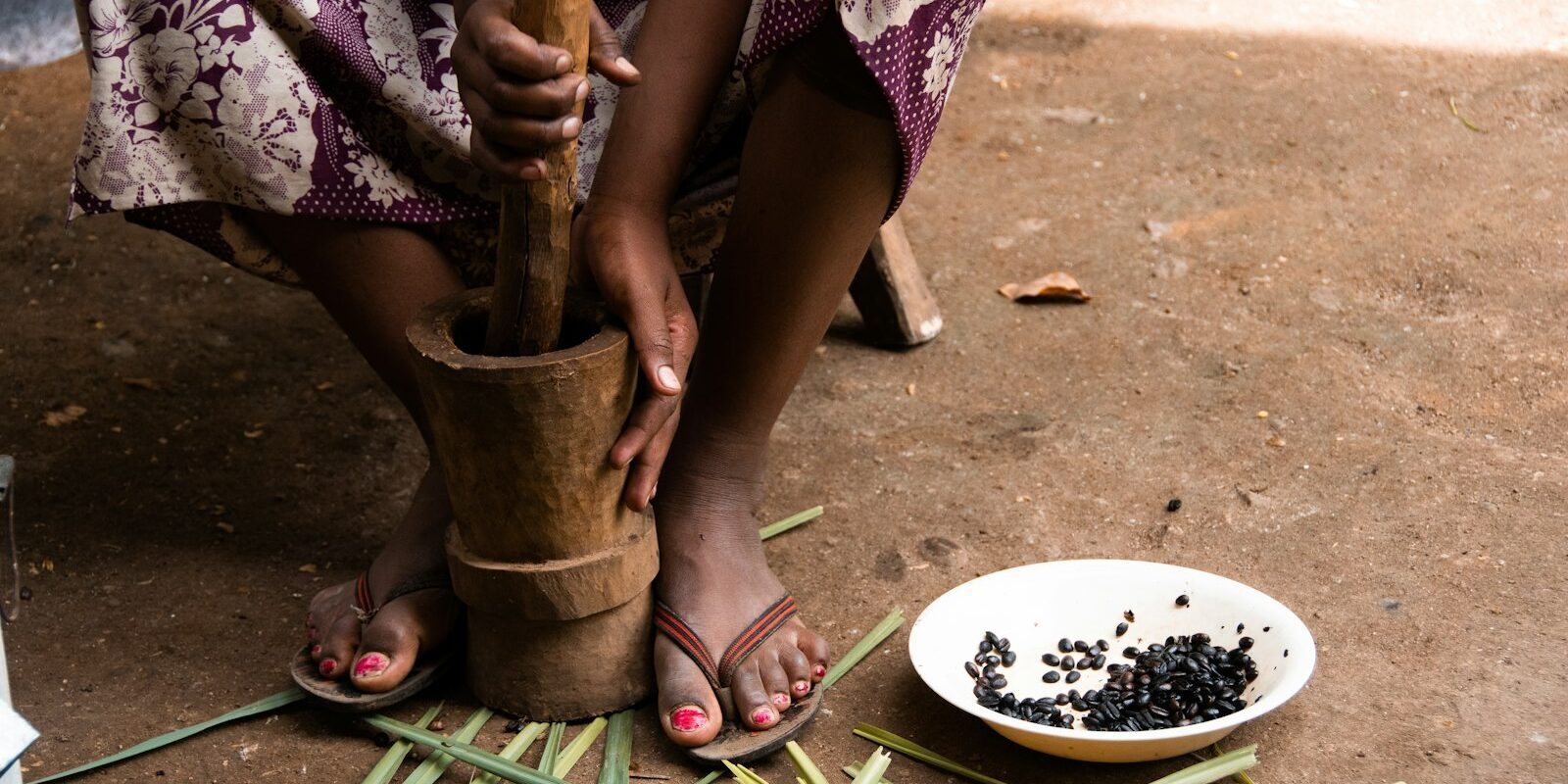
In Ethiopia, you don’t just drink coffee. Can children drink coffee in Ethiopia? Absolutely, though only the mildest round, and only as part of a lesson in patience. You witness it being born. The traditional jebena ceremony begins long before the first cup is poured. Green beans are washed by hand, roasted in a flat pan over charcoal until they crackle and release that deep, earthy aroma that seems to settle into your bones. The grounds are ground in a wooden mortar, transferred to a clay pot, and boiled slowly. Frankincense burns in the corner. Neighbors drift in. Children sit on woven mats, watching, waiting.
There are three rounds, each with a name, each with a purpose. Abol for the first pour, strong and bold. Tona for the second, slightly weaker. Baraka for the third, the blessing, diluted with hot water or milk. That’s the round the children drink. A few sips. Nothing more. It’s not about keeping them alert for school. It’s about teaching them how to sit still, how to listen, how to honor the rhythm of the household. A child who waits through the ceremony learns respect before they ever learn to read.
Italy: the morning anchor

I used to think that kind of ritual was reserved for faraway places, but then I found myself in a sunlit kitchen in Bologna, watching a nine-year-old girl stir a tall glass of caffè al latte while her mother buttered toast. No rush. No screens. Just the quiet clink of a spoon against glass and the smell of warm milk mixing with a single shot of espresso.
In Italy, coffee isn’t something you grab while running for the bus. It’s a pause. It’s the morning anchor. Children start drinking it around six or seven, always heavily cut with milk, always at home, always before noon. Italian parents rarely serve coffee after lunch, and never as an energy booster. It’s a cultural habit, not a dependency. They aren’t trying to give their kids an edge. They’re just sharing their morning. We’ve built a world that rewards speed, yet somewhere along the way, we decided that adulthood is something you earn through exhaustion, rather than something you grow into through presence.
Vietnam and the Levant: sugar, steam, and symbolism
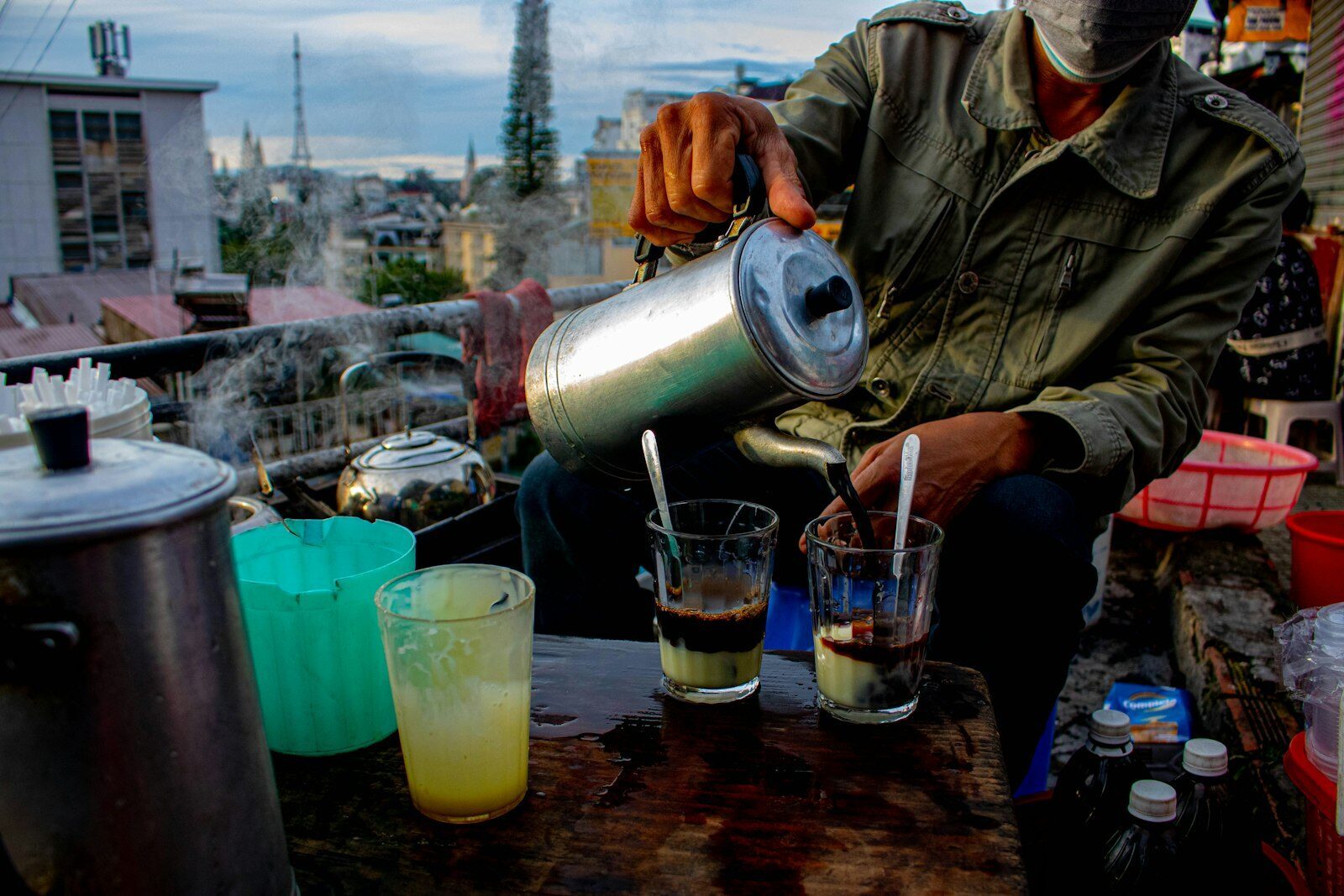
Travel further east, and the flavor changes, but the intention remains. In Vietnam, coffee is a national heartbeat, thick, dark, and unapologetically strong. Dripped slowly through a metal phin, sweetened with condensed milk that pools at the bottom like liquid caramel. Teenagers sip it at sidewalk cafes, laughing over homework, sharing headphones, letting the bitterness and sugar balance each other out. Younger kids rarely drink it, but I’ve seen families offer a symbolic sip during holidays or family gatherings. Just a taste. Just enough to say, you’re part of this now.
It’s the same in Turkey, in Lebanon, in Armenia. A tiny cup. A single sip during a wedding or a Sunday visit. The grounds left at the bottom aren’t waste; they’re meant to be read, turned over, interpreted. Coffee here isn’t about productivity. It’s about poetry. It’s about sitting across from someone and saying, I have time for you.
The north: warmth over stimulation
And then there’s the North, where the cold seeps into your bones and coffee becomes something else entirely. In Sweden and Finland, especially in rural towns or coastal villages, you’ll often see children drinking weak, milky coffee from thermoses during ski trips, fishing outings, or long winter afternoons. It’s barely stronger than tea. It’s warmth. It’s comfort. It’s what you share when the wind howls and the daylight fades by three o’clock. Schools don’t serve it. Cafes don’t push it. But at home, it’s just part of the rhythm.
We panic over a child sipping diluted espresso in Rome, yet we hand them sugary sodas or neon-colored energy drinks without a second thought. It’s strange how we fear tradition but normalize isolation.
Context over caffeine
So can children drink coffee according to Western medicine? Here the guidance is specific, and worth knowing before you decide anything. The American Academy of Pediatrics recommends no caffeine at all for children 12 and under, and under 100 mg a day, roughly one home-brewed cup, for teenagers. Health Canada sets graduated ceilings instead: 45 mg a day at ages 4–6, 62.5 mg at 7–9, 85 mg at 10–12.
Those limits exist because caffeine does measurably different things in a smaller, still-developing body. It lingers longer, and it eats into the deep sleep that growth depends on.
None of that stops being true inside a ceremony. What the numbers do explain is why a thimble of heavily diluted coffee at a family gathering sits in a different category from a daily 16-ounce takeaway cup: the dose is small, and it isn’t every day. The studies warning about caffeine usually track those patterns. They don’t account for the grandmother pouring a thimble-sized cup during a family gathering. They don’t measure the child who learns to slow down because the ceremony demands it. The difference isn’t just in the bean. It’s in the bowl, the bench, the breath between sips.
I’ve watched my own children navigate these moments abroad. The first time my daughter tried coffee in a small café in Hanoi, she scrunched up her nose, then laughed, then asked for another sip just to see if it still tasted the same. I didn’t hand her a cup. I didn’t make it a daily habit. But I also didn’t pull it away in fear.
We talked about why people drink it, how it’s made, how different places treat it differently. She learned that food and drink aren’t just fuel. They’re language. They’re memory. They’re the quiet ways cultures say, this is how we care for each other. Curiosity doesn’t require a routine. It just requires a willingness to sit at someone else’s table.
When belonging matters more than rules
Should you let your child taste coffee while traveling? There’s no universal rule, because there’s no universal childhood. But I’ve come to believe that curiosity is better than prohibition.
If a local family offers a sip during a ceremony, it’s rarely about the caffeine. It’s about inclusion. It’s about trust. You don’t have to make it a routine. You don’t have to ignore your own boundaries, and with a child under twelve, the pediatric advice is genuinely to skip the caffeine, so a polite decline is a perfectly good answer too. But you also don’t have to let your own upbringing dictate how the rest of the world raises its children. We pack adapters, maps, snacks, and first-aid kits. Do we pack enough humility to let them taste someone else’s morning?
The table has always been where we learn who we are. Long before we knew what coffee was, we knew what it meant to sit with people who loved us. To wait. To share. To listen. In a world that rewards speed and screens, maybe the real rebellion is slowing down. Maybe the real lesson isn’t whether a child drinks coffee, but why they’re allowed to sit at the table in the first place. Belonging doesn’t come from a cup. It comes from the hands that pour it, the voices that fill the room, the quiet understanding that you are part of something that will outlast you.
Curious how many other everyday foods and drinks carry a similar hidden story? Our piece on 15 famous foods that aren’t from where you think digs into a few more surprises.
And perhaps that’s all coffee ever was. Not a stimulant. Not a status symbol. Just an excuse to stay a little longer.
More local secrets & cultural insights from around the world for travelers who measure distance in connections, not kilometers.
Extra questions
Can children drink coffee in other countries?
Yes. In many cultures, children taste coffee as part of traditions, not as a caffeine source. In Ethiopia, Italy, Vietnam, Turkey, and Scandinavia, it’s served diluted, in small portions, and tied to ritual rather than routine.
Is it safe for children to drink coffee?
Pediatric guidance is clear: the American Academy of Pediatrics advises no caffeine for children 12 and under, and Health Canada caps it at 45–85 mg a day depending on age. A diluted ceremonial sip is a very small dose taken rarely, which is why traditional cultures treat it differently from a daily habit, but small and rare is doing the work there, not the ritual itself. If your child has a heart condition, anxiety, or trouble sleeping, ask your pediatrician before any of it.
At what age can children drink coffee?
Culturally, there’s no universal age. In Italy children start around 6–7 with caffè latte; in Ethiopia they join ceremonies as young as 5; in Vietnam teenagers share coffee socially. Medically, the answer is different: the AAP puts the line at 12, and most European guidance treats regular coffee as an adolescent-and-up drink. These are two different questions, and it’s worth knowing which one you’re answering.
Why do Ethiopian families include children in coffee ceremonies?
It’s not about the drink. It’s about the practice. Children learn patience, respect for elders, and the rhythm of communal life by sitting through the roasting, the pouring, and the storytelling. The coffee is simply the vessel for the lesson.
Do Italian kids drink espresso?
Rarely pure espresso. What’s common is caffè al latte or cappuccino in the morning, always heavily mixed with milk, always consumed at home before school. It’s treated as a breakfast beverage, not a stimulant.
Should I let my child try coffee while traveling?
If it’s offered as part of a cultural moment, a single taste is harmless and often meaningful. It’s not about building a habit. It’s about teaching them that different cultures express care in different ways. Follow your comfort, but don’t let fear override curiosity.