I’ll never forget the moment my six-year-old pressed her palm against the glass and a sea lion pressed back. No bars. No cages. Just thick acrylic, salt air, and two curious creatures figuring each other out.
But let me also tell you about the ferry ride that nearly broke us. Forty-five minutes into the crossing from Cape Jervis, the diesel smell mixed with sunscreen, my youngest decided the boat was “too wobbly,” my husband discovered he’d left the reef-safe lotion in the rental car, and I realized we’d packed exactly one granola bar for four people. We made it to Kangaroo Island, but barely — and only because a fellow passenger handed us a bag of bruised apples without saying a word.
That’s the thing about hunting down the best places to visit in Australia with kids. It’s magical, yes. But it’s also massive, expensive, and occasionally exhausting. Family travel here requires more than just wonder. It needs smart planning, safety, and age-appropriate experiences. The good news? Australia is one of the world’s most family-friendly destinations. With clean cities, excellent healthcare, and wildlife that feels like a living storybook, it’s perfect for curious kids and calm parents alike.
After three family trips across this continent, including one where I learned the hard way that “mild” Australian sun burns pale European skin in twenty minutes flat, I’ve learned which ones are genuinely worth it, and which ones to skip.
📍 Quick navigation
Why Australia feels different for families
Before we get to the list, let’s talk about the stuff that matters when you’re chasing a toddler through an airport. Australia gets it. Sidewalks are smooth enough for strollers. Baby-changing rooms exist in places you’d never expect, even at some hiking trailheads. The tap water is safe everywhere. I personally felt very safe traveling there with kids, even when navigating busy train stations or walking back to our rental after dark.
And the wildlife? It’s not just cute. It’s educational, ethical, and surprisingly accessible. You won’t find attractions that prioritize animal photos over animal welfare here: not in reputable places, anyway. Australian sanctuaries teach kids that animals aren’t props. They’re neighbors.
Beaches have lifeguards who actually watch the water. Not just sit in a tower looking cool. They’ll point you to the calmest bays for toddlers, the rock pools that trap tiny fish for little hands to discover. The sound of screeching cockatoos overhead, the smell of eucalyptus after a quick afternoon rain, it all adds up to a place that feels alive, not staged.
Quick planning box: Australia family travel basics
📋 Quick planning: Australia family travel basics
🕐 Best time to visit: September–November (spring) or March–May (autumn)
📅 Minimum trip length: 2 weeks (3 weeks is better)
👶 Best ages: 5–12 years old
💰 Budget: $150–250 AUD/day for family of four
🚗 Car rental: Essential outside cities; book child seats 3–4 weeks ahead
🎒 Must-pack: UV clothing, broad-brimmed hats, reef-safe sunscreen, water bottles
Best places to visit in Australia with kids: the complete list
Based on three family trips, multiple meltdowns, and countless moments of pure wonder, here are the family-friendly Australia destinations that actually work:
- Sydney: Urban adventure with ethical wildlife
- Gold Coast: Beaches and theme parks done right
- Kangaroo Island: Wildlife wonderland (ages 6+)
- Cairns & Great Barrier Reef: Ocean education without overwhelm
- Melbourne: Culture that doesn’t bore kids
Best places in Australia for families by age
- Toddlers (2–4): Sydney, Melbourne: short distances, excellent infrastructure, calm beaches
- Kids (5–8): Gold Coast, Cairns: wildlife encounters, reef aquariums, manageable hikes
- Older kids (9–12): Kangaroo Island, reef tours: can handle longer drives, appreciate conservation
- Teens: Outback, Uluru, long road trips: ready for rugged adventures and cultural depth
Quick destination comparison
| Destination | Best Age | Days Needed | Main Highlight |
|---|---|---|---|
| Sydney | 2–10 | 4–5 | Zoo + harbor beaches |
| Gold Coast | 5–12 | 3–4 | Wildlife + surf |
| Kangaroo Island | 6+ | 3 | Wild animals |
| Cairns & Reef | 7+ | 4 | Reef experiences |
| Melbourne | 4–12 | 3–4 | Museums + penguins |
Now let me walk you through each one: the highlights, the pitfalls, and what I’d do differently next time.
Sydney: where urban meets wild
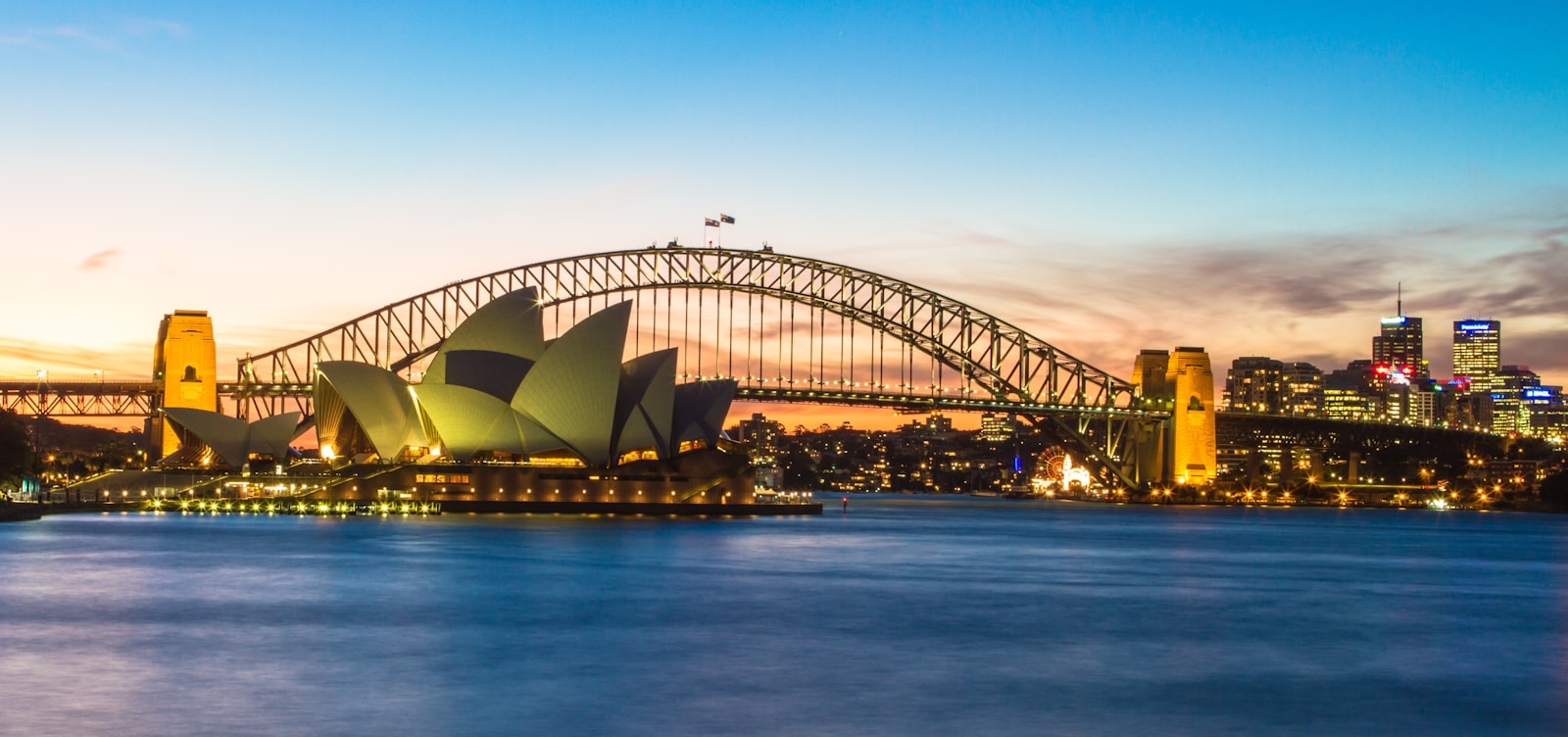
Sydney tops most lists of the best places to visit in Australia with kids, and it could still overwhelm you. It’s big, it’s bustling, and yes, the Opera House is stunning. But with kids? You need strategy.
Taronga Zoo isn’t just another animal park. It’s perched on a hill overlooking the harbor, and you get there by ferry, which is half the fun for kids. My son still talks about spotting seals in the water while we crossed. Inside, the zoo doesn’t just show animals. It tells their stories. The keeper talks aren’t performances. They’re conversations about conservation that somehow make sense to a seven-year-old.
Don’t skip the Royal Botanic Garden. It’s free. It’s shaded. And there’s an interactive plant trail that turns botany into a scavenger hunt. My daughter found more joy in identifying native ferns than she did in half the museums we’ve dragged her through. The kids loved Taronga Zoo, although by lunchtime ours were mostly interested in melting ice cream and the ferry ride back.
For beaches, skip Bondi if you have little ones. The waves are intense. Head to Manly instead. Gentler surf. Ocean pools that trap calm water for toddlers. Lifeguards who’ll point you to the safest spots. And the ferry ride from Circular Quay? Thirty-five minutes of harbor views that keep kids quiet without screens.
Stay in Mosman or Manly, not the CBD. You’ll thank me when you need a park nearby at 6 PM and a café that doesn’t mind sticky fingers. We also underestimated how early Australian cafes close outside city centers, something worth remembering if your child suddenly decides they’re starving at 4 PM.
Gold Coast: beyond the theme park hype
Everyone talks about the theme parks. And yes, they’re there, but they’re not the only reason the Gold Coast is worth the detour. But if that’s all you do, you’re missing the real Gold Coast.
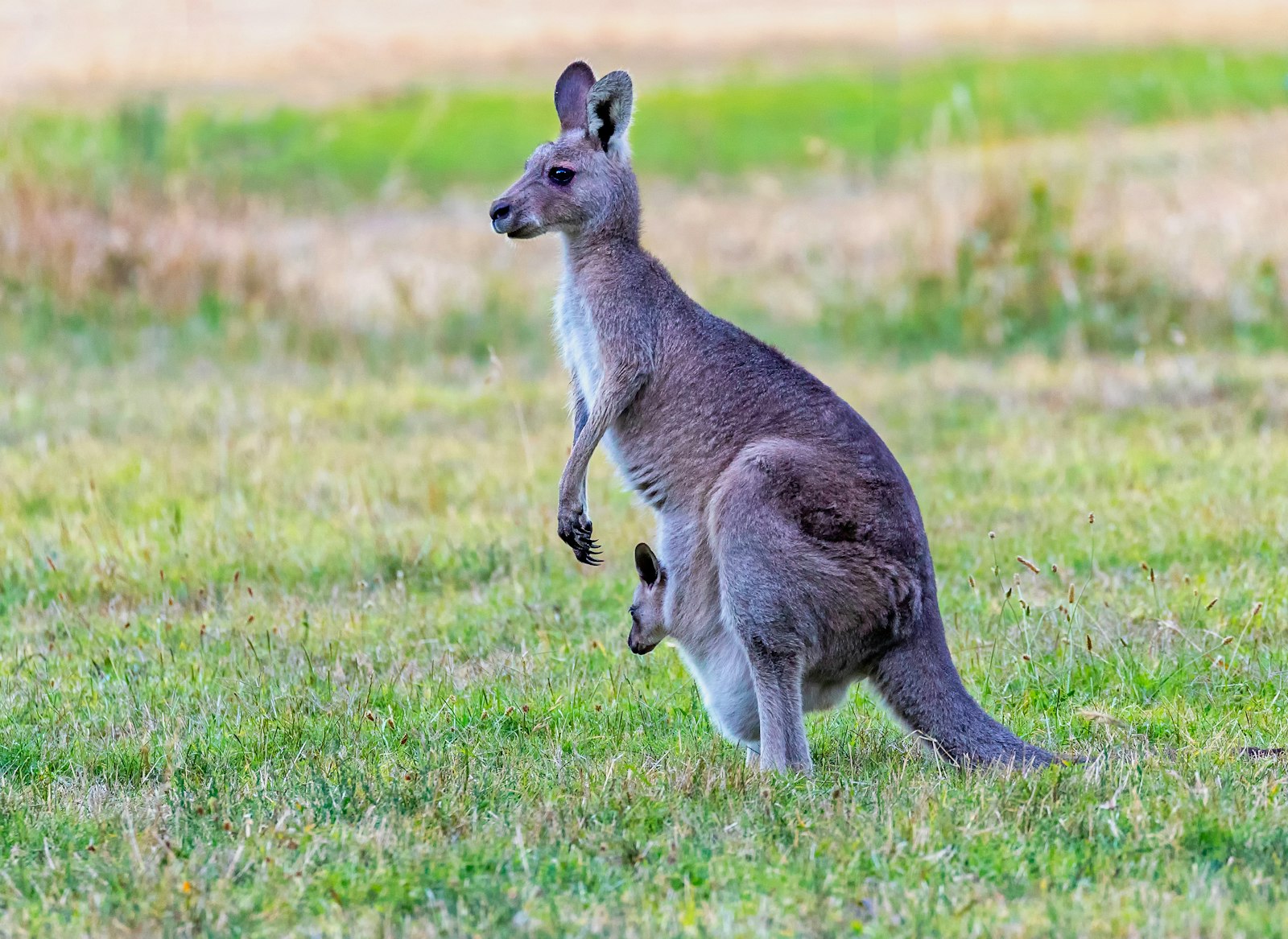
Currumbin Wildlife Sanctuary is where the magic happens. Your kids can feed kangaroos: actual wild ones that hop right up to you. The koala encounters here are ethical. No forced cuddling. Just photos with animals that clearly aren’t stressed. The staff will tell you why, and kids listen when you explain that respect matters more than a selfie.
Burleigh Heads has this perfect stretch of beach where the waves break gently. There are rock pools at low tide that trap tiny fish, crabs, and the kind of wonder that keeps kids busy for hours. The cafés nearby don’t just tolerate families. They welcome them. High chairs appear without asking. Kids’ menus actually have healthy options.
If your kids are five or older, take them to Lamington National Park. The rainforest walks are easy enough for small legs, but wild enough to feel like adventure. You’ll hear birds you’ve never heard. See trees that make you feel tiny. And there’s no entrance fee.
Here’s what I’ll say about Surfers Paradise: it can become overwhelming for younger kids by afternoon. It’s loud. It’s crowded. It’s built for parties, not playgrounds. If you’re piecing together an Australia vacation with children, save the high-energy zones for evenings or skip them entirely.
Kangaroo Island: nature without the noise
They call it “Australia’s Galápagos” and honestly? They’re not wrong.
This island has no traffic lights. No crowds. Just nature doing what it does best. You’ll need at least three days here. Maybe four. And kids should be six or older: the distances are real, and little legs get tired.
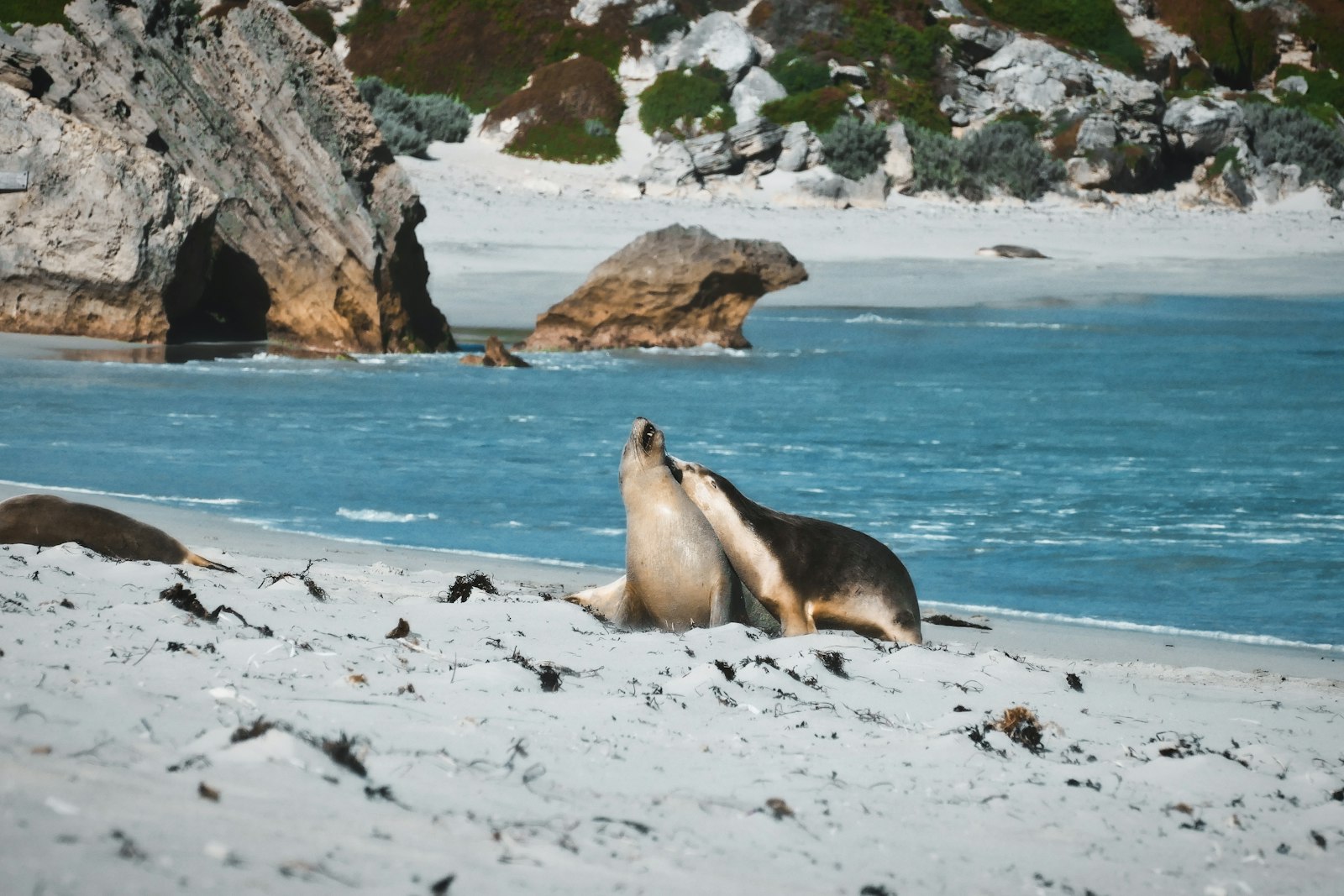
Seal Bay is the highlight, and one of the best places to visit in Australia with kids full stop. You can’t just wander in. You need a guided tour, and that’s the point. Rangers lead you onto the beach where wild sea lions lounge. Your kids will walk among them, not touch them, never touch them, but close enough to hear them breathe. My daughter still whispers about it months later.
Flinders Chase National Park has koalas in the wild. Not in cages. Not in photos. Actual koalas sleeping in eucalyptus trees. You’ll also find kangaroos that don’t hop away when you approach. The Remarkable Rocks look like someone dropped giant boulders into the ocean and called it art.
Fly from Adelaide if you can. The ferry plus car rental works too, but it’s a long day with kids. Either way, book accommodations early. This island fills up fast, and you don’t want to be scrambling with tired children.
Cairns & the reef: ocean lessons without the overwhelm
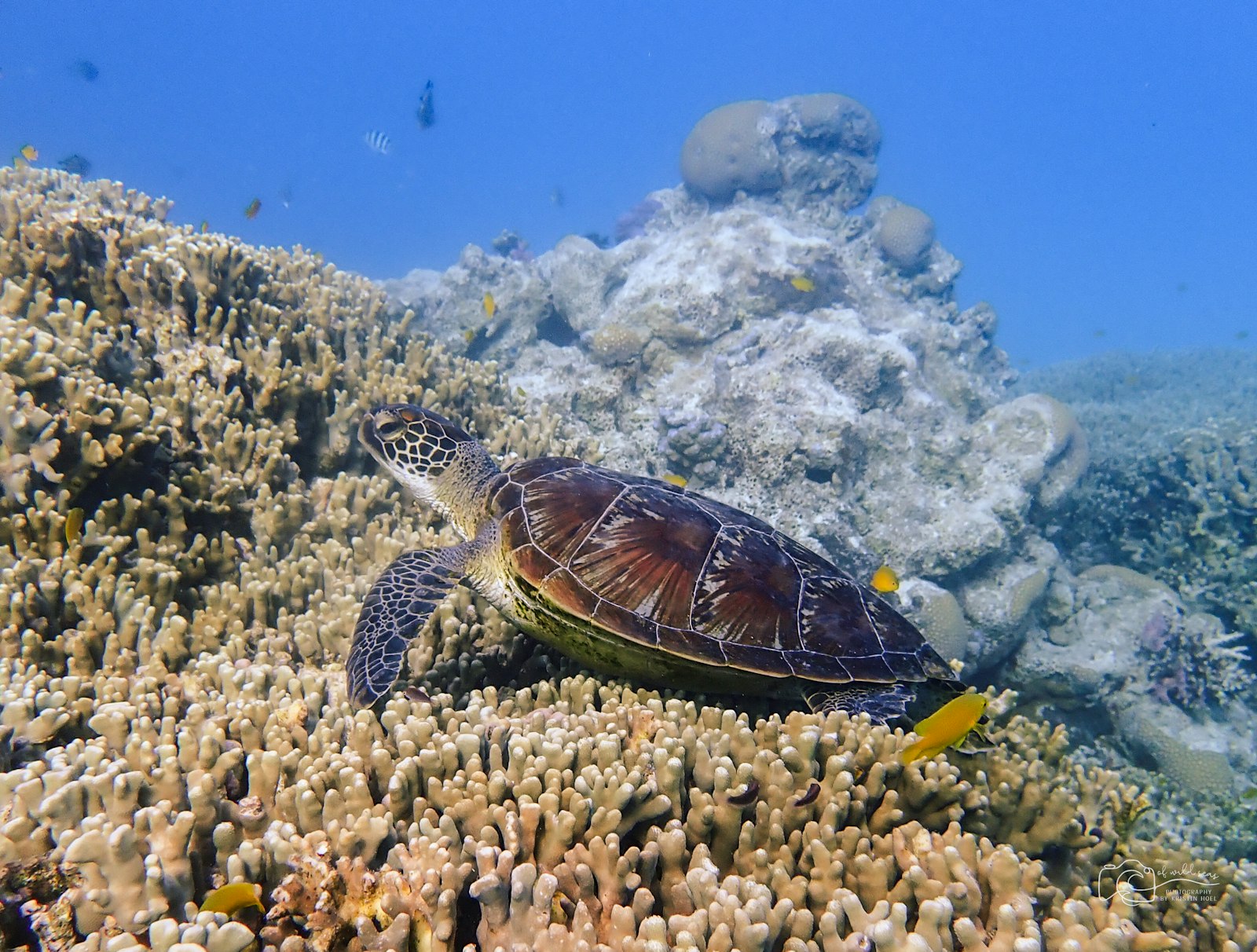
The reef shows up on every Australia itinerary, so here’s what I wish someone had told me: don’t snorkel the Great Barrier Reef with kids under eight. The currents, the masks, the sheer vastness. It’s too much.
But that doesn’t mean skip the reef entirely. Just do it differently.
Reef HQ Aquarium in Townsville isn’t as flashy as the reef tours, but it’s brilliant for kids. Touch pools where they can feel a sea cucumber. Coral exhibits that explain bleaching in words a ten-year-old understands. Marine biologists who answer questions without condescension. If you’re building a packing list (ours started with our family travel checklist), don’t forget reef-safe sunscreen and lightweight rash guards for these visits.
The Kuranda Scenic Railway winds through rainforest so thick it feels like another planet. The train has storytelling built in: not recorded announcements, but actual guides who know the land and its stories. Kids who’d never sit still in a classroom will lean forward and listen.
Fitzroy Island ended up being one of the easiest days of the whole trip. The lagoon is calm, the boat ride is short, and even kids who hate snorkeling can still see reef fish through the glass-bottom boats. The air smells like salt and warm wood, and there’s a walking trail to a lighthouse that takes just long enough to feel adventurous but not so long that anyone melts down.
When you do book a reef tour, and you should for older kids, choose one with marine biologists on board. Not just “swim and snap” operations. The ones that explain what you’re seeing. That’s where the real learning happens.
Melbourne: culture that doesn’t bore kids
Melbourne gets a reputation for being artsy and adult. But that’s only if you look in the wrong places.
Scienceworks Museum is hands-on physics disguised as play. The planetarium shows aren’t lectures. They’re journeys. My kids watched a lightning show and asked questions for an hour afterward. That’s the kind of engagement you can’t force.
St Kilda Beach has a penguin parade at dusk. It’s free. It’s quiet. The penguins waddle right past your feet as they return from fishing. Bring a jacket. Bring patience. And don’t bring flash photography: the rangers will remind you, gently but firmly.
Queen Victoria Market isn’t just for foodies. Yes, there’s fresh fruit that’ll make your kids actually eat something green. But there are also toy stalls selling wooden trains and puzzles you won’t find anywhere else. Cooking demos happen on weekends, and chefs don’t mind small helpers with sticky mango hands.
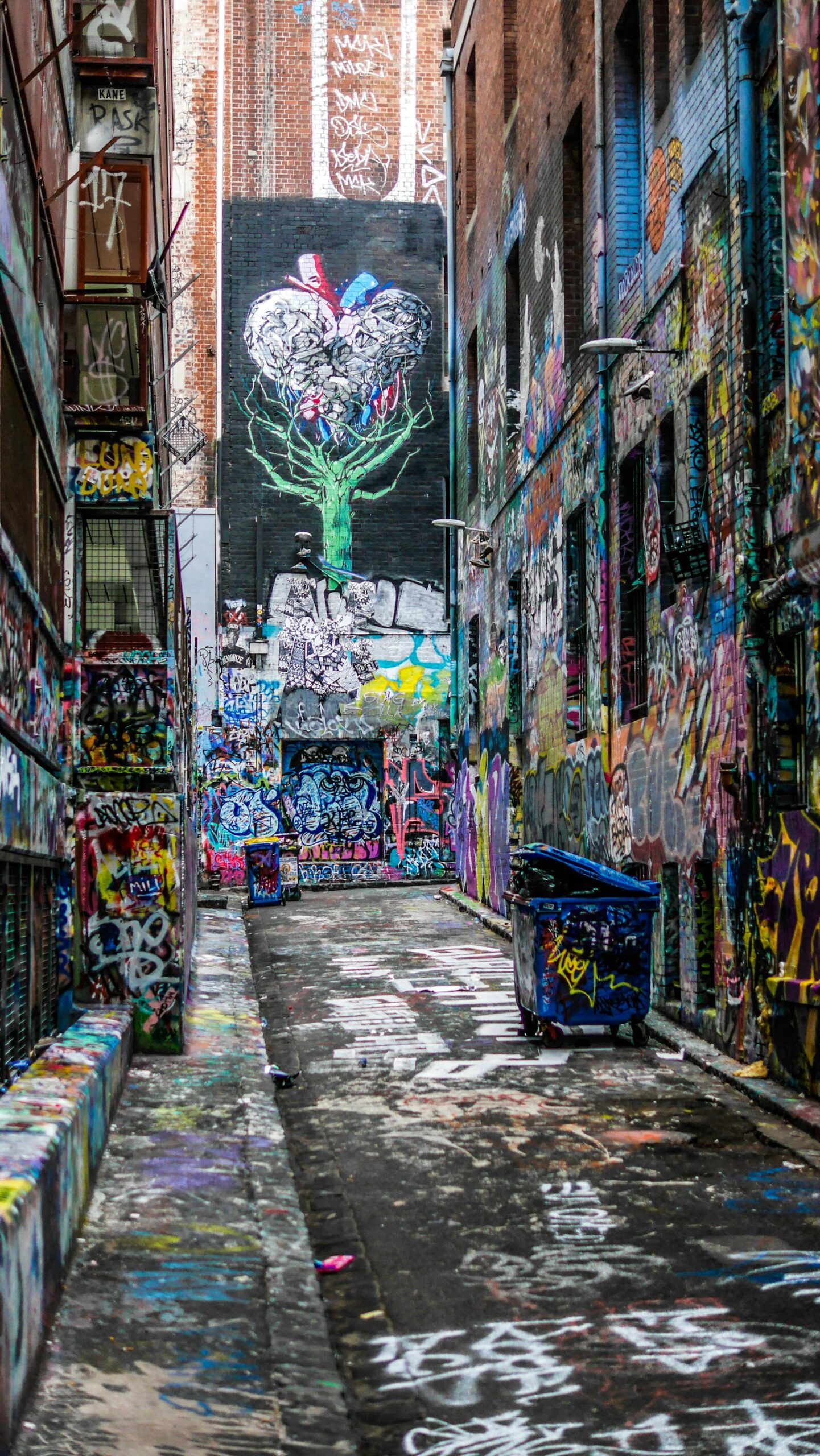
Melbourne is walkable in a way Sydney isn’t. The laneways are full of surprises: street art that kids will actually notice, cafés with play corners, bookshops with reading nooks. You don’t need a car here. Just good shoes and curiosity. When you do book a wildlife encounter, check the operator against the Taronga Conservation Society standards: accredited sanctuaries put the animal first, not the selfie.
Where not to go (yet)
Let’s be honest. Not every famous sight belongs on a family itinerary, some Australian icons simply aren’t built for young ones.
Uluru is sacred. Climbing it was always wrong, and now it’s banned — which is as it should be. But the heat is extreme. The drives are long. And explaining the cultural significance to a four-year-old who just wants to run around? It’s hard. Save this for when they’re older and can truly appreciate it.
Darwin and Kakadu have crocodile risk. High humidity that drains energy fast. Limited infrastructure for families. The landscapes are stunning, but the logistics are tough with little ones.
Byron Bay in peak season? Overcrowded. Expensive. Party vibes that don’t mix well with bedtime routines. Go in shoulder season if you must, but there are better family beaches elsewhere.
The Outback will call to you. It’s magnificent. But save it for teens. Little kids need comfort and routine more than they need red dirt and vast emptiness.
Essential Australia family travel tips
Timing matters more than you think, wherever you land on your Australia itinerary. Australian spring (September to November) and autumn (March to May) are sweet spots. Mild weather. Fewer crowds. Prices that don’t make you gasp.
Car rental is essential outside cities. Book child seats early. They run out. And I mean weeks in advance, not days.
Never feed wild animals. Not the kangaroos, not the birds, not anything. Choose sanctuaries with “no handling” policies. Your kids will learn more from watching animals be animals than from forcing interaction.
Australia’s sun is no joke. Hats aren’t optional. UV clothing is worth every cent. Water bottles should be within arm’s reach at all times. I’ve seen kids go from fine to heat-exhausted in under an hour. Don’t let it be yours. We once scheduled three major activities in one day near Cairns and ended up with three sunburned, whining kids and a melted snack stash. Australian distances and heat don’t forgive overpacked itineraries. Build in blank afternoons. Let them nap. Let the day breathe.
Traveling through Australia with kids: a note on culture
Australia’s true history begins with Aboriginal peoples. Not with Captain Cook. Not with colonization. With sixty thousand years of continuous culture.
Traveling through Australia with kids also means helping them understand that these places carry stories much older than tourism. Uluru is sacred: not a photo op. Look for Indigenous-led tours, like Tjapukai in Cairns, where stories come from the people who lived them. Buy art directly from community cooperatives, not souvenir shops that mass-produce disrespect.
It’s not about performing awareness. It’s about listening. And your kids will carry that quiet lesson further than any souvenir.
The real takeaway
Chasing the best places to visit in Australia with kids isn’t really about checking off landmarks. It’s about moments. The sea lion pressing against glass. The kangaroo trusting small hands with food. The penguin waddling past at dusk.
It’s also about the messy parts. The ferry tantrum. The forgotten sunscreen. The realization that you’ve underestimated distances, overestimated stamina, and somehow still made it work. Honestly, some days were just loud, tired, and slightly chaotic. Someone was always hungry, sunburned, or missing a shoe. But months later, those are still the trips my kids talk about at dinner, picking at their food and arguing over who saw the koala first.
You’ll come home exhausted. You’ll also come home with a family that knows how to navigate the unknown together.
If Australia has you hooked on family travel, our South Korea with kids guide covers a completely different kind of adventure worth planning next.
More family travel guides for parents who believe adventure and responsibility grow together.
Questions parents actually ask me
What’s the best age to visit Australia with kids?
Ages 5-12 are ideal. Kids are old enough to appreciate wildlife and handle long drives, but young enough to still be amazed by everything. Toddlers can do Sydney and Melbourne, but Kangaroo Island and the Outback require more patience than most three-year-olds have.
How long should we spend in Australia with children?
Two weeks minimum if you’re flying from Europe or North America. Three weeks is better. The distances are massive, and jet lag is real with kids. Don’t try to see everything: pick two or three regions and go deep.
Is Australia expensive for families?
Yes and no. Accommodation and food cost more than Southeast Asia, less than Scandinavia. Expect to spend $150–250 AUD per day for a family of four. But many attractions are free or cheap: beaches, botanic gardens, national parks. The wildlife encounters are worth every cent, and they’re educational, not just entertainment.
Do we need a car to travel Australia with kids?
In cities like Sydney and Melbourne? No, public transport is excellent. For Kangaroo Island, Gold Coast hinterland, or anywhere rural? Absolutely essential. Book child seats weeks in advance, they’re not always available on arrival.
What should I pack for Australia with kids?
Sun protection is non-negotiable: broad-brimmed hats, UV-rated clothing, reef-safe sunscreen. Sturdy walking shoes. Light layers. Weather changes fast. And a good stroller for cities, though you won’t need it on Kangaroo Island or rainforest walks.
Are Australian wildlife encounters ethical?
The reputable ones are. Look for sanctuaries with “no handling” policies, accredited by Zoo and Aquarium Association (ZAA). Avoid attractions that force animal interactions. Real conservation teaches respect, not domination.