Can children drink coffee? It is a question many parents ask for the first time while traveling, when a host offers their child a tiny cup. In many countries, children do taste coffee, but rarely as a daily caffeine habit: from Ethiopia to Italy, a small, diluted sip is part of a ceremony, a family breakfast or a celebration, and it usually means belonging more than stimulation.
At the same time, pediatric guidance is clear that young children are better off without caffeine. This guide looks at both sides: how different cultures share coffee with children, and what doctors actually recommend, so you can decide what feels right for your family.
Where children traditionally taste coffee
Children around the world do not drink coffee the way adults do, and in most traditions it is not treated as a stimulant. The details change from country to country, but the idea is often the same: inclusion, ritual and time spent together.
| Country or region | How children may taste coffee | Typical context |
|---|---|---|
| Ethiopia | A few sips of the third, weakest round (baraka) | Traditional coffee ceremony |
| Italy | Coffee heavily diluted with milk (caffè latte / latte macchiato) in some families | Breakfast at home |
| Vietnam | Teenagers drink sweetened coffee with friends; younger children may get a symbolic taste | Cafés, family gatherings |
| Turkey, Lebanon, Armenia | A tiny sip on special occasions | Visits, celebrations |
| Nordic countries | Very weak, milky coffee in some rural families | Outdoor trips, cold days |
None of these traditions treat coffee as a performance booster for kids. They treat it as a way to share the table.
Ethiopia: the ceremony that teaches patience
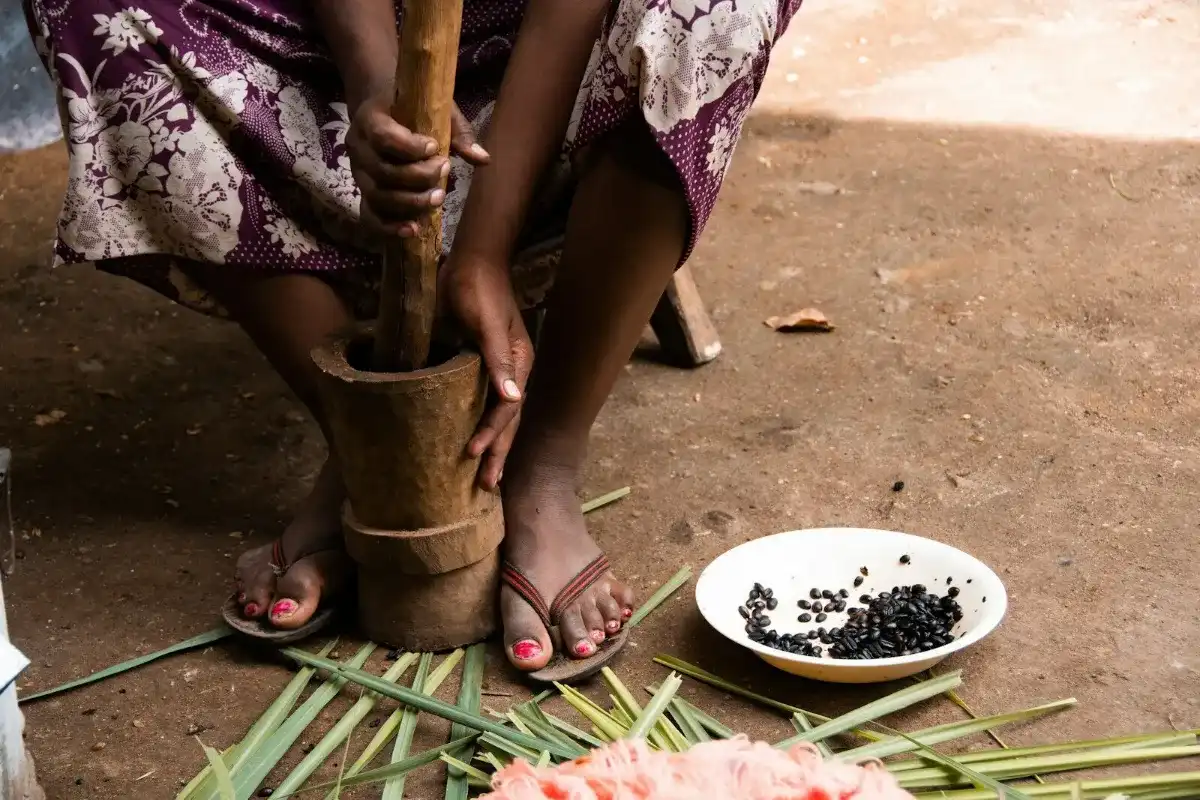
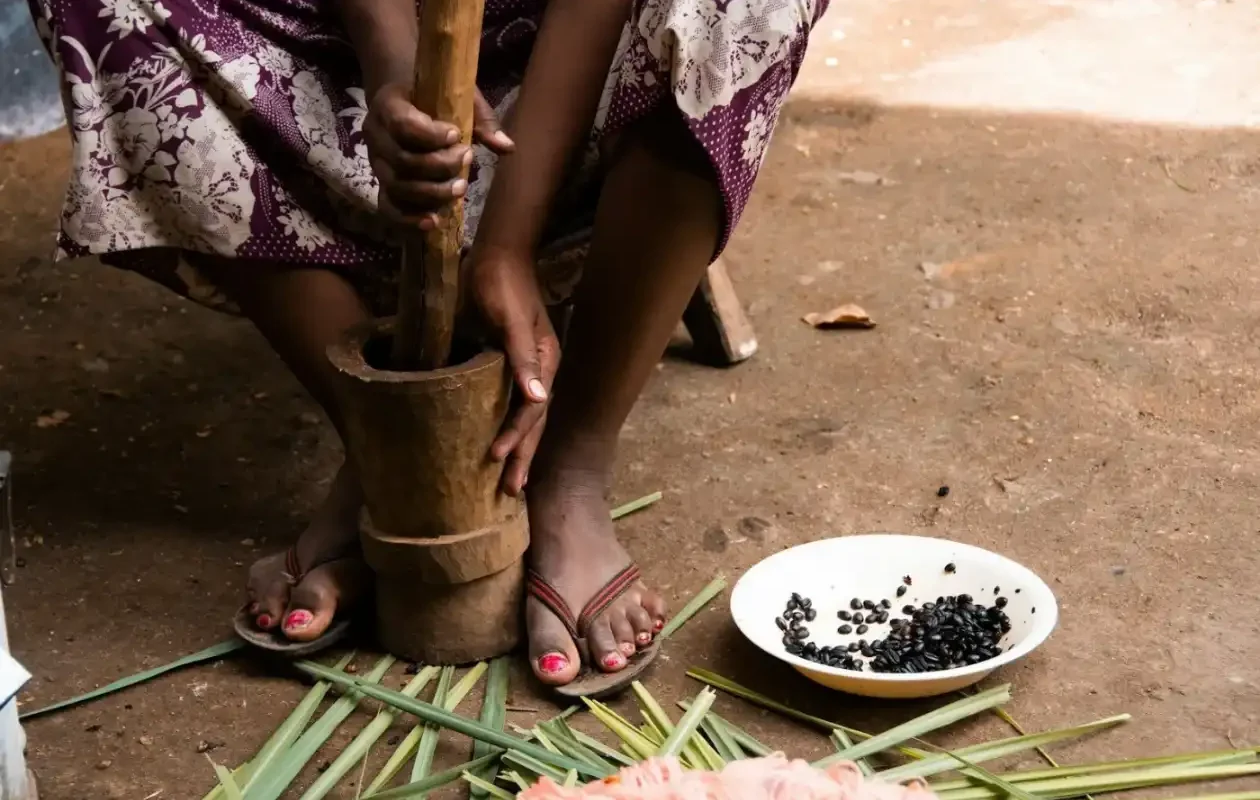
Ethiopia is often called the birthplace of coffee, and the traditional coffee ceremony is one of the country’s most important social rituals. It can take an hour or more. Green beans are washed and roasted in a flat pan over charcoal, ground by hand in a mortar, and brewed in a clay pot called a jebena. Incense often burns nearby, and neighbors and relatives gather around.
Coffee is served in three rounds, each with its own name: abol, the first and strongest; tona, the second; and baraka, the third, whose name means “blessing”. The third round is the weakest, and in many families it is the one children may taste, sometimes with extra water or milk. The point is not caffeine. Children learn to sit through the ceremony, greet guests and listen to the adults, and the coffee is simply part of being included.
Italy: the morning anchor

In Italy, coffee is woven into daily life, but espresso is considered an adult drink. What some children have at breakfast is very different: a large glass or cup of warm milk with a small splash of coffee, often called caffè latte or latte macchiato, alongside bread, biscuits or a pastry. Many families give children plain milk, cocoa or barley coffee (caffè d’orzo, naturally caffeine-free) instead.
The habit is about the breakfast table rather than energy. Coffee for kids, when it happens, is mostly milk, small in amount and part of a calm morning routine.
Vietnam and the Levant: sugar, steam and symbolism
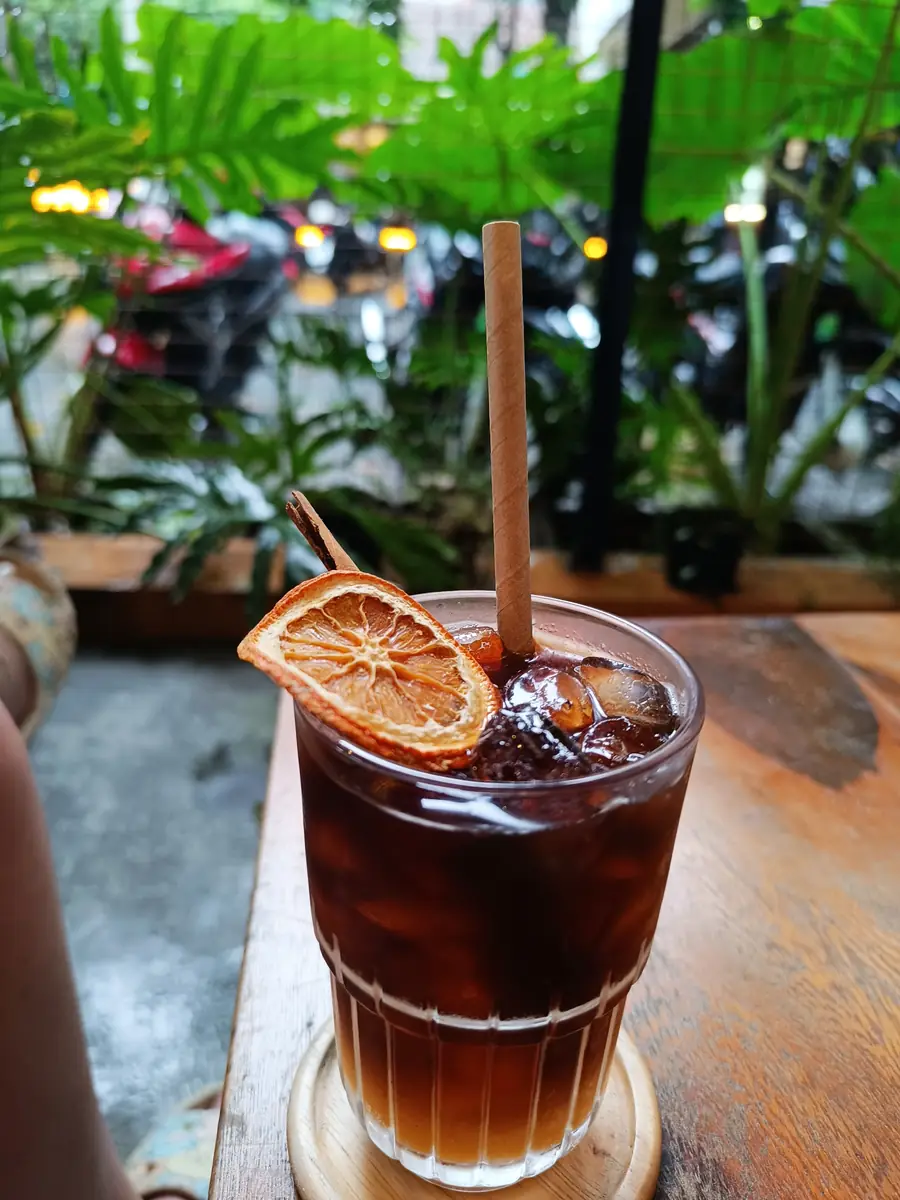
In Vietnam, coffee is a national passion: strong, dark and dripped slowly through a small metal filter called a phin, often over sweet condensed milk. When I traveled in Vietnam, I noticed how social coffee is there. Teenagers and students fill sidewalk cafés in the afternoon, sitting on low plastic stools, chatting over iced coffee for hours. For many young people, the café is where friendships happen. Younger children rarely drink it, though some families offer a symbolic taste at gatherings.
In Turkey, Lebanon and Armenia, coffee is boiled in a small pot and served unfiltered in tiny cups. On special occasions, children may be offered a sip, and older relatives sometimes turn the cup over to “read” the grounds, a playful tradition that children love to watch. Again, it is about hospitality: offering coffee means “I have time for you.”
The north: warmth over stimulation
In the Nordic countries, coffee consumption per person is among the highest in the world, and coffee breaks are a firm part of daily life. In some rural families, children traditionally got very weak, milky coffee on cold days or outdoor trips, closer to warm milk than to real coffee. Today most children drink milk, juice or cocoa instead, and coffee is generally seen as an adult and teenage habit.
Context over caffeine: what pediatricians say
From a medical point of view, the guidance is specific and worth knowing before you decide anything.
| Source | Recommendation |
|---|---|
| American Academy of Pediatrics | No caffeine for children 12 and under; for teenagers, under about 100 mg a day (roughly one home-brewed cup) |
| Health Canada | Maximum daily caffeine: 45 mg (ages 4–6), 62.5 mg (ages 7–9), 85 mg (ages 10–12) |
These limits exist because caffeine affects a smaller, developing body more strongly. It stays in the system longer, can disturb sleep, and may cause jitteriness, stomach aches or a racing heart. Hidden caffeine also adds up: sodas, iced teas, chocolate and energy drinks all count.
What the numbers also explain is why a few sips of heavily diluted coffee at a ceremony is very different from a daily large café drink. The dose is small, and it is rare. That does not make it ideal for a young child, but it puts the cultural tradition in perspective.
When belonging matters more than rules
Should you let your child taste coffee while traveling? There is no single right answer.
If a host offers a sip during a ceremony, it is almost always a gesture of welcome. For children under 12, following pediatric advice and politely declining is completely acceptable. A smile, a thank-you and accepting a different drink, such as tea, juice or water, is understood in most cultures. For older children, a single taste of a diluted cup during a cultural moment is a personal family choice, ideally discussed with your pediatrician beforehand if your child has heart problems, anxiety or trouble sleeping.
Either way, these moments are a chance to talk with kids about how differently people live, eat and share. Curious how many everyday foods carry a surprising story? Our piece on 15 famous foods that aren’t from where you think has more.
Extra questions
Can children drink coffee in other countries?
In many cultures, children taste coffee as part of traditions rather than as a caffeine source. In Ethiopia, Italy, Vietnam, Turkey and the Nordic countries, when it happens, it is usually diluted, small and tied to ritual rather than routine.
Is it safe for children to drink coffee?
The American Academy of Pediatrics advises no caffeine for children 12 and under, and Health Canada sets limits of 45 to 85 mg a day depending on age. A small, rare, diluted sip is a very low dose, but it is still caffeine. If your child has a heart condition, anxiety or sleep problems, ask your pediatrician first.
At what age can children drink coffee?
Culturally, there is no universal age. Medically, the American Academy of Pediatrics draws the line at 12, and recommends limiting caffeine for teenagers as well.
Why do Ethiopian families include children in coffee ceremonies?
The ceremony is about community. Children learn patience, respect for elders and hospitality by sitting through the roasting, brewing and serving. A small sip of the weakest round is part of being included.
Do Italian kids drink espresso?
Rarely. Espresso is considered an adult drink. Some children have milk with a small splash of coffee at breakfast, while many drink plain milk, cocoa or caffeine-free barley coffee.
Should I let my child try coffee while traveling?
It is a family decision. For under-12s, pediatric advice is to avoid caffeine, and politely declining is fine. For older children, a single taste during a cultural moment is a small dose; the bigger value is the conversation it starts about other cultures.
Not just a drink
In many parts of the world, coffee has never been only about caffeine. It is a reason to sit together, welcome guests and slow down. You can respect that tradition and still follow your own family’s health rules: the most important thing children take from these moments is not the taste of coffee, but the experience of being welcomed at someone else’s table.