When travelers ask what to eat in Costa Rica, the first answer is almost always gallo pinto. It is a good start, but the foods of Costa Rica go much further: hearty plates of casado at family-run sodas, coconut stews on the Caribbean coast, corn tortillas and slow-cooked beef soup in Guanacaste, and an incredible variety of tropical fruit. Three things define Costa Rican cooking: rice and beans as the everyday base, fresh local produce, and a gentle, rarely spicy flavor, often lifted with a few drops of the famous Salsa Lizano.
This guide covers the 12 dishes to try, regional specialties, where locals eat and what it costs.
Foods of Costa Rica at a glance
| # | Dish | What it is | When to eat it |
|---|---|---|---|
| 1 | Gallo pinto | Rice and black beans fried with onion, pepper and cilantro | Breakfast |
| 2 | Casado | Rice, beans, plantains, salad and a protein | Lunch |
| 3 | Olla de carne | Beef and vegetable soup | Lunch, weekends |
| 4 | Sopa negra | Black bean soup, often with a boiled egg | Lunch or dinner |
| 5 | Chifrijo | Rice, beans, fried pork and pico de gallo in a bowl | Bar snack |
| 6 | Rondón | Caribbean coconut seafood stew | Caribbean coast |
| 7 | Rice and beans | Caribbean rice and beans in coconut milk | Caribbean coast |
| 8 | Arroz con pollo | Seasoned rice with chicken | Family meals, parties |
| 9 | Picadillo | Finely chopped vegetables, sometimes with meat | Side dish, with tortillas |
| 10 | Patacones | Twice-fried green plantain slices | Snack, side dish |
| 11 | Ceviche | Raw fish “cooked” in lime juice | Beach towns |
| 12 | Tamales | Corn dough with fillings, wrapped in banana leaves | Christmas |
1. Gallo pinto
Costa Rica’s national breakfast: leftover rice and black beans fried together with onion, sweet pepper and cilantro, seasoned with Salsa Lizano. It is usually served with eggs, fried plantains, sour cream (natilla), fresh cheese and coffee. Costa Rica and Nicaragua both claim it as their own, and each country makes it a little differently.
2. Casado
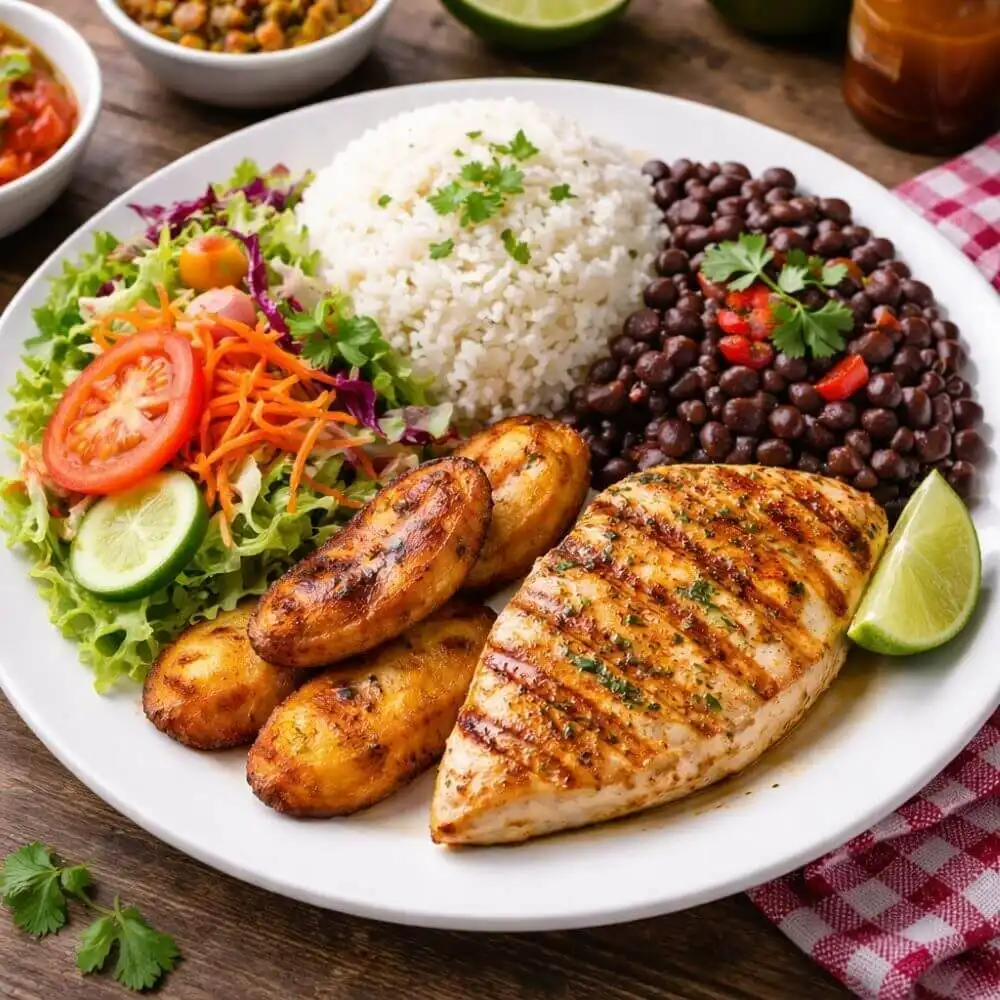
The backbone of everyday eating. A casado is a full plate of white rice, beans, fried sweet plantains (plátanos maduros), a simple salad and a protein such as grilled chicken, fish, pork or beef, often with picadillo or a fried egg. It is served at lunch in almost every soda, the small family-run restaurants found all over the country. The name means “married man”, supposedly after the kind of meal a wife would prepare at home.
3. Olla de carne
A slow-cooked soup of beef with chunks of yuca, potato, corn, carrot, chayote and plantain. It is the ultimate comfort food, often eaten on weekends and at family gatherings, especially in Guanacaste and the countryside.
4. Sopa negra
A simple, rich black bean soup, often served with a hard-boiled egg and a side of rice. It is cheap, filling and found on many soda menus.
5. Chifrijo
A popular bar snack invented in Costa Rica: a bowl layered with rice, beans, crispy pork (chicharrón), pico de gallo and avocado, served with tortilla chips. Order it with a cold local beer.
6. Rondón
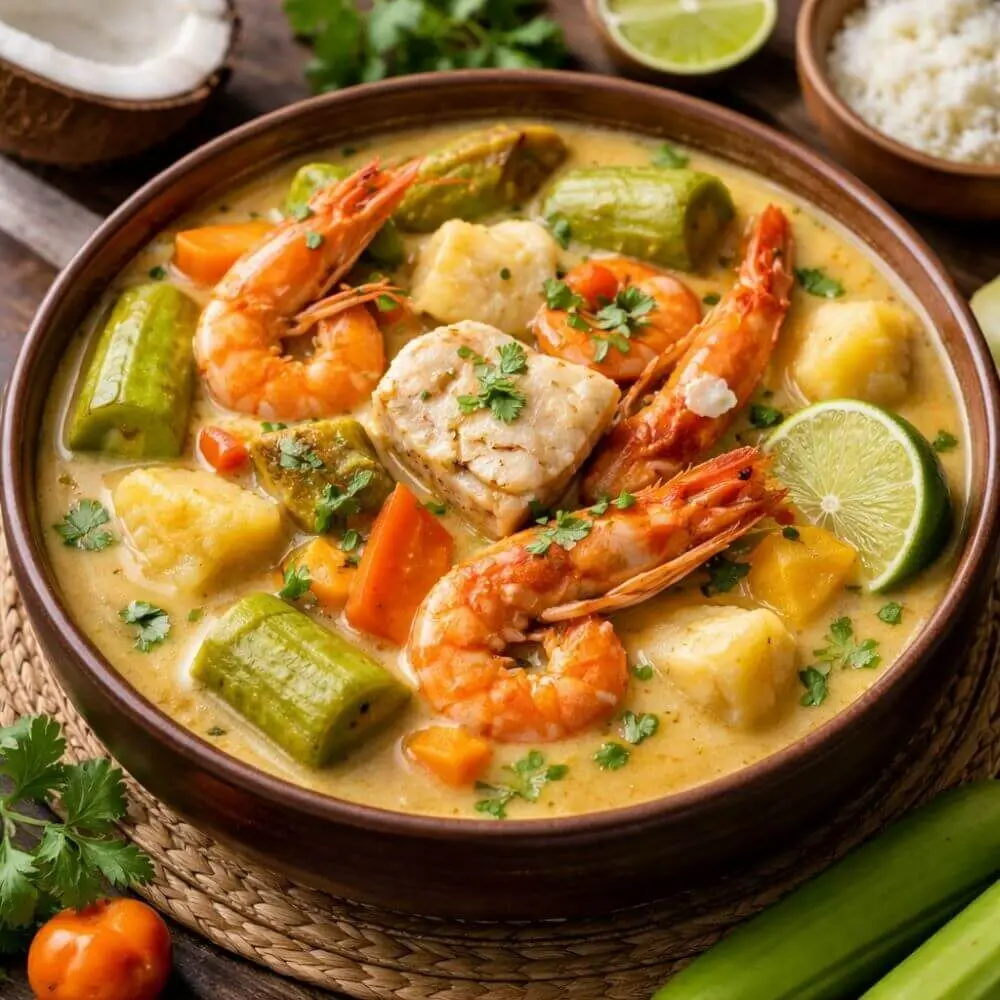
On the Caribbean coast, the signature dish is rondón, a fragrant stew of fish or seafood simmered in coconut milk with yuca, plantain, breadfruit and spices. The name is often explained as coming from “run down”, meaning cooking with whatever you can find.
7. Caribbean rice and beans
Not to be confused with gallo pinto: on the Caribbean coast, “rice and beans” means rice cooked with red beans, coconut milk, thyme and a hint of chili, usually served with chicken or fish. You will find it in Puerto Viejo, Cahuita and Limón.
8. Arroz con pollo
Rice cooked with shredded chicken, vegetables and seasoning, served at family meals, birthdays and celebrations, often with potato chips and salad.
9. Picadillo
Finely chopped vegetables such as potato, chayote, green papaya or green beans, cooked with a little meat or on their own. It is eaten as a side dish or rolled into corn tortillas.
10. Patacones
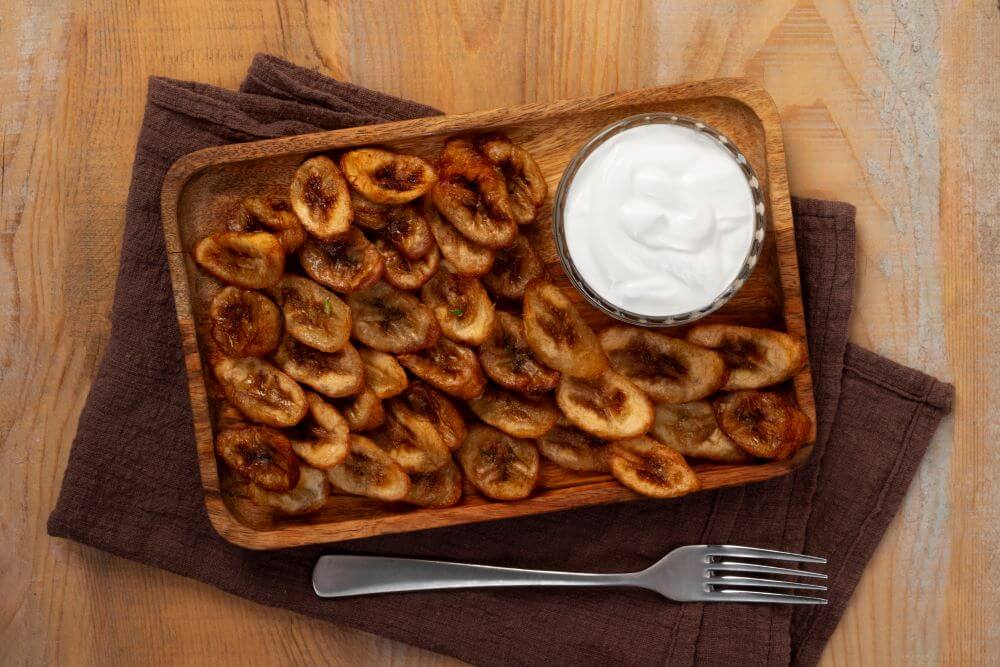
Green plantains sliced, fried, flattened and fried again until crisp, served with bean dip or guacamole. Especially common on the coasts.
11. Ceviche
Fresh fish or shrimp marinated in lime juice with onion, cilantro and sweet pepper, often served with crackers or chips. It is a favorite snack in Pacific beach towns and at roadside stands.
12. Tamales
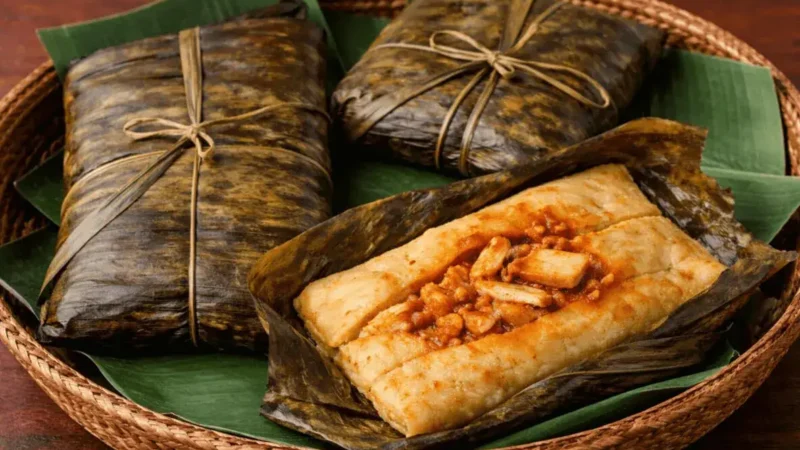
At Christmas, families gather to make tamales: corn dough filled with pork or chicken, rice, vegetables and spices, wrapped in banana leaves and boiled. They are traditionally sold in pairs, called a piña.
Salsa Lizano: the taste of Costa Rica
If one flavor ties Costa Rican food together, it is Salsa Lizano, a light brown, slightly sweet and tangy sauce with a hint of cumin. It is added to gallo pinto, eggs, rice and meats, and you will see a bottle on almost every table. It is also a popular souvenir.
Drinks and desserts
Coffee. Costa Rica grows excellent coffee, traditionally made with a cloth filter on a wooden stand called a chorreador.
Refrescos naturales. Fresh fruit drinks blended with water or milk, made from fruits like blackberry (mora), passion fruit (maracuyá), guava (guayaba) or tamarind.
Agua dulce. A warm drink of dissolved unrefined cane sugar (tapa de dulce), common in the countryside.
Desserts. Try tres leches cake, rice pudding (arroz con leche) and cajeta, a sweet milk fudge.
Regional specialties
Caribbean coast
Afro-Caribbean influences bring coconut milk, thyme, allspice and chili to the table. Besides rondón and rice and beans, look for patí, spicy meat-filled pastries, and coconut bread.
Guanacaste and the Pacific
The dry northwest is cattle country. Corn plays a big role here: tortillas, rosquillas (corn and cheese rings) and tanelas, along with grilled meats and olla de carne. Fresh seafood and ceviche are everywhere along the coast.
Central Valley
Around San José, Cartago and Heredia, the cooler climate suits hearty food: tamales, soups, gallo pinto and pastries from local bakeries. This is also the heart of coffee country, where many farms offer tours.
Tropical fruit to try
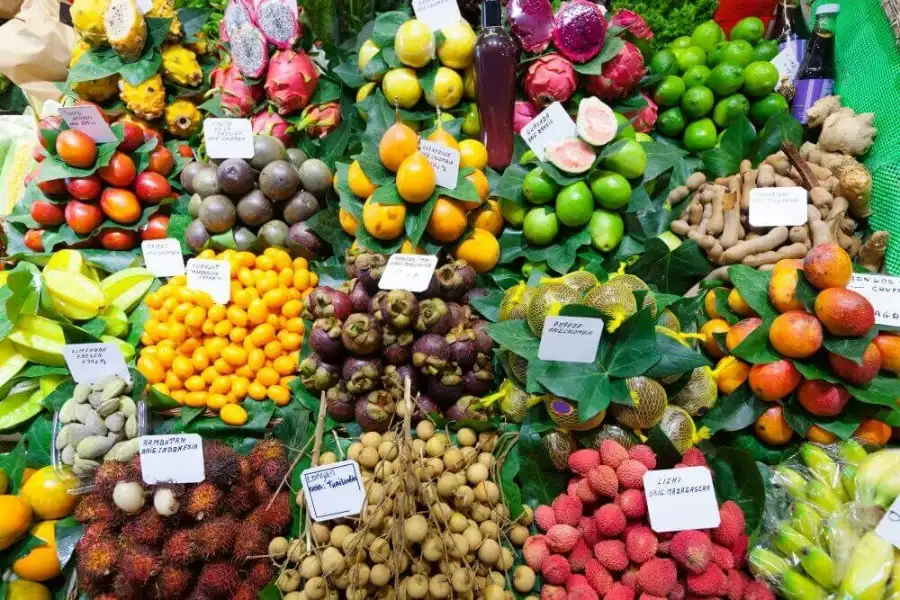
Costa Rica’s markets are full of fruit: pineapple, mango, papaya, bananas and plantains, plus less familiar fruits such as mamón chino (rambutan), cas (a sour guava), guanábana (soursop), carambola (star fruit) and pejibaye (peach palm fruit, boiled and eaten with mayonnaise).
Is Costa Rican food vegetarian-friendly?
Yes, with a little care. Gallo pinto, casados with eggs or cheese, picadillo, patacones, sopa negra, fruit and fresh juices are easy choices. Ask about cooking stocks, as rice and beans are sometimes made with chicken broth.
| Spanish | English |
|---|---|
| Soy vegetariano / vegetariana | I am vegetarian |
| Soy vegano / vegana | I am vegan |
| Sin carne, por favor | Without meat, please |
| ¿Tiene caldo de pollo? | Does it have chicken broth? |
| Casado vegetariano | Vegetarian casado |
In tourist areas, especially Puerto Viejo, Santa Teresa and Nosara, there are many vegetarian and vegan cafés.
Where to eat like a local
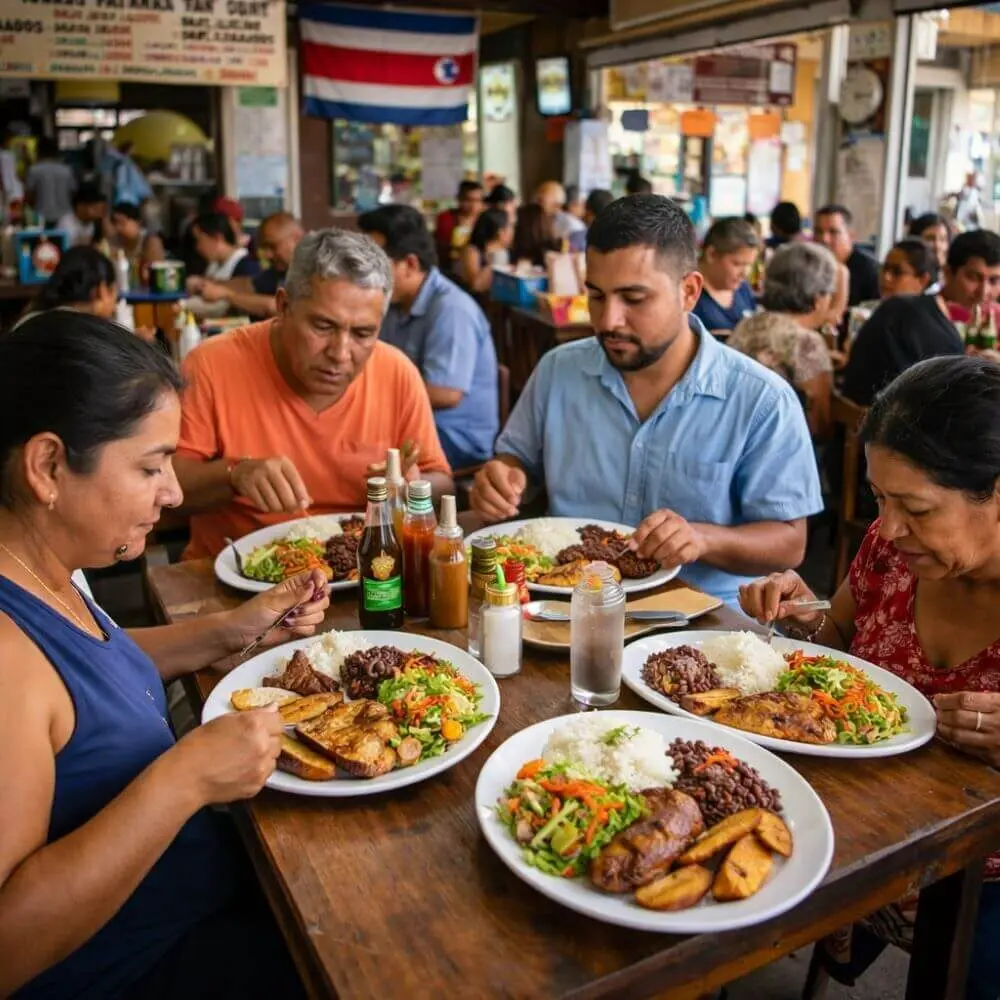
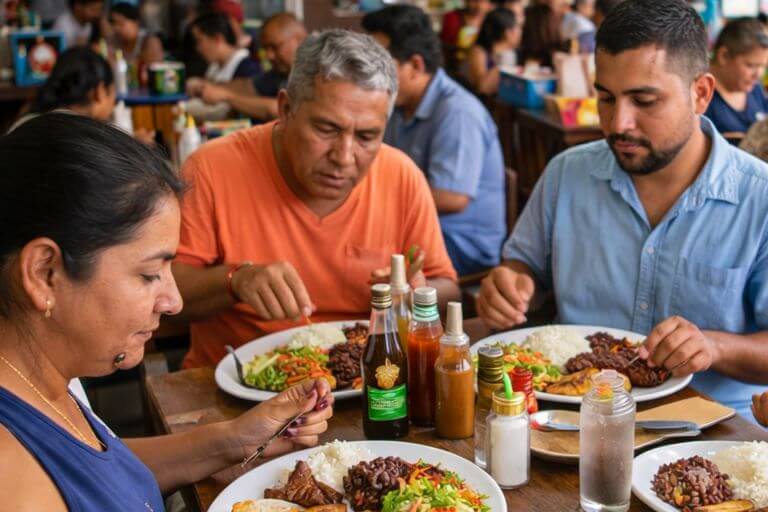
Sodas. Small family-run restaurants with simple menus, fair prices and home cooking. Look for places full of locals at lunchtime.
Markets. San José’s Mercado Central has small counters serving casados, soups and fresh juices. Farmers’ markets (ferias del agricultor) are held in towns across the country, usually on weekends.
Festivals. Town fiestas, often around saints’ days and at the end of the year, are a great way to try tamales, olla de carne and sweets.
Cost of eating in Costa Rica
Costa Rica is more expensive than many Central American countries, especially in tourist areas. A casado at a local soda is usually one of the cheapest full meals, while beach towns and tourist restaurants charge noticeably more. Lunch is often better value than dinner. Prices change with exchange rates and location, so treat this as a general guide.
Practical tips
Water. Tap water is considered safe in most cities and many tourist areas; in remote places, ask locally or drink bottled water.
Tipping. Restaurant bills often include a 10% service charge; extra tips are appreciated but not required.
Spice. Costa Rican food is mild. If you like heat, ask for chili sauce (chile) on the side.
Cash. Carry some cash for small sodas, markets and street stalls.
Frequently asked questions
What is the national dish of Costa Rica?
Gallo pinto, rice and beans fried together, is considered the national dish, while the casado is the most typical lunch.
What are the most popular foods of Costa Rica?
Gallo pinto, casado, olla de carne, chifrijo, rondón, arroz con pollo, patacones, ceviche and tamales.
Is Costa Rican food spicy?
No. It is generally mild, seasoned with herbs, onions, peppers and Salsa Lizano. Hot sauce is served on the side.
What is a soda in Costa Rica?
A small, family-run restaurant serving traditional home-style meals at affordable prices.
What should I try on the Caribbean coast?
Rondón, Caribbean rice and beans cooked in coconut milk, patí pastries and fresh seafood.
Simple, fresh and full of flavor
So, what to eat in Costa Rica? Start the day with gallo pinto, have a casado at a busy soda for lunch, try rondón on the Caribbean coast and olla de carne in Guanacaste, and leave room for fresh fruit and a cup of local coffee. Costa Rican food is simple, fresh and generous, and it is one of the best ways to understand the country. For more food from the region, see our guide to traditional food in Belize.