When searching for “indigenous food of North America,” most results focus on history—as if these traditions vanished centuries ago. But Indigenous food is not frozen in time. It’s alive, evolving, and being powerfully reclaimed across the continent. From the Three Sisters gardens of the Haudenosaunee to bison restoration on the Great Plains, Native chefs, farmers, seed keepers, and elders are revitalizing foodways that honor land, community, spirit, and resilience.
This guide goes beyond the surface. We explore the true flavors, philosophies, and contemporary realities of indigenous food of North America—and how travelers can engage with them respectfully, ethically, and meaningfully. Whether you’re exploring regional specialties or diving into the roots of sustainable cuisine, understanding indigenous food of North America offers a deeper lens into the continent’s cultural soul.
The Three Sisters: Core of indigenous food of North America — a philosophy of reciprocity
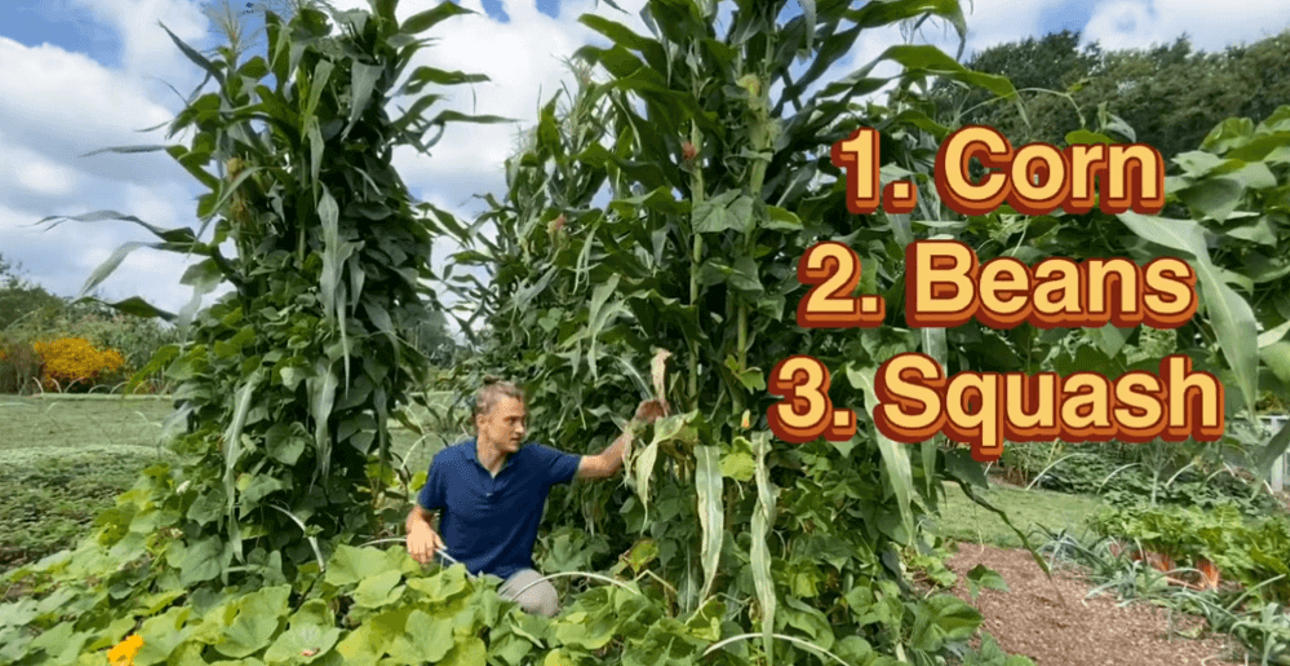
Corn, beans, and squash—known as the Three Sisters—form the agricultural and spiritual core of many Indigenous nations, including the Haudenosaunee (Iroquois), Cherokee, Hopi, and others. This isn’t just companion planting; it’s a living metaphor for interdependence.
- Corn provides a tall stalk for beans to climb.
- Beans fix nitrogen in the soil, nourishing the corn.
- Squash spreads wide leaves that shade the ground, suppressing weeds and retaining moisture.
But the relationship goes deeper. In Haudenosaunee cosmology, the Three Sisters were given to the people by Sky Woman as a gift of sustenance. They are sisters who must never be separated—even in cooking. Traditional dishes like succotash or cornbread with squash and beans honor this unity.
As Seneca elder Barbara Waterman-Peters says: “They teach us to live in balance.” Today, this wisdom is being revived in urban farms, school gardens, and tribal food sovereignty projects from Ontario to Oklahoma. The White Earth Land Recovery Project in Minnesota, for example, distributes thousands of Three Sisters seed packets annually to reconnect communities with ancestral crops.
Regional staples: What defines indigenous food of North America across the continent
North America is home to over 570 federally recognized tribes in the U.S. alone—and hundreds more in Canada and Mexico. Each region developed unique food systems based on local ecosystems. Here’s a deeper look:
Great plains: Bison — the heartbeat of the prairie
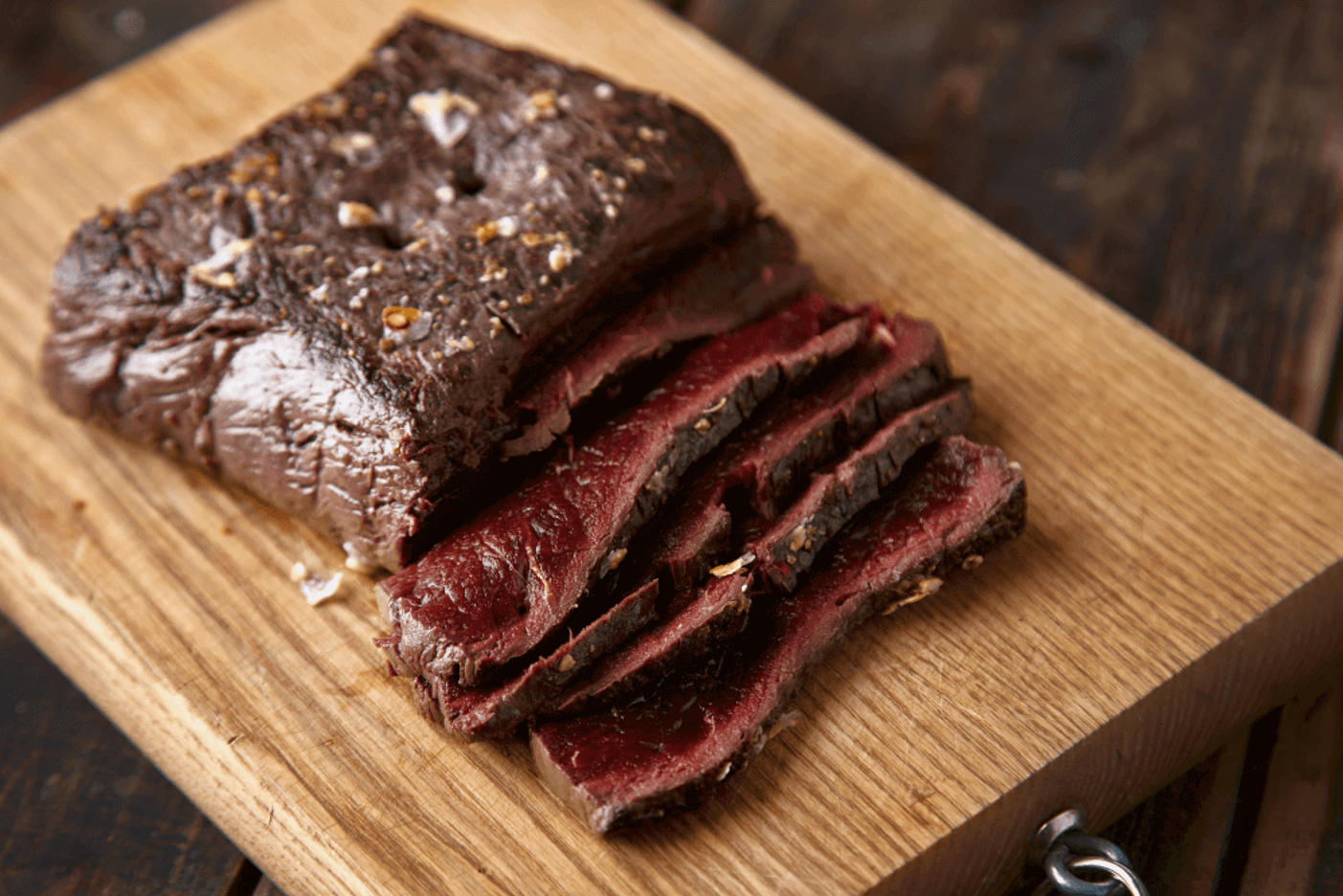
Once numbering 30 million, bison were nearly eradicated by the late 1800s—a deliberate act of colonial warfare to starve Plains Nations. Today, tribes like the Blackfeet, Lakota, and Comanche lead bison restoration through the InterTribal Buffalo Council, which manages over 20,000 bison across 80+ tribal lands.

Bison meat is lean, rich in iron and omega-3s, and used in pemmican—a nutrient-dense survival food made from dried meat, rendered fat, and dried berries like chokecherries. Modern chefs use bison in burgers, stews, and even tartare—but always with reverence.
Great lakes & Canada: Wild rice (Manoomin) — A sacred gift
For the Ojibwe, wild rice (manoomin) is not a crop—it’s a sacred relative. According to prophecy, the Ojibwe were to migrate west until they found “food that grows on water.” That food was manoomin.
Harvested in late summer from canoes, harvesters use two sticks (knockers) to gently bend stalks and release grains into the boat. The process is quiet, meditative, and governed by strict protocols to ensure sustainability. Manoomin has a nutty, earthy flavor and is high in protein and fiber. It’s served in soups, with game, or simply steamed with herbs.
Pacific Northwest: Salmon — life given by the river
“When the salmon return, we return to ourselves,” say Coast Salish peoples. For Tlingit, Haida, and Nuu-chah-nulth nations, salmon is life—spiritual, nutritional, and economic.
Traditionally, salmon is filleted, cured with salt or alder-smoked, or grilled on cedar planks over open fire. Every part is used: bones returned to the river as thanks, skin for containers, oil for preservation. Cedar-planked salmon isn’t just a dish—it’s a ceremony of reciprocity with the river.
Southwest: Blue corn, chilies, and desert wisdom
Hopi and Diné (Navajo) farmers grow drought-resistant blue corn in arid soils using dry-farming techniques passed down for millennia. Blue corn is ground into flour for piki (paper-thin bread) or cooked into atole—a warm, comforting porridge.
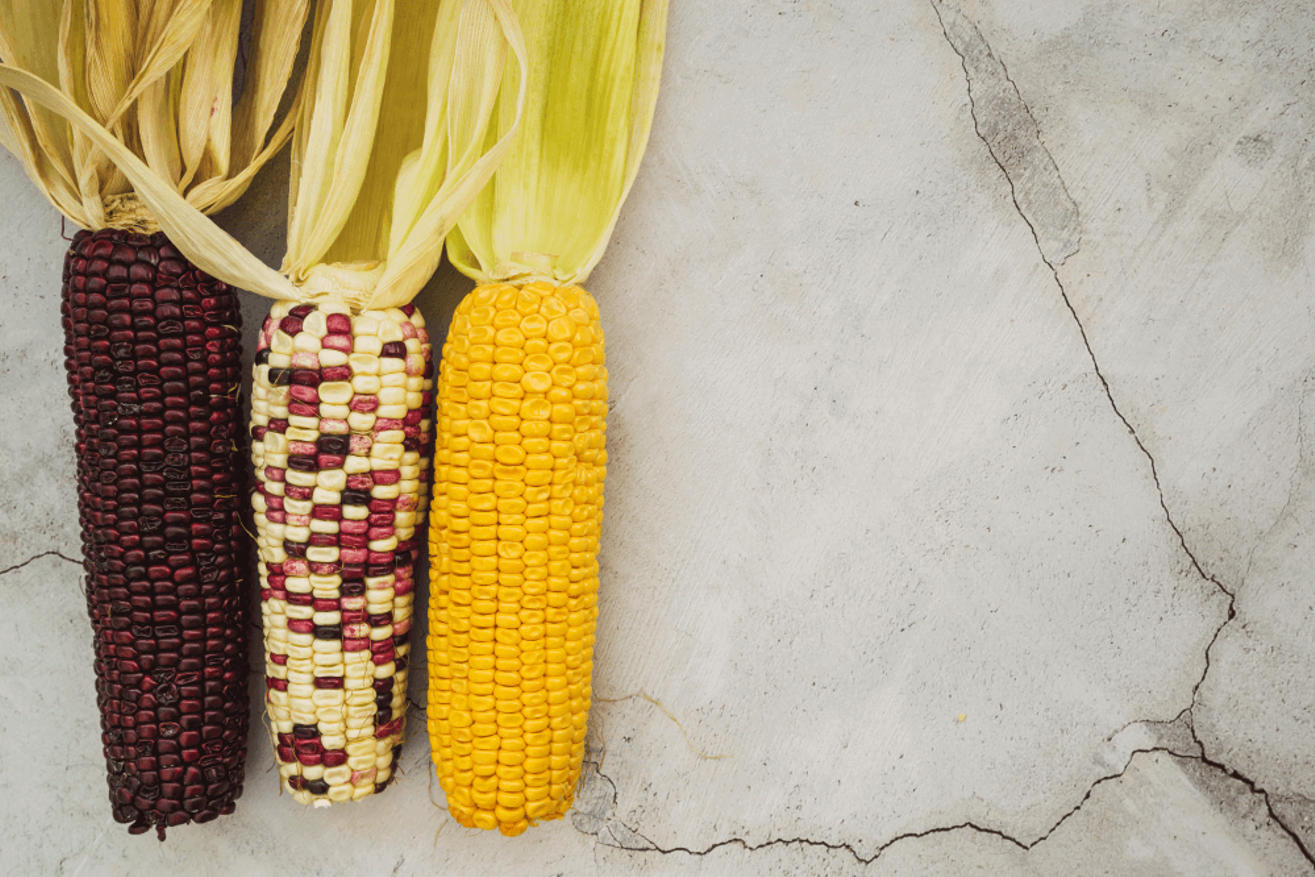
Red and green chilies aren’t just flavor—they’re medicine. Used in stews like posole or stew with mutton, they aid digestion and circulation. The annual Hopi harvest festival, Niman, celebrates the corn maiden and gives thanks for the season’s bounty.
California: Acorns, seaweed, and seasonal abundance
Often overlooked, California was one of the most densely populated Indigenous regions pre-contact. Tribes like the Pomo, Miwok, and Yurok thrived on incredible biodiversity.
Acorns—once a staple for over 50 tribes—were leached of tannins and ground into flour for bread or mush. Seaweed was harvested along the coast and dried for winter. Manzanita berries made into cider; chia seeds stored for energy. These foods reflect a deep understanding of seasonal cycles and ecological balance.
Arctic & subarctic: Survival in the extreme
Inuit, Yup’ik, and Dene peoples developed food systems for some of Earth’s harshest climates. Caribou, seal, whale, and Arctic char provide essential fats and proteins. Fermented fish (like stinkfish) and dried meat store well through long winters.
Nothing is wasted. Seal oil is used for cooking and lamps; sinew for thread; bones for tools. This is not “subsistence”—it’s sophisticated adaptation rooted in intimate knowledge of animal behavior and ice patterns.
Southeast: The forgotten corn belt
Before European contact, the Southeast was a hub of maize agriculture. Choctaw, Creek, and Seminole peoples cultivated flint corn, sunflowers, and persimmons. They also stewed possum, squirrel, and freshwater fish with native herbs.
Today, the Choctaw Nation runs a heritage seed program to preserve heirloom corn varieties like Chickasaw Red and Choctaw Blue—ensuring culinary continuity despite forced removal and assimilation.
Modern revival: How indigenous food of North America is being reclaimed today
A new generation is reclaiming ancestral foods—not as nostalgia, but as resistance and healing. This movement is called food sovereignty: the right of peoples to control their own food systems.
Leading voices
- Sean Sherman (Oglala Lakota) – Founder of The Sioux Chef and Owamni restaurant (Minneapolis). His James Beard Award-winning work focuses on pre-contact ingredients—no dairy, wheat, or sugar. Dishes include cedar-braised bison, sumac-glazed duck, and wild berry compote.
- Lois Ellen Frank (Kiowa) – Culinary anthropologist and James Beard Award winner. She teaches that “Native food is the original farm-to-table cuisine” and leads workshops on traditional cooking methods.
- Felicia Cocotzin Ruiz (Xicana/Tewa) – Author of Earth Medicines, blending Indigenous wisdom with modern wellness.
Key initiatives
- Indigenous Food Lab (Minneapolis) – A training center for Native chefs, entrepreneurs, and food educators.
- Tribal Seed Banks – From the Navajo Nation to the Mohawk Valley, communities are preserving heirloom seeds threatened by industrial agriculture.
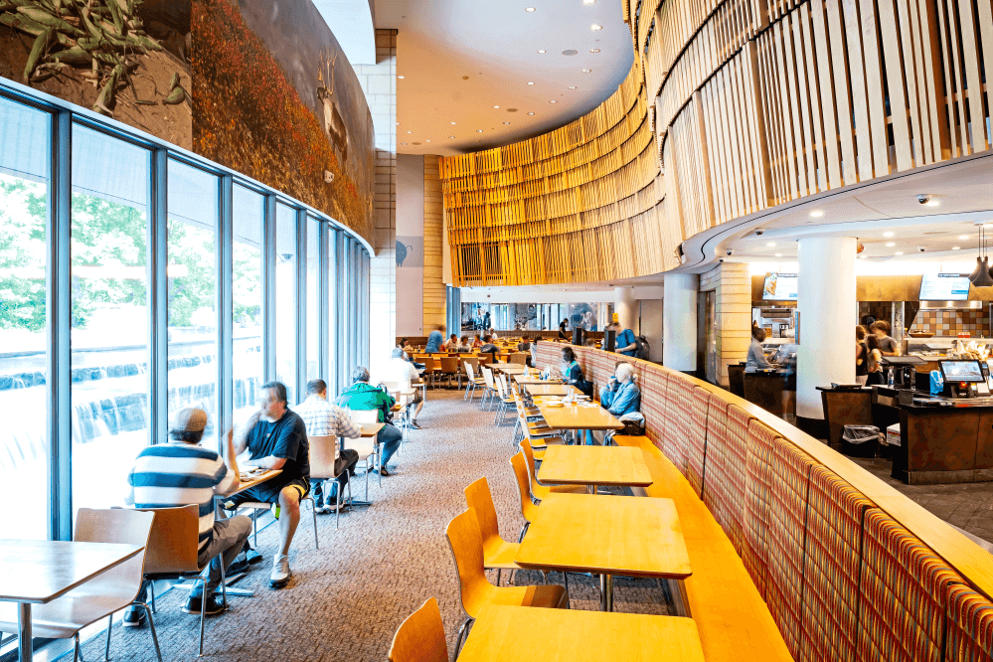
- Mitsitam Café (Smithsonian NMAI, Washington D.C.) – Serves regionally inspired Indigenous dishes to thousands yearly, with menus co-created by tribal advisors.
These leaders avoid fry bread—a product of forced rations during the Long Walk and Trail of Tears—not out of shame, but to center foods that existed before colonization. As Sean Sherman says: “We’re not cooking history. We’re cooking the future.”
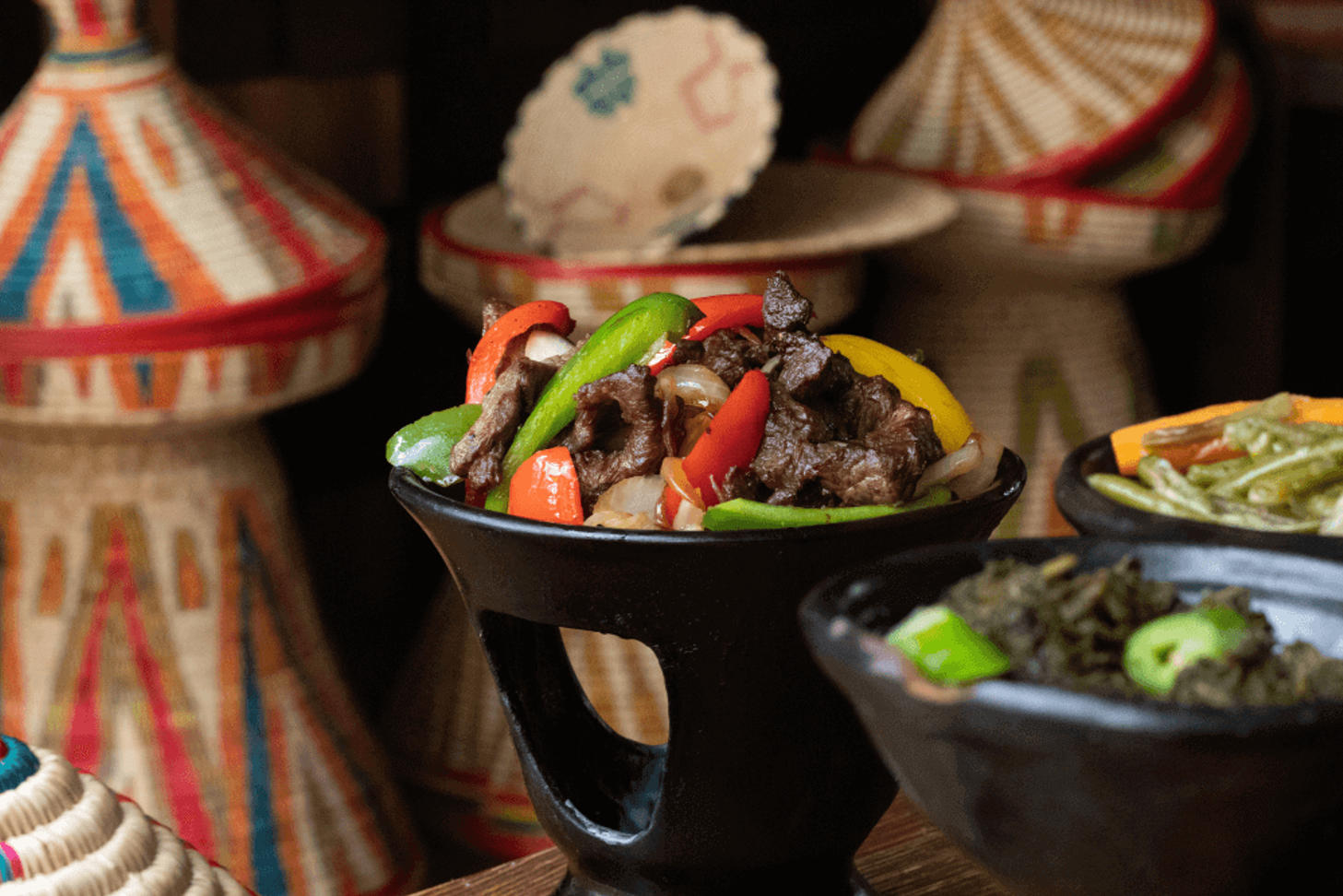
This renaissance of indigenous food of North America isn’t happening in isolation—it’s part of a broader movement to reclaim identity through taste, land, and tradition. For more on how food shapes cultural journeys across the Americas, explore our guide to dining in the USA, where immigrant and Indigenous influences continue to redefine the plate.
How to experience indigenous food of North America respectfully as a traveler
Indigenous food is not a trend. It’s a living culture. Approach it with humility.
Do:
- Visit Indigenous-owned restaurants: Tocabe (Denver), K’ómoks Seafood (BC), Off the Rez (Seattle), Café Ohlone (Berkeley).
- Attend cultural events: Powwows often have food vendors—ask before photographing or recording.
- Support Native farms: Buy bison from the InterTribal Buffalo Council, wild rice from White Earth, or blue cornmeal from Hopi farmers.
- Ask permission: Some foods (e.g., ceremonial salmon, first fruits) are not for public consumption.
Don’t:
- Call yourself a “shaman” or claim spiritual authority.
- Use sacred symbols (dreamcatchers, headdresses) as decor.
- Say “Native American” when you mean a specific nation (e.g., “Ojibwe wild rice,” not “Native rice”).
Is indigenous food of North America Vegan or vegetarian friendly?
Many traditional dishes are plant-based:
- Three Sisters stew
- Blue corn mush (atole)
- Wild berry soups with maple
- Roasted squash with sage and sunflower seeds
However, meat and fish hold spiritual roles in many cultures. Avoid demanding vegan versions of sacred dishes. Instead, ask respectfully: “What plant-based foods do you share with guests?”
Food as reclamation: Why indigenous food of North America matters today
The indigenous food of North America is not a relic—it’s resistance. Every seed planted, every salmon honored, every bison restored is an act of cultural survival. It’s also a response to modern crises: diabetes, food insecurity, and climate change.
Indigenous food systems are inherently sustainable. They require no synthetic fertilizers, promote biodiversity, and regenerate soil. In a world facing ecological collapse, these ancient practices offer profound solutions.
From the Arctic tundra to the Sonoran Desert, indigenous food of North America reveals a continent that has always been fed by wisdom, not just resources. These are not “lost” traditions—they are living systems being actively revived, taught, and shared with intention.
For travelers, tasting these foods is a privilege—not a right. Approach with gratitude, listen more than you speak, and support Indigenous-led initiatives. In doing so, you don’t just eat—you witness resilience, participate in healing, and honor a legacy that stretches back thousands of years.
Frequently Asked Questions (FAQ)
What is the most important indigenous food in North America?
There’s no single answer—it depends on the region. The Three Sisters are foundational across the East and Southwest, but bison (Plains), salmon (Northwest), wild rice (Great Lakes), and acorns (California) are equally vital in their ecosystems.
Can I try indigenous food as a tourist?
Yes—at Indigenous-owned restaurants, cultural festivals, or guided food tours. Always ask permission and avoid sacred or ceremonial foods. Never take photos without consent.
Is fry bread traditional?
No. Fry bread emerged from government-issued flour, lard, and sugar during forced relocations in the 1800s. While it’s part of modern Native identity for some, many chefs now focus on pre-contact foods to heal from historical trauma.
Where can I learn more about indigenous food systems?
Visit the Smithsonian National Museum of the American Indian (D.C. or NYC), read Braiding Sweetgrass by Robin Wall Kimmerer (Potawatomi), or follow chefs like Sean Sherman and organizations like the Native American Food Sovereignty Alliance.
Explore more Americas travel guides on Ola World—your trusted source for culturally rich, sustainable journeys across North and Central America.