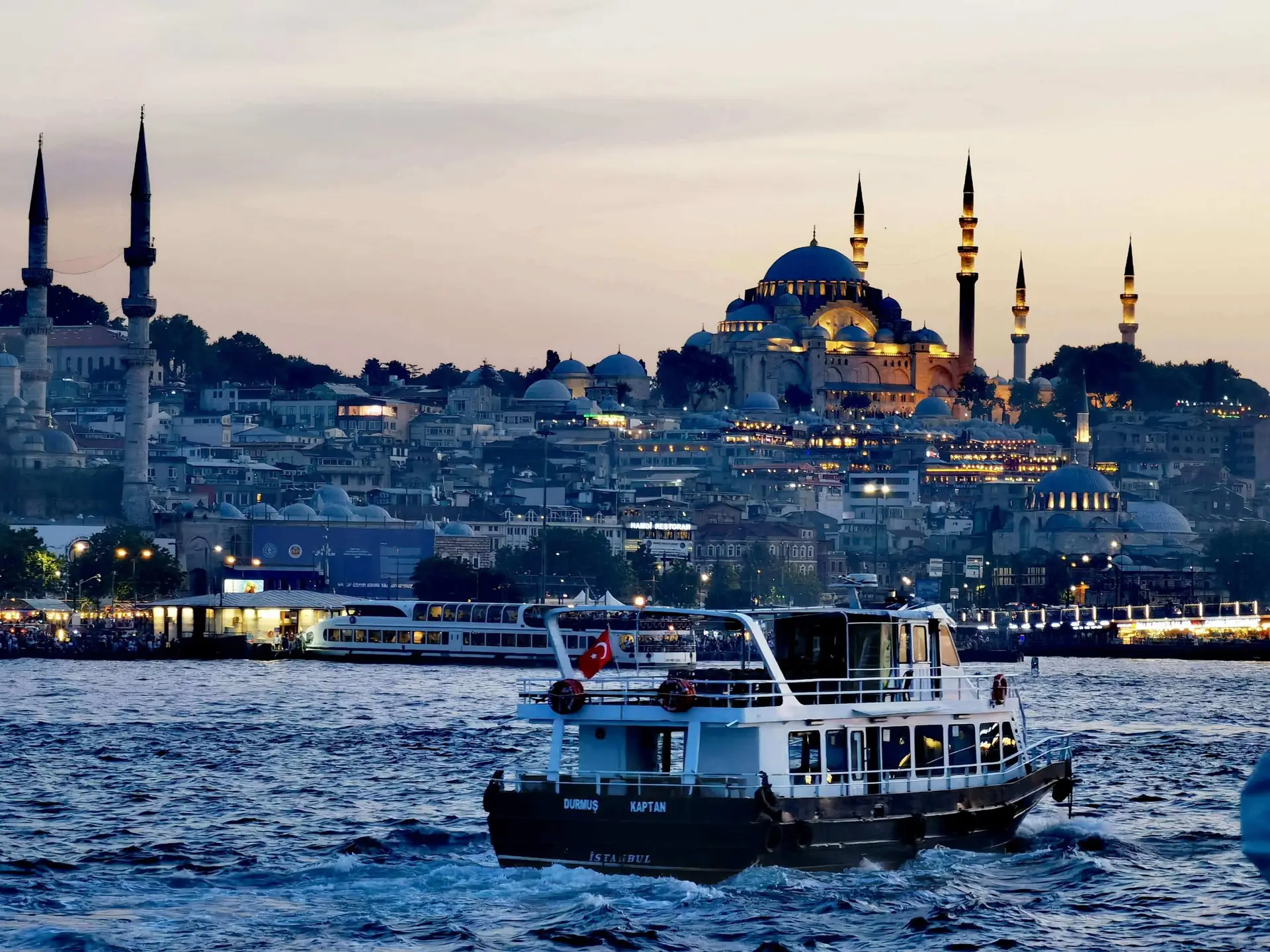
Turkey is a land where continents, cultures, and centuries converge. Straddling Europe and Asia, it offers a rare blend of ancient wonders, dramatic landscapes, and warm hospitality that never fades with time. From the minarets of Istanbul to the fairy chimneys of Cappadocia and the turquoise shores of the Mediterranean, Turkey isn’t just a destination—it’s a living story. This Turkey travel guide reveals the timeless treasures that make this country unforgettable.
Why Turkey Is a Timeless Destination
Unlike fleeting travel trends, Turkey’s magic endures. This complete Turkey travel guide reveals why it remains a timeless favorite — where ancient ruins predate empires, cuisine has been refined over millennia, and warm misafirperverlik (hospitality) makes every visitor feel at home. Whether you seek history, nature, or flavor, Turkey rewards every kind of traveler.
Istanbul: Your Essential Turkey Travel Guide Stop
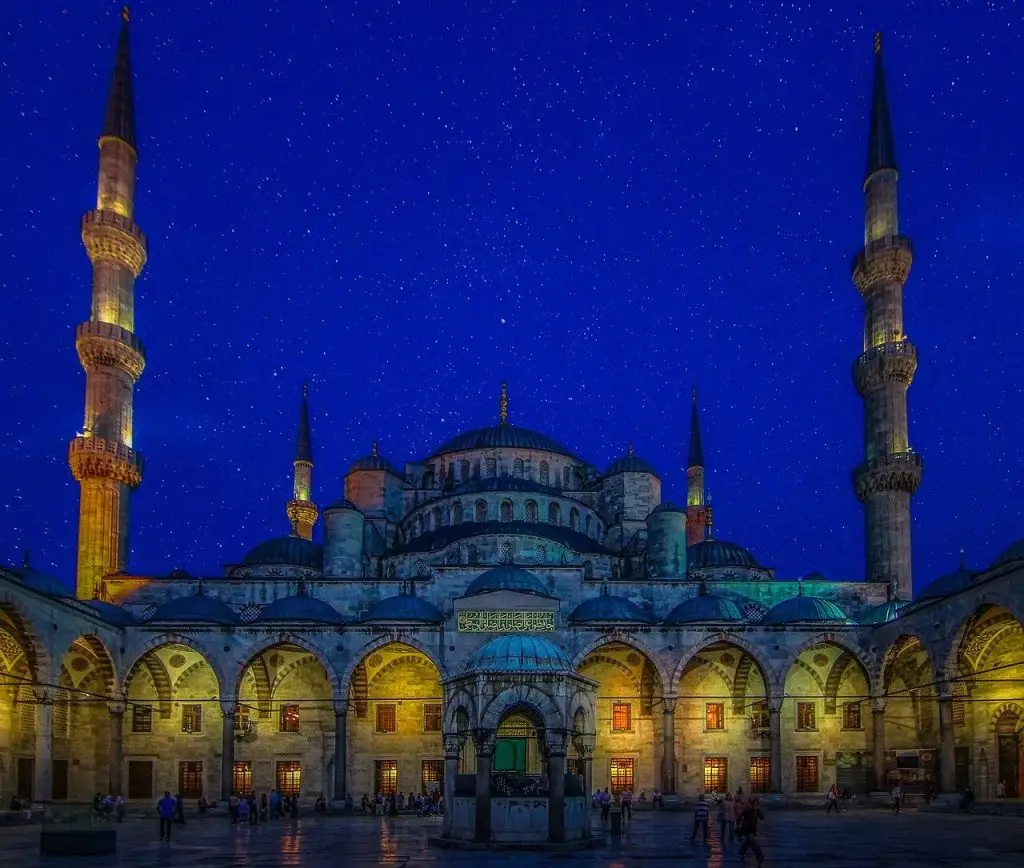
No journey through Turkey is complete without Istanbul. Here, the call to prayer echoes past Byzantine domes, and the Bosphorus Strait flows between continents.
- Hagia Sophia — a 1,500-year-old marvel that has been a church, mosque, and museum, embodying Turkey’s layered history.
- Blue Mosque — famed for its six minarets and 20,000 hand-painted Iznik tiles that shimmer in soft light.
- Grand Bazaar — one of the world’s oldest covered markets, with over 4,000 shops selling carpets, spices, and handmade jewelry.
Wander its streets, sip Turkish coffee beside Roman cisterns, and feel the living heartbeat of the Turkey travel guide’s most iconic city.
Grand Bazaar & Spice Bazaar: The Soul of Istanbul
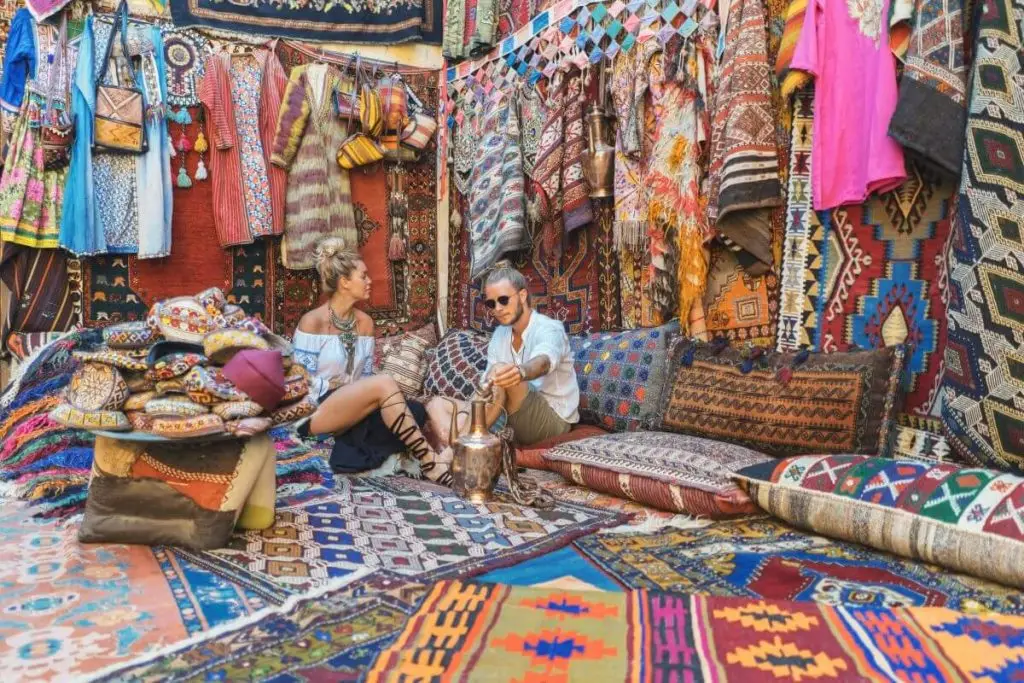
No Turkey travel guide would be complete without mentioning Istanbul’s legendary bazaars. The Grand Bazaar, one of the world’s oldest and largest covered markets, houses over 4,000 shops selling handwoven carpets, ceramics, lanterns, and gold jewelry. Every corridor tells a story—of merchants, travelers, and centuries of trade along the Silk Road.
Just a short walk away, the Spice Bazaar (Egyptian Bazaar) fills the air with the scent of saffron, sumac, dried fruits, and Turkish delight. Here, locals buy ingredients for their kitchens, while visitors sip apple tea and haggle for souvenirs.
Shopping in a Turkish bazaar isn’t just about buying—it’s about connection. A shared smile, a cup of tea, and the art of gentle negotiation are all part of the experience. In a world of online shopping, these markets remain timeless treasures of Turkey.
Cappadocia: The Land of Fairy Chimneys
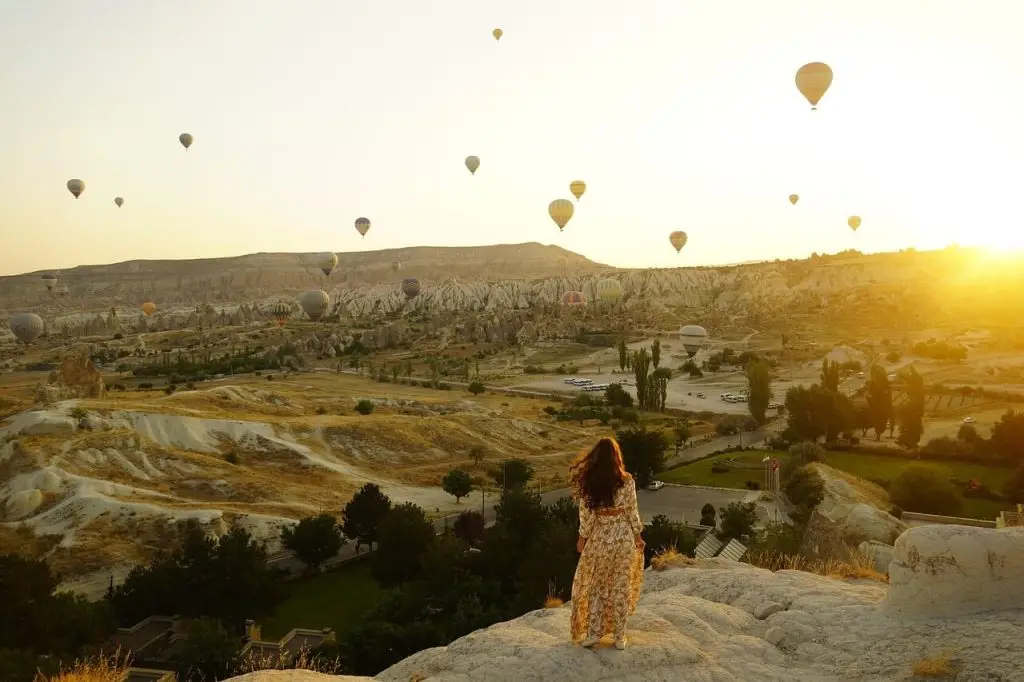
Cappadocia looks like a dream carved in stone. Its surreal fairy chimneys—volcanic rock formations shaped by wind and time—create a landscape unlike any other.
The iconic sunrise hot air balloon ride offers a bird’s-eye view of hundreds of balloons floating over valleys. But Cappadocia is more than views: explore Derinkuyu and Kaymakli, vast underground cities that sheltered thousands in ancient times.
Stay in a cave hotel, hike through Rose Valley, and let the silence of Anatolia speak to you.
Pamukkale: The Cotton Castle
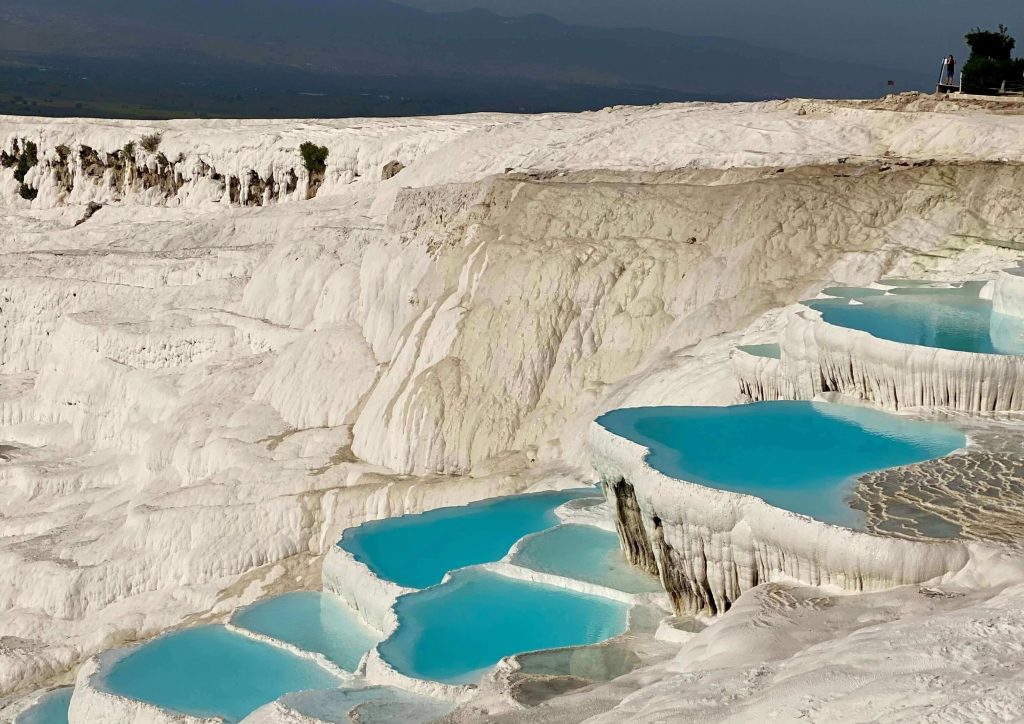
Pamukkale, meaning “cotton castle,” is a natural wonder of snow-white travertine terraces formed by mineral-rich thermal waters. For over 2,000 years, travelers have bathed here, believing in the healing power of its warm springs.
Just steps away lies Hierapolis, an ancient Greco-Roman spa city with a well-preserved theater, necropolis, and colonnaded streets. Together, they form a UNESCO World Heritage Site that blends nature and history seamlessly.
Ephesus: Walking Through Ancient Rome
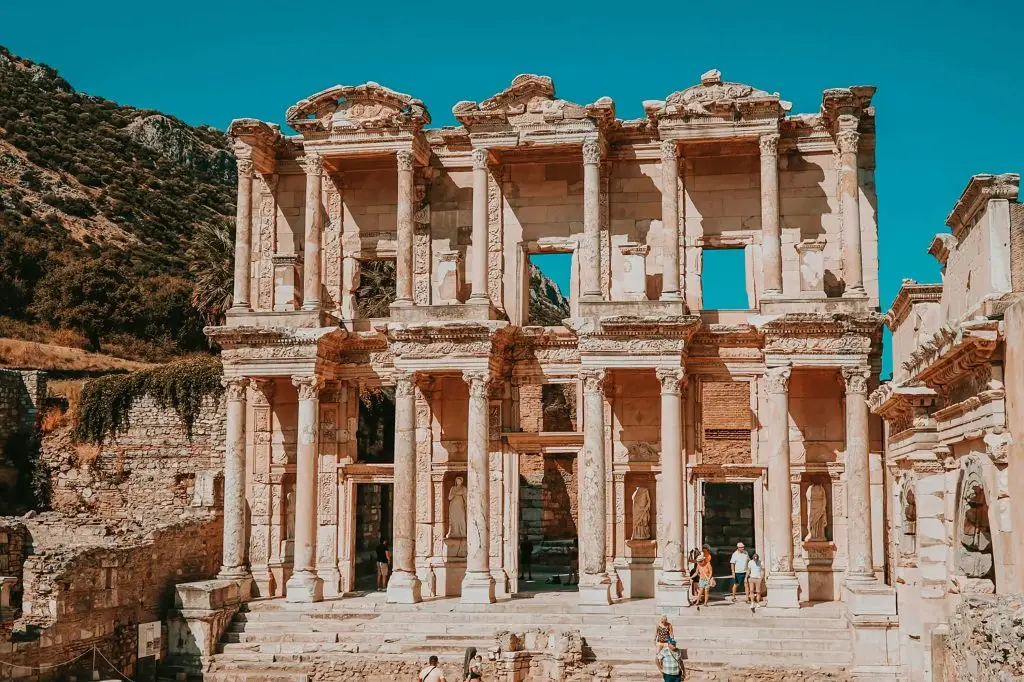
Once home to 200,000 people, Ephesus is one of the best-preserved Roman cities in the world. Walk its marble-paved Curetes Street and imagine chariots rolling past.
- Library of Celsus — a stunning two-story façade that once held 12,000 scrolls.
- Great Theatre — seating 25,000, where gladiator battles and plays once thrilled crowds.
- Temple of Artemis — though only a column remains, it was once one of the Seven Wonders of the Ancient World.
Ephesus doesn’t just show history—it lets you live it. Any true Turkey travel guide must include it.
Antalya and the Turquoise Coast
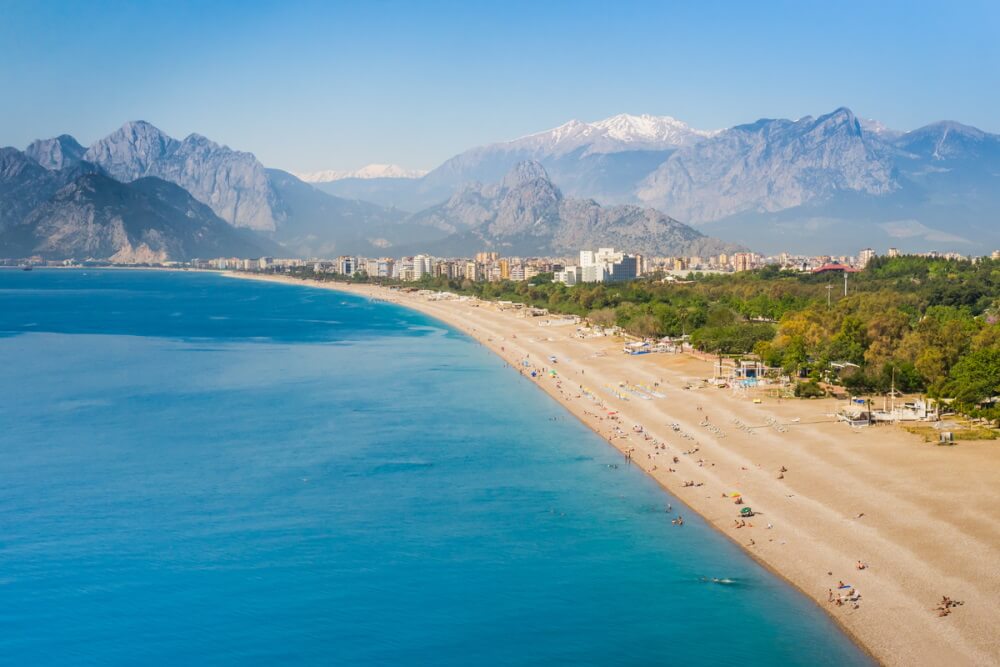
For sun, sea, and ancient charm, head to Turkey’s Turquoise Coast. Antalya blends golden beaches with Roman ruins and a charming old town (Kaleiçi).
Just outside the city:
- Perge — Roman baths, stadiums, and colonnaded streets.
- Aspendos Theatre — so acoustically perfect you can hear a whisper from the stage.
- Lycian Way — a 500-km hiking trail along cliffs, beaches, and ancient tombs.
End your day at Konyaaltı Beach, where the Taurus Mountains meet the Mediterranean — a postcard moment every Turkey travel guide should highlight.
Göbekli Tepe: The World’s Oldest Temple
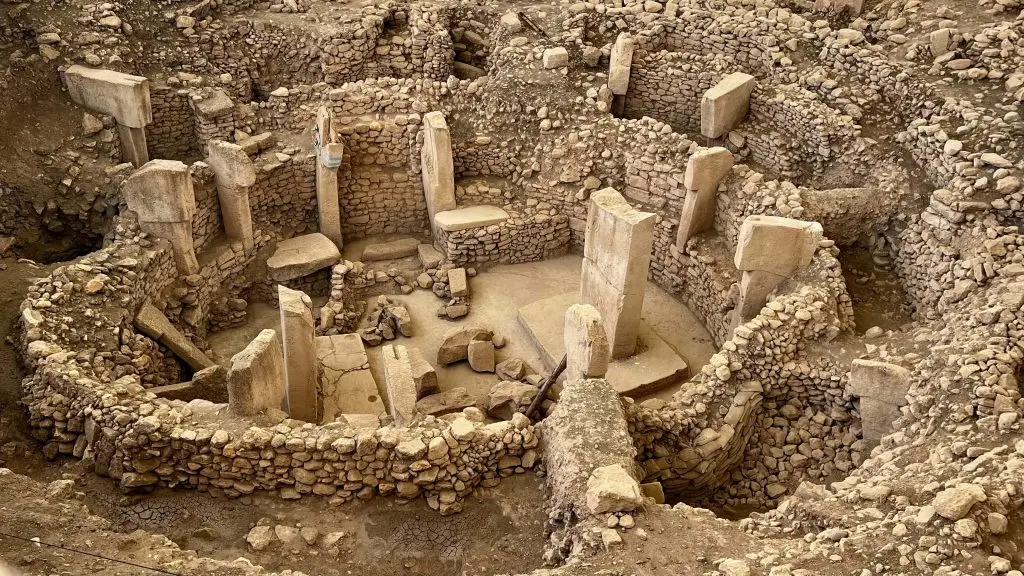
Hidden in southeastern Turkey, Göbekli Tepe rewrites human history. Built over **11,000 years ago**—6,000 years before Stonehenge—it features massive T-shaped pillars carved with animals and symbols.
This isn’t just an archaeological site—it’s proof that complex societies existed long before agriculture. For history lovers, it’s a pilgrimage to the dawn of civilization.
Mount Ararat and Eastern Mysteries
In Turkey’s far east, Mount Ararat rises like a myth—often linked to Noah’s Ark. This remote region offers solitude, ancient Armenian churches, and landscapes untouched by mass tourism.
It’s for travelers who seek silence, spirituality, and raw beauty — the kind of secret every Turkey travel guide whispers about.
Turkish Cuisine: A Feast for the Senses
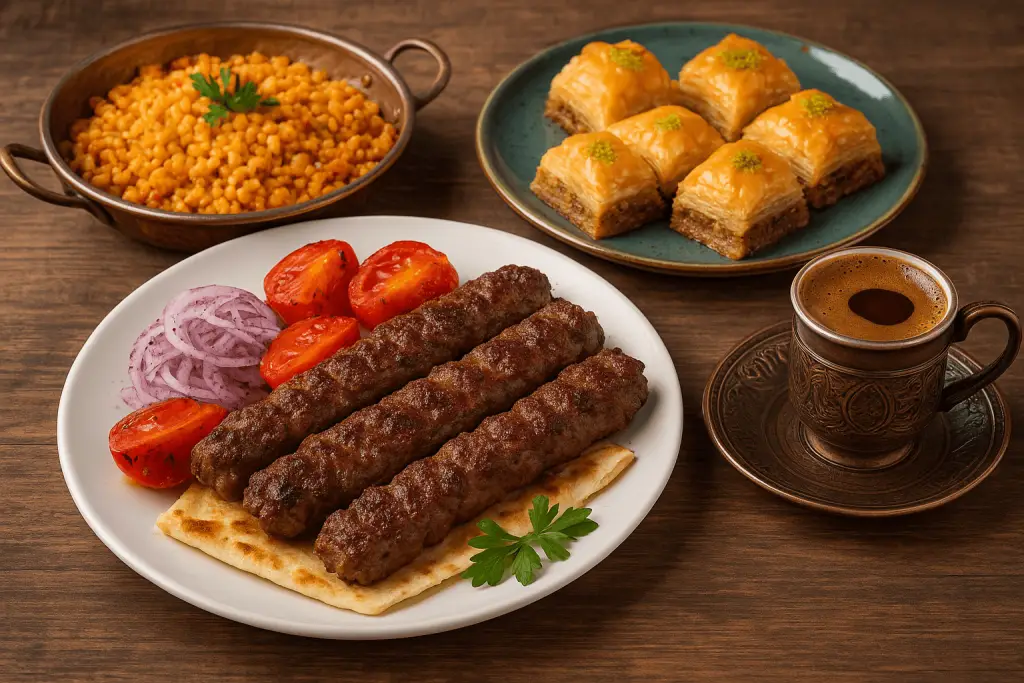
Turkish cuisine is a cultural treasure in itself:
- Kebabs from Gaziantep—slow-grilled, spiced, and unforgettable.
- Baklava layered with pistachios and honey—best enjoyed with Turkish tea.
- Turkish coffee—thick, strong, and often read for fortune-telling.
Every meal is shared, every guest honored. In Turkey, food is love.
For more on budget-friendly ways to experience global cultures, see our guide to budget travel around the world .
Practical Travel Tips for Turkey
- Best time to visit: April–June and September–October for mild weather and fewer crowds.
- Currency: Turkish Lira (TRY). Credit cards widely accepted in cities.
- Language: Turkish, but English is common in tourist areas.
- Transport: Domestic flights (Turkish Airlines), intercity buses (luxury coaches), and ferries connect all major sites.
- Respect local customs: Dress modestly at religious sites; remove shoes when entering homes.
Conclusion: Turkey’s Timeless Invitation
Turkey doesn’t just show you its treasures—it invites you into them. Whether you’re floating above Cappadocia, walking Roman streets in Ephesus, or sharing tea with a local, you become part of a story that’s been unfolding for millennia.
This Turkey travel guide is just the beginning. The real journey starts when you step into its timeless embrace.