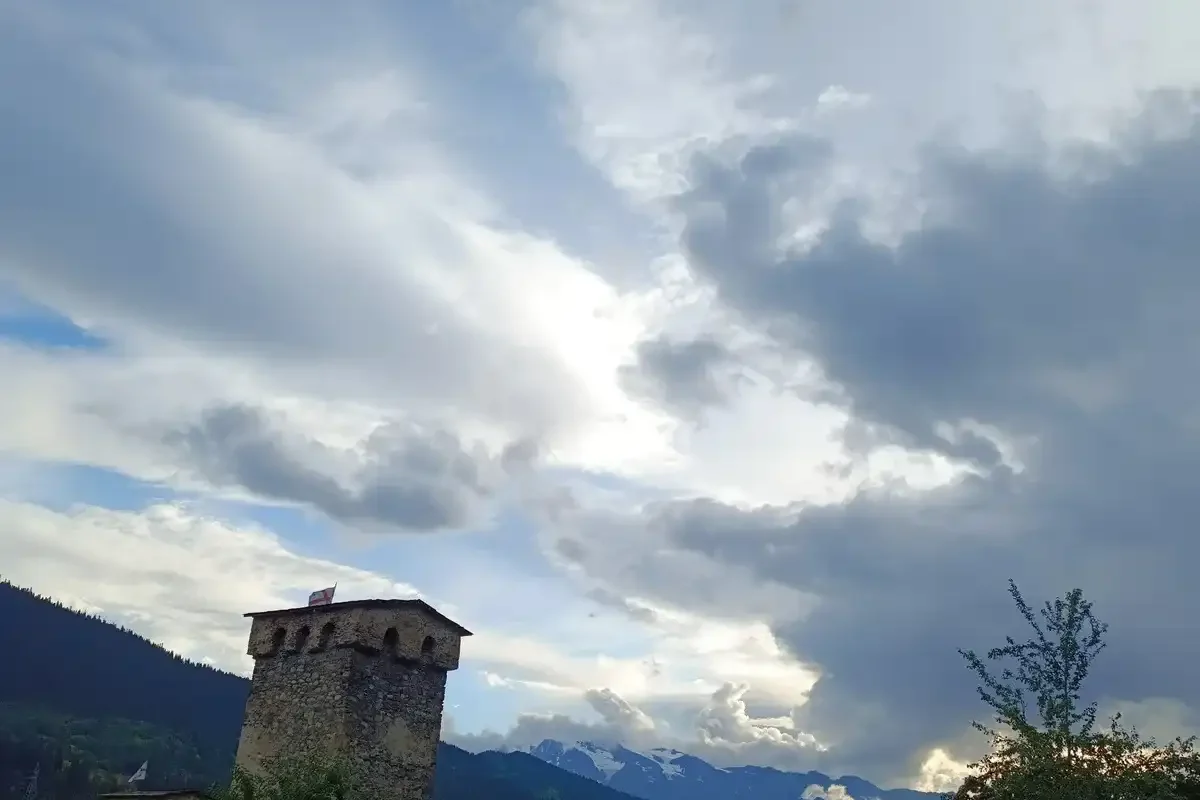
Drive into the high valleys of northwestern Georgia, and the first thing you notice is not the snowy peaks but the towers: tall, square, stone towers rising above almost every village, like a forest of chimneys. These are the Svan towers, the symbol of Svaneti, one of the most remote and fascinating regions of the Caucasus. Three things explain them: centuries of blood feuds between families, the need for shelter from raiders, and a mountain culture so isolated that it kept its own language and customs for over a thousand years.
I spent several days in Svaneti in the fall, climbed inside one of the towers, and hiked toward the glaciers. Every photo in this guide is my own.
1. Where Svaneti is
Svaneti is a mountainous region in the far northwest of Georgia, on the southern slopes of the Greater Caucasus. Its main town, Mestia, sits at around 4,900 feet (1,500 meters), surrounded by peaks that rise above 13,000 feet (4,000 meters), including Ushba, with its famous double summit, and Shkhara, the highest mountain in Georgia.
For most of its history, Svaneti was cut off from the rest of the country for much of the year by snow and steep gorges. That isolation shaped everything: its architecture, its traditions, and its language. Svan is a separate Kartvelian language, related to Georgian but not mutually understandable, and it is still spoken today by a small number of people.
Upper Svaneti was listed as a UNESCO World Heritage Site in 1996, for its medieval villages and tower-houses set in a spectacular mountain landscape.
2. What Svan towers are
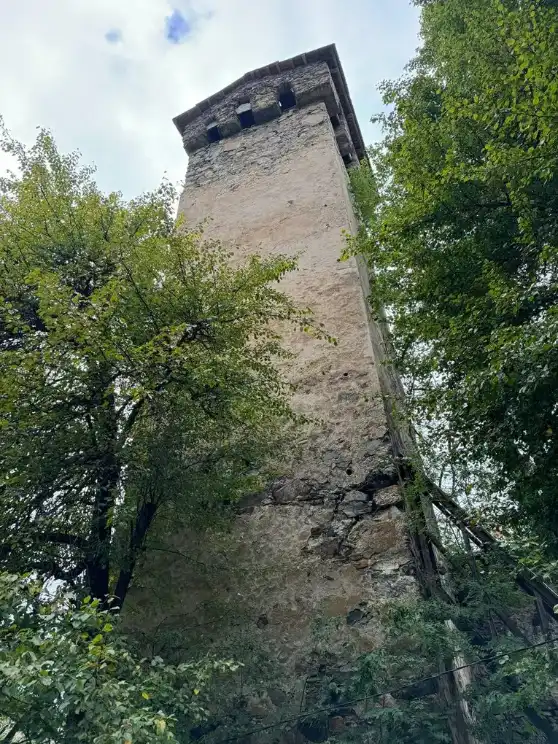
Svan towers are defensive stone towers, mostly built between roughly the 9th and 13th centuries. They are usually square, about 65 to 80 feet (20 to 25 meters) tall, with four or five floors, thick walls, and small windows that get narrower toward the top. Many end in a slightly overhanging crown with openings for shooting or throwing stones.
Each tower was built by and belonged to a single family. It usually stood next to, or was attached to, the family house, called a machubi. Around 175 Svan towers survive across the region, and in some villages they stand so close together that they form a skyline of their own.
3. Why the Svan towers were built
Blood feuds. The most famous reason is the blood feud, a tradition of revenge between families that could last for generations. If a member of one family was killed, their relatives were bound by honor to take revenge. When a feud broke out, the family moved into its tower, where the thick walls and narrow entrance made it almost impossible to attack.
Raids and invaders. Svaneti’s valleys were also exposed to raiding parties. The towers served as refuges for people, food, and valuables, and neighbors could signal to each other from the tops.
Avalanches and the harsh climate. Some locals say the strong stone towers also protected families from avalanches and harsh winters, and served as storage for food and fuel. Whether or not every tower had this role, the solid construction was clearly built to last.
Status. Over time, a tower also became a sign of a family’s strength and standing in the community. A village full of towers was a village of proud, independent families.
4. What it is like inside a Svan tower
Climbing a Svan tower is one of the most memorable experiences in Svaneti, and it is not for the claustrophobic.
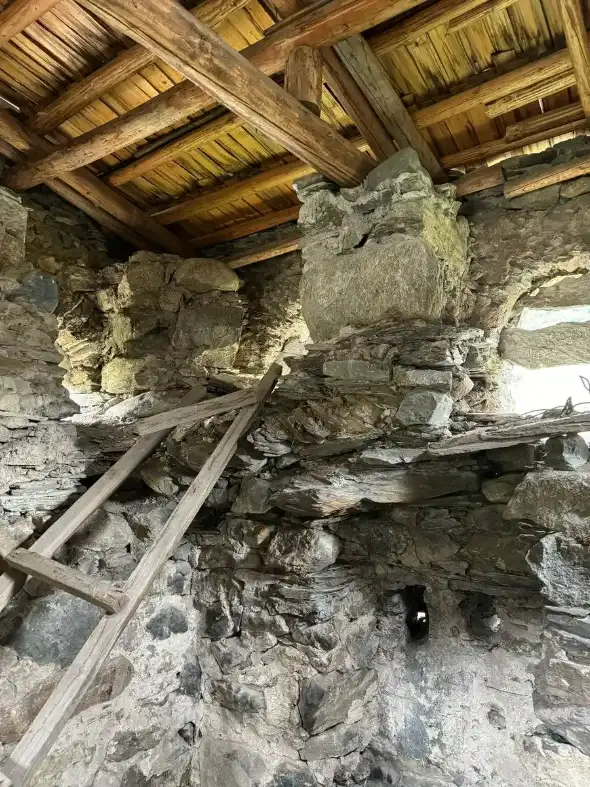
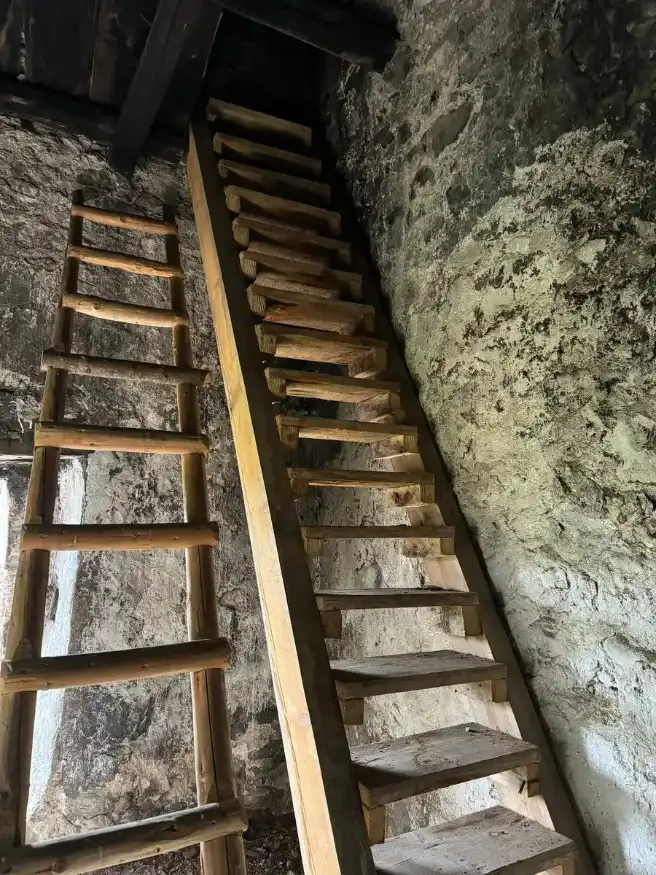
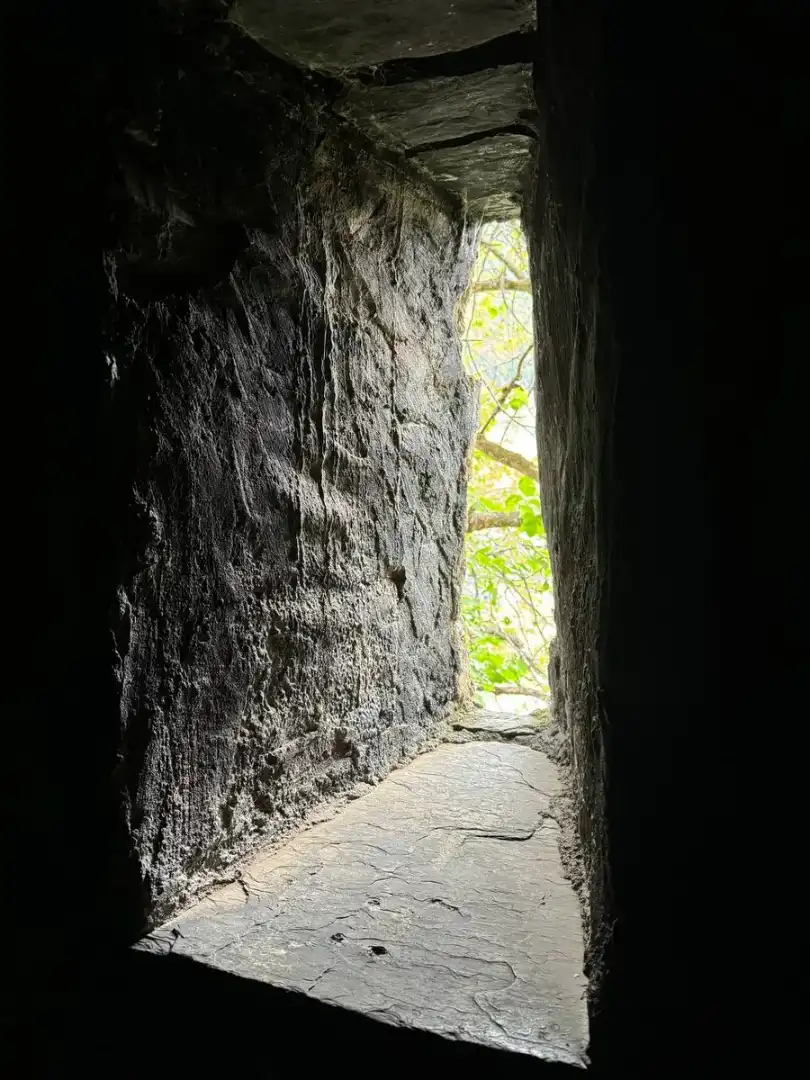
The entrance is small and often raised above the ground, so defenders could pull up the ladder. Inside, the walls are thick stone and the space is narrow and dim, lit only by small slits of windows. Each floor is connected to the next by a steep wooden ladder through a small opening in the floor. You climb, squeeze through the hatch, and climb again.
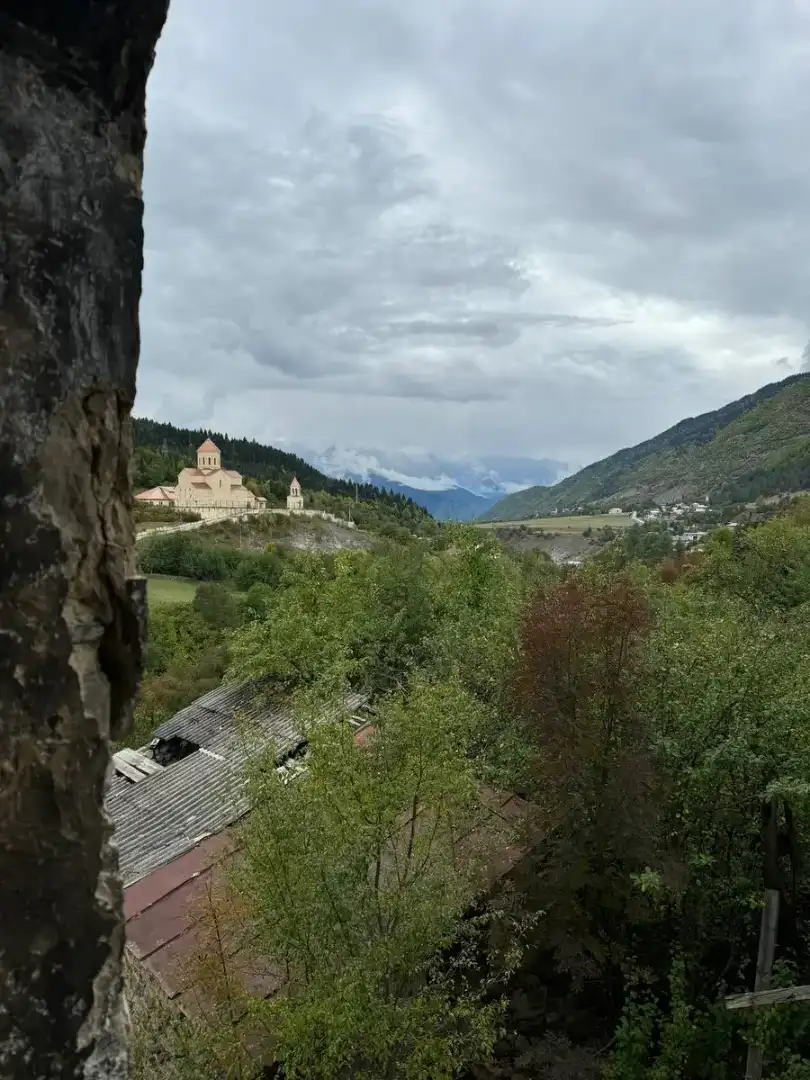
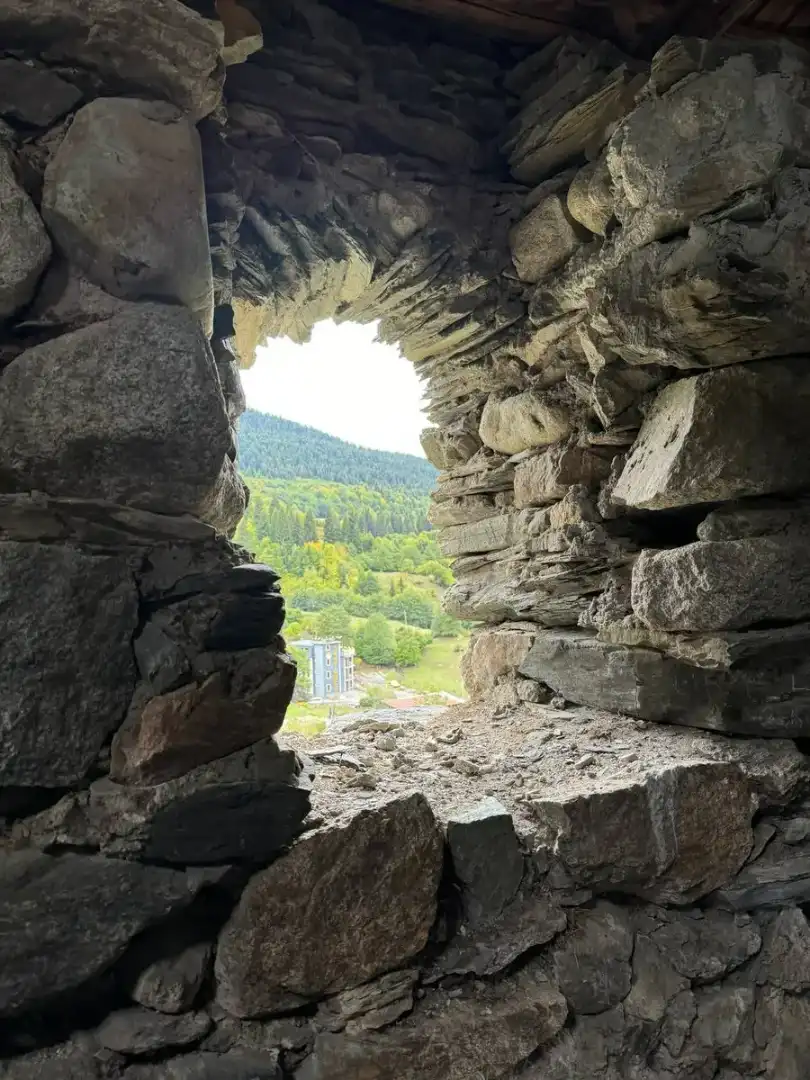
The higher you go, the brighter it becomes, until you reach the top and look out through a small stone window over the whole village, the other towers, and the mountains beyond. It is a completely different view from the one on the ground, and it makes you understand, very physically, how a family could hold out here for weeks.
At the very top, under the wooden roof beams, the stone walls are rough and uneven, and wooden poles still lie where defenders once stood. Through the openings, the whole valley appears: forests, rooftops, a church on a distant hill, and the mountains closing the view.
Tips for climbing a Svan tower
If you want to go inside one of the Svan towers, a little preparation helps.
Wear shoes with good grip. The ladders are steep, old, and sometimes worn smooth. Sandals are a bad idea.
Keep your hands free. Put your camera or phone in a bag or pocket while you climb. You will need both hands on the ladder.
Mind your head. Hatches between floors are small, and the ceilings are low. Take your time.
Go down backward. As on any ladder, face the rungs when you climb down.
Ask the family. Many towers are still privately owned. The owner may unlock the door for a small fee and share stories about the family, which is often the best part of the visit.
Skip it if you are uneasy with heights or tight spaces. The view from the ground, and from the cable car above Mestia, is still spectacular.
5. Where to see Svan towers
Mestia. The main town has dozens of towers, many easy to see on a walk through the old quarter. Some are open to visitors, and the Svaneti Museum of History and Ethnography in town holds medieval icons, manuscripts, and treasures once kept safe in the towers and churches of the region.
Ushguli. A group of villages at around 7,200 feet (2,200 meters), often described as one of the highest permanently inhabited settlements in Europe. Its cluster of towers against the glaciers of Shkhara is the most famous view in Svaneti.
Smaller villages. Villages along the road between Mestia and Ushguli, and in side valleys, have their own towers, often with fewer visitors.
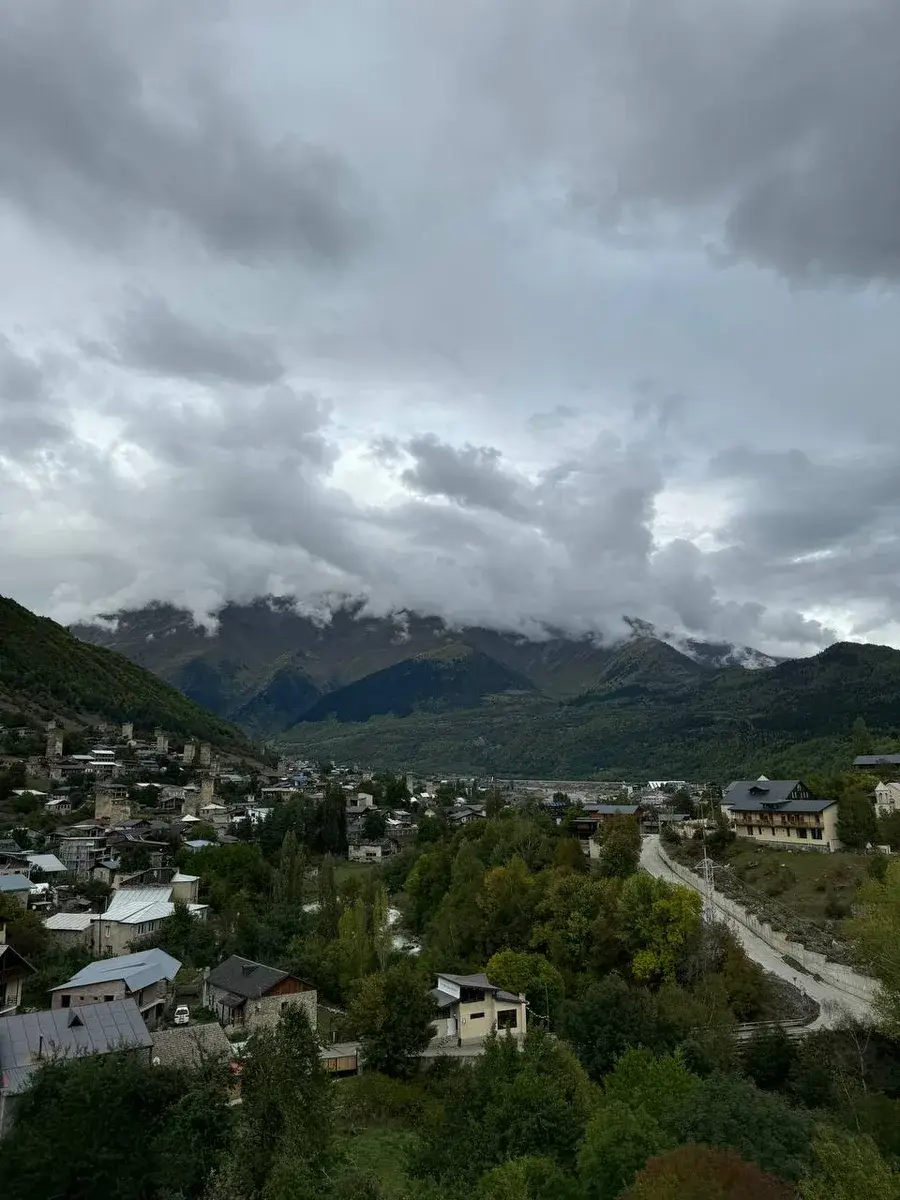
6. The mountains around Mestia
Svaneti is not only about towers. It is one of the best hiking regions in the Caucasus.
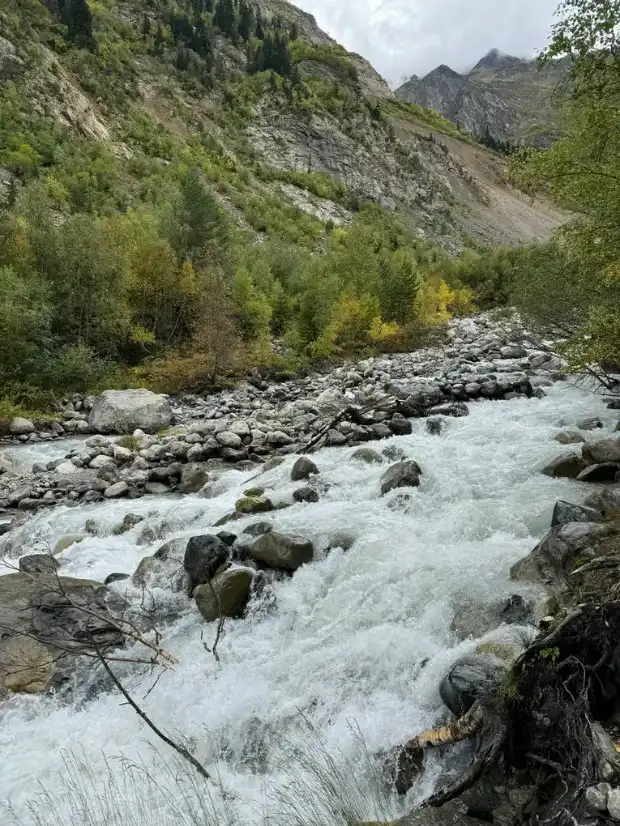
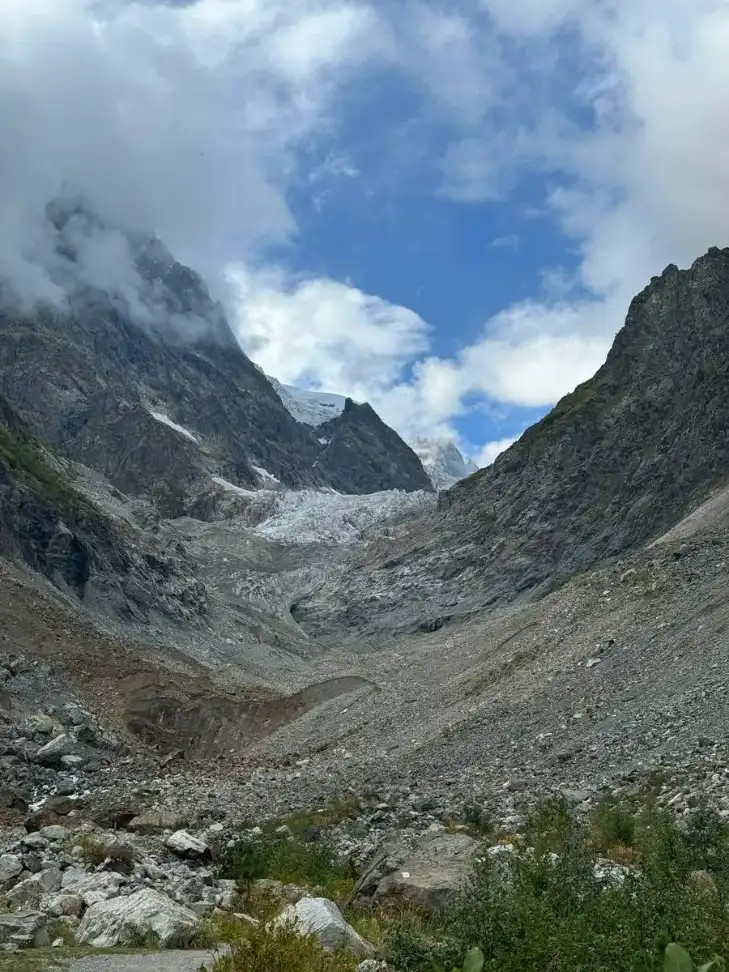
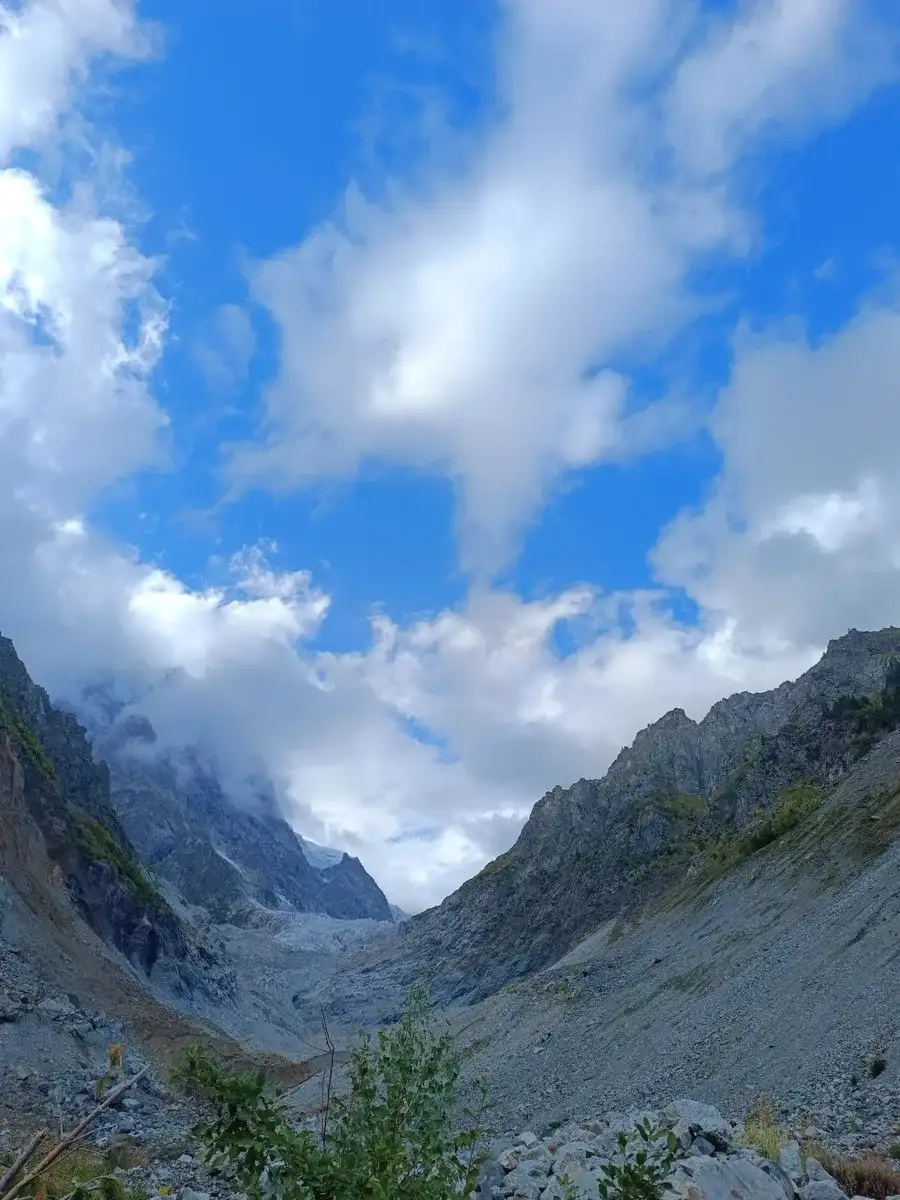
Chalaadi Glacier. One of the most popular day hikes from Mestia, a walk of around four to five hours round trip through forest and along a rocky river valley to the snout of the glacier. No technical equipment is needed, but good shoes are essential.
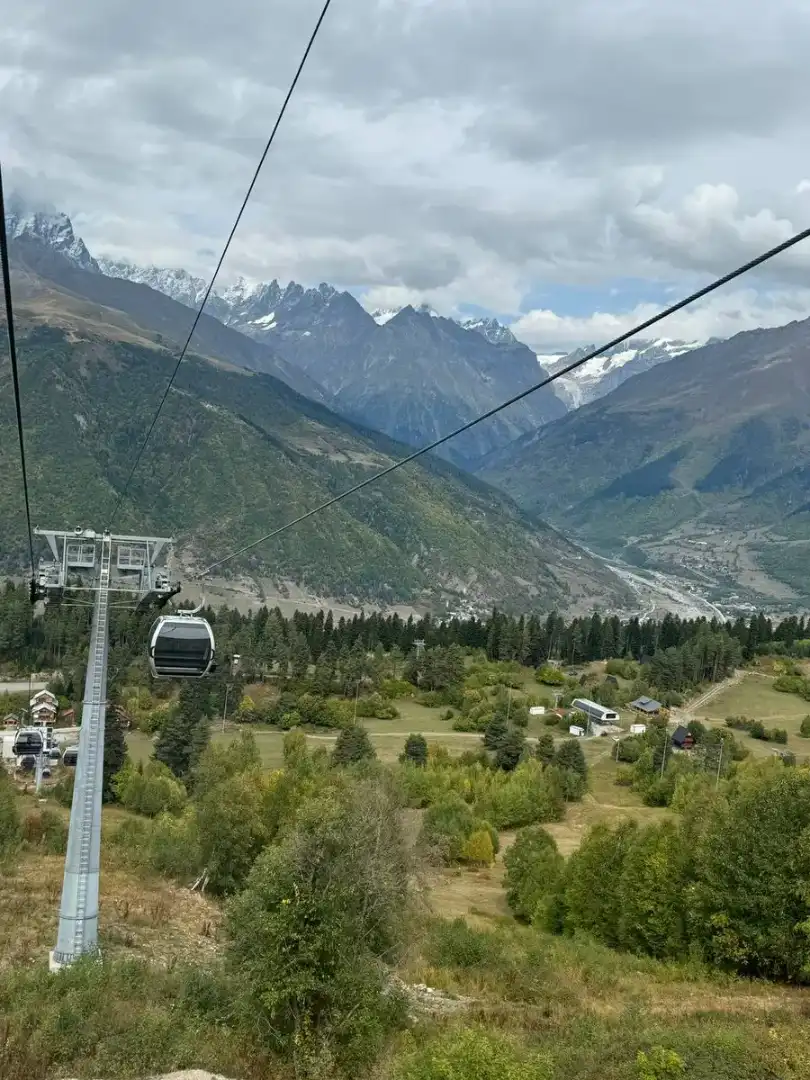
Hatsvali and Zuruldi. A cable car climbs from Mestia to the ridge above town, with sweeping views over the valley and the towers below.
Mestia to Ushguli. A classic multi-day trek of around four days, through villages, forests, and high passes, staying in family guesthouses.
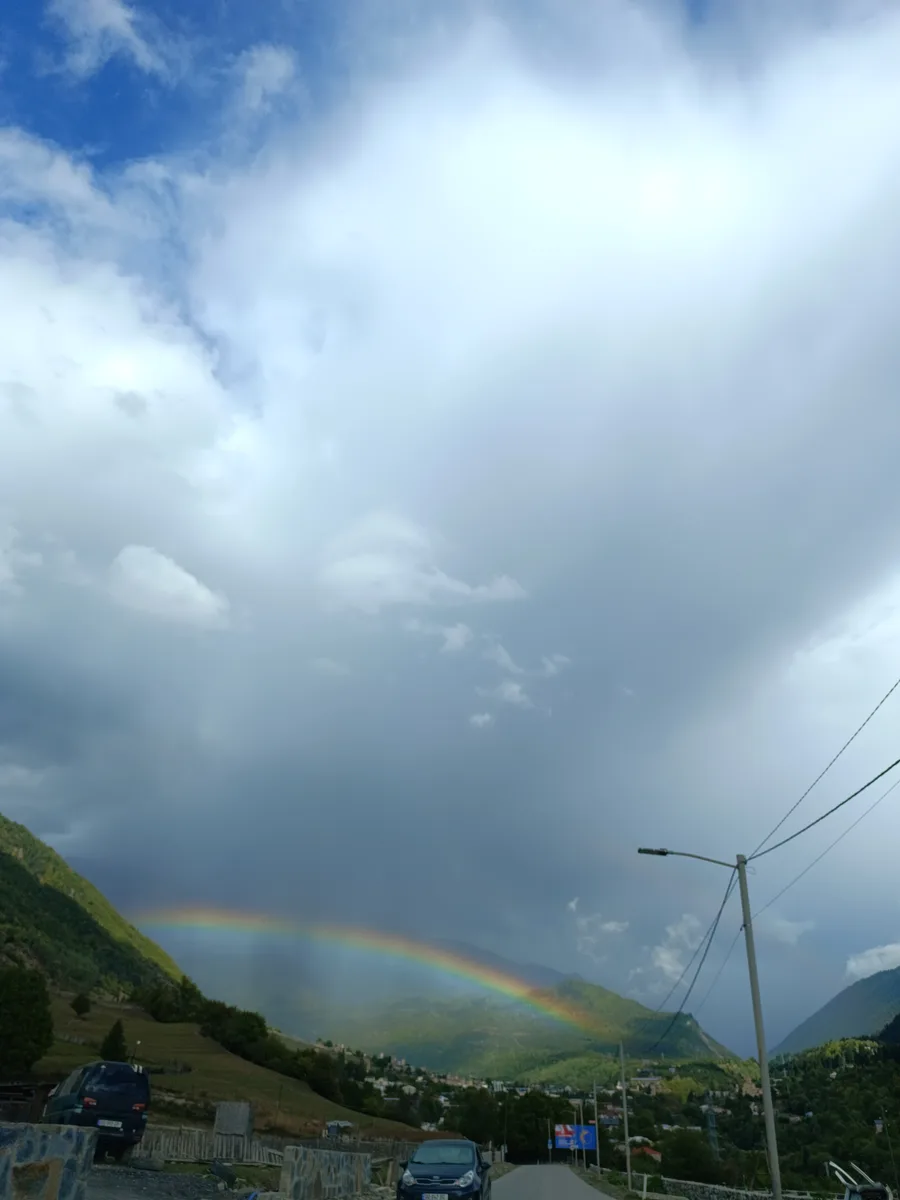
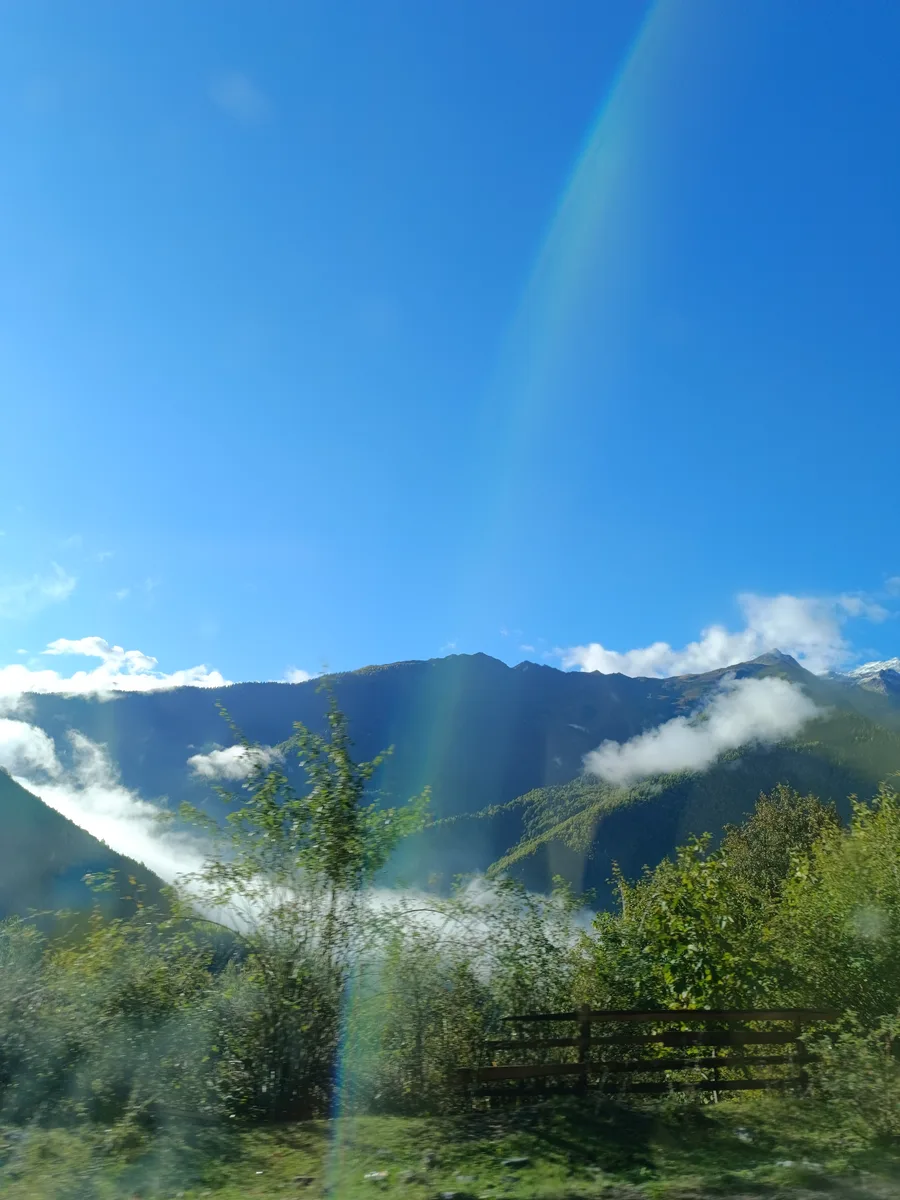
When I hiked into the glacier valley, the weather changed several times in a few hours: sunshine, low cloud, and then, near town, a rainbow arching over the road. In autumn, the birch and larch forests turn gold, and the snow line creeps down the peaks.
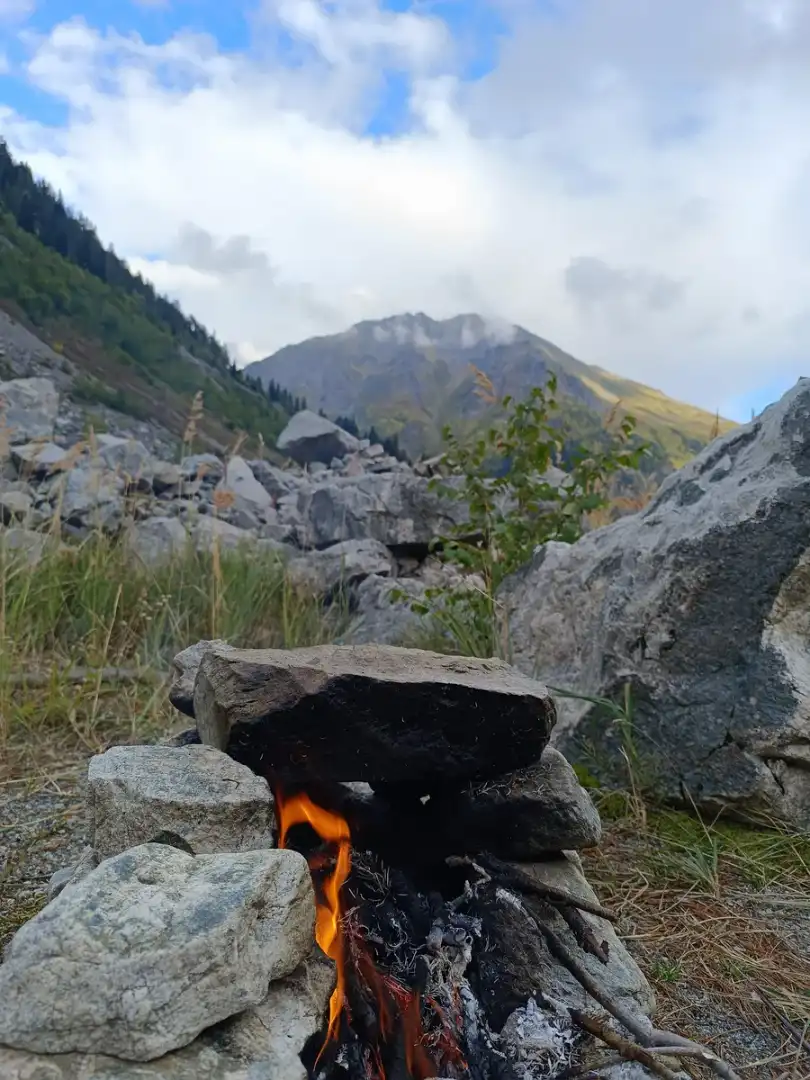
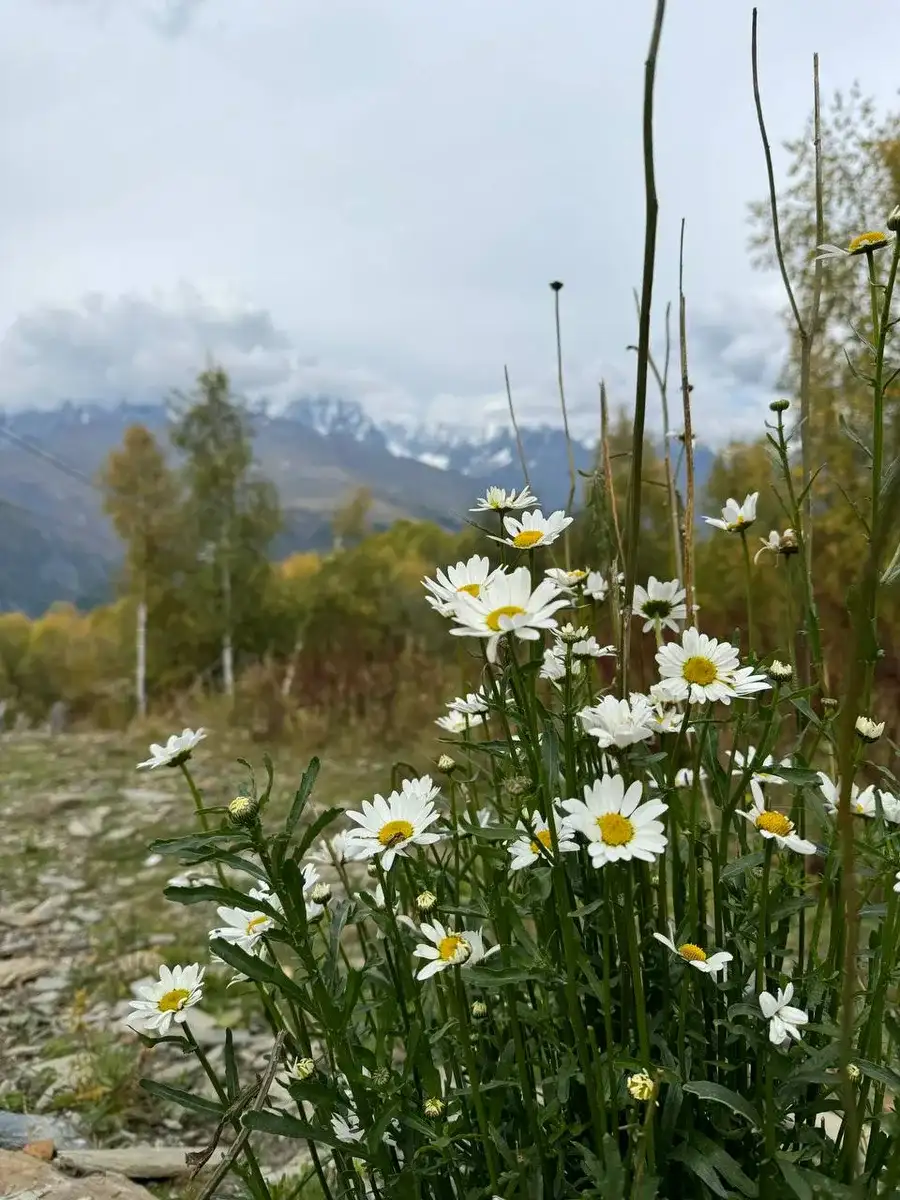
The trail to the glacier follows a wild, milky river that roars over boulders. Higher up, the valley opens into a wide stony bowl, with the tongue of the glacier hanging between dark rock walls. We stopped for a small fire between two flat stones, a simple mountain lunch with a view no restaurant can match. On the lower slopes, late-summer daisies still bloomed against the snowy peaks.
Mornings above the clouds
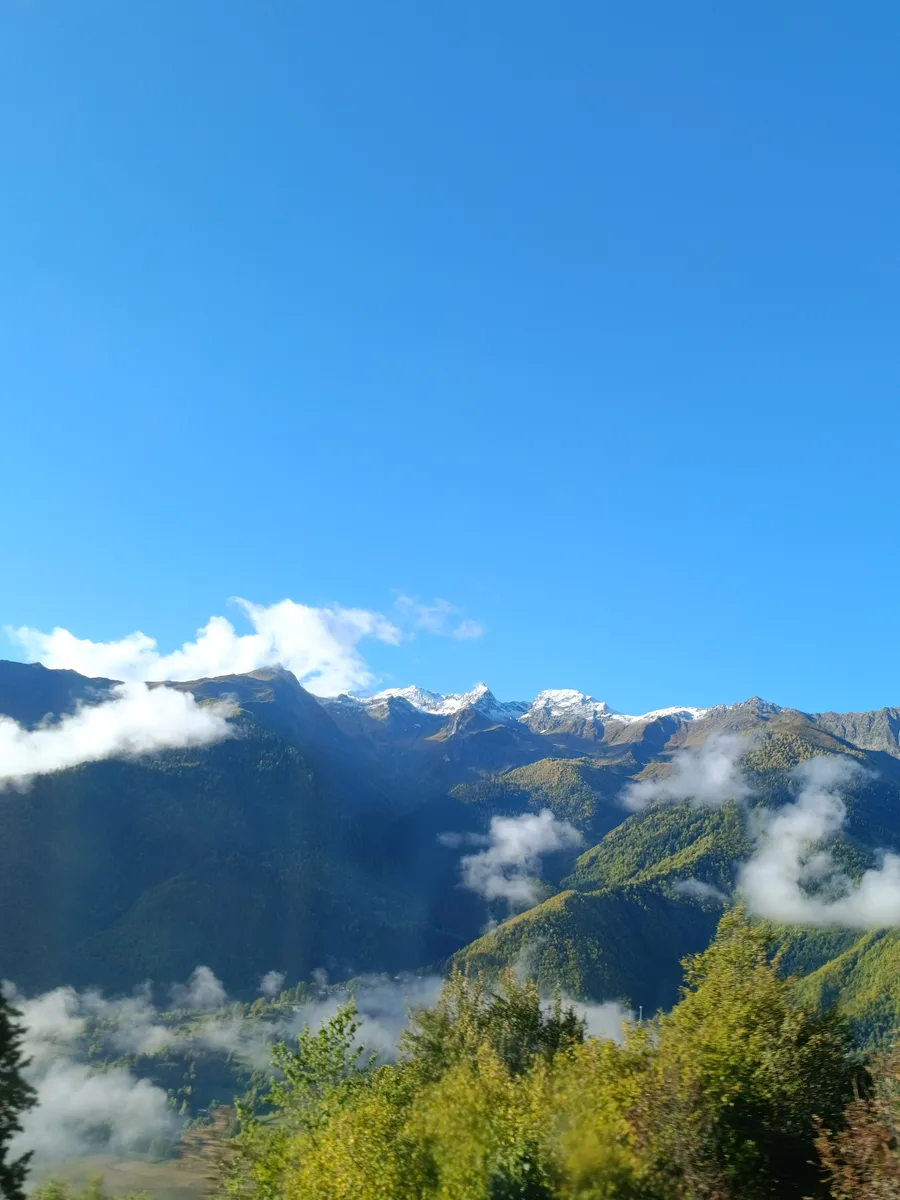
Some of my favorite moments in Svaneti came early in the morning. After a night of rain, the valleys filled with low clouds, and the peaks rose above them into a perfectly blue sky. On one morning, a faint rainbow hung in the air over the forest while the clouds slowly drifted away. If you stay in Mestia, set an alarm and step outside at sunrise.
7. When to go
June to September is the main season, with open hiking trails and the most reliable road access. July and August are the busiest months.
Late September and October bring golden forests, fewer visitors, and crisp mornings, though weather becomes less predictable and snow can fall on the high passes.
Winter turns Mestia into a small ski resort, and the towers under snow are spectacular, but mountain roads can close and hiking is limited.
8. How to get to Svaneti
By road. Most travelers go by minibus or car from Zugdidi, in western Georgia, to Mestia. The road winds for several hours through a deep river gorge. Minibuses also run from Kutaisi and Tbilisi, but the journey is long.
By air. Small planes fly to Mestia from Tbilisi and Kutaisi when the weather allows. The flight over the Caucasus is spectacular, but it is often canceled in poor weather, so leave some flexibility.
From Mestia, 4×4 vehicles and drivers can take you to Ushguli, a trip of a couple of hours each way on a partly rough road.
9. Svan culture today
The towers are the most visible sign of Svan culture, but there is much more. Svaneti is known for its polyphonic singing, its salt, Svanuri marili, a mix of salt and herbs used across Georgia, and dishes such as kubdari, a bread filled with spiced meat.
Svans are proud of their history and independence, and many families still own the tower next to their house. Staying in a family guesthouse is the best way to hear stories, taste home cooking, and understand why people in these valleys still feel that they belong to a world of their own.
Life in Mestia
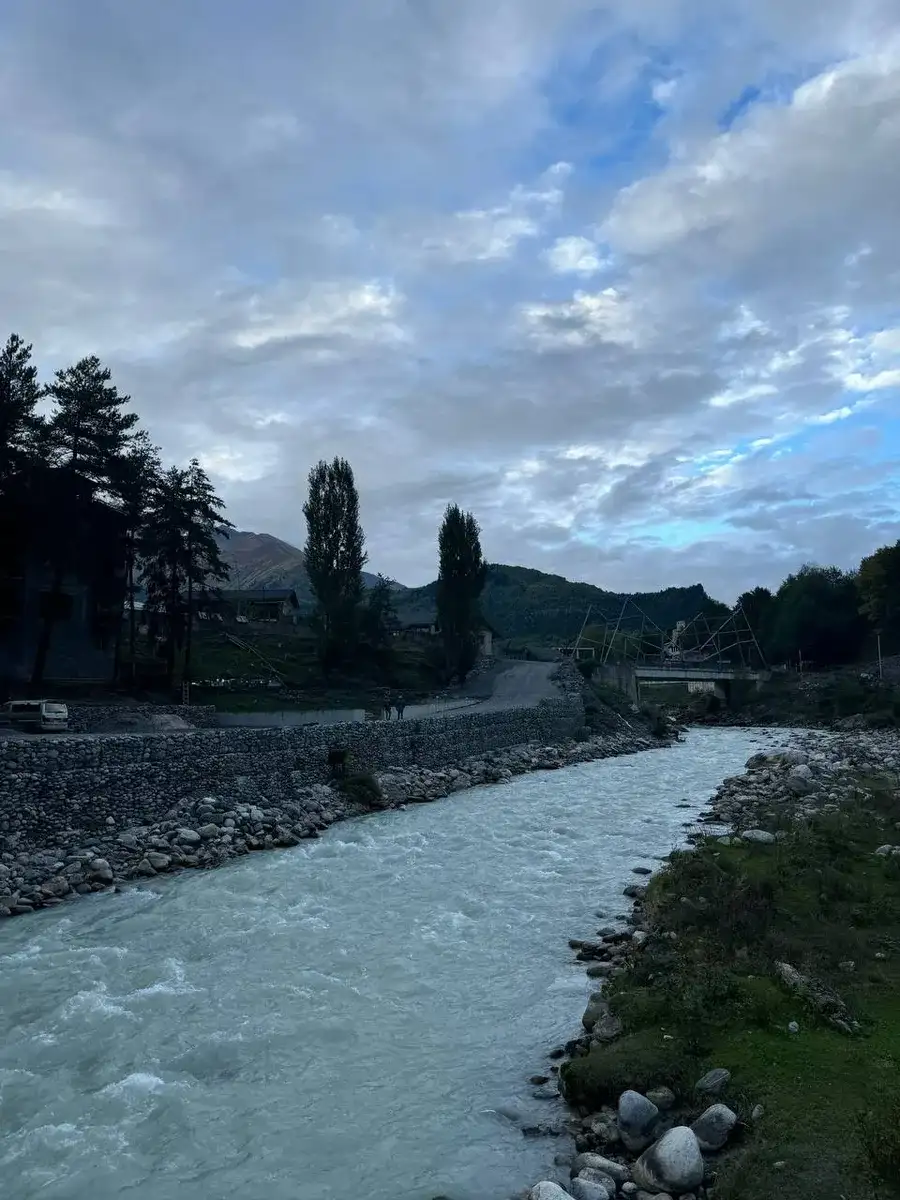
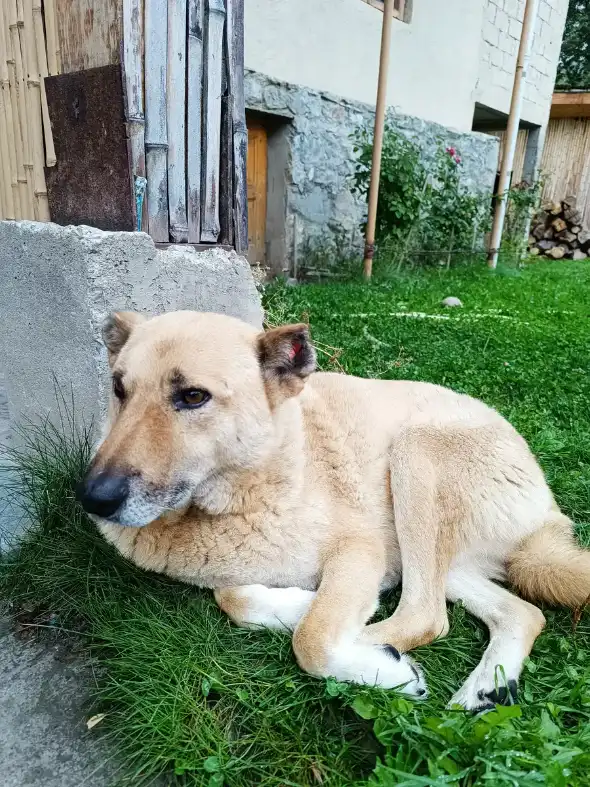
Between hikes, Mestia is a pleasant place to slow down. The Mestiachala River rushes through town, cold and gray with glacier water, and the paths along it lead to viewpoints and small cafes. Village dogs doze in the grass in front of the old houses, and many of them will happily join you on a walk. Evenings are cool even in summer, so bring a warm layer and try a bowl of local soup or a slice of kubdari at a family guesthouse.
Read next: Svaneti in autumn · Best Georgian food
For official information, see UNESCO World Heritage: Upper Svaneti.
Frequently asked questions
What are Svan towers?
Svan towers are medieval stone defensive towers found in the villages of Svaneti, a mountain region of northwestern Georgia. Most were built between the 9th and 13th centuries, stand about 65 to 80 feet tall, and belonged to individual families.
Why were the Svan towers built?
They were built as refuges during blood feuds between families and against raiders, and they also stored food and valuables. Over time, they also became a symbol of a family’s strength and status.
Can you go inside a Svan tower?
Yes. Some towers in Mestia and other villages are open to visitors, usually for a small fee. You climb steep wooden ladders through narrow hatches to reach the top, so good shoes and a little courage are needed.
How many Svan towers are there?
Around 175 Svan towers survive across Svaneti, with the largest clusters in Mestia and Ushguli.
What is the best time to visit Svaneti?
June to September is the best time for hiking and road travel. Late September and October offer autumn colors and fewer visitors, while winter is suited to skiing and snowy tower views.
A skyline built by family
The Svan towers are not just old buildings. They are the story of how families survived in one of the most isolated corners of Europe, trusting their own stone walls more than anyone else. Climb one of their narrow ladders, look out through a small stone window at the peaks of the Caucasus, and you will understand Svaneti in a way no photo can show.