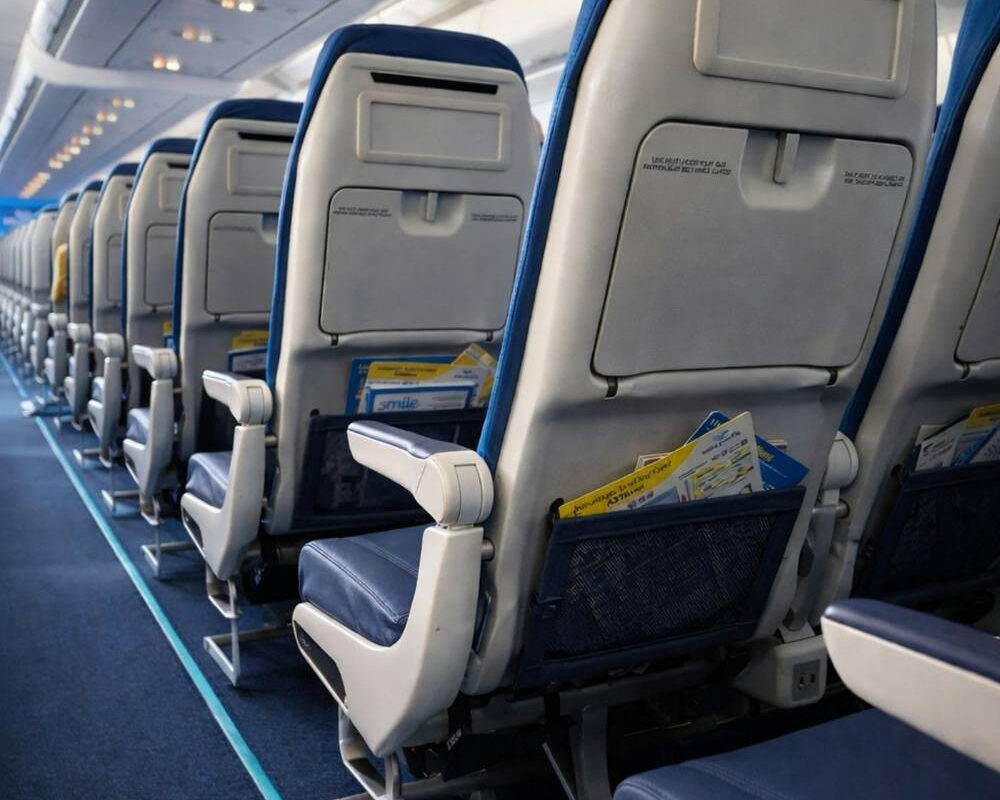
Search for a flight and you’ll see fares that differ by hundreds of dollars for what looks like the same seat. Some of that gap comes down to route and timing, but a lot of it comes down to a basic split: low-cost vs premium airlines, and what each one actually includes once you’re on board. This guide walks through what separates the two, how cabin classes stack up, and which carriers are worth knowing heading into 2026.
Low-cost vs premium airlines: what actually separates them
A low-cost carrier’s business model starts with an unbundled fare: your ticket buys a seat, and everything else – a checked bag, a seat assignment, a meal, sometimes even a full-size carry-on – gets added on separately. Most low-cost airlines also fly a single aircraft type, usually an Airbus A320 family or Boeing 737, which keeps training and maintenance costs down and turnarounds fast. Many use secondary airports outside major cities, where landing fees are lower.
Premium, or full-service, carriers build the extras into the fare. A checked bag, a meal, and often a seat assignment come standard, and the airline usually belongs to a global alliance that extends its network through partner flights. That structure costs more to run, and the fare reflects it.
Economy seats aren’t the same on every airline
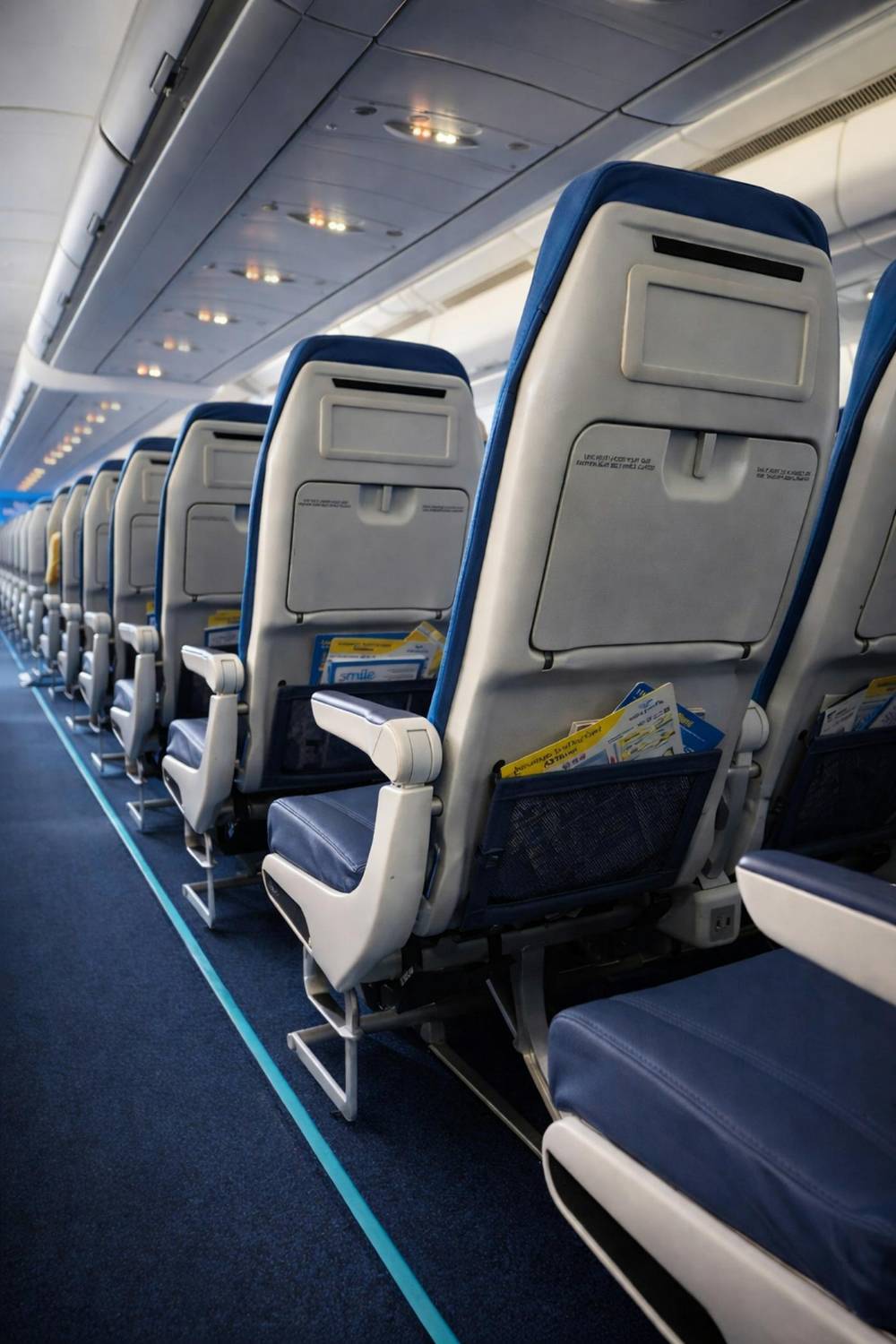
Economy class is where the gap between airlines shows up fastest. Seat pitch, the distance between a point on one seat and the same point on the seat in front, runs as tight as 28 inches on some low-cost carriers and closer to 32 to 34 inches on carriers like Qatar Airways, Singapore Airlines, or Japan Airlines. Seat width matters too. A couple of extra inches is the difference between elbow room and armrest negotiations over an eight-hour flight.
Premium economy sits between economy and business class. It’s a smaller cabin with wider seats, more recline, and usually its own flight attendants, without the lie-flat bed of business class. Most long-haul full-service carriers now offer it. Almost no low-cost airline does, since the entire model depends on packing more seats into the same fuselage.
Business class: what the extra cost buys you
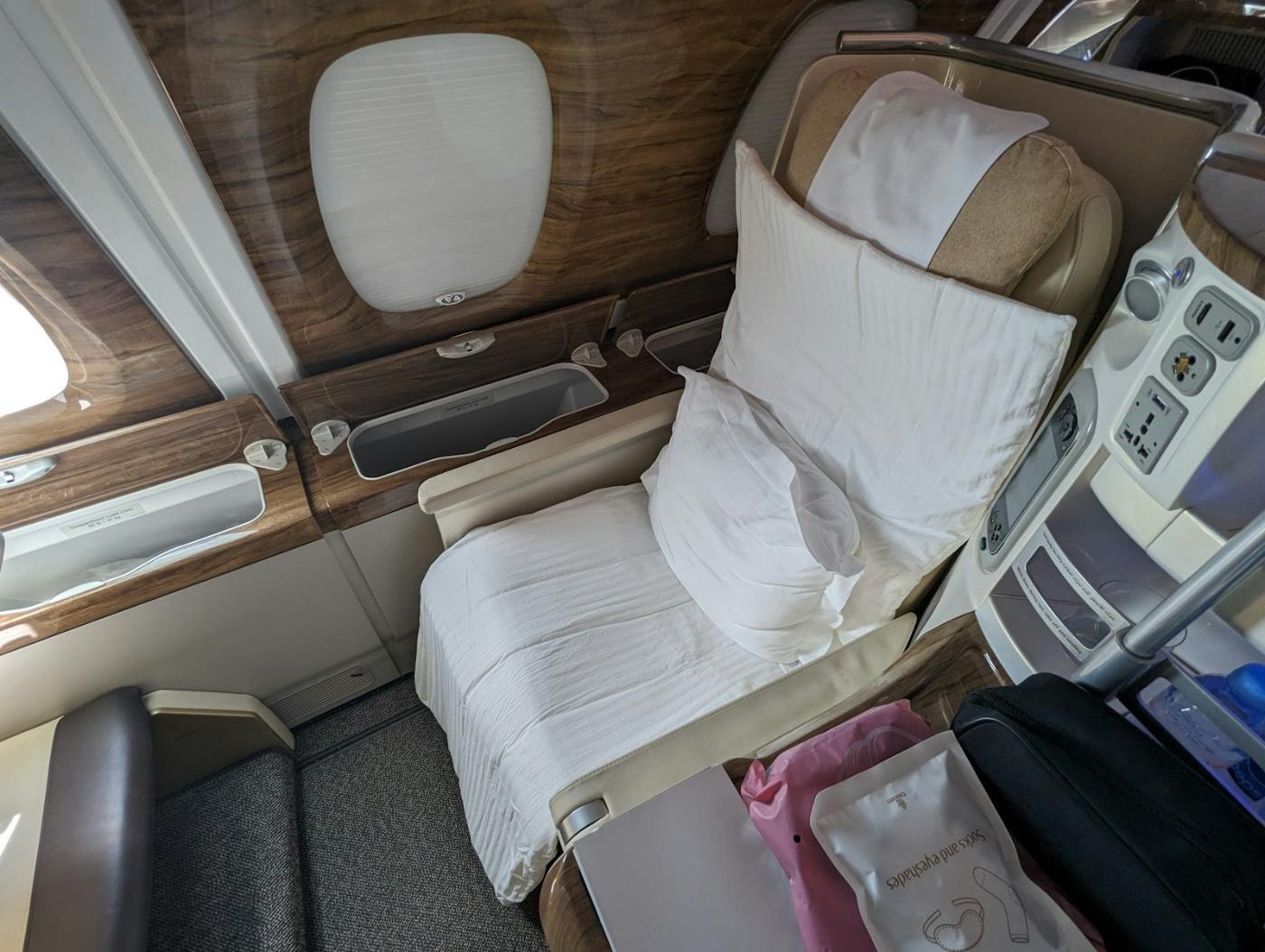
On long-haul flights, business class today usually means a seat that folds fully flat into a bed, often with direct aisle access so you’re not climbing over anyone. Add dedicated cabin crew, lounge access before the flight, priority boarding, and a larger baggage allowance, and the ticket can run three to six times an economy fare on the same route.
First class still exists, but on a shrinking list of airlines, including Emirates, Singapore Airlines, and ANA, usually as an enclosed private suite rather than a wider version of business. For most travelers, business class on a strong carrier delivers nearly the same comfort at a lower price.
Low-cost carriers worth knowing, by region
Low-cost doesn’t mean one thing everywhere. Regional leaders include:
- North America: Southwest, Spirit, Frontier, Allegiant
- Europe: Ryanair, easyJet, Wizz Air
- Asia-Pacific: AirAsia, IndiGo, Scoot, Jetstar, HK Express, Vietjet
- Latin America: Volaris, JetSMART, Viva
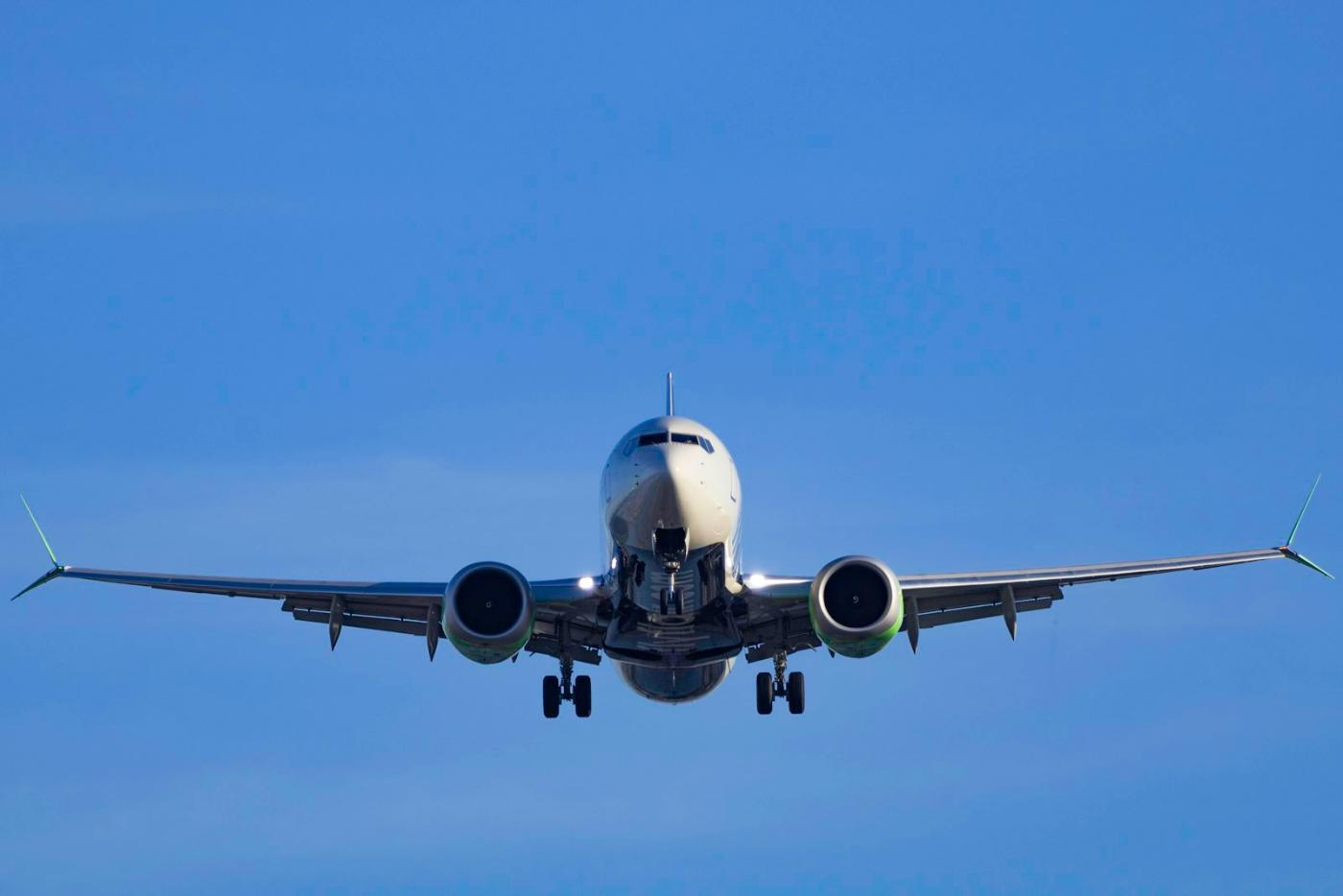
AirlineRatings’ 2026 global low-cost rankings put HK Express in first place, with Jetstar second, AirAsia third, and Scoot fifth, a reminder that budget airlines in Asia now compete on reliability and service, not just price.
Premium carriers that consistently rank at the top
AirlineRatings’ 2026 World’s Best Airlines list ranks Qatar Airways first among full-service carriers, followed by Cathay Pacific, Singapore Airlines, and Korean Air. STARLUX Airlines was one of the year’s biggest movers, jumping from 18th to 5th, with Japan Airlines rounding out the top six. The rankings weigh seating comfort, catering, inflight entertainment, and service delivery rather than public votes, which is why the same handful of Asian and Middle Eastern carriers tend to dominate year after year.
Flying with kids: does the airline type matter?

With young children, the small print matters more than usual. As of 2026, no federal law requires U.S. airlines to seat families together for free. The Department of Transportation proposed a rule in August 2024, but it hasn’t been finalized. Several major carriers, including American, Delta, United, JetBlue, Frontier, Allegiant, and Alaska, have voluntarily committed to some form of free adjacent seating for children 13 and under, tracked on the DOT’s airline customer service dashboard. The level of guarantee varies by airline, so it’s worth checking before you book rather than assuming.
Low-cost carriers rarely offer this at all. Seat selection is almost always a paid add-on, and if you skip it, the system can scatter a family across the cabin. If flying with kids is non-negotiable this trip, that policy gap is often the real deciding factor, more than price.
A quick way to decide which one fits your trip
- Is the flight under three hours, or long-haul? Low-cost makes more sense short-haul; comfort matters more the longer you’re in the seat.
- Do you need a checked bag, a seat assignment, and flexibility to change plans? Add those up before comparing fares, since a “cheap” ticket with three add-ons can cost more than a full-service one.
- Are you traveling with young kids or need guaranteed seating together?
- Does your route even have a full-service option, or is low-cost the only nonstop?
There’s no universally right answer here. The right airline is the one that matches what this specific trip actually needs.
FAQ
What’s the real difference between economy and premium economy?
Premium economy offers a wider seat, more recline, and extra legroom in its own smaller cabin, without the flat bed of business class. It typically costs 50 to 100 percent more than standard economy.
Do low-cost airlines fly long-haul routes?
Some do. Scoot, AirAsia X, and a few others run long-haul low-cost service, but most low-cost carriers stick to short and medium-haul routes where their model works best.
Is business class worth it for a short flight?
Usually not. The biggest business-class advantage, a flat bed, matters most overnight or on long-haul. On a two-hour flight, extra legroom and lounge access are the real perks, and premium economy or an exit row often gets similar comfort for less.
Which airlines are rated best going into 2026?
AirlineRatings’ 2026 list puts Qatar Airways, Cathay Pacific, and Singapore Airlines at the top for full-service carriers, and HK Express, Jetstar, and AirAsia at the top for low-cost.
If a low-cost fare is the plan, it’s worth building out the true cost first. Our budget travel guide walks through exactly which add-ons to expect. And if kids are coming along, seating policy is only one part of the picture. See how it played out on a real trip in Traveling South Korea with kids.